Shichao Liu serves as an Adjunct Professor in the Surgery Department with Urology Division specialization, though his research focuses predominantly on fundamental developmental biology using porcine models. Holding both PhD and BS degrees from Northeast Agricultural University, his academic career bridges veterinary science and embryology despite the clinical departmental affiliation. PhD in Veterinary Science, Northeast Agricultural University BS in Veterinary Science, Northeast Agricultural University Dr. Liu's research centers on mammalian embryogenesis , particularly porcine early development and stem cell pluripotency . His work investigates transcription factor networks (CDX2/OCT4/SOX2), epigenetic regulation through non-coding RNAs, and species-specific trophectoderm lineage specification. Key methodologies include transcriptome analysis, gene manipulation in embryos, and cloning technologies, with significant contributions to understanding non-rodent embryonic models. Analysis of his 15 most recent publications (2014-2021) reveals three dominant research trajectories: (1) Transcriptional regulation of embryonic lineage commitment, (2) Epigenetic mechanisms in intergenerational inheritance via small RNAs, and (3) Technical optimization of porcine embryo culture and cloning. These studies consistently employ pig models to address fundamental questions in developmental biology that have implications for both agricultural biotechnology and comparative embryology.
Katharine Diehl is an Assistant Professor of Medicinal Chemistry at the University of Utah, affiliated with the Biological Chemistry Program and Molecular Biology Program. Education B.S. University of North Carolina at Chapel Hill Ph.D. University of Texas at Austin Research Focus Her laboratory investigates epigenetic mechanisms linking cellular metabolism to genomic regulation via chromatin dynamics. Key areas include: Development of metabolite biosensors for live-cell tracking (e.g., acetyl-CoA). Role of non-canonical histone acyl PTMs (e.g., lactylation) and their regulation by enzymes like sirtuins. SIRT6-mediated mono-ADP-ribosylation of polyhistidine proteins in nuclear regulation. Methodology : Integrates organic chemistry, protein engineering, biochemistry, and molecular biology. Publications : Recent work (2017–2025) explores chromatin-metabolism crosstalk, histone modifications, enzyme mechanisms (SIRT6/PRC2), and metabolite imaging. Dominant themes include epigenetics, metabolic signaling, and chromatin biochemistry. Lab : Leads an active research group; details available on her lab page .
Kelli Gross, MD, is a Clinical Assistant Professor in the Department of Surgery at the University of Utah. A fellowship-trained urologist specializing in Male Infertility and Men's Health, she brings expertise in microsurgical procedures, penile prosthetics, and prostate interventions. Undergraduate: BA in Studio Art and BS in Psychology, University of Texas at Austin Medical Degree: University of Texas Medical Branch Residency: Mayo Clinic Arizona Fellowship: University of Utah (Male Infertility and Men's Health) Her clinical focus includes: Erectile Dysfunction (inflatable penile prosthesis placement) Male Infertility (vasectomy reversal, microTESE) Men's Health (Peyronie's disease, chronic orchialgia management) Prostate Surgery (HoLEP for BPH) Dr. Gross has authored significant research on penile prosthetics, vasectomy reversal techniques, and environmental factors affecting surgical outcomes. She collaborates with the PUMP Prosthetic Urology Multi-institutional Partnership and contributes to understanding paternal health impacts on offspring. Her clinical practice at South Jordan Health Center emphasizes patient-centered care, with a 4.8/5 patient satisfaction score reflecting her compassionate approach to complex urological conditions.
Simon Petersen-Jones is a Professor in the Genetics & Genome Sciences Program and BioMolecular Science Gateway at Michigan State University, where he has been a faculty member since 1998. His work focuses on inherited retinal diseases in animals, particularly dogs and cats, and their translation to human medicine. Royal Veterinary College, University of London (1983) - Veterinary Degree University of Cambridge (PhD) - Research on hereditary retinal diseases in dogs Michigan State University (1998-present) - Faculty in Genetics & Genome Sciences His research targets gene therapy and inherited retinal degeneration , with a focus on large animal models like dogs and cats. He has developed subretinal injection techniques , AAV gene therapy vectors , and consensus guidelines for retinal disease nomenclature in companion animals. Key trends in his 15 most recent publications (2025-2024) include mutation-specific gene augmentation , drug repurposing , and genetic modifier analysis to address retinal disorders. Scientific recognition includes the Wellcome Trust Veterinary Research Career Development Fellowship and awards from the British Small Animal Veterinary Association and Pfizer . He has also co-edited major veterinary ophthalmology texts, including Small Animal Ophthalmology , and lectured internationally.
Dr. Tommy Vo serves as Assistant Professor in the Department of Biochemistry & Molecular Biology at Michigan State University, with faculty appointments in the Genetics & Genome Sciences Program, BioMolecular Science Gateway, and Cell & Molecular Biology Program. His research investigates epigenetic mechanisms in Schizosaccharomyces pombe to uncover conserved regulatory principles applicable to higher organisms. His educational background includes a Ph.D. from Cornell University (2016) and B.S. from State University of New York at Binghamton (2010), followed by postdoctoral training at the National Cancer Institute (2016-2021). Research focuses on epigenetic adaptation through heterochromatin dynamics and RNAi pathways, employing genetic, biochemical, and bioinformatic approaches. The lab pioneers humanized yeast models to study human gene functions in tractable systems, bridging fundamental mechanisms with disease relevance. Current projects explore conserved epigenetic factors and their roles in cellular adaptation under stress. Publication trends reveal deep specialization in yeast epigenetics (75% of recent work), with emerging interdisciplinary collaborations in cancer biology and large-scale epidemiology (e.g., Global Vaccine Data Network studies). Core themes emphasize RNA-mediated chromatin regulation and evolutionarily conserved silencing mechanisms. Scientific recognition includes: NIGMS Postdoctoral Research Associate Training (PRAT) Fellowship (2017-2020) Dr. Vo recruits Ph.D. students exclusively through MSU's BioMolecular Sciences umbrella program, with non-degree trainees joining via the Biochemistry Research Trainee Program (domestic) or Visiting Scholars Program (international). Summer research opportunities are available for high school and undergraduate students through direct application by March/April. The lab emphasizes structured mentorship and community engagement in scientific training. The Vo Lab operates from Room 410B (603 Wilson Rd, East Lansing) with active collaborations across MSU's graduate programs, including Reproductive and Developmental Sciences. Current efforts focus on translating yeast epigenetic discoveries to human disease contexts through engineered model systems.
Mark Ansel is a Professor in the Department of Microbiology & Immunology at the University of California, San Francisco (UCSF). His research focuses on molecular mechanisms governing lymphocyte development, differentiation, and immune function, particularly in the context of allergies, asthma, and autoimmune diseases. He investigates how microRNAs (miRNAs), transcription factors, and epigenetic regulation collectively shape gene expression programs in immune cells. Research Area: RNA regulation in adaptive immunity Key Techniques: Mouse genetics, high-dimensional molecular analysis, CRISPR screens The Ansel lab emphasizes miRNA homeostasis, extracellular RNA communication, and post-transcriptional control of T and B cell responses. His work has implications for understanding and treating immune pathologies such as asthma, chronic inflammation, and viral infections like COVID-19. Recent publications highlight his team's discoveries on miRNA clusters (e.g., miR-15/16, miR-23-27-24) in regulating T cell survival, differentiation, and cytokine production. Collaborative projects span allergy research, RNA-binding proteins (RBPs), and multi-omics analysis of immune trajectories in diseases.
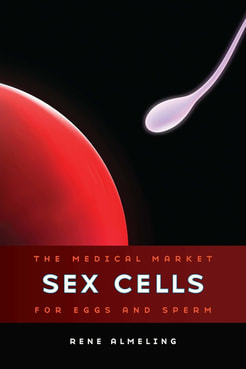
Rene Almeling is Professor of Sociology at Yale University with courtesy appointments in American Studies, the Yale School of Public Health (Department of Health Policy and Management), and the Yale School of Medicine (Section of the History of Medicine). She holds primary appointments in Sociology and Social and Behavioral Sciences at the Yale School of Public Health, where she serves as Professor and Associate Professor Tenure respectively. Her interdisciplinary work bridges sociology, gender studies, and public health, focusing on how biological bodies and cultural norms interact to influence scientific knowledge, medical markets, and individual experiences. Professor Almeling's research centers on gender and medicine, with particular expertise in reproduction and reproductive health. She has conducted groundbreaking research on the medical markets for eggs and sperm, examining how gendered frameworks shape these markets and influence individual experiences. Her work also investigates the significant gap in attention to men's reproductive health, exploring how this "non-knowledge" affects medical understanding, health policy, and reproductive politics. Using qualitative, historical, and quantitative methods, she analyzes how cultural norms interact with biological realities to shape medical markets, scientific knowledge, and individual decision-making. Currently, she is developing new research on climate change and its intersections with health and society. Professor Almeling's research has revealed important gender disparities in reproductive medicine, showing how women's reproductive health has been extensively studied while men's reproductive health has been largely neglected. Her work demonstrates how these knowledge gaps affect medical practice, health policy, and individual experiences of reproduction. She has documented how medical markets for gametes (eggs and sperm) operate differently based on gender, with sperm donation framed as a "job" while egg donation is presented as a "gift." Her recent work explores how emerging understandings of epigenetics and paternal effects are beginning to reshape conversations about men's reproductive responsibilities. Professor Almeling has received numerous prestigious awards for her scholarship, including the Arthur Greer Memorial Prize for Outstanding Scholarly Research (one of Yale's highest honors), the Diana Forsythe Prize from the American Anthropological Association, and the Best Book Award from the American Sociological Association's Body and Embodiment Section. Her book Sex Cells also received the Simmons Outstanding Dissertation Award from the American Sociological Association's Medical Sociology Section and a Distinguished Book Award Honorable Mention from the ASA's Sex and Gender Section. Her more recent book GUYnecology earned the Adele E. Clarke Book Award from ReproNetwork. Professor Almeling has advised numerous students and received significant research funding from the National Science Foundation, the Robert Wood Johnson Foundation, and the Center for Advanced Study in Behavioral Sciences at Stanford University, where she was a fellow during the 2019-20 academic year. She has conducted two major original surveys: one on Americans' attitudes toward genetic risk (with political scientist Shana Kushner Gadarian) and another on women's bodily experiences of in vitro fertilization. Her work has influenced public discourse on reproductive health, with contributions to major media outlets including the New York Times, Washington Post, Boston Globe, and Elle.
Pei-Hsuan Wu is an Assistant Professor at the University of Geneva, Faculty of Medicine, within the Department of Genetic Medicine and Development. Her research focuses on germline small non-coding RNAs (piRNAs), mRNA regulation, and RNA-binding proteins in male reproduction and embryonic development. B.Sc. in Biology from Boston University Ph.D. in Molecular Biology from Northwestern University Research spans spermatogenesis , sperm function , and epigenetic paternal contributions to embryos, utilizing mouse models , CRISPR/Cas9, sequencing, and bioinformatics. Key collaborations include networks like iGE3, NCCR RNA & Disease, and ANDRONET Cost Action. Recent publications emphasize piRNA mechanisms, transposon silencing, and evolutionary conservation of small RNA loci. Her work is funded by the PRIMA Grant from the Swiss National Science Foundation. She leads a team including Giulia Perillo, Keigo Shibata, Salman Shehzada, Marcelle Varona Darques, and María Eugenia Gil Diaz, supported by former member Tanya Sedupathy. PRIMA Grant (Swiss National Science Foundation)
Goran Petrovski is a Professor at the Department of Ophthalmology within the Faculty of Medicine at the University of Oslo. His clinical and research activities focus on vitreoretinal surgery, diabetic retinopathy, corneal stem cell research, and glaucoma management. He maintains active collaborations across European institutions and leads research initiatives including the PerDIRe project for personalized diabetic retinopathy screening. His research spans multiple critical areas in ophthalmology including retinal disease mechanisms, surgical innovations, and health economic analyses of eye care delivery. Recent work demonstrates particular emphasis on diabetic retinopathy screening optimization, novel surgical instrumentation, corneal regeneration techniques, and epigenetic factors in ocular disease. His laboratory investigations frequently employ advanced imaging modalities, tissue engineering approaches, and translational models. Analysis of his recent publications reveals strong thematic focus on improving outcomes in retinal detachment surgery, developing less invasive glaucoma treatments, and applying AI to diabetic retinopathy screening. His work bridges basic science discoveries with clinical implementation, particularly in resource optimization for eye care services and personalized treatment approaches for complex retinal conditions. Petrovski actively contributes to multicenter European research collaborations and maintains strong clinical research ties with the Clinical Retina Research group at OUS Ullevål. His work demonstrates consistent translational focus from bench to bedside, with particular attention to practical innovations that can be implemented in routine clinical practice.
Olav Sundnes is an Associate Professor at the Department of Dermatology , part of the Faculty of Medicine at the University of Oslo. His research focuses on cytokine signaling in skin inflammation , particularly mechanisms involving IL-33 , NOTCH receptors , and epidermal homeostasis . He has contributed to major clinical guidelines like the EuroGuiDerm Guideline on Psoriasis Vulgaris and investigates genetic factors in rare skin disorders such as Sturge-Weber syndrome and keratolytic winter erythema . Research Trends in his publications include: IL-33 dynamics in trauma and skin diseases NOTCH signaling in apocrine skin pathology Microbiome shifts post-UVB therapy Epigenetic regulation of inflammation Genetic enhancer regions in inherited disorders
Dr. Mathieu Wimmer is an Assistant Professor and Director of Graduate Studies in the Department of Psychology and Neuroscience at Temple University's College of Liberal Arts. His work focuses on transgenerational epigenetics and the impact of paternal drug abuse on offspring's neurophysiology, behavior, and memory formation. Education: PhD in Neuroscience from the University of Pennsylvania under Dr. Ted Abel; Postdoctoral research at the University of Pennsylvania under Dr. Chris Pierce. Dr. Wimmer investigates how paternal drug exposure (e.g., cocaine, opioids) induces epigenetic changes in offspring, affecting memory, anxiety, and addiction susceptibility. His research integrates animal models with molecular biology to uncover mechanisms in the hippocampus and nucleus accumbens. Recent publications highlight his focus on paternal morphine and cocaine exposure, object recognition deficits, opioid-induced neurodevelopmental sequelae, and H3.3 barcoding of transcriptional activity in addiction studies. His work reveals transgenerational behavioral and neurophysiological impacts of drug use. Scientific Awards: No awards explicitly mentioned in the text. Advising and Grants: As Director of Graduate Studies, he mentors students in neuroscience programs. His research is funded by the National Institute on Drug Abuse (NIDA), supporting studies on epigenetic inheritance in addiction.
Bruce Blumberg is a Professor of Developmental and Cell Biology and Pharmaceutical Sciences at the University of California Irvine. His research focuses on hormonal signaling and functional genomics, particularly the role of nuclear hormone receptors in development, physiology, and disease. Key Research Areas: Obesogen Hypothesis: Environmental chemicals that disrupt metabolic programming and promote obesity Steroid and Xenobiotic Receptor (SXR): Mediating drug metabolism and cancer progression Retinoic Acid (RA) and Fibroblast Growth Factor (FGF) Interactions in Development Recent publications highlight his work on transgenerational effects of obesogens, RXR/PPARgamma signaling, and gene-environment interactions in metabolic disorders. His lab investigates environmental chemicals like organotins, bisphenol A derivatives, and glyphosate, linking them to developmental toxicity and cancer. Collaborative studies span developmental biology, toxicology, and public health policy, including contributions to consensus statements on endocrine disruptors and metabolic disorders. The Blumberg laboratory employs molecular, genetic, and systems biology approaches to understand how environmental exposures during development predispose individuals to chronic diseases.
Ishmail Abdus-Saboor, PhD is an Associate Professor of Biological Sciences and Principal Investigator at Columbia's Zuckerman Institute . His research focuses on the neural circuits underlying somatosensory experiences , particularly the biological basis of pleasure and pain through touch mechanisms. Key Research Areas: Neuroethological signatures of pain and analgesia Neural circuits for pleasurable touch and social behavior Epigenetic and genetic tracing of sensory neuron function Scientific Recognition: HHMI Freeman Hrabowski Scholar (2023) NIH New Innovator Award (DP2) Chan Zuckerberg Science Diversity Leadership Award Pew Trust 2022 Biomedical Sciences Scholar Rita Allen Foundation Pain Scholar His work develops automated behavioral sequencing platforms for objective pain measurement and investigates non-addictive pain treatments through genetic analysis. Current studies extend to neuroimmune interactions and stress susceptibility mechanisms in depression models.
Bianca Jones Marlin is the Herbert and Florence Irving Assistant Professor of Cell Research at Columbia University's Zuckerman Institute, with dual appointments as Assistant Professor of Psychology in the Faculty of Arts and Sciences and Assistant Professor of Neuroscience in the College of Physicians and Surgeons. She leads The Marlin Lab as a Principal Investigator, where she conducts research at the intersection of neurobiology and social experience. Dr. Marlin's research focuses on transgenerational epigenetic inheritance, specifically investigating how parental experiences—particularly traumatic ones—are biologically transmitted to offspring. Her work demonstrates that environmental challenges faced by parents can prepare future generations for similar challenges through epigenetic mechanisms. This research has significant implications for understanding how societal stressors like poverty and structural racism may have multi-generational biological impacts. Her laboratory employs rodent models to study how sensory systems and emotional brain circuits are altered by parenthood and learned experiences. A key finding showed that when male mice associate an odor with stress, both they and their offspring become more sensitive to that odor, suggesting a biological pathway for intergenerational transmission of environmental information. The Pew Trust Biomedical Scholar (2025) HHMI Freeman Hrabowski Scholar (2023) STAT Wunderkinds (2017) Simons Foundation Society of Fellows Junior Fellow (2017) The Grass Foundation Donald B. Lindsley Prize (2016) NYU Graduate School of Arts and Sciences Outstanding Dissertation Award (2016) Dr. Marlin's publication record shows consistent productivity with work appearing in high-impact journals including Nature, where she published research on how oxytocin shapes the brain to enable maternal behavior. Her recent work spans neuroscience, epigenetics, and science policy, with increasing attention to diversity and inclusion in STEMM fields. Her lab operates on principles of conducting science that is 'radical and rigorous, ambitious and meticulous' with questions that 'point to the service of humanity' and inquiries 'elevated by personal perspectives.'
Darius Balciunas is a Professor in the Department of Biology at Temple University's College of Science and Technology. His research focuses on the genetic mechanisms of tissue regeneration using zebrafish as a model organism, particularly cardiac regeneration and developmental biology. University: Temple University School: College of Science and Technology Department: Department of Biology Email: darius@temple.edu Dr. Balciunas investigates how genetic programs governing regeneration in zebrafish can inform human biology. His work employs CRISPR/Cas9, transposable elements, and site-specific recombinases to study gene function during regeneration. Key projects include conditional mutagenesis of tbx5a , tbx20 , and tcf21 genes and the development of tools like GeneWeld and EpicTope for precise genetic modifications. Recent publications highlight advancements in zebrafish transgenics, conditional mutagenesis strategies, and molecular mechanisms underlying cardiac regeneration. His lab's work bridges developmental biology and regenerative medicine, focusing on evolutionarily conserved pathways. The Balciunas Lab develops and refines genetic tools to manipulate zebrafish genes, enabling studies of regeneration in adult organisms. Notable methods include epitope tagging, loxP site integration, and oligonucleotide-mediated repair techniques. For more information, visit the lab website at http://www.balciunaslab.com/ .