Louis Niebur is an Associate Professor in the School of Music at the University of Nevada, Reno. His research focuses on postwar popular music, queer cultural history, and electronic music, particularly the intersection of music with LGBTQ+ communities and media. He earned a Ph.D. in Musicology from UCLA and an MM from the University of Texas at Austin. His work explores topics such as the significance of music in queer spaces, electronic music's evolution, and the cultural impact of disco and dance music in San Francisco’s LGBTQ+ community. He is the author of two major books: Menergy: San Francisco's Gay Disco Sound (2022) and Special Sound: The Creation and Legacy of the BBC Radiophonic Workshop (2010), which critically analyze electronic music history and queer cultural identity. His publications also include studies on figures like Delia Derbyshire and analyses of music in media franchises like Star Trek and Buffy the Vampire Slayer . Niebur’s interdisciplinary approach combines music theory, queer theory, and cultural studies to illuminate the role of music in shaping social and historical narratives.
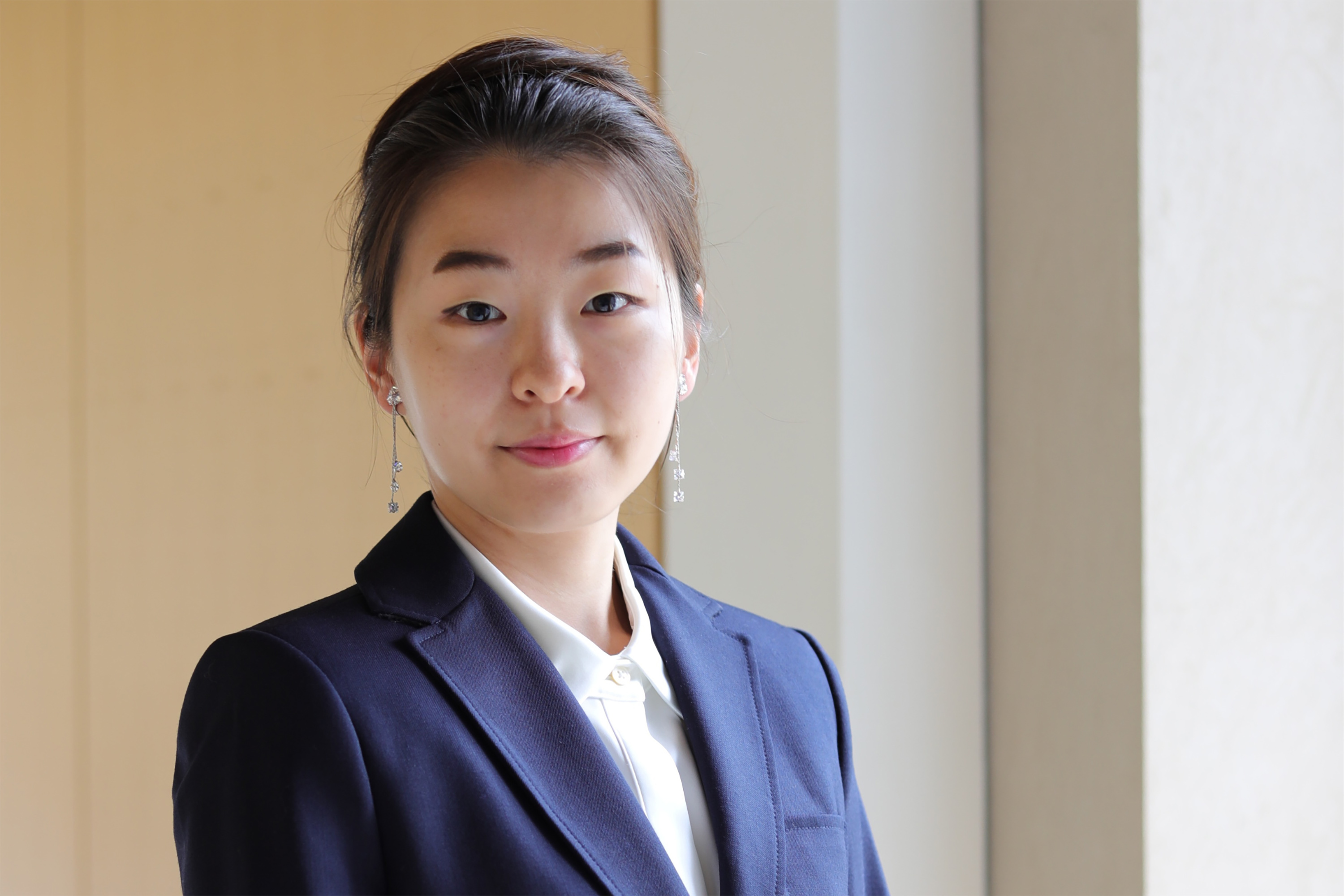
Dr. Dayoung Kim is an Assistant Professor in the Department of Engineering Education within the College of Engineering at Virginia Tech. She also serves as Director of the LABoratory for Innovative and REsponsible ENgineering workforce (LAB-IREEN), where she leads research on engineering practice, workforce development, and engineering ethics. Dr. Kim's educational background includes: Ph.D. in Engineering Education from Purdue University (2022) M.S. in Chemical Engineering from Purdue University (2021) B.S. in Chemical Engineering from Yonsei University in Seoul, South Korea (2017) Her research focuses on engineering practice and workforce development across various employment settings, including business organizations (e.g., startup companies) and government agencies. She investigates how emerging technologies like artificial intelligence and quantum technologies influence engineering practice and workforce needs. Dr. Kim also examines engineering ethics, social responsibility, and related policy concerns, with the overarching goal of identifying effective strategies to cultivate an innovative and responsible engineering workforce through educational initiatives and science & technology policy. Her work explores critical questions regarding essential engineering competencies, ethical design practices with emerging technologies, and strategies for fostering responsible engineering professionals. Dr. Kim's recent publications analyze trends in AI ethics policies, engineering students' career interests, and the intersection of lifelong learning with workforce development. Her research employs quantitative, qualitative, and mixed-methods approaches to address complex questions at the nexus of engineering practice, education, and policy. Dr. Kim has received numerous honors including: Honorable Mention Best Paper Award at IEEE-ETHICS 2023 Conference Apprentice Faculty Grant from ASEE's Educational Research and Methods Division (2023) +Policy Research Fellowship from Virginia Tech's Institute for Society, Culture, and Environment Christine Mirzayan Science & Technology Policy Graduate Fellowship from the National Academies (2022) College of Engineering Outstanding Graduate Student Research Award from Purdue University (2022) Dr. Kim serves as Principal Investigator on multiple significant research grants: National Science Foundation grant #2417377: 'Investigating the Impact of Scaffolded Ethics Autobiography on Engineering Identity and Students' Career Interests' National Science Foundation grant #2412398: 'Exploring How AI Engineers Perceive and Develop Translational Ethical Competency' (as Co-PI) National Science Foundation grant #2321188: 'Building Capacity for Research in Technology-Based Social Entrepreneurship Education for the Next Generation of Engineering Leaders' 4-VA grant: 'Fostering Regional Innovation Ecosystem in the State of Virginia' ISCE-PDA grant: 'Exploring AI Ethics Policy Concerns and Career Pathways of the AI Professionals' Dr. Kim leads the LAB-IREEN research group at Virginia Tech, which includes Ph.D. students Bailey McOwen, Emad Ali, and Arsalan Ashraf. The lab's mission is to conduct transformative research that guides the development of an innovative and responsible engineering workforce across diverse areas including technology entrepreneurship, engineering ethics, and the educational implications of emerging technologies.
Marie Paretti is a Professor of Engineering Education at Virginia Tech, directing the Virginia Tech Engineering Communications Center (VTECC). She holds a B.S. in Chemical Engineering (Virginia Tech, 1986), M.A. in English (Virginia Tech, 1990), and Ph.D. in English (University of Wisconsin-Madison, 1997). Her research focuses on engineering identity, communication/teamwork, design education, and diversity/inclusion. Notable awards include the NSF CAREER Award (2008) and the Nunnally Award for Outstanding Faculty (2015). Education: B.S., Chemical Engineering, Virginia Tech (1986) M.A., English, Virginia Tech (1990) Ph.D., English, University of Wisconsin-Madison (1997) Research Interests: Professional engineering identities, school-to-work transitions, communication/collaboration in engineering, design education, and inclusivity for underrepresented groups. Her work emphasizes creating inclusive environments through pedagogical innovation and empirical studies. Key Contributions: Developed the SHARE framework for secondary data analysis, studied capstone design pedagogy, and explored identity dynamics in engineering workplaces. Authored/co-authored over 50 peer-reviewed articles and secured multiple NSF grants. Awards: 2022 Ronald S. Bliq Award (IEEE) 2019 COE Dean’s Award for Excellence in Service 2008 NSF CAREER Award Teaching: Teaches courses on capstone design, engineering communication, and educational methodology. Her courses emphasize interdisciplinary collaboration and professional skill development. Labs/Teams: Leads the VTECC, focusing on advancing communication skills and professional development in engineering education.
Monika Bærøe Nerland is a Professor at the University of Oslo's Department of Education, affiliated with the Faculty of Educational Sciences. Her research focuses on knowledge practices in higher education and professional work, emphasizing digital transformation, professional learning, and workplace expertise. She leads major projects like CORPUS (examining digitization's impact on public services) and ProLed (studying professional learning in digital contexts). Nerland holds a Dr.polit (PhD) from the University of Oslo and a Cand. Musicae from the Norwegian Academy of Music, with extensive visiting researcher experience at institutions like UC Berkeley and Charles Sturt University. Education: Dr.polit (PhD), University of Oslo, Faculty of Education (2003) Cand. Musicae, Norwegian Academy of Music (1994) Research Interests: Knowledge practices in higher education and professional work Digitization's impact on professional work Collaborative practices across expert communities Professional learning trajectories Key Projects: Project Leader, CORPUS : Investigating digitization's consequences in public services (Research Council of Norway, VAM program) Project Leader, ProLed : Professional learning in digital transformation (Faculty of Educational Sciences, UiO) Coordinator, Master's specialization KULA (Knowledge development and learning in working life) Awards: H.M King of Norway's Gold Medal (2003-2004) Faculty of Educational Sciences' teaching award (2014) Emerald Literati Award (2018) for 'Shadow organizing: a metaphor to explore organizing as intra-relating' Teaching & Supervision: PhD courses in qualitative methodology ( UV9102A/B ) Master's courses PED4401 , PED4403 , and PED440 Supervises PhD/master students in higher education and workplace learning Labs/Teams: Leader of the HEDWORK research group (Higher Education and Work) Member of EARLI's TeaM-SIM Centre of Excellence
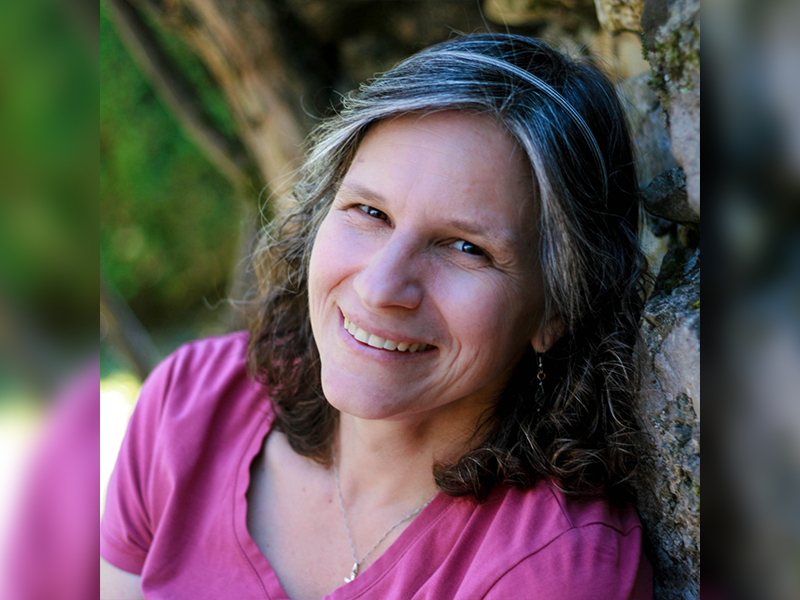
Leah LeFebvre is an Associate Professor in the Department of Communication Studies at the University of Alabama, part of the College of Communication & Information Sciences. Her research focuses on how emerging technologies shape romantic relationship initiation and dissolution, including studies on Tinder, ghosting, and digital memorialization. She also investigates narrative processes in relationships and pedagogical practices in communication education. LeFebvre holds a Ph.D. from the University of Texas at Austin, an M.A. from the University of Wisconsin-Milwaukee, and a B.S. from the University of Wisconsin-LaCrosse. Her interdisciplinary work combines qualitative and quantitative methods, often collaborating with students and international colleagues. Her research themes include mediated relationship dissolution, digital curation of relational memory, and communication pedagogy innovations. Notable trends in her publications emphasize technology's role in modern relationships, narrative analysis, and improving teaching practices in communication courses. LeFebvre’s work addresses challenges in public speaking education, such as video feedback interventions and nonverbal communication training. She actively critiques conventional teaching methods and advocates for evidence-based pedagogical strategies.
Ashish Agrawal is an Assistant Professor in the Dean’s Office of the College of Engineering Technology at Rochester Institute of Technology (RIT). His roles encompass curriculum development, academic leadership, and teaching core engineering technology courses. He currently teaches courses such as Circuits I, Engineering Special Topics, and oversees thesis projects in the MMSI program. Agrawal’s research focuses on transformative educational practices, including curriculum design, inclusive learning environments, and decolonization initiatives in engineering education. His work bridges disciplinary knowledge with societal needs, emphasizing global comparisons of educational outcomes and student development. His research interests highlight innovative approaches to engineering pedagogy, such as integrating sustainability into curricula and fostering diverse perspectives through community-driven projects. Notably, he has secured a grant addressing the green skills shortage in engineering education, reflecting his commitment to aligning technical training with ecological and social responsibilities. Agrawal’s scholarship explores student experiences across international contexts, examining how curricula shape disciplinary identity and professional aspirations. Recent publications emphasize comparative studies of engineering programs, decolonizing educational frameworks, and the role of lectures in student learning. His work often addresses systemic inequities by advocating for inclusive policies and mentorship programs. While no specific awards are cited, his contributions to engineering education reform and global academic collaborations demonstrate significant scholarly impact. Agrawal’s teaching extends to foundational courses like the College of Engineering Technology Exploration Seminar and Fundamentals of Engineering, which integrate hands-on learning and industry-relevant problem solving. His research and teaching jointly aim to prepare engineers who are technically proficient, socially aware, and culturally competent.
Michael Bamberg is a Professor of Psychology at Clark University, specializing in Discourse Analysis and Identity Construction. His research focuses on how narratives, particularly 'Small Stories,' serve as tools for sense-making and identity formation. He employs microanalytical approaches to study identity as an emergent process within social interactions. Dr. Bamberg holds a Ph.D. in Psychology from the University of California, Berkeley (1985), an M.Phil. in Linguistics from the University of York (1978), and a Staatsexamen from Universität Marburg (1975). His interdisciplinary work bridges psychology, linguistics, and sociology. His research explores narrative practices in diverse contexts, including crime and punishment, pandemic responses, and cultural narratives. Key themes include counter-narratives, agency, and the interplay between discourse and identity. Bamberg has contributed to methodological advancements in qualitative psychology, including narrative analysis and reporting standards for research. He was awarded the Fulbright Distinguished Chair Scholarship (2020) and has authored/co-authored influential works like The Cambridge Handbook of Identity . His grants and collaborations highlight his role in shaping narrative and discourse studies globally.
DeLean Tolbert Smith is an Associate Professor in the Department of Industrial and Manufacturing Systems Engineering at the University of Michigan-Dearborn, part of the College of Engineering and Computer Science. His research focuses on engineering education equity, particularly exploring the experiences of Black students and families in STEM fields. He holds a PhD in Engineering Education from Purdue University (2017), an M.S. in Industrial and Operations Engineering from the University of Michigan (2011), and a B.S. in Electrical Engineering from the University of Michigan-Dearborn (2010). His research interests include understanding how familial and community assets influence engineering engagement among youth, the role of mathematics in engineering problem-solving, and fostering inclusive design practices. He has conducted extensive studies on Black families' engineering practices and the impact of outreach programs on underrepresented groups. Recent work emphasizes socio-cultural factors in STEM retention Explores intersection of design thinking and equity Develops tools to assess systems thinking in engineering education Smith has secured multiple NSF grants including a CAREER award for investigating Black youths' engineering practices through museum and family learning contexts (2021-2026). His research also addresses ADHD accommodations in STEM classrooms and social engagement in engineering design. His publications span engineering education journals and conferences, with notable contributions to understanding identity formation in engineering students and the role of cultural wealth in academic success. He actively participates in ASEE and Frontiers in Education conferences, presenting innovative pedagogical frameworks.
Associate Professor Todor Marinov serves at the National Sports Academy Vasil Levski within the Faculty of Pedagogy's Department of Theory of Physical Education. Since 2016, he has held the rank of Associate Professor and currently acts as Deputy Dean. His responsibilities include coordinating educational processes and managing professional development for academic staff. His research focuses on physical education theory, sports training methodologies, and behavioral psychology in athletic contexts. Key areas include emotional intelligence development in sports professionals, motor skill acquisition across age groups, and conflict resolution strategies in educational settings. Publication trends show consistent focus on psychological aspects of sports performance, pedagogical methodologies, and physiological adaptations. Recent works emphasize emotional intelligence applications in sports education and biomechanical analyses of athletic performance. Authored monographs: Formation of Adequate Readiness in Students for Survival in Crisis Situations (2015) and Basics of Physical Education. Theory and Methodology (2020) Participated in international projects including MOVE (Movement Valorize Europe) and SEE - Countries for Integrity of Football Clubs As Head of multiple specializations for Physical Education teachers, he oversees curriculum development and accreditation processes. He maintains active participation in academic governance through membership in the PhD Program Council and Academic Council.
Kerstin Sophie Haring is an Assistant Professor in Computer Science at the Ritchie School of Engineering and Computer Science at the University of Denver. She directs the Human Robot Technology Lab , focusing on human-robot interaction (HRI), ethical AI, and socially contextual robot design. Her work integrates augmented reality, cultural perception studies, and healthcare robotics to advance user-centric robotics solutions. Dr. Haring’s research emphasizes Robot acceptance and trust mechanisms Ethical frameworks for companion robots Cross-cultural HRI studies Empathetic AI design AR/VR interfaces for autonomous systems Her interdisciplinary approach addresses challenges in long-term human-robot teaming , robot lifecycle management , and equity in neuroimaging research . She actively contributes to professional organizations like IEEE and collaborates with industry to bridge academic research with commercial applications. Her lab develops innovative systems like the Brush-E Bot (toothbrushing companion) and explores ethical AI training using virtual environments. Current projects investigate empathy neural mechanisms and abolitionist robotics principles to counteract systemic biases in technology.
Dr. Rebecca Callahan is a Professor of Educational Leadership and Policy Studies at the University of Vermont's College of Education and Social Services, where she also coordinates the Educational Leadership and Policy Studies doctoral and master's programs. Her work focuses on immigrant-origin and language minority adolescents' academic and civic trajectories, particularly regarding educational policy intersections with language and immigration policies. Education: Ph.D. and M.A. in Education, University of California, Davis Bilingual Cross-Cultural K-16 Teacher Certification, University of California, San Diego B.A. in Anthropology, University of California, San Diego Research Interests: Dr. Callahan investigates how school contexts, pedagogical practices, and policies influence immigrant youth's academic success and civic engagement. Current projects include an NSF-funded engineering education initiative for bilingual elementary students (DTEEL) and studies on ESL placement effects, bilingualism's role in college access, and political participation pathways for immigrant young adults. Recent Trends in Publications: Her recent work emphasizes equity in STEM pathways, postsecondary trajectories for 'ever-English learners,' and policy analysis linking educational and immigration frameworks. Research highlights include advanced math course-taking impacts on college enrollment and the civic development of Latiné youth amid anti-immigrant rhetoric. Awards: 2024 Outstanding Reviewer, Educational Evaluation and Policy Analysis 2020 Mid-Career Researcher Award, AERA Second Language SIG 2014 Reviewer Award, American Educational Research Journal Grants & Leadership: Leads NSF-DRK-12 project DTEEL (2015-2024), emphasizing engineering education for English learners. Her policy work includes analyzing ESSA implementation and state-level equity strategies for EL students. Serves as a policy advisor for organizations addressing immigrant youth education challenges. Labs/Teams: Collaborates with UVM's Collaborative Center on Disability and Community Inclusion and the Child Welfare Training Partnership. Active in interdisciplinary teams studying bilingual education effectiveness and civic engagement metrics for marginalized youth.
Maureen D. Neumann serves as Professor of Education in the Department of Education within the College of Education and Social Services at the University of Vermont. Her work focuses on transforming pedagogical practices to eliminate systemic disparities in mathematics performance and integrate technological innovations across K-12 classrooms through evidence-based teacher development. Her academic credentials include: Ph.D. in Curriculum and Instruction from University of Washington, Seattle M.S. in Applied Mathematics from University of Washington, Seattle M.S. in Mathematics from University of Massachusetts, Lowell Dr. Neumann's research centers on STEM education transformation , with particular expertise in computational thinking integration and gender equity in mathematics instruction . She advocates for developing teachers' deep content knowledge and pedagogical skills to create equitable learning environments. Her work bridges theoretical frameworks like TPACK with practical classroom applications, emphasizing how instructional changes manifest in real educational settings. Current projects explore generative AI's role in enhancing pedagogical practices through her Fulbright-funded research. Analysis of her 15 most recent publications reveals evolving research trajectories: recent work (2021-2024) prioritizes computational thinking applications in art/math integration and gender equity analysis, while earlier studies established foundations in teacher leadership knowledge and engineering education reform. The corpus demonstrates consistent interdisciplinary connections between computer science, mathematics education, and social justice frameworks. Her scholarly impact is recognized through: Fulbright Global Scholar Award for Computational Thinking and AI research CESS Innovation Grant driving licensure portfolio reforms that reduced student stress National Science Foundation grant for STEM curriculum alignment frameworks As an educator, Dr. Neumann mentors graduate students through courses including Dissertation Writing and Introduction to Qualitative Research. Her grant portfolio demonstrates strategic external funding acquisition, particularly the CESS Innovation Grant that directly improved teacher licensure processes. She actively collaborates on cross-institutional teams, notably the NSF-funded STEM curriculum project that influences statewide educational practices. While no dedicated laboratory is specified, she operates within collaborative research ecosystems including the Child Welfare Training Partnership and Center on Disability and Community Inclusion, applying her expertise to systemic educational challenges through team-based approaches.
Barbro Grevholm is a Professor in the Department of Mathematical Sciences at the University of Agder. Her work focuses on teacher education, mathematical problem-solving, concept development, and gender dynamics in mathematics education. She has extensively studied mathematics textbook usage and influence across Nordic and Baltic countries. Email: barbro.grevholm@uia.no Phone: +47 38142642 Mobile: +46702080579 Research Interests: Grevholm's research spans teacher education reform , textbook analysis , and gender equity in STEM . She investigates how metaphors shape professional identity and explores multicultural influences on mathematics instruction. Collaborations: She co-edited volumes with Springer and Cappelen Damm, contributed to international conferences (PME, NORMA), and led the Nordic Network for Research on Mathematics Textbooks (2011-2014). Recent trends in her work include EU-funded multicultural education projects , didactic traditions , and lifelong learning in teacher education . Advising: While specific advisees aren't listed, her mentorship appears in collaborative projects. She has developed inquiry-based models for pre-service teacher education and co-authored research with colleagues across Scandinavia and Europe.
Dr. Olivia da Costa Fialho is an Assistant Professor in Comparative Literature at Utrecht University and Senior Researcher in Empirical and Computational Literary Studies at the Huygens Institute/KNAW. Her work focuses on 'Transformative Reading,' exploring how literature alters perceptions of self and others through interdisciplinary methods combining phenomenology, cognitive science, and digital humanities. Education: BA in Letters (Federal University of Rio de Janeiro), MA in Applied Linguistics (Federal University of Rio de Janeiro), PhD in Comparative Literature (University of Alberta). Postdoctoral research at Utrecht University, University of Oslo, and Huygens ING/KNAW. Research: Over 15 years of grant-funded projects (e.g., NWO, ERC Advanced Grant 'MORE'), totaling €3.5M. Key contributions include the theoretical-empirical model of Transformative Reading and its application in education and medical ethics. Collaborates with interdisciplinary teams in computational studies, AI, and software engineering. Awards: ERC Advanced Grant (2022–2027), NWO grant (2014–2018). Societal impact includes workplace leadership training, school curricula (Transformative Literature Teaching), and medical ethics education programs.
Grace Augustine is a Senior Lecturer in Management Marketing, Business & Society at the University of Bath. She is affiliated with the Centre for Future of Work, Centre for Business, Organisations and Society (CBOS), and the Institute of Sustainability and Climate Change. Her research focuses on social movements, organizational behavior, and sustainability, particularly exploring the intersection of institutional dynamics and marginalized occupational groups. Augustine holds a Doctor of Social Science from Northwestern University (2019) and a Master of Social Science from the University of Oxford (2010). Her work addresses topics such as occupational stigma, sustainability field dynamics, and institutional opposition. A notable project, Fighting Back Occupational Stigma: Sub-postmasters and The Post Office Horizon Scandal , examines labor rights and institutional accountability. Augustine’s research has been published in leading journals like Administrative Science Quarterly and Work and Occupations , with a focus on qualitative transparency in organizational studies. Research Interests: Social Movements, Sustainable Development, Organizational Boundaries, Moral Mandates, Occupational Jurisdictions, and Institutional Change. Grants: British Academy-funded project (2023–2025) on Post Office Horizon Scandal. Lab/Affiliations: Active in CBOS and the Institute of Sustainability and Climate Change.