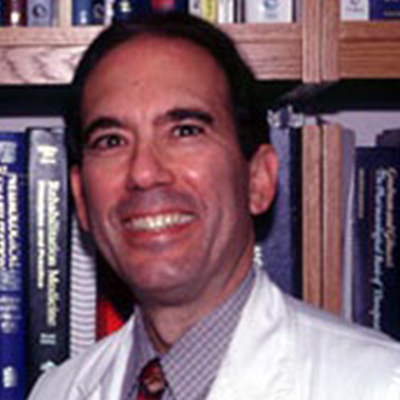
Bruce Dobkin, M.D. is a Professor of Neurology at the David Geffen School of Medicine, UCLA , and Director of the UCLA Neurological Rehabilitation and Research Program . He co-leads the UCLA Stroke Program and contributes to the UCLA Wireless Health Institute , Brain Research Institute , and CTSI (Clinical and Translational Science Institute). Research Focus: Neurorehabilitation, stroke recovery, spinal cord injury, neuroplasticity, wearable sensor technology, robotic-assisted rehabilitation. Awards: Honorary Fellow of the Royal College of Physicians (2005), multiple research awards including the Kenneth Viste Memorial Award and Furst von Donnersmarck Prize for lifetime achievement. Leadership: Editor-in-Chief of Neurorehabilitation and Neural Repair (since 2006), former Scientific Officer for Neural Repair at the Adelson Medical Research Foundation (2006–2009). Recent Publications highlight trends in sensor-integrated rehabilitation systems , plasticity assessment , stroke outcome metrics , and neurological applications of machine learning . His work bridges clinical trials , neuroimaging , and technology-driven rehabilitation . Scientific Awards & Leadership: Honorary Fellow, Royal College of Physicians, London (2005) Editor-in-Chief, Neurorehabilitation and Neural Repair (2006–present) Irwin Levy Lectureship (2006) Kenneth Viste Award (2006) International Furst von Donnersmarck Prize (2006) Grants & Collaborations: Directed NIH-funded trials like LEAPS and SIRRACT, focusing on locomotor training, wireless health, and stroke recovery across global populations. His lab develops sensor-based systems for real-time activity monitoring and outcome assessment.
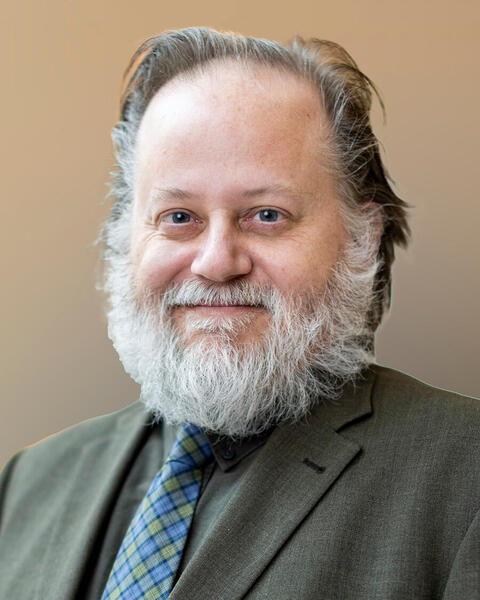
Steven E. Glynn is an Associate Professor in the Department of Biochemistry and Cell Biology at Stony Brook University . His research focuses on mitochondrial proteostasis, particularly the role of AAA+ proteases in maintaining mitochondrial function through ATP-dependent protein degradation. He investigates how these proteases select substrates from complex cellular environments and utilize nucleotide energy for conformational changes during proteolysis. Research Interests: Dr. Glynn's work lies at the intersection of mitochondrial biology and enzymology. His lab examines: Substrate recognition mechanisms in mitochondrial AAA+ proteases Structural dynamics of ATP-driven protein unfolding Regulation of mitochondrial proteome through proteostasis networks Implications in neurodegenerative diseases and metabolic disorders Publications reveal a consistent focus on protease mechanisms and mitochondrial function, spanning biochemical analysis, structural biology, and biomedical applications. His recent studies highlight the molecular basis of AFG3L2 protease activity and its relevance to human health.
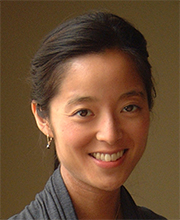
Jessica C. Seeliger is an Associate Professor in the Department of Pharmacological Sciences at Stony Brook University's Renaissance School of Medicine, with secondary appointments in the Department of Molecular Genetics and Microbiology and as Affiliated Faculty in the Department of Chemistry. Her laboratory focuses on understanding the molecular mechanisms of bacterial membrane biogenesis, particularly in Mycobacterium tuberculosis (Mtb), the causative agent of tuberculosis. Dr. Seeliger received her A.B. in Chemistry from Harvard University in 2000, her MPhil in Chemistry from the University of Cambridge in 2001, and her Ph.D. in Chemistry from Stanford University in 2007. She completed postdoctoral training with Carolyn Bertozzi at the University of California, Berkeley before establishing her independent research program at Stony Brook University in Fall 2010. Her research program investigates lipid membranes in bacterial pathogens, with particular emphasis on mycobacteria. The Seeliger lab applies biochemical, microbiological, and biophysical approaches to address fundamental questions about mycomembrane assembly, lipid transport mechanisms, and how these pathways contribute to bacterial growth, division, and virulence. They also develop chemical tools to study processes in the bacterial cell envelope specifically and accurately. Current research directions include understanding mycomembrane assembly mechanisms, investigating how membrane properties affect antibiotic susceptibility, and developing strategies to subvert lipid biosynthesis for antimicrobial therapy. Dr. Seeliger's research has been recognized with prestigious awards including the Robbee Baker Kosak Leadership Prize from the Hertz Foundation and NIH funding for the Chemical Biology Training Program which she co-directs. Her work has been supported by Stony Brook University, SUNY, the Stony-Wold Herbert Fund, the American Lung Association, the Burroughs Wellcome Fund, NSF, NIGMS, and NIAID. Dr. Seeliger is an active mentor who has guided numerous graduate students, postdoctoral researchers, and undergraduate trainees. Her lab has a collaborative environment with members possessing diverse expertise ranging from synthetic chemistry to biophysics to microbiology. The lab maintains active collaborations within and outside Stony Brook University, including international partnerships. The Seeliger lab operates from the Centers for Molecular Medicine at Stony Brook, with office space in room 448 and laboratory space in room 435. They welcome new members interested in exploring the intersection of chemistry and biology in the context of bacterial pathogenesis.
Professor Wenshan Guo is a distinguished academic at the University of Technology Sydney (UTS), serving as Professor in the School of Civil and Environmental Engineering. She is a core member of the Centre for Technology in Water and Wastewater at UTS, a leading research center in alternative water sources. With an extensive publication record including over 450 journal articles, 54 book chapters, and 6 books, Professor Guo has established herself as a world leader in innovative wastewater treatment technologies and sustainable water management. Professor Guo's educational background includes: PhD in Environmental Engineering from University of Technology Sydney (2005) BE (Hons 1) from Kunming University of Science and Technology, China (1997) Professor Guo's research focuses on cutting-edge water and wastewater engineering solutions, with particular expertise in membrane technologies, advanced biological wastewater treatment, physico-chemical separation technologies, solid waste management, and environmental assessment. Her current work explores green technologies for resource and energy recovery, waste-to-energy conversion, the water-waste-energy nexus, and climate change mitigation strategies. Her research has led to several patented technologies including GemFloc for enhancing biological water treatment, combined bio-sorbent for heavy metal removal, and novel osmosis membrane bioreactor systems. Professor Guo's extensive publication portfolio reveals strong trends in sustainable water treatment technologies, with particular emphasis on biochar applications, membrane bioreactor systems, and innovative approaches to wastewater treatment. Her recent work shows increasing focus on the integration of renewable energy with water treatment processes, antibiotic removal from wastewater, and the development of circular economy approaches to water resource management. The interdisciplinary nature of her research connects environmental engineering with materials science, microbiology, and sustainable energy systems. Professor Guo has received numerous prestigious awards recognizing her exceptional contributions to environmental science and engineering: 2022 Highly Cited Researcher in Biology/Biochemistry and Environment/Ecology (Clarivate Analytics) Winner of Excellence in Women in Research Award, Scopus Researcher of the Year Award 2022 Lifetime Achiever in Environmental Sciences and Top 40 Research Superstars in Australia (The Australian, 2020-2021) Professional Engineer of the Year 2021, Sydney Winner (Engineers Australia) Multiple Highly Cited Researcher awards (2019-2022) Outstanding Scientist Award of the Year 2019-2020 (International Bioprocessing Association) Professor Guo has successfully secured and led numerous significant research grants, including ARC Discovery Projects, ARC Linkage Projects, and National Centre of Excellence in Desalination funding. She has served as chief investigator and international partner investigator for projects totaling millions of dollars in research funding. Professor Guo is available for Masters Research or PhD student supervision and has likely mentored numerous graduate students throughout her career, though specific student names are not provided in the source material. As a core member of the Centre for Technology in Water and Wastewater at UTS, Professor Guo contributes to one of Australia's leading water research teams. Her work intersects with multiple research groups focusing on membrane technologies, advanced environmental bioprocesses, and sustainable water management solutions. She collaborates extensively with researchers both within UTS and internationally, particularly in China and Korea, reflecting the global significance of her work in addressing water security challenges.
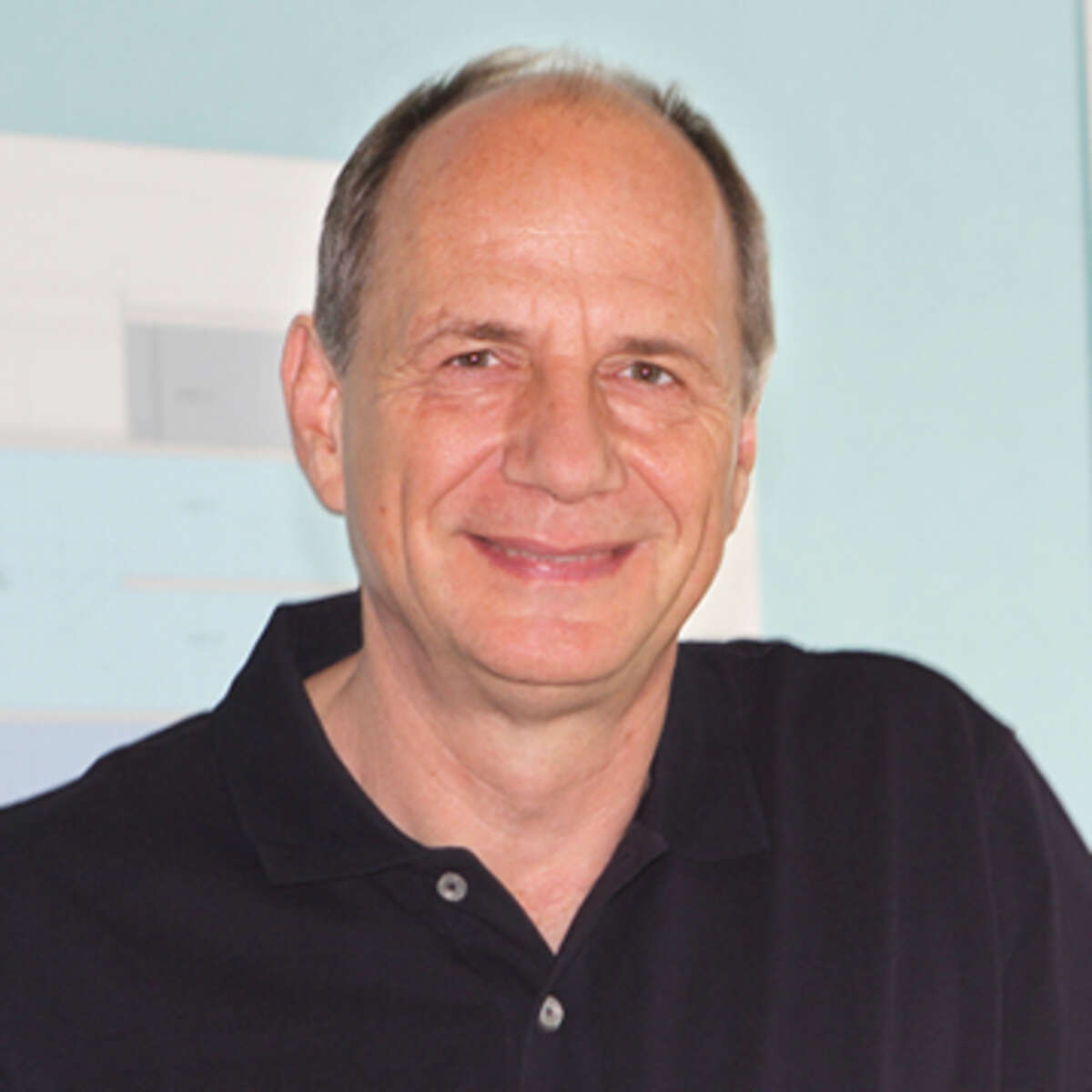
Frank Persson is an Associate Professor at Chalmers University of Technology, specializing in the Division of Water Environment Technology. His research focuses on nutrient removal from wastewater through biological treatment processes, emphasizing resource recovery and efficiency. By integrating molecular biology, ecology, and process engineering, his work addresses nitrogen removal via anaerobic ammonium oxidation (anammox) and microbial biofilm management in drinking water and marine environments. Research Themes: Nutrient recovery, anammox processes, biofilm dynamics, microbial community analysis. Collaborations: Chalmers Water Environment Technology, Novo Nordisk Fonden, Formas, Vetenskapsrådet (VR). Projects: Phage roles in bioreactors, sustainable wastewater treatment with bioelectrochemical systems, nitrous oxide emission reduction, and full-scale aerobic granular sludge implementation. His recent publications highlight the impact of organic carbon sources on biofilm reactor performance, microbial community stratification in subsea environments, and the application of biochar filters for contaminant removal. These studies reflect a multidisciplinary approach to advancing wastewater treatment technologies.
Wei hsiang Yang is an Associate Professor at Waseda University's Environmental Research Institute, Faculty of Science and Engineering. He has been with Waseda University since 2015, initially in the Faculty of Science and Engineering and since 2023 in the Environmental Research Institute. Dr. Yang holds a Doctor of Engineering and a Master of Engineering, both from Waseda University. Dr. Yang's research focuses on sustainable transportation technologies, with particular expertise in: Electric vehicles (buses, trucks, and other heavy-duty vehicles) Fuel cell vehicles and hybrid systems Environmental performance evaluation of alternative fuel vehicles Energy management and optimization for electric transportation Battery technology and thermal management systems His recent work has centered on optimizing speed patterns for electric buses to improve energy efficiency, developing prediction models for electric bus energy consumption, and studying fuel cell hybrid train systems. Dr. Yang's research demonstrates a strong emphasis on practical applications and real-world validation through extensive field testing, including long-term operation tests of electric buses on public roads in Nagano prefecture as part of a project organized by the Japan Ministry of the Environment from 2011 to 2014. Dr. Yang has received multiple awards for his research, including: Best Paper Award from the Society of Automotive Engineers of Japan Kanto Branch (2023) Best Paper Award from the Society of Automotive Engineers of Japan Kanto Branch (2017) Best Presentation Award from the Society of Automotive Engineers of Japan Kanto Branch (2014) Best Paper Award from the Society of Automotive Engineers of Japan Kanto Branch (2014) He has been actively involved in teaching graduate courses related to environment and energy engineering at Waseda University's Graduate School of Creative Science and Engineering and Graduate School of Environment and Energy Engineering. His research has been supported by projects such as "Performance Superior Domain Clarification of Various Electric drive Buses" funded by the Japan Society for the Promotion of Science.
Malcolm Clench is Professor of Mass Spectrometry in the Department of Biosciences and Chemistry at Sheffield Hallam University, where he has been a key figure since 2007. His work bridges analytical chemistry, biomedical research, and forensic science through advanced mass spectrometry imaging techniques. BSc(Hons) Applied Chemistry, Sheffield City Polytechnic (1977–1981) PhD in Peptide and Protein Sequencing by Fast Atom Bombardment Mass Spectrometry, Manchester Polytechnic/UMIST (1982–1985) His research focuses on the development and application of mass spectrometry imaging (MSI), particularly MALDI-MSI, for spatially resolved molecular analysis in diverse contexts. Key areas include biomedical imaging (cancer, brain lipids, drug distribution), forensic science (fingermark analysis, condom detection, blood identification), and plant biochemistry (herbicide translocation, nitrogen cycling). He also investigates pharmacokinetics and toxicology , using MSI to study drug metabolism and tissue responses. The recent publications highlight a strong trend toward clinical translation of MSI, with applications in malignant mesothelioma, lung imaging, and skin models. Innovations in sample preparation , ionization methods , and multimodal imaging demonstrate technical leadership. His work frequently involves collaborative, interdisciplinary teams and addresses both fundamental biochemical questions and practical diagnostic or forensic challenges. While no formal awards are listed, his sustained high-impact output in journals like Analytical Chemistry and PNAS indicates significant recognition in the field. Malcolm Clench has mentored or collaborated extensively with researchers such as Laura M. Cole, Simona Francese, and Sarah L. Haywood-Small. He has contributed to major projects in drug development , cancer research , and forensic methodology . His peer review activities for journals like Analytical Chemistry and Journal of the American Society for Mass Spectrometry reflect his role as a scientific gatekeeper. He leads or contributes to a dynamic research environment focused on pushing the boundaries of mass spectrometry imaging in both clinical and non-clinical settings, with ongoing work in 3D imaging, quantitative analysis, and novel matrix applications.
Stephan Grzesiek is a Professor of Biological NMR Spectroscopy at the Biozentrum, University of Basel, Switzerland. He leads a research group focused on the structural and dynamic characterization of biomolecules using nuclear magnetic resonance (NMR) spectroscopy. His work bridges physics, chemistry, and biology, with a strong emphasis on disease-relevant proteins such as GPCRs, kinases, and HIV-related receptors. Research Interests: His research centers on understanding biomolecular function through atomic-level insights into protein structure, dynamics, and interactions. He focuses on G-protein coupled receptors (e.g., β1-adrenergic receptor, CCR5), tyrosine kinases (e.g., Abl kinase), and membrane-associated signaling complexes. His group develops advanced NMR methodologies for studying unfolded states, hydrogen bonding, and allosteric regulation. Recent Research Trends: Analysis of his recent publications (2021–2025) reveals a strong focus on GPCR-arrestin interactions, kinase regulation mechanisms, and the structural basis of drug action. His work employs high-resolution NMR, often combined with Cryo-EM and biochemical assays, to dissect conformational dynamics, allosteric networks, and signal transduction pathways. Key themes include biased agonism, cholesterol modulation, and the molecular basis of drug inhibition in cancer and infectious disease. Scientific Awards & Recognitions: Laukien Prize (ENC) Fellow, International Society of Magnetic Resonance Honorary Member, National Magnetic Resonance Society of India Chair, Gordon Conference on Computational Aspects of Biomolecular NMR Member, Swiss National Research Council VP, International Society of Magnetic Resonance Advising and Grants: While specific students are not listed, his frequent co-authorship with junior researchers (e.g., Iva Petrovic, Luca Abiko, Sanjana Desai) suggests active mentorship. His research is likely supported by major Swiss and international grants, given the scale and impact of his work. He has led long-term projects on NMR method development and structural biology of signaling proteins. Labs and Teams: He leads a research group at the Biozentrum, University of Basel, integrating NMR spectroscopy, protein engineering, and biophysical analysis. His team collaborates widely with structural biologists and biochemists, contributing to high-impact studies on GPCRs and kinase regulation.
Professor Andy Philippides is a faculty member in the School of Engineering and Informatics at the University of Sussex, where he holds the title of Professor of Biorobotics (Informatics). He has been continuously affiliated with the university since 1995, progressing from an MSc and PhD student to a permanent academic, achieving full professorship in 2017. His work is deeply interdisciplinary, bridging robotics, neuroscience, and artificial intelligence. His research interests focus on the mechanisms of intelligent behavior through the interaction of body, brain, and environment. Key areas include visual navigation in insects and robots, neuromodulation in neural networks (e.g., GasNets), evolutionary robotics, and computer vision. He leads and contributes to high-impact projects such as Brains-on-Board, INSIGHT, and be.AI, funded by EPSRC, BBSRC, MRC, and the European Union. His recent publications (2022–2025) reflect a strong trend in bio-inspired algorithms, particularly in insect navigation, spiking neural networks, and adaptive robotics. These works span journals like PLoS Computational Biology , Frontiers in Physiology , and Biomimetics , emphasizing visual route learning, memory networks, and neuromorphic computing. He has supervised over 50 MSc theses and numerous PhD students, many of whom now hold academic or industry positions. His collaborations include prominent researchers such as Paul Graham, Phil Husbands, and Tom Collett. He is actively involved in grant-funded research, with current projects extending into 2028. Action-based bio-inspired autonomous navigation (Universities UK) Emergent embodied cognition in shallow neural networks (BBSRC) be.AI - biomimetic embodied Artificial Intelligence (Leverhulme Trust) ActiveAI - active learning and selective attention (EPSRC) He teaches courses such as Intelligence in Animals and Machines and Research Methods in Neuroscience, and has previously taught in computational neuroscience and robotics. His lab, part of the Centre for Computational Neuroscience and Robotics (CCNR), fosters interdisciplinary research in biorobotics and neural modelling.
Charles L. Howe, Ph.D., is a Professor of Neurology and Neuroscience at Mayo Clinic College of Medicine and Science in Rochester, Minnesota. He serves as Chair of the Division of Experimental Neurology, Director of Research at the Center for Multiple Sclerosis and Autoimmune Neurology, and Director of the Office of Core Shared Services. His primary appointment is in the Department of Neurology, with a joint appointment in the Department of Immunology. Professor of Neurology, Mayo Clinic Professor of Neuroscience, Mayo Clinic Chair, Division of Experimental Neurology Director, Office of Core Shared Services Director of Research, Center for Multiple Sclerosis and Autoimmune Neurology Dr. Howe holds a Ph.D. in Neuroscience from the University of California, San Francisco, and completed research fellowships at Stanford University Medical Center and Mayo Clinic. His research is centered on neuroimmunology, particularly the immune mechanisms underlying multiple sclerosis, epilepsy, neuromyelitis optica, and axonal injury. His lab employs advanced techniques including iPSC-derived neural models, immunophenotyping, and in vivo imaging to explore how neuroinflammation damages neurons and axons. The research of Dr. Howe spans several critical areas in translational neuroimmunology. His lab investigates how immune responses contribute to axon injury in multiple sclerosis, develops stem cell-based strategies for personalized therapies, and studies the role of inflammatory monocytes in antigen trafficking. Recent work focuses on epilepsy’s neuroinflammatory basis, astrocyte reactivity in NMO, and mechanisms of neural circuit disruption. His publications reveal a strong emphasis on CD8+ T cell-mediated axonal damage, patient-specific immune profiling, and novel neuroprotective interventions. Dr. Howe has been recognized with several honors, including being a Fellow of the American Neurological Association and a charter member of the NIH’s Clinical Neuroimmunology and Brain Tumors study section. He also serves on the editorial boards of Scientific Reports , Neurobiology of Disease , and Journal of Neuroinflammation . In 2023, he received a research award from the Minnesota Partnership for Biotechnology and Medical Genomics. Dr. Howe leads an active research program funded by the NIH and the National Multiple Sclerosis Society. He mentors junior scientists and collaborates extensively with clinicians such as Gregory A. Worrell, M.D., Ph.D., and Claudia F. Lucchinetti, M.D. His lab, the Translational Neuroimmunology Laboratory, is equipped with cutting-edge tools including 4D microscopy, flow cytometry, and genetically engineered mouse models. Dr. Howe’s work aims to translate mechanistic insights into therapies that preserve neural function in autoimmune and inflammatory neurological diseases. The Translational Neuroimmunology Lab at Mayo Clinic is a multidisciplinary research environment focused on understanding and modulating immune responses in the central nervous system. The lab integrates basic science with clinical applications, working closely with the Center for Multiple Sclerosis and Autoimmune Neurology and the Stem Cell and Organoid Core. Current projects include investigating the role of cytotoxic T cells in axon injury, developing human iPSC-based disease models, and exploring immune effectors in seizure generation. The lab fosters collaboration across immunology, neurology, and bioengineering disciplines to advance patient care.
Dr. Leonardo Jo is a postdoctoral researcher at Utrecht University's Plant Ecophysiology Group, focusing on gene regulatory mechanisms in plant development. He holds a PhD in Plant Biology from the University of California Davis, where his dissertation explored transcriptional networks controlling soybean seed development, and a Master's degree in Biotechnology from the University of Sao Paulo, Brazil. Current Researcher at Utrecht University (November 2021–Present) PhD in Plant Biology (2021), University of California Davis Ms.C. in Biotechnology (2012), University of Sao Paulo, Brazil BS in Biological Sciences (2008), University of Sao Paulo, Brazil Leonardo's research expertise spans Plant Development , Bioinformatics , and Mechanisms of Gene Regulation , with a focus on transcription networks and somatic embryogenesis. His work combines experimental and computational approaches to study gene regulation in plant development, particularly in soybean seed biology and Brazilian pine somatic embryogenesis. His publication record includes studies on proteomic analysis, polyamines, and reactive oxygen species in Brazilian pine embryogenic cultures, comparative transcriptomics in pine embryos, and combinatorial interactions of transcription factors in soybean seed development. He has presented at international conferences such as the Plant Biology Retreat, American Society of Plant Biologists Meeting, and Plant and Animal Genomes. CNPq - National Council for Scientific and Technological Development (Brazil) grant (2007-2009) CAPES grant for graduate studies in Brazil (2009-2011) LASPAU Science without Borders program (2014-2018) Elsie Taylor Stocking Memorial Fellowship (2017-18) Professors for the Future Fellowship, UC Davis (2018-2019) Walter R. and Roselinde H. Russell Fellowship (2019-2020) Student Travel Grants and Best Poster Award (2011-2018) As an educator, Leonardo served as Main Lecturer for UC Davis courses on plant development and professional English presentations and has held teaching assistant roles for plant physiology and genetic engineering courses. He is actively involved in the Kajala Lab at Utrecht University, where he investigates gene regulatory networks in plant development under fluctuating environments, supported by NWO grant VI.Vidi.193.104.
Professor Tughrul Arslan holds the Chair of Integrated Electronic Systems at the School of Engineering, University of Edinburgh . He leads the Embedded Wireless and Wearable Sensor Systems (EWireless) Group and co-founded sensewhere Ltd. and Sofant Technologies . His research spans reconfigurable architectures, low-power wireless systems, and biomedical RF sensing. Academic Background: BEng and PhD in Electronics Professional Affiliations: Senior Member IEEE, Fellow IET, Chartered Engineer His work focuses on smart wearable devices , indoor positioning systems , and AI-driven healthcare monitoring . Recent publications emphasize microwave imaging for dementia detection , edge AI accelerators , and non-invasive tremor monitoring . Key contributions include patented technologies like the Reconfigurable Instruction Cell Architecture (RICA) . Award-winning academic, he has supervised over 40 PhD students and authored 400+ peer-reviewed papers. His external roles include Chief Technology Officer at sensewhere , driving commercialization of indoor navigation solutions.
Dr. Prashanth Asuri is a Professor in the Department of Bioengineering at Santa Clara University's School of Engineering, where he has been teaching and researching since Fall 2011. His work focuses on developing biomaterial-based in vitro platforms to understand complex in vivo phenomena, combining biomaterials engineering, nanotechnology, and biology. Ph.D. in Chemical and Biological Engineering, Rensselaer Polytechnic Institute M.B.A. in Leading Innovative Organizations, Santa Clara University Research interests include hydrogel-based toxicity assessment, macromolecular crowding effects, and mechanical property optimization of nanocomposites. He has published over 50 scholarly works and teaches courses ranging from biomaterials science to healthcare marketing. Awards: Brutocao Family Foundation Award for Curriculum Innovation (2022) President’s Special Recognition Award (2019) School of Engineering Teaching Excellence Award (2018) School of Engineering Researcher of the Year (2016) As Director of the School of Engineering's Healthcare Innovation and Design Program, he bridges academic research with industry applications. His publications reveal sustained contributions to biomaterials engineering, nanoparticle toxicity, and mechanobiology.
Tooran Emami is a tenured full professor of Electrical Engineering in the Department of Electrical Engineering and Computing at the U.S. Coast Guard Academy (USCGA). She joined USCGA as a Tenure Track Assistant Professor in July 2011, advanced to Tenured Associate Professor in August 2017, and currently serves as a Tenured Professor since August 2023. Prior to USCGA, she was an adjunct faculty member at Wichita State University for three semesters. Ph.D., Electrical Engineering, Wichita State University M.S., Electrical Engineering, Wichita State University Dr. Emami's research focuses on control systems, with expertise in Proportional-Integral-Derivative (PID) controller design, robust control, time-delay systems, compensator design, analog and digital filter design, and hybrid fuel cell power plant design. Her work bridges theoretical control engineering with practical applications in energy systems, particularly fuel cells and renewable energy integration. She has made significant contributions to engineering pedagogy, developing innovative teaching methods for hybrid and virtual learning environments. Analysis of Dr. Emami's recent publications reveals a strong focus on PID controller design methodologies, particularly for systems with time delays. Her work increasingly integrates renewable energy systems, with numerous publications on hybrid fuel cell, solar, and battery systems. She maintains a dual focus on theoretical control systems and practical engineering education, with several publications addressing project-based learning approaches in electrical engineering education. Center for Advanced Study Summer Fellowship Award (2012) Spirit of The Bear Award (2016) Outstanding Doctoral Dissertation Award at Wichita State University Student Paper Award from Engineering Physics and Physics Division (2022) Multiple Best Paper and Student Paper Awards at ASEE conferences Dr. Emami serves as Lead Advisor for Electrical Engineering and Cyber Systems Majors and Advisor for Electrical Engineering Senior Capstone Projects. She has held numerous leadership positions including Interim Program Chair of Electrical Engineering, ASEE Electrical and Computer Engineering Division Program Chair, and Faculty Senate Vice President. Her service extends to conference organization, where she has served as Session Chair, Program Committee member, and Scientific Committee member at national and international conferences. She previously served as Ph.D. Student Dissertation Co-Adviser and Master Student Theses Co-Adviser at Wichita State University. Dr. Emami actively participates in professional organizations as a Senior Member of IEEE and member of IEEE Control System Society and American Society for Engineering Education. Her leadership roles in ASEE include serving as Electrical and Computer Engineering Division Vice Chair, Engineering Physics and Physics Division Program Chair, and Ocean Engineering Division Publication Chair. She has contributed to numerous conference committees and served as an advisor for Lockheed Martin Ethics in Engineering Case Competitions.
Dr. Wendy Liermann is a researcher at the Research Institute for Farm Animal Biology (FBN), focusing on metabolic health in farm animals. Her work primarily investigates gastrointestinal physiology, immune system development, and nutritional programming effects in neonatal calves and poultry. Key affiliations: Research Institute for Farm Animal Biology (FBN), Leibniz Association Research areas: Maternal nutrition, intestinal mucosa transcriptomics, fatty acid supplementation, microbiome-immune interactions Recent research highlights include studies on Cryptosporidium parvum infections in calves, colostrum quality, and feed processing techniques in broilers. She frequently collaborates with Harald Michael Hammon and other veterinary scientists. Publications span 2017-2024 Active in experimental animal facilities Her work contributes to neonatal calf nutrition, antimicrobial resistance research, and optimized feeding strategies for poultry.