
Russell Cropanzano is a Professor at the Leeds School of Business , University of Colorado, holding the Ted G. Anderson Professorship of Free Enterprise and Dean’s Faculty Fellow titles. His research focuses on organizational behavior , particularly workplace emotion, employee mental health, and perceptions of organizational justice with an emphasis on evolving employment relationships. PhD in Industrial-Organizational Psychology, Purdue University MA in Social-Organizational Psychology, Southern Methodist University He has received multiple scholarly awards, including best paper recognitions from journals like Consulting Psychology Journal and Journal of Management . A Fellow in multiple academic associations, he previously served as Editor of the Journal of Management . His career spans faculty roles at Colorado State University (1988-2002) and University of Arizona (2002-2012). 1998 Book Award - International Association of Conflict Management 2000 Outstanding Paper Award - Consulting Psychology Journal 2007 Best Paper Award - Academy of Management Perspectives 2010 Best Paper Award - Journal of Management
جستجوی استاد راهنمای دانشگاهی
برای مسیر پژوهشیتان، استاد راهنما، استاد دانشگاه و پژوهشگر مناسب را پیدا کنید و با آنها ارتباط بگیرید.
نمایش ۱-۱۵ از ۸۹۸ استاد راهنما
اطلاعات پروفایلها از صفحات عمومی دانشگاهها گرفته شده و ممکن است بهروز نباشد.

Soroush Saghafian is an Associate Professor of Public Policy at Harvard Kennedy School, specializing in applying operations research and machine learning to address public health challenges. He leads the Public Impact Analytics Science Lab (PIAS-Lab), focusing on analytics-driven solutions for societal problems. His research spans healthcare delivery optimization, emergency department efficiency, and public health policy. Notable collaborations include Massachusetts General Hospital and Harvard's Center for Health Decision Science. Awards include the INFORMS MSOM Responsible Research Award and the Pierskalla Award for healthcare research. Recent work includes studies on hospital closures' impacts, predictive analytics for bipolar disorder using Fitbit data, and policy implications of race in disease risk models. He teaches courses on machine learning and big data for public impact.
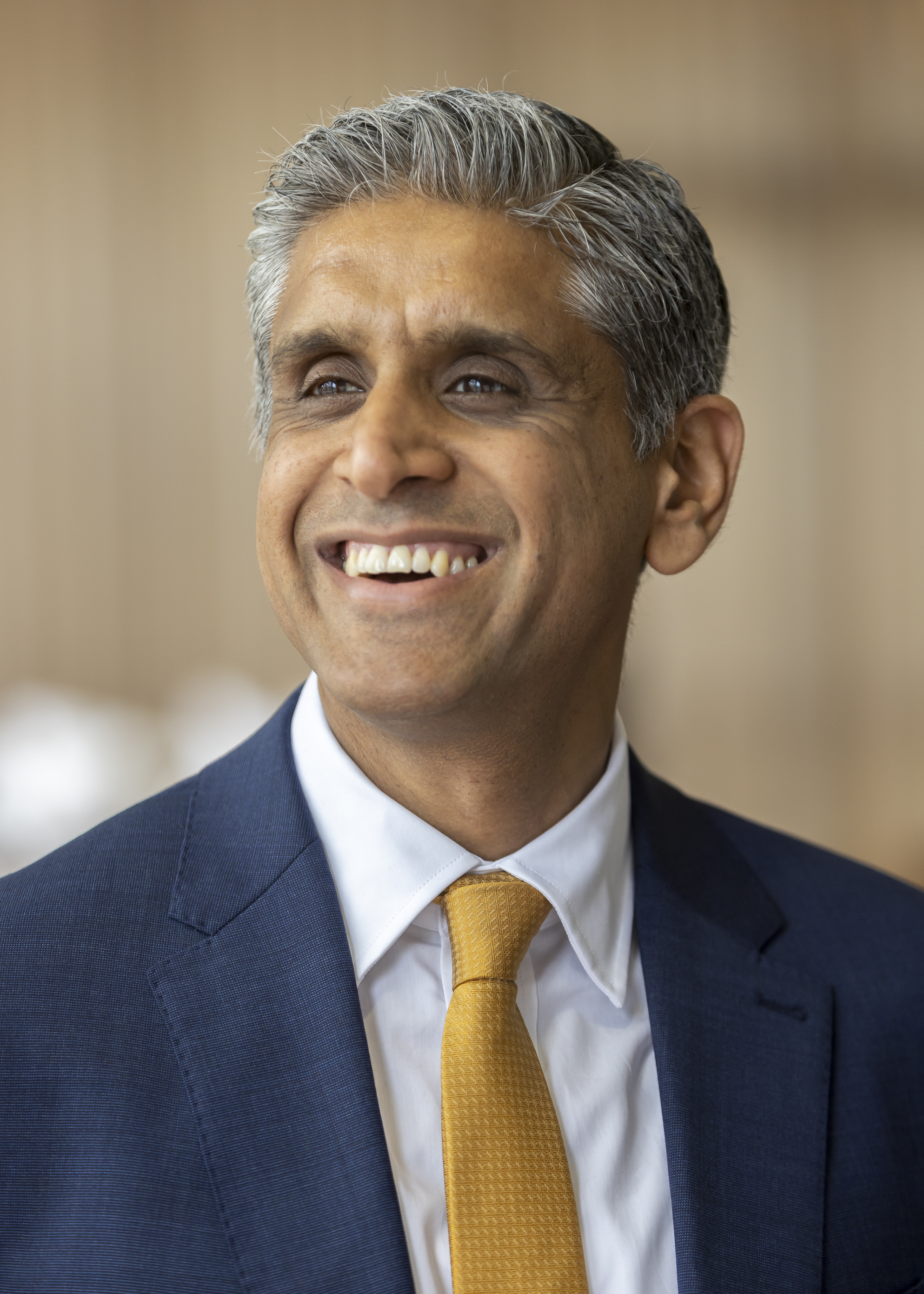
Vishal Ahujaمشاهده پروفایل
دانشیار
Vishal Ahuja is an Associate Professor and Corrigan Research Professor at Southern Methodist University's Cox School of Business, with adjunct faculty status at University of Texas Southwestern Medical Center. He focuses on decision analytic tools for healthcare improvement through operations management. PhD, University of Chicago Booth School of Business MBA, University of Chicago Booth School of Business His research interests span healthcare operations, service optimization, and AI applications in clinical decision-making. He collaborates with the Department of Veterans Affairs, Parkland Hospital, and pediatric institutions to address care quality and delivery efficiency. Recent publications emphasize predictive modeling for chronic disease management, adaptive clinical trial design, and regulatory healthcare policy. Awards include the Dlin/Fischer Clinical Research Award (2021), INFORMS Pierskalla Award (2012), and 2025 AI75 recognition for Dallas-Fort Worth AI leadership. D CEO Excellence in Healthcare Award - Outstanding Healthcare Innovator (2023) NSF Game Changer Academies for Advancing Research Innovation (2022) C. Jackson Grayson Faculty Innovation Award (2022-23) At SMU, he teaches graduate courses in operations, supply chain, and service management, integrating corporate sector experience from chemical and consumer goods industries. His work has been cited by the FDA in safety labeling changes workshops.

Kenneth Rice is a Professor and holds the Ken and Mary Matheny Endowed Professorship in the Department of Counseling and Psychological Services at Georgia State University's College of Education & Human Development. He co-directs the Ken Matheny Center for the Study of Stress, Trauma, and Resilience. His research focuses on perfectionism, stress management, and psychological resilience, with studies addressing diverse populations such as STEM students, international students, and adult learners in literacy programs. He has held faculty positions at Penn State, Purdue, Michigan State, and the University of Florida. Education: B.S. with High Honors in Psychology, University of Florida (1986) Ph.D. in Counseling Psychology, University of Notre Dame (1990) His research explores how personal traits (e.g., perfectionism), emotion regulation, and relational factors influence health, mental health, and academic/work outcomes. He has developed psychometric tools for use in educational and clinical settings. His work emphasizes underrepresented groups and cross-cultural comparisons, such as sociodemographic factors impacting stress during the pandemic. Publications span journals like Journal of Counseling Psychology , Journal of Personality Assessment , and Psychotherapy . He is a Fellow of the American Psychological Association. His lab, the Personality, Stress and Adjustment Lab, investigates adaptive and maladaptive responses to stress. Collaborations include the Ken Matheny Center, focusing on trauma and resilience interventions.
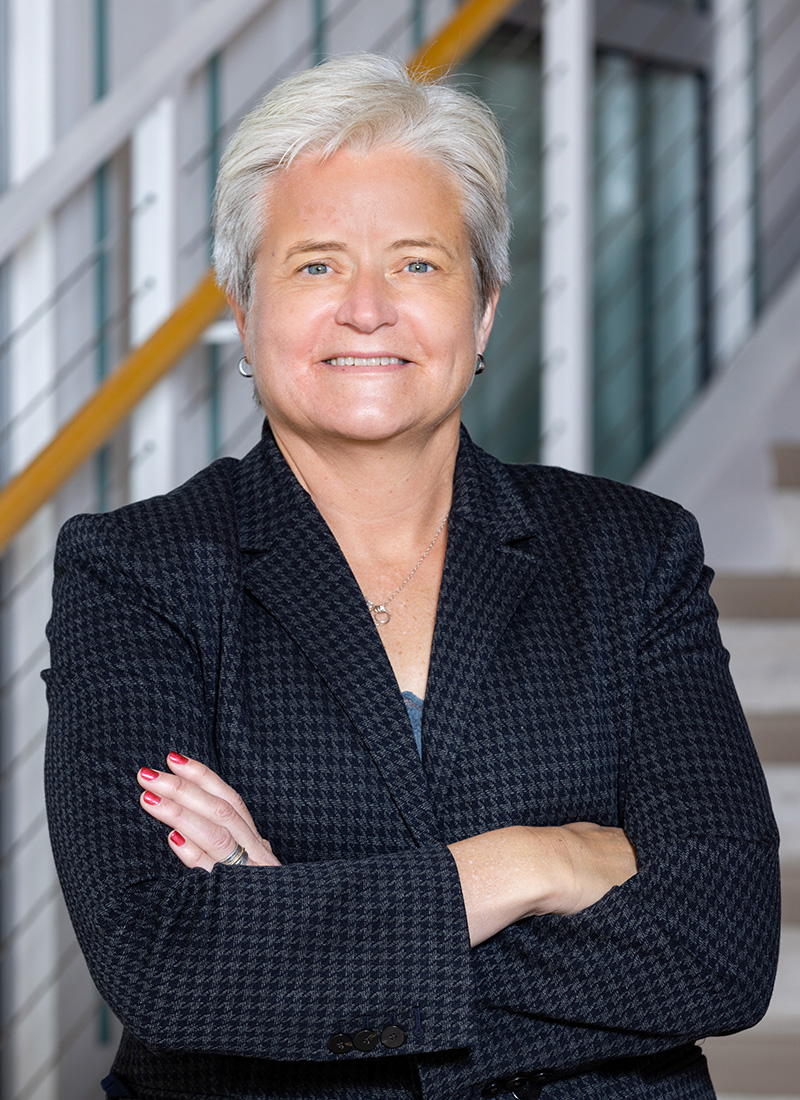
Nancy E. Glass, PhD, MPH, MS, RN, FAAN, is a Professor and Associate Director of the Johns Hopkins Center for Global Health, while holding the Independence Chair in Nursing Education at the Johns Hopkins School of Nursing. She specializes in clinical and community-based intervention research targeting gender-based violence (GBV) and health equity globally. Global Health Expertise: Focuses on improving safety and economic security for women in humanitarian settings, particularly addressing GBV in Somalia, South Sudan, and Kenya. Technological Innovation: Develops mHealth tools like the MyPlan app for abuse intervention and collaborates on ASIST-GBV screening methods. Research Focus: Dr. Glass leads federally funded projects (NICHD, NIMHD, CDC, etc.) to challenge social norms sustaining violence against women and enhance healthcare systems' responses to GBV through partnerships and mHealth technologies. Scientific Awards: 2017 Independence Chair in Nursing Education 2015 Edith Moore Copeland Award 2014 PathPaver Award 2009 Fellow, American Academy of Nursing 2007 Linda Saltzman New Investigator Award Dr. Glass mentors colleagues and students globally, partnering with community organizations and experts to address health, safety, and economic disparities for women and families.
- Community Disparities
- Equity
- Global Health
- +۷ مورد دیگر
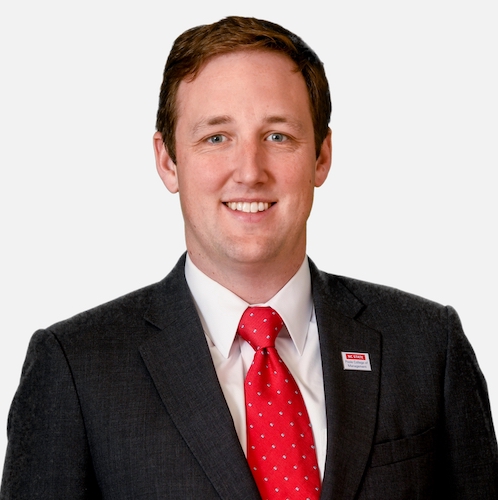
Patrick Flynnمشاهده پروفایل
استادیار
Patrick Flynn is the Matthew and Soogi Hong Fellow and Assistant Professor of Management at North Carolina State University's Poole College of Management, Department of Management, Innovation & Entrepreneurship. He holds a Ph.D. in Organizational Behavior and Human Resources from the University of South Carolina and a B.S. in Supply Chain Management from the University of Maryland. His research focuses on dynamic individual and group processes, including event-based adaptation, team citizenship behaviors, and resilience. He teaches courses in people analytics, management consulting practicum, and leadership consulting. Dr. Flynn’s work has been published in top journals such as Journal of Management , Journal of Applied Psychology , and Annual Review of Organizational Psychology . He serves on the editorial board of Group & Organization Management . His research explores transitions, sustainability, and organizational change, with media features in CNBC, MSN, and the Raleigh News & Observer . His academic contributions emphasize practical applications of organizational behavior theories, particularly in post-pandemic workplace dynamics, remote work adaptations, and employee well-being strategies. His recent work addresses collective turnover, trust dynamics, and proactive sustainability approaches in volatile environments.

Sanford E. DeVoe is a Professor of Management and Organizations at UCLA Anderson School of Management. He currently serves as Senior Associate Dean of MBA Programs and teaches leadership foundations to Full-Time, Fully Employed, and Executive MBA students. Ph.D. in Organizational Behavior, Stanford University (2007) B.A. in Psychology with High Honors, Swarthmore College (2000) DeVoe's research explores the psychological impacts of monetizing time, including trade-offs between time and money, workplace stress, and societal well-being. His work uses experimental and survey methods to analyze how organizations can improve quality of life through behavioral interventions. His recent scholarly trends examine temporal psychology in organizational contexts, financial impatience, and stressor mitigation in service industries. Articles span behavioral economics, consumer culture analysis, and time-use optimization. Excellence in Teaching award (6 times) Dean’s Award for Excellence in Research (2011, Rotman School of Management) Featured in top media outlets like New York Times , Economist , and Wall Street Journal DeVoe has served as Senior Editor at Organization Science and sits on editorial boards of leading management journals. He actively bridges academic research with public discourse through media engagements and advisory roles.

Daniela Goya-Tocchetto is an Assistant Professor of Organization and Human Resources at the School of Management, University at Buffalo. Her research focuses on inequality perceptions, meritocracy beliefs, social class/racial biases, and moral/political decision-making. She holds a PhD from Duke University's Fuqua School of Business and multiple advanced degrees from the Federal University of Rio Grande do Sul and the London School of Economics. Her work bridges social psychology and organizational behavior, addressing topics like system justification theory, partisan polarization, and interventions to reduce antidemocratic attitudes. Recent studies include analyzing income inequality perceptions and the Andrew Carnegie effect on wealth allocation. She has been recognized with the NTR-IACM Early Career Scholars Program (2022–24) and a Best Paper award at the 2022 Academy of Management Meeting. Professionally, she advises CLOO Behavioral Insights Unit on organizational behavior projects in Brazil and Portugal. Her research is published in journals like Science , Nature Communications , and Journal of Experimental Social Psychology .
Betsey Stevenson is a Professor of Economics (Courtesy) and Professor of Public Policy at the University of Michigan. She holds affiliations with the National Bureau of Economic Research (NBER), Centre for Economic Policy Research (CEPR), and Ifo Institute for Economic Research. Her research focuses on labor markets, public policy, and the intersection of family dynamics with economic forces. She served as a member of President Obama's Council of Economic Advisers (2013-2015), Chief Economist of the U.S. Department of Labor (2010-2011), and on the Biden-Harris Transition team. Education: B.A. in Economics and Mathematics from Wellesley College; M.A. and Ph.D. in Economics from Harvard University. Research interests include women's labor market experiences, family economics, and policy impacts on employment and well-being. Notable contributions include analyses of the gender pay gap, Title IX's effects on sports participation, and the economic consequences of divorce laws. She co-hosts the podcast Think Like an Economist and co-authored a Principles of Economics textbook. Scientific Awards: Elected member of the National Academy of Social Insurance; Research Fellowships at NBER, CEPR, and Ifo Institute. Grants and Advising: Extensive policy advisory roles, including contributions to U.S. Treasury policy development. Her work frequently appears in major media outlets. Labs/Teams: Collaborates with interdisciplinary teams at the University of Michigan and national research institutions.
Ephrat Livne-Oferمشاهده پروفایل
استاد مدعو
Ephrat Livne-Ofer is an Adjunct Professor in the Department of Management and Organizations at the Leonard N. Stern School of Business, New York University, a position she has held since January 2017. She teaches courses at both undergraduate and graduate levels, including Leadership and Management and Organizations. Education: PhD in Management, The London School of Economics and Political Science, 2015 MSc in Employment Relations and Organizational Behavior, The London School of Economics and Political Science, 2008 MBA, Tel-Aviv University, 2005 BA and BSc, Tel-Aviv University, 2002 Her research focuses on the employee-organization relationship, particularly on perceptions of workplace exploitation and their consequences. She has developed a validated scale to measure employee perceptions of exploitation and has demonstrated its negative impact on organizational outcomes and individual well-being. Her work also explores how personality traits influence helping behaviors in organizations. Using both quantitative and qualitative methods, her research contributes to organizational behavior, human resource management, and business ethics. The 15 most recent articles reflect a strong focus on organizational behavior, with recurring themes in workplace exploitation, employee trust, personality influences, and leadership ethics. The keywords span management, psychology, human resources, and ethics, while sub-fields include psychological contracts, organizational justice, prosocial behavior, and ethical leadership. Her publications appear in top-tier journals such as the Academy of Management Journal and Journal of Organizational Behavior . Scientific Service and Engagement: Reviewer, Journal of Organizational Behavior Reviewer, Journal of Business Ethics Reviewer, European Management Review She advises on organizational behavior topics and contributes to academic discourse through peer review and publication. Though no formal grants or student advisees are listed, her scholarly contributions indicate active engagement in research and teaching. She is affiliated with NYU Stern’s academic community and contributes to leadership and management education. Professor Livne-Ofer is involved in research teams focused on organizational behavior and ethics. Her work is often collaborative, involving interdisciplinary approaches to understanding workplace dynamics. She is likely part of research groups examining psychological contracts, employee well-being, and ethical leadership within academic and applied settings.

Brandon L. Velez is an Associate Professor of Counseling Psychology at the Graduate School of Education, Health & Psychology at Teachers College, Columbia University. His research examines the intersections of oppression and collective identity with mental health and career outcomes for sexual, gender, and racial/ethnic minority populations. He is affiliated with the Counseling & Clinical Psychology department and leads the Stigma, Identity, and Intersectionality Research Team. Ph.D. in Counseling Psychology, University of Florida, 2014 Predoctoral Internship, Georgia Institute of Technology Counseling Center, 2014 M.S. in Psychology, University of Florida, 2011 B.S. in Psychology (summa cum laude), B.A. in Religion (cum laude), Minor in Anthropology, University of Florida, 2009 Dr. Velez’s work focuses on minority stress , intersectionality , and the well-being of multiply marginalized groups, including LGBTQ+ people of color, transgender individuals, and women of color. His studies explore how systemic discrimination and coping strategies influence mental health , body image , and career development , often integrating theories like objectification and work adjustment. His recent publications analyze: Protective effects of womanist attitudes on women of color Minority stress in transgender communities and bisexual women Applications of work theory to racial and sexual minorities Resilience mechanisms against systemic oppression Scientific honors include graduating summa cum laude (B.S.) and cum laude (B.A.) from the University of Florida. He does not currently advise new Ph.D. students for the Fall 2025 cohort.
Dr. Thomas W. Britt is a Professor of Psychology at Clemson University and Editor-in-Chief of Military Psychology. He holds a Ph.D. from the University of Florida (1994) and has served in the U.S. Army, including active duty at Walter Reed Army Institute of Research and current service in the Army Reserves at the U.S. Army War College. His research focuses on employee resilience in high-stress occupations, mental health treatment-seeking barriers, and occupational health interventions. Key areas include resilience among military personnel, healthcare workers, and first responders. Britt has authored over 100 peer-reviewed articles and multiple books, with funding from the Department of Defense and Intelligence Community. Education: Ph.D. Social Psychology, University of Florida (1994) M.A. General Psychology, Wake Forest University (1990) B.A. General Psychology, College of William and Mary (1988) Research Interests: Britt investigates factors promoting resilience in high-risk occupations, such as meaningful work, leadership support, and psychological hope. His work on healthcare workers during the pandemic examines fatigue and burnout using actigraphy. He also studies stigma-related barriers to mental health treatment in military and college student populations. A landmark 2010 DoD grant supported unit-level training to improve mental health treatment climates. Awards & Honors: 2023 Clemson University School of Health Research Fellowship 2014 APA Division 19 Fellowship 2015-2018 Trevillian Distinguished Professorship Grants & Interventions: Developed evidence-based LINKS training to reduce stigma around mental health treatment in military units. Collaborates on interventions for emergency medicine fatigue and physician well-being. His research has influenced Army return-to-duty protocols for injured soldiers. Labs & Collaborations: Part of interdisciplinary teams addressing pandemic healthcare worker strain and astronaut resilience in long-duration space missions. Active in multi-university studies on workaholism and economic resource impacts on family outcomes.

Kandi J. Wiensمشاهده پروفایل
پژوهشگر ارشد
Dr. Kandi J. Wiens is a Senior Fellow and Co-Director of the Penn Master’s in Medical Education Program and the Penn Health Professions Education Certificate Program at the University of Pennsylvania’s Graduate School of Education. She also serves as Academic Director of the PennCLO Executive Doctoral Program. Her expertise spans burnout prevention, emotional intelligence, and organizational development, with a focus on helping leaders and professionals build resilience through EI-based strategies. Wiens holds an EdD from the University of Pennsylvania, an MBA from the University of Oregon, and a B.S. in Business Administration from Montana State University. Her research includes longitudinal studies on burnout among police leaders and healthcare professionals, as well as interventions to mitigate stress through emotional intelligence training. Wiens is a nationally recognized speaker and author of the USA Today bestseller Burnout Immunity , which explores how EI skills can protect individuals from burnout. She has designed over 2,000 leadership development programs and contributed to prominent publications like the Harvard Business Review. Education: EdD (University of Pennsylvania), MBA (University of Oregon), B.S. (Montana State University) Awards: Thinkers50 Radar 2024, Triple Distinctions from UPenn Key Projects: Leadership coaching for Police Executive Leadership Institute (since 2017), LA Police Department burnout study Wiens’ work bridges academic research and practical application, aiming to transform organizational cultures and individual resilience through evidence-based strategies.
Laura Wernickمشاهده پروفایل
دانشیار
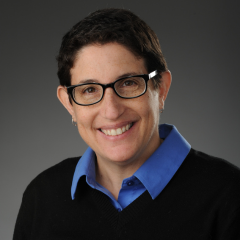
Laura Wernick is an Associate Professor at Fordham University's Graduate School of Social Service. Her academic background includes a PhD and MA from the University of Michigan, an MSW and MPA from Columbia University, and a BA from UC Berkeley. Dr. Wernick specializes in transformative community organizing models addressing intersectional power dynamics, with a focus on LGBTQ+ youth, domestic worker movements, and disability justice. She employs participatory action research methods to co-create solutions with marginalized communities. Her research explores how organizing models combat ableism, white supremacy in academia, and systemic oppression. Notable areas include youth-led advocacy, wealth mobilization for social justice, and employer-employee dynamics among domestic workers. Dr. Wernick's work bridges theory and practice through youth-adult partnerships and institutional reform initiatives. She maintains an active blog and public scholarship presence at www.laurawernick.com . Recent scholarship highlights include dismantling ableism in social work education and analyzing pandemic-related stigma. Her 2024 publications emphasize disability justice pedagogy and intersectional approaches to youth organizing. Methodologically, she advocates for participatory action research that disrupts traditional academic hierarchies. Leveraging over 20 years of practice experience, Dr. Wernick collaborates with community organizations to design interventions that foster healing and systemic change. Her current projects address racial disparities in school discipline and the mental health benefits of youth activism. She teaches courses on community organizing, social justice pedagogy, and marginalized populations.

Scott Wolfe is a Professor, Associate Director, and Director of the PhD Program at the School of Criminal Justice, Michigan State University. He also serves as Director of the Michigan Justice Statistics Center and has secured funding from the National Science Foundation, National Institute of Justice, and Bureau of Justice Statistics. PhD in Criminology and Criminal Justice, Arizona State University (2012) MA in Criminal Justice, University of Louisville (2008) BA in Criminal Justice, Ohio Northern University (2006) Scott's research focuses on policing, organizational justice, and criminological theory. He evaluates police training programs for mental health crisis response, disabilities, and driver training, while also studying police supervisor-employee relations, use of force predictors, procedural justice, and the Ferguson Effect. His recent publications address racial disparities in traffic stops, police training effectiveness, de-policing impacts on crime, and procedural justice mechanisms. These works span criminology, public policy, and data analytics, with awards from the American Society of Criminology and Justice Information Resource Network. American Society of Criminology Division of Policing Outstanding Student Article Award (2024) Justice Information Resource Network’s Douglas Yearwood Publication Award (2025, Small SAC division) Scott leads funded projects such as the evaluation of police training programs in Southeast Michigan ($125,000) and the Michigan State Justice Statistics Program ($224,997). His team partners with agencies like the Michigan State Police to analyze disparities and develop training solutions.
نمایش نتایج تا ۷۵۰ مورد اول. برای یافتن نتایج دقیقتر، جستجوی خود را با فیلترها محدود کنید.