معرفی
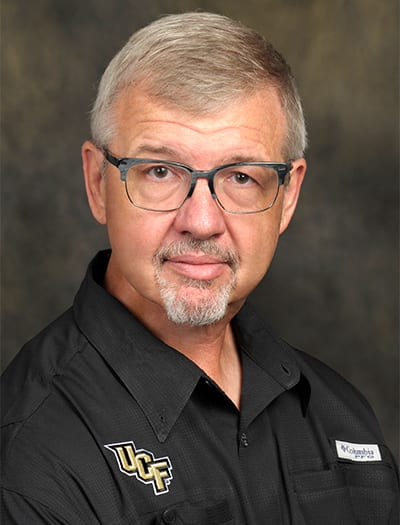
Dr. Thomas W. Britt is a Professor of Psychology at Clemson University and Editor-in-Chief of Military Psychology. He holds a Ph.D. from the University of Florida (1994) and has served in the U.S. Army, including active duty at Walter Reed Army Institute of Research and current service in the Army Reserves at the U.S. Army War College. His research focuses on employee resilience in high-stress occupations, mental health treatment-seeking barriers, and occupational health interventions. Key areas include resilience among military personnel, healthcare workers, and first responders. Britt has authored over 100 peer-reviewed articles and multiple books, with funding from the Department of Defense and Intelligence Community.
Education:
- Ph.D. Social Psychology, University of Florida (1994)
- M.A. General Psychology, Wake Forest University (1990)
- B.A. General Psychology, College of William and Mary (1988)
Research Interests:
Britt investigates factors promoting resilience in high-risk occupations, such as meaningful work, leadership support, and psychological hope. His work on healthcare workers during the pandemic examines fatigue and burnout using actigraphy. He also studies stigma-related barriers to mental health treatment in military and college student populations. A landmark 2010 DoD grant supported unit-level training to improve mental health treatment climates.
Awards & Honors:
- 2023 Clemson University School of Health Research Fellowship
- 2014 APA Division 19 Fellowship
- 2015-2018 Trevillian Distinguished Professorship
Grants & Interventions:
Developed evidence-based LINKS training to reduce stigma around mental health treatment in military units. Collaborates on interventions for emergency medicine fatigue and physician well-being. His research has influenced Army return-to-duty protocols for injured soldiers.
Labs & Collaborations:
Part of interdisciplinary teams addressing pandemic healthcare worker strain and astronaut resilience in long-duration space missions. Active in multi-university studies on workaholism and economic resource impacts on family outcomes.