Dr. Wolfgang Hübner is a Researcher at the Faculty of Physics at University of Bielefeld, Germany, affiliated with the Biomolecular Photonics Group. His work focuses on advanced optical imaging techniques applied to cellular and molecular structures. He maintains an active research program as evidenced by numerous publications from 2023-2025. His research interests center on photonics, biophotonics, optical microscopy, super-resolution imaging techniques, cellular biophysics, and molecular imaging. Dr. Hübner's work bridges physics and biology, developing and applying cutting-edge microscopy methods to address biological questions at the nanoscale level. His recent publications demonstrate a strong focus on super-resolution microscopy techniques, particularly structured illumination microscopy, fluorescence lifetime imaging, and correlative imaging approaches. His research investigates cellular structures like liver sinusoidal endothelial cells, dystroglycan mutants, and mitochondrial dynamics, revealing how advanced optical methods can visualize biological processes at unprecedented resolution. Dr. Hübner's research shows consistent development in both methodological advances in optical imaging and biological applications. His work spans from fundamental optical engineering to biomedical applications, demonstrating interdisciplinary expertise across physics, engineering, and cell biology.
Dr. Wolfgang Zachariae is a Group Leader at the Max Planck Institute of Biochemistry in Martinsried, Germany, where he heads the "Chromosome Biology" research group. His laboratory focuses on understanding the molecular mechanisms of meiosis, particularly chromosome segregation and the role of cohesin in this process. Dr. Zachariae's educational background includes: PhD (summa cum laude) from Heinrich-Heine University, Düsseldorf, Germany (1990-1994), with Prof. Karin Breunig on "Regulation of the transcriptional activator Lac9" Diploma Thesis with Prof. Karin Breunig on "Enrichment of the transcription factor Lac9 from the yeast Kluyveromyces lactis" (1988-1990) Studies in Biology at Heinrich-Heine University, Düsseldorf, Germany (1984-1988) Postdoctoral Fellowship at the Institute of Molecular Pathology (IMP), Vienna, Austria (1994-1999), in the Laboratory of Prof. Kim Nasmyth, focusing on "cell cycle control by the anaphase-promoting complex in budding yeast" Dr. Zachariae's research focuses on the molecular biology of chromosome segregation during meiosis. His group uses baker's yeast as a model organism to study how chromosomes are correctly separated during the two meiotic divisions. A key focus is on cohesin, a molecular "glue" that holds chromosome pairs together, and how its regulated destruction ensures proper chromosome separation. His research employs diverse methodologies including genetics, biochemistry, video microscopy, and computational simulations of biochemical reactions. This work has significant medical relevance as errors in meiotic chromosome segregation are leading causes of infertility, miscarriage, and chromosome abnormalities like Down syndrome. Analysis of Dr. Zachariae's recent publications reveals a consistent focus on the molecular mechanisms of meiosis, particularly the regulation of cohesin and the anaphase-promoting complex (APC/C). His work spans from fundamental molecular mechanisms (such as phosphorylation of Rec8 by casein kinase) to the broader implications for gamete formation and chromosome segregation. The research demonstrates an interdisciplinary approach combining yeast genetics with advanced biochemical and imaging techniques. Dr. Zachariae has made significant contributions to the field of chromosome biology through his publications in top-tier journals including Cell, EMBO Journal, Developmental Cell, and Current Biology. His work on the regulation of meiotic chromosome segregation has provided fundamental insights into cell division processes that are conserved across eukaryotes. Dr. Zachariae leads an active research group consisting of PhD students (Nikoleta Milanovic, Addison E. Noronha, Vinal Massaad, Magdalena Matijevic), postdoctoral researchers (Olha Biriuk, Oleksii Lyzak, Marc Llavanera, Tugce Öz-Yoldas), and technical staff. His laboratory investigates the molecular mechanisms of chromosome segregation during meiosis using baker's yeast as a model system. The group has developed sophisticated approaches combining genetics, biochemistry, live-cell imaging, and computational modeling to understand how cohesin is regulated during the two meiotic divisions.
Dr. Georg Brenneis is a researcher in Integrative Zoology at the University of Vienna , Austria. His research focuses on arthropod development, morphology, and diversity within a phylogenetic and evolutionary framework. Affiliated with the University of Vienna, Naturhistorisches Museum Wien, and Universität Greifswald, he specializes in marine sea spiders (Pycnogonida) and their neural, developmental, and taxonomic studies. Research Interests: Dr. Brenneis investigates the arthropod nervous system, with emphasis on neurogenesis, neural differentiation, and neuroanatomy in sea spiders. He also studies adult neurogenesis in non-insect arthropods like crayfish, aiming to compare this across major arthropod groups. Additional interests include external morphogenesis, muscle development, regeneration in sea spiders, life-history features, taxonomy, and phylogenetic relationships within Pycnogonida. Recent Research Trends: His 2020 work on Pallenella in Tasmanian waters used integrative taxonomy combining morphology and genetic markers (COI and ITS) to identify 13 sympatric species. Earlier studies (2011-2019) explored embryonic/postembryonic development in Pseudopallene , Antarctic species, and ventral organ neurogenesis. Collaborative projects span phylogenomic analysis, biogeography, and regeneration mechanisms.
Dr. Slava Ziegler is a Project Group Leader at the Department of Chemical Biology , Max Planck Institute of Molecular Physiology in Dortmund, Germany. His research focuses on identifying bioactive small molecules and elucidating their molecular targets and mechanisms of action through chemical proteomics, biochemical, biophysical and genetic approaches. Academic Appointments : Project Group Leader, Chemical Biology (2016-present) Education : Diploma in Biochemistry (Ruhr University Bochum), PhD in Biochemistry (MPI & Ruhr University), Postdoc at University Hospital Düsseldorf Research Interests center on: Phenotypic screening using Cell Painting assays Target identification for bioactive compounds Proteome and lipidome profiling Developmental signaling pathway inhibition Glucose transporter and glutaminase targeting Chemical genetics in cancer metabolism Notable Contributions include developing high-throughput screening workflows, discovering novel Hedgehog and TRPC inhibitors, and creating chemical probes for: Dihydroorotate Dehydrogenase RHOGDI PI4KIIIß IDO1 TAF1 Bromodomain 5-Lipoxygenase Collaborations with researchers across Europe and Japan have yielded significant insights into: Autophagy regulation Lysosomal membrane repair Microtubule destabilization Proteasome inhibition Neutrophil extracellular traps Embryonic stem cell reprogramming Contact : slava.ziegler@mpi-dortmund.mpg.de | +49 231 133-2424
Sabine Fischer is a Professor for Supramolecular and Cellular Simulations at the University of Würzburg’s Center for Computational and Theoretical Biology (CCTB). She holds a PhD in Mathematics from the University of Nottingham (2009) and completed postdoctoral research at the University of Cambridge (2009-2011) and the University of Frankfurt (2011-2017). Her work focuses on mathematical modeling and data-driven simulations of biological processes across subcellular, multicellular, and multi-tissue scales. Key research areas include agent-based modeling of parasite collective behavior (e.g., Project 7 of SPP 2332 PoP), cell-cell interactions, and morphological modeling with Blender. Her group develops tools for image analysis and applies methods ranging from classical statistics to machine learning. Education: Diploma in Mathematics, University of Würzburg PhD in Mathematical Biology, University of Nottingham (2009) Professional Experience: Postdoc, University of Cambridge (2009-2011) Postdoc, University of Frankfurt (2011-2017) Development Engineer, h.a.l.m. Elektronik GmbH (2017-2018) Professor, University of Würzburg (since 2018) Her research integrates experimental data with computational models to study processes like mouse blastocyst differentiation, tissue-level organization, and parasitic locomotion. Current projects emphasize agent-based modeling of Trypanosoma collective behavior and the development of open-source tools like VESNA for 3D vessel analysis.
Helene Kretzmer is a Research Group Leader at the Max Planck Institute for Molecular Genetics and a faculty member of the International Max Planck Research School (IMPRS). Her work focuses on epigenetic regulation, particularly in the context of cell fate establishment and stabilization, with applications in early mammalian embryonic development and cancer biology. PhD in Bioinformatics from the University of Leipzig She utilizes advanced techniques such as single-cell RNA sequencing (scRNAseq) and whole-genome bisulfite sequencing (WGBS) to explore the molecular mechanisms underlying epigenetic changes. Her research contributes to understanding how epigenetic factors drive cellular differentiation and cancer progression. Helene joined Alex's research group in late 2017, bringing expertise in DNA methylation sequencing analysis developed during her involvement with the International Cancer Genome Consortium. Her lab, the Kretzmer Lab, is based in Berlin, Germany, where she investigates the intersection of computational biology, genomics, and developmental processes.
Prof. Dr. Ludovic Vallier is a Max Planck Fellow and Research Group Leader at the Vallier Lab , affiliated with the Berlin Institute of Health at the Charité (BIH) and the Max Planck Institute for Molecular Genetics (MPIMG) . His lab, established as a satellite group at MPIMG in 2022, focuses on stem cell biology , liver regeneration , and organoid technology for clinical translation. University : Max Planck Institute for Molecular Genetics Department : Vallier Lab Academic Rank : Professor Research Interests : The Vallier Lab investigates human liver development , leveraging human induced pluripotent stem cells (hiPSCs) and primary organoids to model liver diseases and develop cell-based therapies. Their work bridges regenerative medicine , developmental biology , and tissue engineering to address clinical challenges in liver dysfunction. Publication Trends : His recent articles (2023–2025) emphasize organoid applications in liver and pancreatic research, stem cell differentiation , and metabolic or immunological mechanisms in disease contexts. Keywords span Stem Cell Biology , Developmental Biology , and Regenerative Medicine , with sub-fields like hepatic lineage specification , single-cell transcriptomics , and inflammatory reprogramming . Scientific Awards : Max Planck Fellow Lab and Collaborations : The Vallier Lab collaborates closely with MPIMG researchers, utilizing 3D organoid cultures and hiPSC-derived cells to study liver regeneration and disease. Their work aligns with BIH’s mission to translate basic research into clinical therapies for liver disorders.
Dr. Richard Ottermanns is a Professor at the Chair of Ecotoxicology and Environmental Risk Assessment at RWTH Aachen University. He is affiliated with the Personalrat der wissenschaftlich, ärztlich und künstlerisch Beschäftigten der RWTH Aachen (Academic Senate), gaiac - Forschungsinstitut für Ökosystemanalyse und ‑bewertung e.V., and the Fachgruppe Biologie (Biology Department Group). His research focuses on ecotoxicology, environmental risk assessment, pesticide impacts, and biodiversity conservation. Key research interests include the effects of chemical mixtures on ecosystems, zebrafish developmental biology as a model organism, computational modeling of ecological systems, and sustainable forest management strategies. He has contributed to projects like the DanTox initiative, which investigates sediment-bound pollutants using zebrafish models. His work spans interdisciplinary approaches, integrating molecular biology, environmental chemistry, and computational tools to address challenges in ecological risk assessment and sustainability science. He collaborates with institutions like the Three Gorges Reservoir Project in China and the Eifel National Park in Germany.
Prof. Dr. Klaus Ebnet is a Full Professor at the University of Muenster, leading the Ebnet Lab: Cell Adhesion and Cell Polarity within the Center for Molecular Biology of Inflammation (ZMBE). His work focuses on understanding molecular mechanisms of cell-cell interactions, cell polarity establishment, and adhesion molecule functions such as Junctional Adhesion Molecules (JAMs) and integrins. He holds a position in the Institute of Medical Biochemistry and participates in the 'Cells in Motion' research initiative. Research Interests: Regulation of epithelial cell polarity via adhesion receptors JAM-A-integrin signaling complexes in cell migration Role of TMIGD1 in microvillus formation and mitochondrial interactions Mechanical regulation of tight junction assembly Cell adhesion dynamics in angiogenesis and cancer metastasis Publications (selected 2022-2012): Focus on molecular mechanisms of cell adhesion, polarity maintenance, and their disruption in disease contexts. Highlights include discoveries about JAM-A's role in spindle orientation during mitosis, integrin cross-talk in collective cell migration, and the TMIGD1-based adhesion complex in intestinal development. Labs/Teams: Leads the Ebnet Lab at ZMBE, collaborating in interdisciplinary imaging networks. Active in training graduate students through the 'Cells in Motion' graduate school program.
Jonathan Göke is a researcher at the Genome Institute of Singapore (GIS), part of A*STAR. He completed his PhD at the International Max Planck Research School for Computational Biology and Scientific Computing (IMPRS-CBSC), supervised by Prof. Dr. Martin Vingron. His work focuses on Comparative Genomics and studying recurring motifs in non-coding DNA , with applications in stem cell biology and epigenetics. Education: B.Sc. in Bioinformatics, Freie Universität Berlin (2007). PhD in Computational Biology, IMPRS-CBSC (2012). Visiting student, University of Sheffield (2006). Research interests include analyzing gene regulatory elements, kinase-chromatin interactions, and computational methods for genomic analysis. His work bridges bioinformatics and experimental biology, with contributions to understanding embryonic stem cell regulation and intellectual disability genetics. Advising and grants: No documented advisees, but contributed to doctoral training through IMPRS-CBSC. Current projects include genomic studies at GIS, though specific grants are not listed here. Labs/Teams: Affiliated with GIS, which focuses on genomic research in health and disease.
Ivan Patrick Tualla is a Doctoral Researcher at the GEOMAR Helmholtz Centre for Ocean Research in Germany since 2025. His work focuses on decoding the 'biocatalytic black box' of microbiomes from deep-sea sponges using artificial intelligence and machine learning to discover extremozymes for marine biotechnological applications under the EU Horizon-funded XTREAM project. His academic journey includes an International Master of Science in Marine Biological Resources (Magna cum laude) from Ghent University, University of Basque Country, and University of Bergen (2022–2024), and a Bachelor of Science in Biology major in Marine Biology from Visayas State University (2011–2015). Research Interests : Metagenomics, Marine Microbiology, Extremozyme Discovery, Heterologous Expression, Blue Bioeconomy Methodologies : High-throughput sequencing, machine learning, molecular cloning, recombinant protein production, protein characterization His publications and presentations highlight advancements in marine enzyme discovery, taxonomy, and environmental toxicology. He has received prestigious awards including the IMBRsea Best Master Thesis Prize , Erasmus Mundus Scholarship , and recognition for outstanding research in marine sciences.
Dr. Elisa Haucke is a Research Fellow at the Medical Faculty of Martin Luther University Halle-Wittenberg. She works in the Health Services Research Working Group, coordinating the Translation Region for Digitalized Healthcare (TDG) Strategy project and focusing on long-term sustainability of TDG. Her roles include interprofessional education teacher training and leadership in the Innovation Culture working group. Doctorate: Dr. trop. in Anatomy and Cell Biology (2015) at Martin Luther University Halle-Wittenberg Diploma: Nutrition Science (2010) at Martin Luther University Halle-Wittenberg Her research interests span Digital Health , Interprofessional Education , and Maternal Diabetes Effects on Embryonic Development . She integrates digitalization into healthcare training and examines metabolic impacts on prenatal development using rabbit models. Recent publications focus on Interprofessional teaching modules for digital healthcare Maternal diabetes effects on embryonic lipid/amino acid metabolism Advanced glycation end products in developmental biology She has received certifications in Innovation Management (2021) Interprofessional Education (2019) Academic Teaching (2016, 2015) and coordinates projects like GReTL2.0, CÄWIN, and TDG-STRAT.
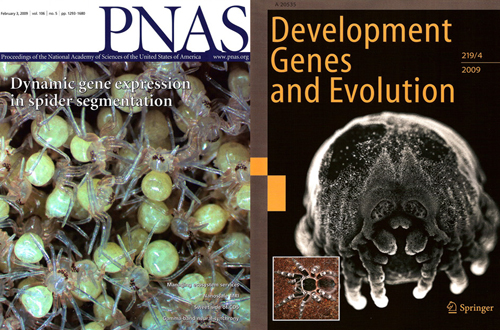
Dr. Matthias Pechmann is a researcher at the University of Cologne's Biocenter within the Faculty of Mathematics and Natural Sciences, specializing in developmental and evolutionary biology with a primary focus on spider embryology and arthropod evolution. His work investigates the mechanisms of segment and appendage formation in spiders, particularly using the common-house spider ( Parasteatoda tepidariorum ) and the Brazilian white-knee tarantula ( Acanthoscurria geniculata ) as model organisms, with additional research on cricket ( Gryllus bimaculatus ) development. Dr. Pechmann's research centers on understanding the evolutionary success of arthropods through their segmented body plans and articulated appendages. He investigates early embryonic development in spiders, with particular emphasis on the establishment of main body axes, dorsoventral axis patterning, and the genetic mechanisms underlying segment formation. His work combines molecular techniques including RNA interference, gene expression analysis, and comparative approaches to uncover conserved and divergent developmental pathways across arthropods. His most significant contributions involve the role of Ets4 in axis specification and cell migration, Toll genes in axis elongation, and Distal-less as a gap gene during spider segmentation. His publication record demonstrates expertise in developmental genetics and evolutionary biology, with numerous high-impact papers in journals such as eLife, BMC Biology, and Current Biology. His research has significantly advanced understanding of the genetic and cellular mechanisms that govern body plan development in arthropods, particularly revealing how conserved developmental genes have been co-opted for spider-specific morphological features. Dr. Pechmann has received research funding through a University of Cologne Postdoc Grant for his work on dorsoventral axis patterning in crickets, demonstrating his ability to secure competitive research funding. His collaborative approach is evident through extensive co-authorship with researchers across multiple institutions, particularly with Dr. Roth's research group at the University of Cologne as indicated by the website structure (Home > Research > Roth > Pechmann). His laboratory work involves advanced techniques including RNA interference, confocal microscopy, gene expression analysis, and comparative genomic approaches. The research group maintains spider cultures of Parasteatoda tepidariorum and Acanthoscurria geniculata as primary model organisms, with additional work on crickets for comparative studies of dorsoventral patterning.
Dr. Patrick Nell serves as Junior Group Leader of the Regulatory Networks of Stem Cell Differentiation research group at the Leibniz Research Centre for Working Environment and Human Factors (IfADo) at TU Dortmund University since 2022, operating within the Toxicology department under Department Head Prof. Dr. Jan G. Hengstler. His academic training includes a B.Sc. in Biology with medical specialization from Radboud University Nijmegen (2009-2014), an M.Sc. in Molecular and Developmental Stem Cell Biology from Ruhr University Bochum/Tongji University Shanghai (2014-2016), and a Ph.D. in Stem Cell Technology, Liver Physiology, and Transcriptional Regulatory Networks from IfADo (2016-2021). Nell's research centers on stem cell differentiation mechanisms, particularly using iPSC-derived hepatocyte-like cells to model liver development, toxicity, and disease. His work integrates transcriptomics, regulatory network analysis, and bile acid metabolism to develop advanced in vitro testing systems for toxicology, with emphasis on endocrine disruptors, cholestatic injury, and liver-intestine crosstalk. His 14 publications (2018-2025) reveal consistent focus on stem cell-based toxicology models, including studies on bisphenols, parabens, and bile acid transporters. Key contributions include biomarker discovery for hepatotoxicity, FXR-modulated hybrid cell states, and roadmaps for regulatory acceptance of stem cell testing methods. The Regulatory Networks of Stem Cell Differentiation group employs stem cell engineering, transcriptomics, and bioinformatics to advance predictive toxicology models and regenerative medicine applications, maintaining strong collaborations across international research networks.
Michele Boiani is a Research Professor and project leader at the Max Planck Institute for Molecular Biomedicine, where he heads the Mouse Embryology Laboratory within the Department of Cell and Developmental Biology. His research is funded by the Deutsche Forschungsgemeinschaft (DFG). His work investigates fundamental mechanisms in developmental biology, focusing on: Totipotency apportionment in early mouse embryos Proteome dynamics and targeted protein degradation in oocytes Molecular bases of asymmetric mRNA distribution influencing embryonic development Boiani's publications emphasize molecular and genomic analysis of preimplantation mouse embryos, utilizing techniques like multi-omics profiling and targeted proteolysis to study gene expression, protein function, and cellular totipotency. He actively mentors PhD students, including Ellen Casser (2016–2019) and Steffen Israel (2017–2020), whose research on totipotency mechanisms and proteomics contributed significantly to the lab's output. The laboratory employs computational and experimental approaches to study embryogenesis, with ongoing investigations into COP9 signalosome complex functions.