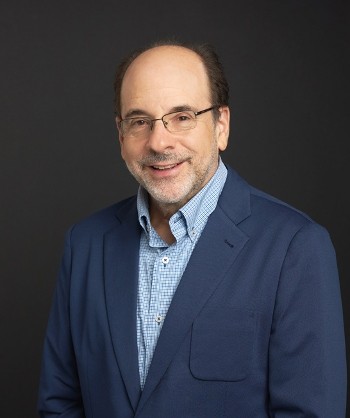
David L. Blustein is a Professor and Golden Eagle Faculty Fellow in the Department of Counseling, Developmental, and Educational Psychology at Boston College . He holds a Ph.D. from Columbia University, with expertise in the psychology of working, career development, and social justice advocacy. His research focuses on decent work, work dignity, and precarity, with global collaborations through initiatives like the International Labor Organization (ILO) and the United Nations Development Program. Blustein has authored influential books, including The Psychology of Working and The Importance of Work in an Age of Uncertainty , and has been recognized with prestigious awards such as the Leona Tyler Award (2022) and the Eminent Career Award (2018). He teaches courses like Advanced Counseling Practicum and Psychology of Work , emphasizing formative education and equity. His work addresses systemic issues in employment, advocating for policies that promote dignity and fairness in workplaces globally. Recent studies include interventions for mental health through work (WIN program) and analyses of pandemic-era precarity. Blustein’s international network and publications reflect a commitment to bridging psychological theory with real-world labor challenges.
Diana Allan is an Associate Professor in the Department of Anthropology at McGill University, affiliated with the Institute for the Study of International Development (ISID) and holding the Canada Research Chair in the Anthropology of Living Archives. She holds a Ph.D. from Harvard University (2008). Her work focuses on Palestinian refugee experiences in Lebanon, particularly through the Nakba Archive and her ethnographic films. Affiliations: McGill University Anthropology, ISID, Leadership for the Ecozoic Key roles: Co-lead of the Critical Media Lab, filmmaker, and activist scholar Research interests center on camp ecologies, cultural memory, and colonial histories. She explores how material environments shape refugee life through projects like Past Continuous (camp archives) and Partition (film on colonial archives). Themes: Exile, displacement, sensory memory, transnational solidarity Recent publications include Voices of the Nakba (2021) and Refugees of the Revolution (2014), award-winning works analyzing Palestinian narratives. Her films Still Life and So Dear, So Lovely critically examine camp life and memory. Awards: English PEN Award, Palestine Book Award, AAA Middle East Section Prize Current projects investigate Palestinian coastal life, urban food systems in Lebanon, and digital platforms for refugee histories. She collaborates with artists, activists, and communities to create accessible pedagogical tools about displacement.
Dr. Tim Busker is a Postdoctoral Researcher at the Institute for Environmental Studies (IVM), Vrije Universiteit Amsterdam, specializing in flood and drought early-warning systems and impact-based forecasting. He holds a PhD from VU Amsterdam (2024) and advanced degrees in Earth Surface and Water (Utrecht University) and Earth & Economics (VU Amsterdam). Education: Bachelor’s (cum laude) in Earth & Economics, Vrije Universiteit Amsterdam (2012–2015) Master’s in Earth Surface and Water, Utrecht University (2015–2017) His research focuses on translating forecasts into actionable warnings for regions like East Africa and Europe. Key interests include: Flood and drought forecasting methodologies Impact-based early action frameworks GIS/remote sensing applications in water management Recent work emphasizes machine learning for food security crises and transboundary flood risk assessments in NW Europe. Projects include JCAR-ATRACE and Resilience nEtwork of Smart Innovative cLImate-adapative rOoftops (RESILIENT). Grants/Projects: 6 active/funded projects, including EU-funded CoastMove ERC (2020–2026) Awards: EGU OSPP Award (2023), IWA-ASPIRE Poster Prize (2019)
Professor Mustapha Sheikh is Chair in Islamic Thought and Muslim Societies at the School of Languages, Cultures and Societies, University of Leeds. He is Co-Director of the Iqbal Centre for Critical Muslim Studies and actively contributes to interdisciplinary research on Muslim intellectual history, Islamic law, and contemporary socio-political issues affecting Muslim communities globally. His educational background includes a DPhil in Theology and Religion from the University of Oxford, an MSt in the Study of Religions (Oxford), a BA in Arabic and Islamic Law, and a BSc in Project Management from University College London. His academic journey reflects a deep integration of traditional Islamic scholarship and rigorous Western academic training. Sheikh's research is centered on two interrelated strands: first, Islamic intellectual and legal history, particularly revivalist and reformist movements in the Ottoman and early modern Islamic world; second, the socio-scientific analysis of contemporary Muslim societies, including Islamophobia, Islamic finance, food and water security, and decolonial studies. His seminal work Ottoman Puritanism and Its Discontents (Oxford University Press, 2016) has significantly reshaped scholarly understanding of the Qadizadeli movement and Taymiyyan influences in Ottoman thought. He is a pioneer in advancing Critical Muslim Studies as a post-Orientalist framework for rethinking Islamic tradition. His recent publications reveal a strong interdisciplinary trend, combining Islamic legal theory with social justice, environmental security, and political economy. Themes such as intersectional oppression, decoloniality, and ethical finance recur across his work, reflecting a commitment to justice-oriented scholarship. He frequently collaborates with scholars across disciplines and geographies, particularly in the Global South. Member, British Society for Middle Eastern Studies (BRISMES) Member, British Association of Islamic Studies (BRAIS) Board Member, (In)Justice International Professor Sheikh actively supervises PhD students and has successfully guided over 20 doctoral candidates to completion. His research is supported by collaborations across institutions, including the University of Punjab (where he is a Visiting Professor) and Harper Adams University. He is currently co-editing volumes on global injustice and Islamic finance, and working on a book about healing racial trauma from an Islamic psycho-spiritual perspective. He leads and participates in numerous research groups, including the Arabic History group and the Centre for Religion and Public Life, and is deeply involved in public engagement through talks, webinars, and podcasts addressing Islamophobia, women’s rights under Shari’a, and decolonising knowledge.
Luisa Sotomayor is an Associate Professor in the Faculty of Environmental and Urban Change at York University, where she also serves as the Director of the City Institute. Her academic work bridges urban planning, governance, and socio-spatial justice, with a strong focus on inequality, housing, informality, and participatory planning. She is actively engaged in research across Latin America and Canada, contributing to critical debates on urban policy and citizenship. Education: PhD in Planning, University of Toronto MSc in Planning, University of Toronto BA in Sociology, National University of Colombia Her research interests center on urban inequality, housing precarity, socio-legal exclusions, and the formation of informal urban peripheries. She critically examines how state and non-state actors, community activism, and legal frameworks shape urban planning agendas. Her work questions the capacity of planning to address socio-spatial injustices and foster more equitable, democratic cities. The recent publications reflect a strong engagement with judicialization of urban planning in Bogotá, student housing precarity in Toronto, sanctuary city policies, and the impacts of social urbanism in Medellín. Collectively, her scholarship reveals a transnational, interdisciplinary approach that connects urban theory with grassroots realities, emphasizing legal mobilization, policy mobility, and the lived experiences of marginalized populations. Scientific Awards and Recognitions: MITACS Accelerate (2023-2024) EUC Dean’s Service Award (2021-2022) York University Academic Innovation Fund Award (2020-2021, 2021-2022) SSHRC Insight Grant (2022-2025) MITACS Global Link (2019) MITACS Accelerate (2021, 2022) SSHRC Partnership Engage Grant (2020-2021) SSHRC Connections Grant (2018-2019) SSHRC Doctoral Award (2011-2015) International Development Research Centre, Doctoral Award (2011) Luisa Sotomayor supervises graduate students in Environmental Studies, Geography, and Planning programs. She has led major funded research projects including SSHRC Insight and Partnership Engage Grants, focusing on issues such as vertical peripheries in Colombia, policy mobility in Latin American cities, legal mobilizations in urban planning, and student housing affordability in Toronto. Her collaborative work with institutions across Canada and Latin America underscores her commitment to engaged, interdisciplinary scholarship. She is involved in research labs and teams through the City Institute at York University and leads multi-institutional collaborations such as StudentDwellTO, which brings together faculty and students from OCAD University, Toronto Metropolitan University, University of Toronto, and York University to address student housing challenges. Her work continues to influence urban planning theory and practice in both the Global North and South.
Brad Riley is a Research Fellow at the Australian National University's Centre for Aboriginal Economic Policy Research (CAEPR), affiliated with the Institute for Climate, Energy & Disaster Solutions. His work focuses on renewable energy implementation, energy efficiency, and demand management initiatives in remote communities, particularly in North West Australia. Current Role: Research Fellow, Zero Carbon Energy for the Asia Pacific Grand Challenge Research Themes: Indigenous Engagement with Renewable Energy, Regulatory Disparities, Climate Adaptation Projects: ZCEAP Fellow, Indigenous Engagement with Renewable Energy Industries program His research bridges climate change policy, energy security, and Indigenous rights, emphasizing equity in energy transitions and resilience-building for remote populations. He has collaborated with communities in North West Australia to address energy poverty and regulatory barriers. Riley’s publications highlight challenges in energy policy, focusing on temperature extremes exacerbating energy insecurity, prepayment tariffs, electric vehicle feasibility in remote areas, and Indigenous engagement in renewable energy projects. These works emphasize social equity, regulatory disparities, and community-specific solutions. He is part of research groups including Indigenous peoples, cultures and knowledges; Adaptation, livelihoods and development in Asia and the Pacific; and Risk, vulnerability and resilience. Contact: Bradley.Riley@anu.edu.au | (02) 6125 4559
Heidi Stöckl is a Professor of Public Health Evaluation at Ludwig Maximilian University of Munich (LMU) and holds an Honorary Professorship at the London School of Hygiene and Tropical Medicine (LSHTM). She leads the Public Health Evaluation group at LMU's Institute for Medical Information Processing, Biometry and Epidemiology (IBE), and serves as a Special Graduate Faculty member at the University of Guelph, Canada. Her research focuses on gender-based violence, HIV/AIDS, and health systems strengthening in low- and middle-income countries. Stöckl has led the WHO Collaborating Center on Research on Gender-Based Violence and Health and directed the Gender Violence & Health Centre at LSHTM. She has extensive experience in global health research, including modeling violence prevalence and investigating violence's impact on HIV transmission and maternal health. Education: 2006-2009: DPhil in Evidence-based Social Intervention, University of Oxford (Nuffield College) 2005: MSc in Sociology, University of Oxford 2000-2005: Diploma in Political Science, Free University of Berlin and LMU Munich Research Interests: Prioritizes intimate partner violence (IPV), sexual violence, and their intersections with HIV/AIDS, mental health, and socioeconomic factors. Her work addresses structural determinants of violence, including economic inequality and gender norms, with a focus on sub-Saharan Africa and Southeast Asia. Methodologically, she combines epidemiological approaches with qualitative studies to inform policy and intervention design. Key Contributions: Has published over 100 peer-reviewed articles, including seminal work on global IPV prevalence, child sexual violence meta-analyses, and the health impacts of trafficking. Her team's Burden of Proof study quantified violence's health effects, influencing global health metrics. She also leads initiatives on pandemic-related violence and health system resilience.
Holger Stritzel is a Senior Lecturer in International Relations at the Department of European & International Studies , King’s College London . Previously, he served as a Lecturer in International Relations and Programme Director for International Security Studies at the University of St Andrews. His academic background includes a PhD from the London School of Economics and Political Science , supervised by Barry Buzan. Research Interests: Transatlantic Relations German-American Relations Securitization Theory Critical Security Studies Discourse Theory Translation and Conceptual Transfer Publications Trends: His work focuses on security discourse analysis, with particular emphasis on Germany’s narrative responses to international crises (e.g., Israel, Ukraine, Afghanistan). Key themes include identity construction, ontological insecurity, and the politics of historical memory. Academic Networks: A founding member of the C.A.S.E. Collective (Critical Approaches to Security in Europe), Stritzel collaborates extensively with European research institutions and contributes to the Centre for German Transnational Relations , examining Germany’s evolving role as a 'reluctant hegemon.'
Dr. Catherine L. Mah is a Professor and Canada Research Chair in Promoting Healthy Populations at Dalhousie University , where she leads nutrition and food policy research through the Food Policy Lab. Her work bridges public health, nutritional epidemiology, and social theory , focusing on food environments, health equity, and policy design. PhD in Health Policy, University of Toronto MD, University of Calgary FRCPC in Paediatrics, Royal College of Physicians and Surgeons of Canada Her research explores how food affordability, pricing systems , and institutional governance shape population diets and health disparities. Recent projects include the PRICES study (2023-2028), examining workplace food pricing in Nova Scotia, and foundational work on the digital National Nutritious Food Basket for measuring food costs. Dr. Mah’s publications reveal interdisciplinary trends, combining public health, epidemiology, and political economy to address food insecurity, regulatory frameworks, and pragmatic trials. Her awards include the Queen Elizabeth II Platinum Jubilee Medal for public service, and she has supervised trainees like Laura Kennedy, Nathan Taylor, Gabriella Luongo , and Olukorede Esan in studies on retail interventions and dietary equity. Queen Elizabeth II Platinum Jubilee Medal (2022) Her grants include CIHR Project Grant (2023-2028) and NHMRC ID 1138629 . She has served on Health Canada’s Nutrition Science Advisory Committee (2020-2023) and the Canadian Food Policy Advisory Council (2020-2022), advocating for stronger social protections in food systems.
Patricia K. Tong is an economist at RAND and a Professor of Policy Analysis at the RAND School of Public Policy. She specializes in public finance and labor economics, with a strong focus on military and civilian personnel policy, compensation, and health economics. Her research addresses critical issues in military personnel retention, family caregiving, retirement benefits, and access to mental and behavioral health services. Research Interests: Tong’s work combines qualitative and quantitative methods to evaluate monetary and nonmonetary compensation policies, labor market outcomes, and social welfare impacts. Her expertise spans economic policy, health economics, military personnel systems, and family support structures. She has led studies on Social Security survivor benefits, tax policy anti-poverty effects, and nurse staffing standards. Publication Trends: Her recent research centers on military compensation, health care access for service members and families, and financial inclusion. Articles reflect a consistent policy-oriented focus, often supporting governmental reviews such as the Quadrennial Review of Military Compensation, and addressing timely issues like pandemic caregiving and unbanked populations. Scientific Contributions: Published in top journals including American Economic Review and Health Economics Key contributor to national policy discussions on military pay, retention, and health care Research used to inform federal and state-level policy decisions Advising and Grants: While specific students are not listed, her leadership in major research projects indicates a supervisory and mentoring role. She has led federally funded studies on military compensation, health care access, and financial inclusion, demonstrating sustained grant support from defense and public policy agencies. Labs and Teams: Tong conducts research within RAND’s interdisciplinary policy teams, particularly those focused on defense, health, and economic security. Her work often involves collaboration with military stakeholders, federal agencies, and public health experts to develop actionable policy solutions.
Marshall J. Glesby is a Professor at Weill Cornell Medical College, affiliated with both the Department of Medicine and Population Health Sciences. His career spans over three decades, focusing on HIV pathogenesis, aging-related complications, and co-infections. He holds a Ph.D. from Johns Hopkins University School of Hygiene and Public Health (1997), an M.D. from Johns Hopkins University School of Medicine (1989), and a B.Sc. from McGill University (1985). Research Interests: His work integrates HIV, immunology, and public health, emphasizing co-infections, metabolic disorders, and cardiovascular complications. Recent studies explore geriatric syndromes, epigenetic aging, and biomarkers like extracellular vesicles in Long COVID and Alzheimer's disease. He leads clinical trials on Mpox severity scoring and HIV-kidney transplantation. Grants and Collaborations: Dr. Glesby is a key investigator for NIH-funded projects, including PORTENT (NIAID) and STRIVE (NIAID). He contributes to global HIV research networks like INSIGHT and ACTG, with subawards from the National Institute of Child Health & Human Development and NHLBI. External Relationships: He serves as a consultant for UpToDate, Inc., and collaborates with organizations such as the Northeast/Caribbean AIDS Education and Training Centers.
Yoon Ji-hyun is a Professor in the Department of Food and Nutrition at Seoul National University's College of Human Ecology. Her work focuses on food service management, nutrition policy, and dietary behavior analysis, with a particular emphasis on multicultural dietary practices and sustainable development in food systems. Education: Bachelor's in Food and Nutrition (SNU), BBA (SNU), MS in Hotel, Restaurant, and Institution Management (Iowa State University), PhD in Hospitality and Tourism Management (Purdue University). Leadership Roles: Associate Dean (2019-2021), Director of Ho-Am Faculty House (2010-2012), and multiple directorships in nutrition policy centers. Her research integrates public health and consumer behavior, analyzing topics like pandemic-induced dietary changes, school lunch standards, and food safety anxiety. She has led projects on non-face-to-face food safety management, food education policies, and sodium-reduced environments, funded by South Korea's Ministry of Food and Drug Safety, Ministry of Education, and others. Professor Yoon's work also addresses urban dietary trends, including single-person households' kitchen needs and workers' meal patterns, using data from national health surveys and time-use studies. She has contributed to regional and inter-Korean comparative studies on nutritional disparities and dietary guidelines. She teaches courses on foodservice management, consumer market analysis, and graduate-level research methodologies, while serving as Vice President in several academic societies, including the Korean Society of Dietary Culture and Korean Cancer Association.
Marit Rosol is a Professor of Economic Geography at Julius-Maximilians-Universität Würzburg (since 2022) and an Adjunct Professor at the University of Calgary's Department of Geography (since 2022). She holds a Canada Research Chair (2016-2022) and has earned international recognition for her work on alternative food networks, urban governance, and critical political ecology. Education: Habilitation in Geography (Goethe-Universität Frankfurt, 2012), PhD in Geography (Humboldt-Universität Berlin, 2006), Dipl.-Ing. in Urban & Regional Planning (TU Berlin, 2001) Her research focuses on Critical Food Studies , exploring alternative economies in urban agriculture, post-political urban governance, and transformative food systems. She examines tensions between environmental and social justice in food initiatives, state-led gentrification, and participatory urban planning frameworks. Recent publications analyze: Urban-rural food system transformations Smart city justice frameworks Commons-based land access models Anthropocene food challenges Scientific awards include: Senior Fellow, Freiburg Institute for Advanced Studies (2022) Canada Research Chair Tier II (2016-2022) 2015 RIBA President's Award for Outstanding Urban Agriculture Research She has supervised: PhD students: Hanna Augustin Master students: Natalie Bakko, Abby Landon, Ricardo Barbosa Jr. Postdocs: Dr. Rebecca Laycock Pedersen, Dr. Charlotte Spring, Dr. Lauren Kepkiewicz Major grants from SSHRC, Hans-Böckler Foundation, and DAAD have supported her work on food insecurity linkages, urban food justice, and global comparative studies of food systems. She co-founded the Food Studies Interdisciplinary Research Group at the University of Calgary and serves on editorial boards for Canadian Food Studies and sub\urban .
John Z. Ayanian serves as the Alice Hamilton Distinguished University Professor of Medicine and Healthcare Policy at the University of Michigan, holding joint appointments as Professor of Internal Medicine in the Medical School, Professor of Health Management and Policy in the School of Public Health, and Professor of Public Policy in the Gerald R Ford School of Public Policy. As inaugural Director of the Institute for Healthcare Policy and Innovation (IHPI), he leads a consortium of 700 faculty members across 15 schools and maintains clinical practice as a general internist at Michigan Medicine. His academic foundation includes a Bachelor of Arts in history and political science from Duke University (1982), medical degree from Harvard Medical School (1987), and master's in public policy from Harvard Kennedy School (1987), followed by residency and fellowship at Brigham and Women’s Hospital and post-doctoral training in health services research at Harvard School of Public Health. Dr. Ayanian's research program investigates health equity, access to care, and quality of care with particular attention to social determinants including race/ethnicity, gender, socioeconomic status, and insurance coverage. His work critically examines Medicaid expansion impacts, Medicare Advantage disparities, and policy responses to health inequities, often utilizing large-scale claims databases and cross-institutional collaborations. Current projects include the federally-authorized evaluation of Michigan's Medicaid expansion program serving over 700,000 adults. Analysis of his 15 most recent publications (2025) reveals three dominant research thrusts: (1) Medicare Advantage vs Traditional Medicare comparisons across diverse clinical conditions, (2) Medicaid policy evaluation including unwinding impacts and expansion effects, and (3) innovative measurement of health equity through new indices and AI applications. His work consistently emphasizes methodological rigor in health services research while maintaining strong policy relevance. His scientific honors include: Election to the National Academy of Medicine Master status in the American College of Physicians John Eisenberg National Award for Career Achievement in Research Distinguished Investigator Award from AcademyHealth Election to Alpha Omega Alpha and Association of American Physicians Dr. Ayanian leads the federally-funded Healthy Michigan Plan evaluation team of 15 faculty members and serves as founding Editor-in-Chief of JAMA Health Forum, previously holding editorial positions at the New England Journal of Medicine. His research receives substantial federal support focused on health policy evaluation, with particular emphasis on vulnerable populations. He actively mentors students and junior faculty across multiple disciplines. As Director of IHPI, he fosters interdisciplinary collaboration across 15 schools at the University of Michigan. His leadership extends to center memberships in AI and Digital Health Innovation, Caswell Diabetes Institute, and Center for Global Health Equity, where he promotes data-driven solutions to health disparities through cross-campus partnerships and innovative research methodologies.
Sara Shostak is a Professor of Sociology and Health: Science, Society & Policy at Brandeis University, where she also serves as the inaugural director of the Vic '63 and Bobbi Samuels '63 Center for Community Partnerships and Civic Transformation (COMPACT). Her work bridges sociology, public health, and environmental studies, focusing on health inequalities, urban agriculture, and community partnerships. She holds affiliations across multiple departments including the Heller School for Social Policy and Management, Women’s, Gender, and Sexuality Studies, and Environmental Studies. Shostak earned a Ph.D. from the University of California, San Francisco, an M.P.H. from UCLA, and a B.A. from Reed College. Her research emphasizes interdisciplinary approaches to understanding how social structures and environmental factors shape health outcomes, particularly through projects involving marginalized communities and stakeholders like farmers, healthcare providers, and policymakers. Her research interests include medical sociology, science and technology studies, environmental racism, and food justice. She has pioneered studies on urban agriculture’s role in addressing health inequities and explored ethical dimensions of genetic testing in epilepsy families. Her work often integrates community engagement and participatory methods to ensure research impacts policy and practice. Awarded the Eliot Freidson Outstanding Publication Award and the Robert K. Merton Book Award, Shostak has secured grants from the National Science Foundation, Robert Wood Johnson Foundation, and Merck Family Fund. Her teaching innovations have been recognized with the Michael L. Walzer '56 Award for Teaching. She leads COMPACT to foster civic engagement and partnerships between Brandeis and local communities, emphasizing transformative change through collective action.