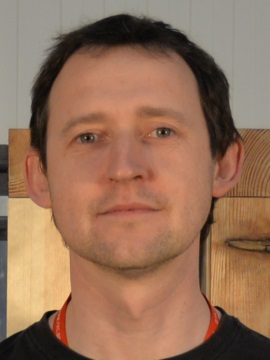
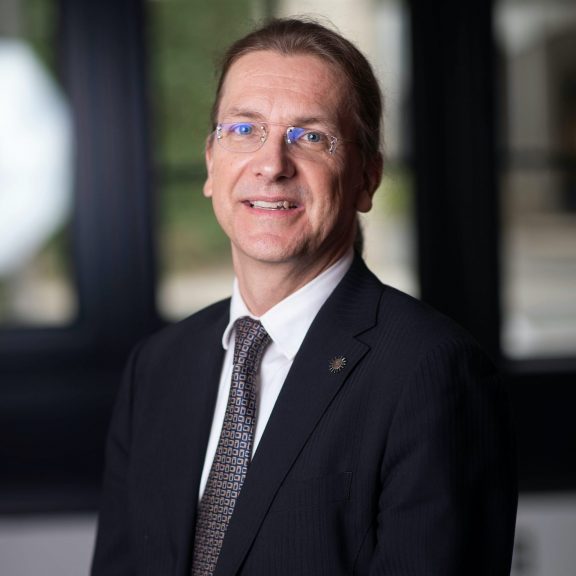
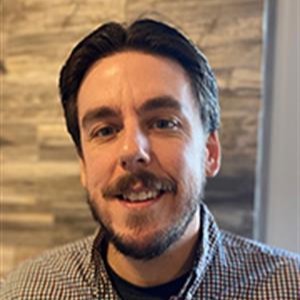
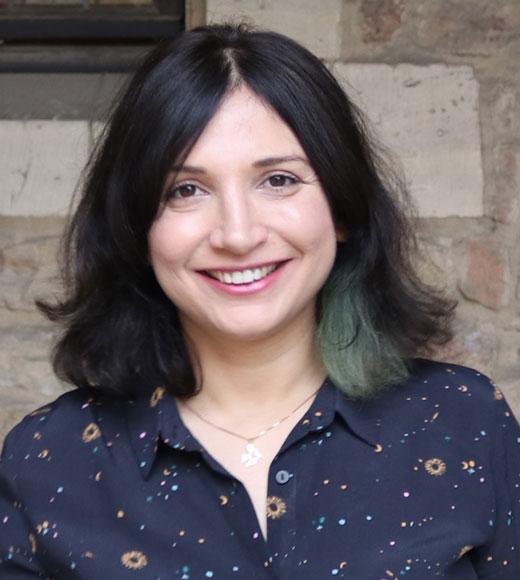
Chris Stallings is an Associate Professor at the University of South Florida’s College of Marine Science, specializing in biological oceanography. He holds a Ph.D. from Oregon State University (2007), an M.A. from San Francisco State University (2002), and a B.S. from East Carolina University (1999). His research focuses on marine ecology, fisheries science, and conservation biology, particularly predator-prey interactions, habitat dynamics, and the effects of human activities on marine ecosystems. Stallings leads the Fish Ecology Lab, which investigates species-habitat relationships, community dynamics on reefs, and the impacts of invasive species like lionfish. He has advised numerous graduate students, including Mark Albins, Dinorah Chacin, and Jonathan Peake. Notable projects include studies on oyster reef restoration, lionfish invasion effects, and long-term fish assemblage monitoring. He has received awards such as the Florida Sea Grant Newell Scholarship (2016) and the Thompson Coral Reef Fellowship (2002–2003). His work bridges basic ecological research with applied conservation, addressing topics like artificial reef functionality, spawning dynamics, and the recovery of threatened species like goliath grouper. Stallings collaborates with federal agencies and contributes to fisheries management through studies on discard mortality and recreational fishing impacts. Current research includes examining microplastic impacts on corals, spatial patterns in spawning dynamics, and biodiversity trends via the BioTIME database. His lab also explores trophic structure differences between artificial and natural reefs, emphasizing ecosystem services and human-sea interactions.