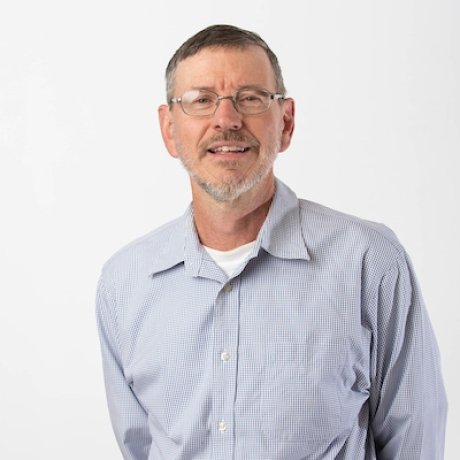
Professor David Proverbs serves as Associate Pro Vice-Chancellor for Enterprise and Business Innovation at De Montfort University within the Faculty of Arts, Design and Humanities and School of Arts, Design and Architecture. A globally recognized expert, he pioneered flood recovery methodologies adopted by governments and institutions worldwide, with significant influence on UK Climate Change Policy and national strategies across Brazil, China, Nigeria, Peru, and the UK. Education: BSc (Hons) PG Cert-Ed PhD MBA PFHEA FCIOB FRICS His research centers on flood risk management , specializing in resilience engineering, adaptation strategies, recovery frameworks, and economic impact mitigation. As Editor-in-Chief for the Journal of Flood Risk Management and International Journal of Building Pathology and Adaptation, he drives scholarly discourse while maintaining extensive international networks with academics and practitioners across six continents. Analysis of his 2023-2025 publications reveals dominant trends in urban flood resilience modeling (GIS, multi-criteria analysis), cross-border case studies in developing economies, and innovative social dimensions like emotional appeal in water conservation. Key geographic focus areas include the Pearl River Delta, Guangdong Province, and Caribbean flood zones. Scientific Awards: Visiting Professor, Auckland University of Technology (2009-2010) Visiting Professor, University of the West of England (2014-ongoing) Visiting Professor, Santa Catarina State University (UDESC) (2017-ongoing) Visiting Professor, Xiamen University of Technology (2018-ongoing) Visiting Professor, Massey University (2023-2026) Professor Proverbs actively supervises PhD candidates including Olutayo Ekundayo, while securing over £700k in competitive research funding from Environment Agency (£115k), RICS (£40k), DEFRA (£105k), Brazilian National Council (£30k), and British Council (£45k). His projects emphasize community-driven flood innovation, property-level adaptation, and international capacity building through workshops and knowledge transfer. He leads research within DMU's Institute of Sustainable Futures and Institute of Architecture, directing global initiatives like the Environment Agency's Trent Regional Flood Committee and international flood risk workshops. His dual editorial leadership positions cement his status as a field-defining authority in flood resilience science.