- Architecture
- Sustainable Design
- Urban Design
- +۹ مورد دیگر
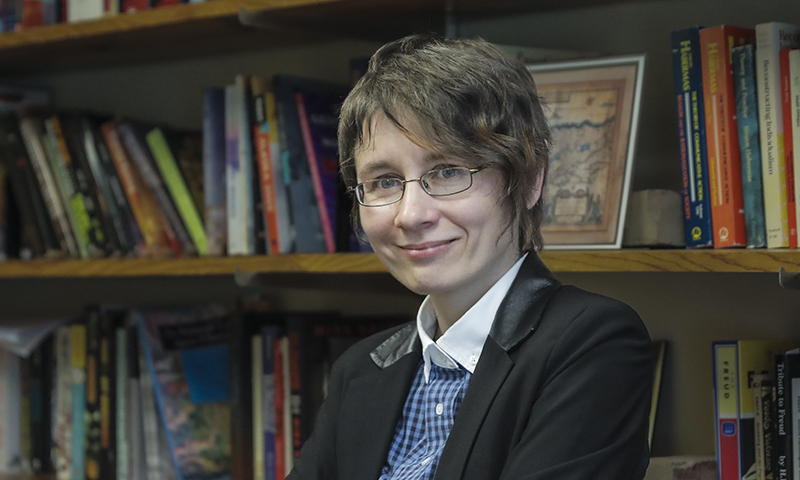
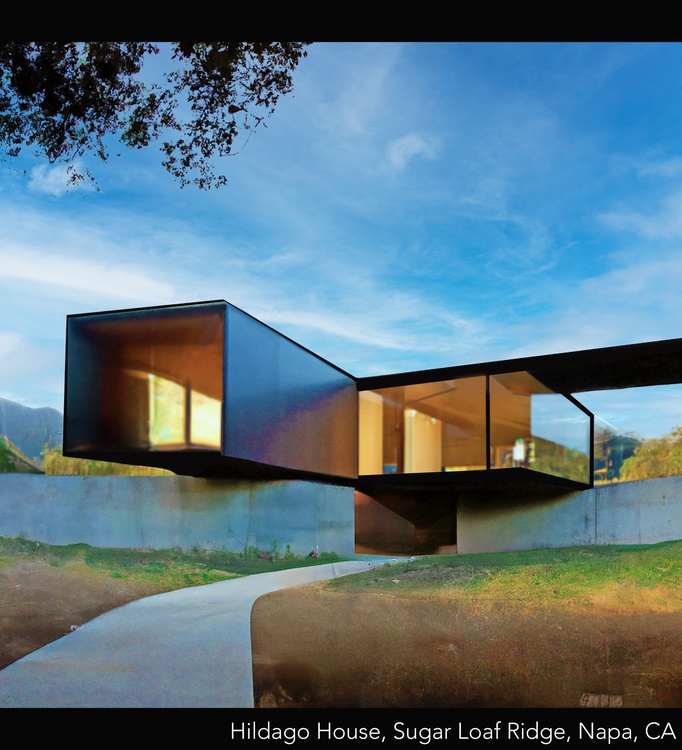
Katherine Lambert is a Professor in the Interior Design Program at the California College of the Arts (CCA), where she integrates research, pedagogy, and practice in architecture and design. She is a founding principal of MAP (Metropolitan Architectural Practice) and its research lab, MAP Studio, an internationally recognized post-disciplinary design firm based in the San Francisco Bay Area. Her research and practice span architecture, urban design, media, and digital technologies, with a strong focus on sustainability, social justice, climate resilience, and the integration of generative AI. Lambert’s work has been exhibited globally, including at the Venice Architecture Biennale, and featured in publications such as The New York Times , Architectural Record , and Metropolis . Her recent scholarly and design outputs, including the upcoming book Architecture X Architecture: A Dialectic (2025), explore how machine vision and AI are transforming architectural thought and practice. These works advocate for a neo-ecological framework where architecture functions as an adaptive interface in digital, spatial, and cultural systems. Lambert’s publications and projects reflect a deep engagement with architectural history, speculative design, and the socio-political dimensions of space. Her influential 1997 essay “Dirt Manifesto” presaged contemporary sustainability movements in design. Leibrock Fellowship for Universal Design (2019) Architizer A+ Awards 2023 – Special Mention in Sustainability (Sugar Loaf Ridge, Napa, CA) She mentors emerging designers through her academic role and studio practice, contributing to architectural discourse through exhibitions, writing, and interdisciplinary collaboration. Her work with organizations like the Cooper Hewitt Smithsonian Design Museum and The Banff Centre underscores her impact beyond academia. MAP Studio continues to lead in digital innovation, forensic research, and climate-responsive design. Current projects explore AI-generated spatial forms and the redefinition of architectural boundaries in the 21st century.