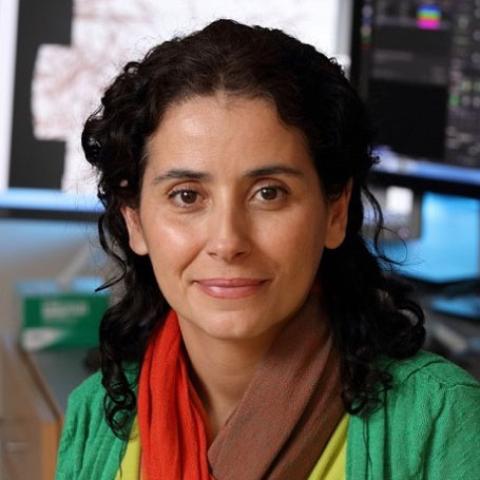
Prof. dr Milena Đorđević is an Associate Professor at the Department of Anatomy, Faculty of Veterinary Medicine, University of Belgrade. Her work focuses on veterinary anatomy, pharmacokinetics, and pathological studies in animals. Veterinary Anatomy Comparative Pharmacology Animal Physiology Diagnostic Imaging Techniques Her research spans anatomical variations in wildlife species, pharmacokinetic differences between animal species, and clinical diagnostics of canine/feline diseases. She has published extensively in veterinary journals like Acta Veterinaria and Veterinarski Glasnik , covering topics from rodent vascular systems to feline liver pathologies. Key collaborations include studies with researchers such as Vanja Krstić, Nikola Krstić, and Miloš Blagojević. Her work integrates histopathological , imaging , and clinical analysis for veterinary diagnostics and wildlife anatomical research.
Dr. Leah Chase-Wallar serves as Professor of Biology & Chemistry at Hope College since 2000, maintaining active research in the A. Paul Schaap Science Center with dual departmental affiliations in Chemistry and Biology. Her work bridges neurochemistry and molecular biology through investigations of oxidative stress mechanisms in neurodegenerative disorders. She earned her B.S. from the University of Michigan – Flint (1993) followed by a Ph.D. from the University of Minnesota (1999), establishing her foundation in biochemical neuroscience. Her research program centers on system x c - regulation, specifically examining how hydrogen peroxide modulates cystine/glutamate exchange to protect dopaminergic neurons in Parkinson's disease models. This involves advanced techniques including mammalian cell culture, immunocytochemical analysis, western blotting, and enzymatic assays for glutathione/peroxide measurement. Her publication trajectory (1994-2007) reveals evolving specialization: early comparative physiology work on reindeer nutrition transitioned into focused neuroscience research on glutamate transport systems, metabotropic receptor pharmacology, and neurotoxin mechanisms. The most recent publications demonstrate increasing emphasis on oxidative stress pathways relevant to Parkinson's disease. Dr. Chase-Wallar has secured substantial research funding including multiple Campbell Foundation grants (2001-2007), a Towsley Research Scholar award (2003-2006), and NSF support (2002-2003) for neuroscience laboratory development. Her Chase-Wallar Research Group actively involves undergraduate students in project design and execution within Hope College's Chemistry Department framework, with facilities in the A. Paul Schaap Science Center enabling cellular and molecular investigations of dopaminergic systems.
Dr. Ahmad Nawaz is an Assistant Clinical Professor of Internal Medicine at the Yale School of Medicine, specializing in gastrointestinal and hepatological research with a focus on hospital-based outcomes, infectious diseases, and critical care. His work integrates clinical practice with population health analysis, addressing topics such as Clostridioides difficile infection, colon ischemia, and the impact of obesity on hepatic conditions. Affiliations: Yale School of Medicine (Internal Medicine) Roles: Clinical educator, researcher, and contributor to multidisciplinary healthcare initiatives. Dr. Nawaz's research emphasizes translational medicine, bridging epidemiological trends with bedside care. Key areas include: Frailty and infection outcomes Endoscopic procedure safety Racial disparities in healthcare access Obesity-related comorbidities in liver disease His publications analyze national healthcare databases to identify trends in conditions like necrotizing pancreatitis, alcoholic hepatitis, and post-ERCP complications. Ongoing work explores the intersection of nutrition status and infection severity. Dr. Nawaz actively contributes to clinical guidelines through evidence-based studies on drug efficacy (e.g., GLP-1 inhibitors, rifaximin) and procedural outcomes (e.g., POEM, esophageal stents).
Xiu-Min Li is a Professor in the School of Medicine at New York Medical College , specializing in Pathology, Microbiology, and Immunology . She holds dual expertise in Traditional Chinese Medicine (TCM) and Western medicine , with a focus on integrative approaches to treating skin, respiratory, and digestive system disorders resistant to conventional therapies. Education: M.D., Henan University of Chinese Medicine Postdoctoral Fellowship in Clinical Immunology, Johns Hopkins University Her research integrates TCM principles with modern nano-medicine to isolate active botanical components for allergy and inflammation, enabling reproducible clinical applications. She has pioneered patents and co-founded a biotech startup to bridge lab-based natural products to real-world interventions. Recent publications highlight her work on TCM for pediatric allergies , cannabinoid derivatives in cancer , biomarkers in dermatitis , and microbiome-obesity links . A founder of the East-West Integrative Medicinal Symposia , she connects global experts in immunology and wellness technology. Key research themes include TCM molecular dissection , bioavailability challenges , immune system mechanisms , and microbiome-allergy interactions .
Alper GÜNGÖREN is a Lecturer in the Department of Food Hygiene and Technology at the Faculty of Veterinary Medicine, Kastamonu University since 2022. He holds a PhD in Food Hygiene and Technology from Fırat University (2016-2022) and a Bachelor's degree in Veterinary Medicine from Selçuk University (2009-2015). Current affiliation: Kastamonu University, Faculty of Veterinary Medicine, Department of Food Hygiene and Technology Past affiliation: Research Assistant at Bingöl University (2016-2022) His research focuses on Food Microbiology , Food Safety , and Animal Products Technology , with recent work on antimicrobial packaging, natural additives in food preservation, and microbial quality of meat and dairy products. The 15 most recent articles highlight his expertise in Food Science , Veterinary Medicine , and Biotechnology . Key trends include applications of chitosan films, propolis, and Borago officinalis in food safety, and studies on diabetes-induced insulin resistance in animal models. Collaborations with 52 researchers across institutions like Fırat University, Dicle University, and Harran University Active in projects related to food quality, antimicrobial agents, and poultry health His work contributes to Sustainable Development Goals related to responsible consumption and production, with a focus on green packaging and food safety innovations.
Anna Hayes is an Assistant Professor in the Department of Food Science and Technology at Oregon State University, affiliated with the Moore Family Center for Whole Grain Foods, Nutrition and Preventive Health. Her research program focuses on the gut-brain axis, specifically designing foods that alter food intake, metabolism, and cognition through gut-brain communication, with emphasis on utilizing food waste byproducts. Her educational background includes: B.S. in Food & Nutrition Science from St. Catherine University (2014) Ph.D. in Food Science from Purdue University (2021) Postdoctoral fellowship in Biological Sciences at the University of Southern California (2025) Dr. Hayes' research integrates nutritional neuroscience, obesity mechanisms, and food science to investigate how dietary components (e.g., slowly digestible carbohydrates, low-calorie sweeteners) impact cognitive function and metabolic health. She employs both human trials and rodent models to study neural pathways like the vagus nerve and oxytocin signaling, with particular focus on early-life nutrition effects and traditional African food systems. Her work bridges food waste valorization with cognitive health outcomes. Analysis of her recent publications (2023-2025) reveals three dominant research streams: (1) gut-brain axis mechanisms involving vagal signaling and oxytocin in memory regulation, (2) developmental programming of cognitive function through early-life diet (especially Western diets and food insecurity), and (3) metabolic impacts of carbohydrate digestion rates. Her global nutrition work examines traditional African foods like sorghum porridge in malnourished populations. Her scientific awards include: F32 Ruth Kirschstein National Research Service Award (NRSA) Postdoctoral Fellowship, NIH (2022-2025) Best poster award, International Behavioral Neuroscience Society (2024) Early Career Research Grant, The Obesity Society (2023) Trainee Professional Development Award, Society for Neuroscience (2023) Harry R. Kissileff Award for best oral presentation, Society for the Study of Ingestive Behavior (2023) 1st place oral presentation award, Diabetes & Obesity Research Institute (2022) Dr. Gideon 'Guy' Livingston Scholarship, Phi Tau Sigma (2020) Best student research award, Cereals & Grains Association Nutrition Division (2018) Feeding Tomorrow Graduate Scholarship, Institute of Food Technologists (2014-2015, 2018-2019) Dr. Hayes accepts graduate students for the Food Science and Technology Department and directs research supported by competitive grants including the NIH F32 fellowship and The Obesity Society's Early Career Research Grant. Her laboratory investigates neural mechanisms of diet-induced cognitive changes using physiological, behavioral, and molecular approaches. She collaborates with global nutrition initiatives focused on African food systems and participates in interdisciplinary projects at the Moore Family Center. She maintains active professional engagement through the Institute of Food Technologists, Society for the Study of Ingestive Behavior, American Society for Nutrition, The Obesity Society, and Phi Tau Sigma Honor Society, regularly presenting at major conferences in neuroscience and nutrition.
Philip Askenase is Professor of Medicine in the Department of Internal Medicine at Yale School of Medicine, with a focus on Immunology. He is affiliated with the Cancer Immunology program, the Center for Brain & Mind Health, and the Center for RNA Science and Medicine at Yale. Research Interests: Immunochemistry and cellular immunity B-1 B cell functions in T cell immunity Regulatory T cells and antigen-specific suppression Exosome-mediated transfer of miRNA (e.g., miRNA-150) in immune regulation Applications in allergy, autoimmunity, cancer, and spinal cord injury Development of exosome-based diagnostics (liquid biopsy) and therapeutics His recent publications highlight the role of extracellular vesicles in psychiatric conditions, pandemic prevention through chromatin vaccines, and systems vaccinology in HIV. These works reveal a strong trend toward interdisciplinary research bridging immunology, neuroscience, and regenerative medicine, with a focus on novel therapeutic delivery systems using exosomes. Scientific Awards: Legends of Allergy and Immunology (Wiley Online Library, 2023) Dr. Askenase has mentored numerous researchers and collaborators, though specific student names are not listed. His work has been supported by extensive research funding, particularly in immunology and exosome biology. He has contributed to major advances in understanding exosome carrier effects and their resistance to phagolysosomal digestion, which enhances targeted delivery. He is a key member of collaborative teams including the Yale Center for RNA Science and Medicine and the Cancer Immunology initiative. His lab investigates how exosomes from mesenchymal stem cells promote functional recovery in spinal cord injury through modulation of macrophage phenotypes and microvascular stabilization.
Professor Michael Grimm is the Clinical Associate Dean and Head of the St George and Sutherland Clinical School at the University of New South Wales, within the School of Clinical Medicine. He leads research initiatives in the Department of Gastroenterology, focusing on inflammatory bowel diseases and gastrointestinal immunology. Professor Grimm's educational background includes: MB, BS (Hons) from the University of Sydney PhD from the Australian National University FRACP (Fellow of the Royal Australasian College of Physicians) FGESA (Fellow of the Gastroenterological Society of Australia) Professor Grimm's research focuses on the immunopathogenesis of inflammatory bowel diseases , with particular interest in mucosal immunity, lymphocyte trafficking, and regulatory T lymphocytes. His work explores novel therapeutic strategies for IBD, the role of the appendix in gut immunity, and clinical, psychological, physiological and microbial predictors of IBD relapse. His laboratory investigates how gut microbial composition interacts with host immunity to influence disease progression and treatment response. Analysis of Professor Grimm's recent publications reveals a strong focus on the intersection of gut microbiome, immune function, and inflammatory bowel disease. His work increasingly incorporates multi-omics approaches to understand microbial dysbiosis in IBD patients compared to healthy controls, with particular attention to how dietary factors, obesity, and biological therapies influence disease outcomes. His research bridges clinical practice with basic science to develop more personalized treatment approaches. Professor Grimm has received numerous prestigious awards throughout his career: Gastroenterological Society of Australia Young Investigator Award (1993) Fenner Medal for outstanding PhD thesis (1996) Fulbright Postdoctoral Fellowship (1996) UNSW Vice Chancellor's Teaching and Research Award (2001) UNSW Faculty of Medicine Award for Outstanding Contributions to Student Learning (2008) Outstanding Clinician Award from the Gastroenterological Society of Australia (2017) Professor Grimm supervises multiple research projects in the Department of Gastroenterology and has secured significant grant funding for his work on inflammatory bowel diseases. His laboratory team collaborates with clinicians across Australia to translate basic research findings into improved patient care. Current research directions include investigating the relationship between obesity and IBD, developing multi-omic models of microbial communities in IBD, and studying the impact of biological therapies on patient outcomes. Professor Grimm leads the St George and Sutherland Clinical School research program, which includes multiple laboratories focused on gastrointestinal immunology, microbiome analysis, and clinical trials in inflammatory bowel disease. His team collaborates with the Australia IBD Microbiome (AIM) Study, a multicentre longitudinal prospective cohort study examining the relationship between gut microbiota and IBD progression.
Jennifer J. Tucker is an Associate Professor in the Department of Animal and Dairy Science at the University of Georgia's Tifton Campus within the College of Agricultural & Environmental Sciences. Her program focuses on improving beef cattle nutrition and production through forage quality assessment and grazing management strategies in the Southeastern United States. Research emphasizes alfalfa interseeding into bermudagrass Extension program addresses forage-based livestock production Recipient of multiple awards including the American Forage and Grassland Council Merit Award Her work spans forage management, beef nutrition, and sustainable agricultural practices, with recent publications exploring legume-grass mixtures and fermentation quality in baleage systems. She leads the Better Grazing Program and serves as REI Coordinator for UGA's Animal and Dairy Science Department. Awards: 2024-2025 Graduate-Extension Academy Student Career Success Influencer Award 2023 Garry D Lacefield Alfalfa Public Service Award 2021 Junior Extension Specialist of the Year 2019 American Forage and Grassland Council Merit Award 2019
Megan Cooper is an Adjunct Assistant Professor at the University of Kentucky College of Pharmacy and a clinical pharmacist in the Digestive Health Program at UK Healthcare. She specializes in hepatitis C treatment and pharmaceutical care for patients with decompensated cirrhosis, working closely with medical providers on patient evaluation and medication access. Her academic background includes a Doctor of Pharmacy from the University of Kentucky, followed by a PGY1 residency and academic fellowship at the same institution. She teaches pharmacy students and delivers educational lectures on hepatitis C care to healthcare professionals across Kentucky. Research Focus: Expanding access to hepatitis C treatment through policy analysis Clinical Expertise: Prior authorization processes, patient education, and monitoring Public Health Impact: Addressing Kentucky's high hepatitis C prevalence through community engagement Recent publications analyze Medicaid policy changes, telemedicine implementation, and pandemic effects on hepatitis C treatment access in rural populations. Her work bridges clinical practice with systemic healthcare improvements.
Andrzej Hellmann is a retired Professor from the Faculty of Medicine at the Medical University of Gdańsk. His work focused on hematology, oncology, surgical oncology, and transplantation medicine. He contributed to research on bone marrow and stem cell transplantation, leukemia and lymphoma treatment, and cancer genetics. Research interests include understanding the impact of genetic variations in cancer predisposition, managing complications in kidney and pancreas transplantation, and addressing rare surgical pathologies like ectopic pancreas and Meckel’s diverticulum. He also explored post-pandemic surgical adjustments and the role of biomarkers such as SPINK1 in chronic conditions. Dr. Hellmann has advised 7 promoted theses. His research has been published in over 750 articles, reflecting a strong emphasis on both clinical and translational studies. He holds a MEiN Score of 4,868 and has an associated Scopus profile, indicating extensive academic contributions. No specific scientific awards or grants are listed in the provided texts. Labs or dedicated research teams are not explicitly mentioned in his profile.
Christian Zafiu is an Assistant Professor at the Institute for Waste and Circular Economy, Department for Landscape, Water and Infrastructure, University of Natural Resources and Life Sciences, Vienna (BOKU). His research focuses on waste forensics, plastics, microplastics, compost, biogenic waste, and nanomaterials, with applications in environmental technology and recycling. He leads multiple research projects funded by the EU, national agencies, and industry partners. Education: PhD in Chemistry, University of Vienna (2007–2011) MSc in Chemistry, University of Vienna (2000–2006) His research spans waste analysis, circular economy, and environmental forensics, with a strong emphasis on microplastics in compost and soil, biodegradable plastics, and advanced analytical methods like fluorescence microscopy and XRF. He has contributed significantly to understanding plastic pollution and sustainable waste management practices. The recent publications reflect a consistent trend in environmental analysis of waste streams, particularly focusing on microplastics, compost quality, and innovative recycling technologies. His work integrates analytical chemistry, environmental engineering, and policy-relevant assessments. Scientific Awards: Matsumae International Fellowship (2014) Christian Zafiu actively supervises master’s theses and engages in knowledge transfer through lectures, public presentations, and media contributions. He has led and participated in numerous research projects, including EU-funded initiatives on biogas and resource recovery. His community service includes serving as Vice President of the Bündnis Mikroplastikfrei and as a reviewer for multiple scientific journals. He is involved in interdisciplinary research teams focusing on waste characterization, circular economy, and environmental safety. His work often collaborates with institutes across BOKU and international research centers.
Dr. Saskia Overbeek is a Researcher in the Department of Pharmacology within the Faculty of Science at Utrecht University. Her research spans immunology, pharmacology, and nutritional science with a focus on how dietary components modulate immune responses and inflammation. Dr. Overbeek's research interests include: Immune regulation through dietary components Human milk oligosaccharides and immune development Neutrophil biology in inflammatory conditions Gut-lung axis and mucosal immunity Microbiome-immune system interactions Development of nutritional interventions for immune-related disorders Her publication record (2007-2024) demonstrates an evolution from neutrophil biology in respiratory diseases to broader investigations of dietary immunomodulation. Recent work (2018-2024) focuses on how human milk oligosaccharides and other prebiotics influence immune responses, particularly their ability to suppress Th2 responses while enhancing Th1 and regulatory pathways. This research has implications for allergy prevention, vaccine efficacy, and inflammatory conditions. Key scientific contributions: Extensive publication record in high-impact journals including Nature Reviews Nephrology, PLoS One, and Gut Pioneering work on N-acetyl proline-glycine-proline and neutrophil-mediated inflammation Significant contributions to understanding gut-kidney axis in chronic kidney disease Research on how dietary components modulate immune responses in vaccination and allergy contexts Dr. Overbeek has maintained extensive collaborations with researchers at Utrecht University, particularly with colleagues in pharmacology, immunology, and nutritional sciences. Her work typically employs in vitro models using intestinal epithelial cells and immune cells, complemented by murine models to study immune responses in vivo.
Professor Philip Doble is a Distinguished Professor at the University of Technology Sydney (UTS), leading the Elemental Bio-imaging Facility (EBF) within the School of Chemistry and Forensic Science. His work focuses on developing advanced analytical techniques, including laser ablation-ICP-MS and chip-based liquid chromatography systems, to address complex problems in metallomics, forensic science, and biomedical research. The EBF collaborates internationally and nationally, fostering innovations in metal distribution analysis, toxicology, and disease mechanisms. His research spans multiple disciplines, including the role of trace metals in infectious diseases, cancer biomarker identification, and environmental exposure studies. Notable achievements include the 2013 Vice Chancellor's Award for Research Excellence. Current funded projects include coral resilience studies and metastatic breast cancer diagnostics. Doble supervises postgraduate students and actively contributes to forensic science advancements through interdisciplinary collaborations. Key research areas include: Analytical chemistry innovations for biological systems Metal interactions in host-pathogen interfaces Breast cancer biomarker quantification Environmental metal pollution analysis Neurological disease metallomics Grants and collaborations include projects on MRI contrast agent environmental impact, dystrophin-glycoprotein complex imaging, and forensic drug detection. His lab's cutting-edge technologies enable multiplexed elemental and biomolecular imaging, bridging analytical chemistry with clinical and environmental applications.
Eyleen Jorgelina O'Rourke is an Associate Professor of Biology and Cell Biology at the University of Virginia. She leads the Aging and Obesity Lab and is a member of the Robert M. Berne Cardiovascular Research Center. Her work investigates how conserved gene networks in Caenorhabditis elegans adapt to food availability, focusing on the intersection of aging, obesity, and metabolic disease. Her research employs functional genomics, biochemistry, and physiological approaches to understand how dysfunctional networks contribute to conditions like diabetes and cardiovascular disease. Her research interests center on evolutionary adaptation to nutrient scarcity, using C. elegans as a model to study autophagy, lipid metabolism, and transcriptional regulation. Key areas include nutrient-sensing pathways, autophagy-lipolysis crosstalk, and the role of polyunsaturated fatty acids in lifespan extension. Dr. O’Rourke has secured a Pathway to Independence Award from the NIH’s National Institute of Diabetes and Digestive and Kidney Diseases. Her lab develops high-throughput screening tools and image analysis methods to quantify lipid metabolism and phenotypes in C. elegans , bridging basic science with translational applications. Her research narrative includes collaborative grants focusing on metabolic networks and aging, with a focus on lab-to-clinic translational outcomes. Ongoing work explores how evolutionary conserved mechanisms respond to modern dietary challenges, aiming to identify therapeutic targets for metabolic disorders.