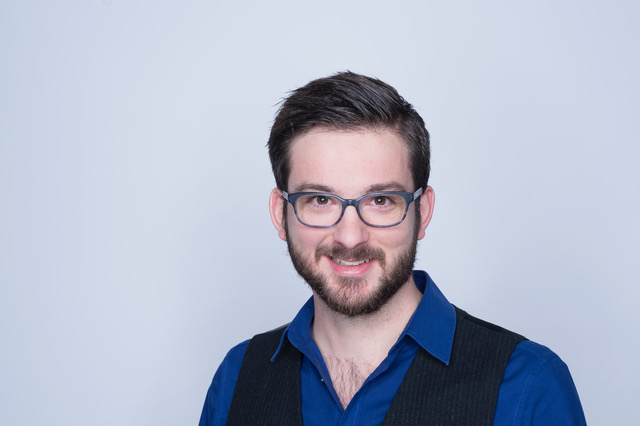
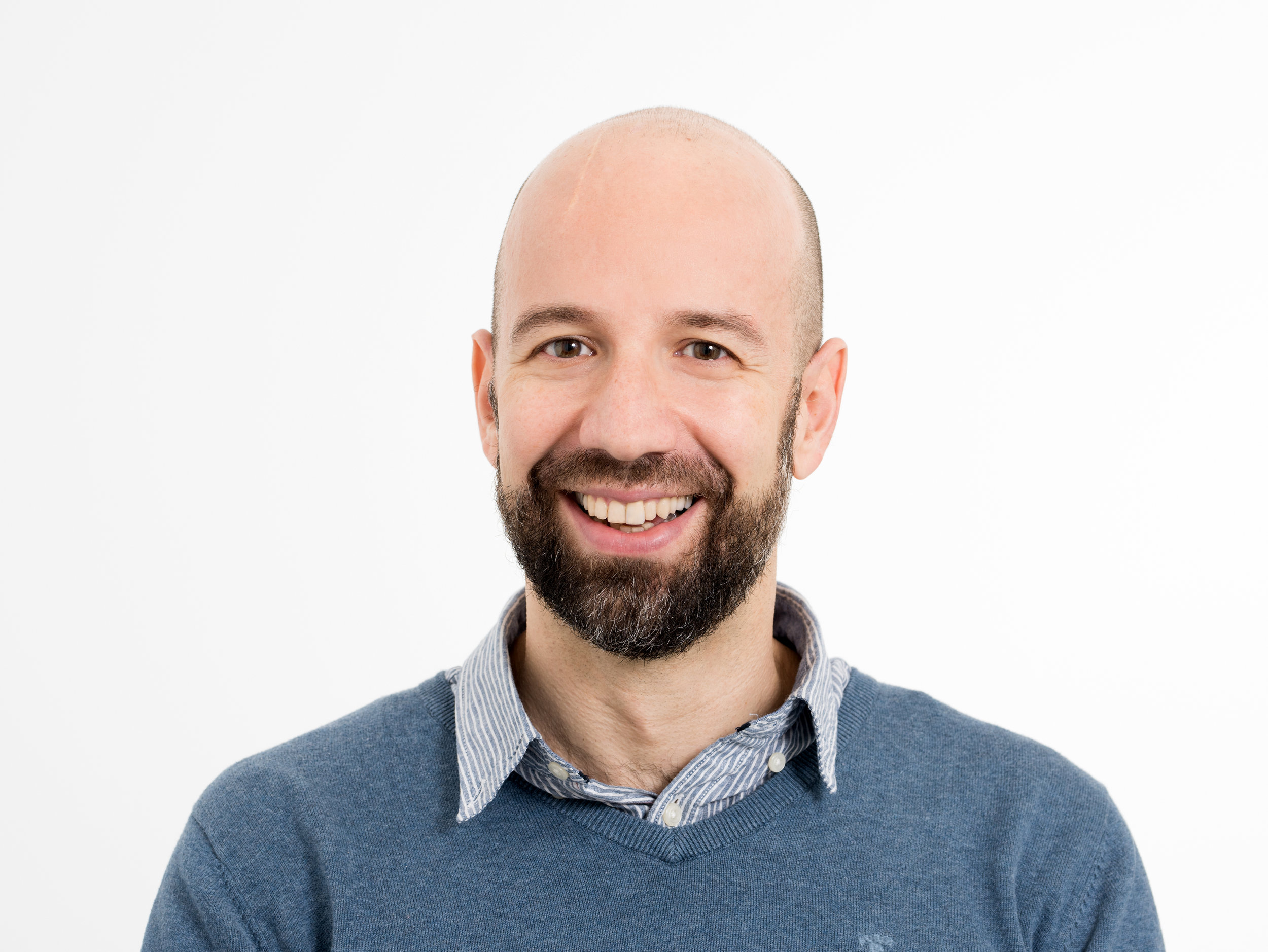
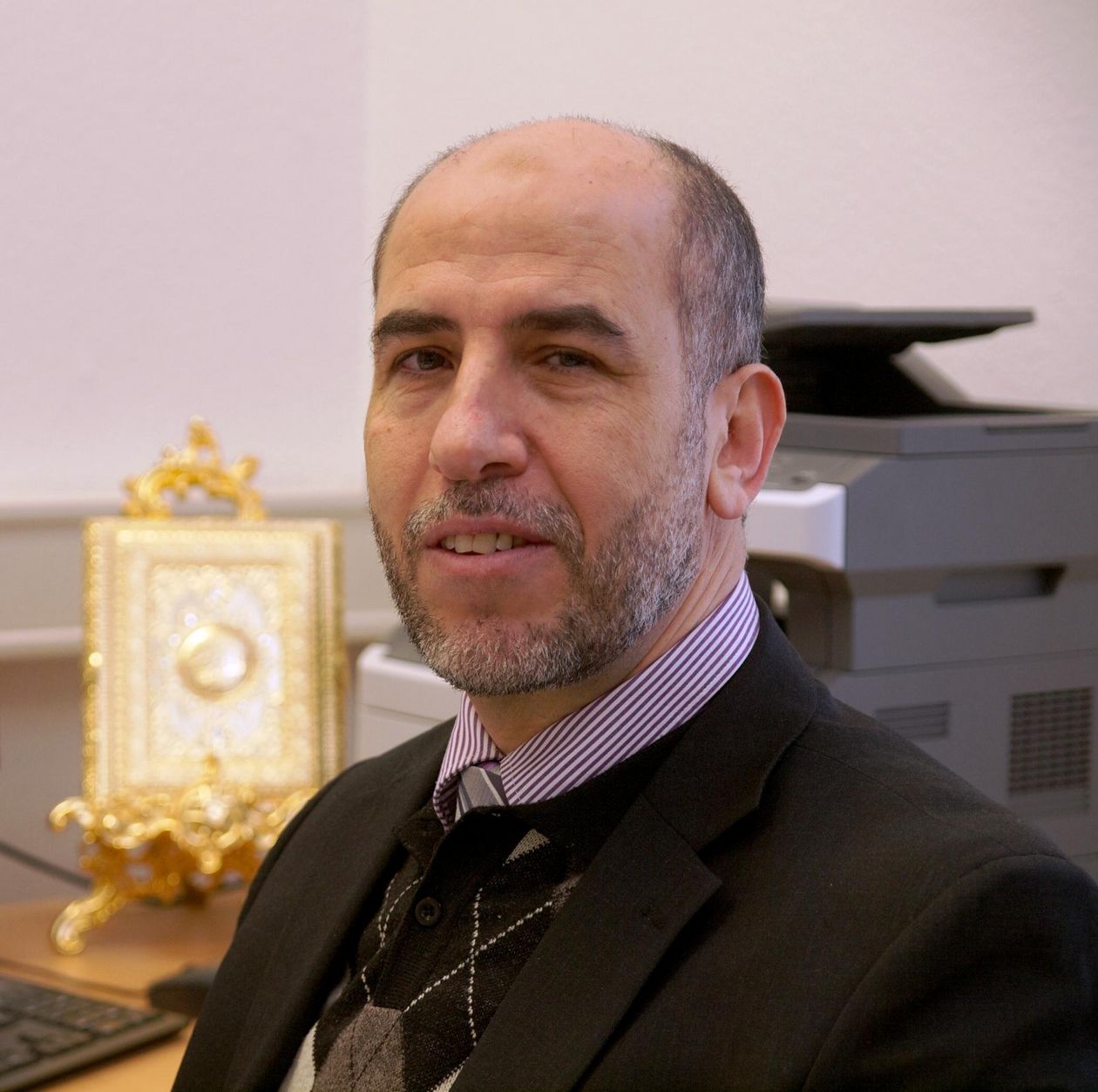
Anders Philipsson is a Senior Lecturer and Assistant Head of Department at Stockholm University , affiliated with the Department of Teaching and Learning . Contact details include email anders.philipsson@su.se and phone number 08-120 766 35. His office is located in Room P505 at Svante Arrhenius väg 20 A, 106 91 Stockholm, Sweden. Academic role focuses on pedagogy and educational research Leadership position as Assistant Head of Department Departmental affiliation spans teaching, learning, and subject didactics
Dr. Manuel S. Hubacher is a Research Fellow at the Centre for Democracy Studies Aarau (ZDA) at the University of Zurich and a Postdoctoral Collaborator at the Albert Hirschman Centre on Democracy at the Geneva Graduate Institute. He also serves as a Research Associate at the Center for Political Education and History Didactics within the Institute for Research and Development at PH FHNW (School of Education of the University of Applied Sciences and Arts Northwestern Switzerland). His academic background includes a doctorate in political philosophy from the University of Bern (2015-2023), a Master of Arts in Political, Legal, and Economic Philosophy from the University of Bern (2011-2014), and a Bachelor of Arts in Political Science from the University of Bern (2007-2011). Dr. Hubacher's research centers on digital citizenship education, exploring how citizens can develop critical competencies to navigate digital spaces. His work examines the theoretical foundations of digital citizenship, the role of argumentation and judgment in civic education, and practical approaches to implementing civic education across school curricula. He investigates how political education can address the challenges posed by artificial intelligence and digital technologies to democratic processes. His recent publications reveal a strong focus on AI literacy in political education, with particular emphasis on how generative AI systems can be used as educational tools. His research demonstrates how narrative foresight methods enable youth to explore future scenarios with AI, developing positive visions while critically examining technology's political dimensions. His work bridges political philosophy, educational theory, and digital technology studies. Dr. Hubacher has been leading the "Stories of the Future" project, which investigates how to build AI competence through generative AI systems. This innovative workshop format, inspired by participatory youth action research, design fiction, and narrative foresight, enables young people across Switzerland to develop critical understanding of AI systems while exploring their political implications and shaping future democratic possibilities.
Leonie Gossner is a Teaching and Research Assistant at the Institute of Educational Science, University of Zurich, since 2022. She also serves as a primary school teacher in Bülach (2015-2025) and held leadership roles as Head of Bülach Primary School (2018-2022). Her research focuses on teaching quality, cognitive activation, student feedback mechanisms, and instructional design. She has presented at conferences like EARLI and GEBF, with publications centered on classroom assessment tools (INSULA 2.0) and longitudinal studies of teaching practices. Current courses: Educational Processes and Teaching (Groups B and D) at the University of Zurich (2025) Training: Certificate of Advanced Studies in Higher Education Didactics (2023–2025), Master of Arts in Education (2018–2022), and Bachelor of Arts in Primary Education (2012–2015) Her work spans cognitive activation in mathematics education, validation of student questionnaires for teaching quality, and evidence-based instructional development. She collaborates with institutions like the Technical University of Munich and University of Cyprus, and is a member of the Society for Empirical Educational Research (GEBF), EARLI, and SGBF.
Stefan Bengtsson is a Senior Lecturer at Uppsala University's Department of Pedagogy, Didactics and Educational Sociology , specializing in environmental education, sustainable development, and speculative pedagogical theories. Research focuses on dark pedagogy, object-oriented didactics, and the philosophical dimensions of education in the Anthropocene. Key contributions include frameworks for emotionally sensitive climate change education and critiques of globalization in educational policy. Collaborates with international scholars in publications about controversial topics in sustainability education. Recent articles explore speculative realism, dark pedagogy, and T-learning in environmental education contexts. His work bridges critical theory, post-humanism, and practical curriculum design for sustainability. Notable collaborations include projects on constructive journalism for climate educators and decolonial eco-pedagogy.
Lisa M. Pohlman serves as a Professor of Clinical Pathology in the Department of Diagnostic Medicine/Pathobiology within the College of Veterinary Medicine at Kansas State University. With over 15 years of experience at KSU, she has held various roles including providing diagnostic clinical pathology services and serving as Director of the Clinical Pathology Laboratory for a decade. Her primary focus now centers on teaching and mentoring veterinary students through didactic lectures, laboratories, small group discussions, and one-on-one mentorship. Dr. Pohlman's educational background includes: BSc (1999) from the University of Guelph DVM (2001) from the University of Guelph MS (2007) from Auburn University Diplomate ACVP (2007) Her research spans clinical pathology, veterinary diagnostics, and shelter medicine. Dr. Pohlman's work focuses on improving clinical pathology laboratory methods and identifying disease patterns in domestic species, particularly shelter/rescue animals and pets owned by individuals with limited financial resources. She has dedicated significant effort to educational research, completing two teaching certificates through the Online Learning Consortium during a 2017 sabbatical, skills she effectively applied during the COVID-19 pandemic. Her scholarly output demonstrates expertise across multiple clinical pathology domains with emphasis on practical diagnostic interpretation and common errors in veterinary practice. Her significant contributions to veterinary education have been recognized through numerous prestigious awards: ASVCP Educator Award (November 2022) Elanco Teaching Excellence Award (November 2021) Zoetis Distinguished Veterinary Teacher Award (May 2019) Bayer Excellence in Teaching Award (October 2017) Phi Zeta Manuscript Award for Basic Science (January 2009) (ASVCP) Young Investigator Award (December 2006) As an educator, Dr. Pohlman has taught thousands of veterinary students and mentored numerous interns, residents, and graduate students. She serves as a permanent resource for former students and practicing veterinarians through her publications and speaking engagements. Beyond her academic role, she serves as President and Medical Director of the Riley County Humane Society and has been instrumental in developing shelter medicine programs at KSU, combining her dual roles to provide valuable animal handling experience for veterinary and pre-veterinary students.
Fares Kayali is a full professor of digital education and learning at the Centre for Teacher Education at the University of Vienna, appointed in 2018. He also lectures regularly at the University of Applied Arts Vienna and serves as co-founder of the Positive Impact Games Lab. His academic journey includes previous work as an assistant professor at the Human-Computer Interaction Group at the Vienna University of Technology. His research interests span across informatics, didactics, arts and Human-Computer Interaction (HCI), with a focus on teacher education and digital learning, healthcare technology, game design and gamification, as well as music computing and interactive art. Kayali's work emphasizes participatory design approaches, computational empowerment, and technology-mediated audience participation. His publications reveal a strong focus on digital transformation in education, game-based learning methodologies, and the integration of digital competencies into teacher training curricula. Recent work explores emerging areas such as AI in education, virtual reality applications, and the use of digital tools for marginalized communities. Among his notable scientific achievements are awards including Best Paper Candidate & Honorable Mention at Foundations of Digital Games FDG 2018, Best Paper Award at International Conference on Virtual Rehabilitation (ICVR2017), and ACM Honorable Mention at ACM CHI 2017. His works have also been recognized by prestigious awards such as IndieCade, the Independent Games Festival, Europrix, and Games for Change. Kayali leads several research projects including Teaching Digital Thinking, We:Design, Working Sober, Serious Game Changers, and is a core team member of the #YouthMediaLife research group. His work contributes significantly to Sustainable Development Goals related to quality education and reduced inequalities.
Ismo Koponen serves as Professor in the Department of Physics at the University of Helsinki, holding dual Docent titles in Didactical Physics (University of Jyväskylä, 2000) and Computational Physics (University of Helsinki, 1995). He supervises the Doctoral Programme in Particle Physics and Universe Sciences and leads a research group comprising two senior researchers, two postdocs, and two doctoral students. His educational background includes: Dosentti (Docent) in Didactical Physics, University of Jyväskylä (awarded September 1, 2000) Dosentti (Docent) in Computational Physics, University of Helsinki (awarded September 1, 1995) Koponen's research centers on physics education, particularly modeling learning processes and cognitive development through network approaches to concept learning and conceptual change frameworks. His work bridges theoretical physics education with practical teacher training, focusing on quantum optics instruction, epistemological roles of models, and empirical analysis of learning dynamics in higher education. Computational material physics constitutes his secondary research stream. Analysis of his 156 research outputs reveals a pronounced shift toward quantum optics education since 2020, with 23 publications specifically in physics education research. Recent work emphasizes pre-service teacher training, utilizing network analysis to map conceptual understanding of wave-particle duality and photon concepts, while integrating social dynamics into classroom interaction models. He actively supervises doctoral candidates, with supervision records dating from 2012 to present, and manages research projects including Learning Abstract Scientific Knowledge in Higher Education (2017-2021). His group secures funding for investigating relational conceptual schemes and knowledge structuring in physics education. Koponen's Physics Education Research Group maintains infrastructure for classroom interaction studies and conceptual network analysis, collaborating internationally on quantum optics curriculum development and teacher training frameworks.
Åsa Mårtensson is a Senior Lecturer at Linköping University's Department of Pedagogy and Adult Learning (PVL). Her work bridges vocational education research, teacher training, and adult learning initiatives. She coordinates the Vocational Teacher Training Program and contributes to pedagogy, didactics, and social relations teaching. PhD in Philosophy (2021) Licentiate in Philosophy (2014) Upper Secondary School Teacher's Degree (1997) Preschool Teacher's Degree (1989) Her research focuses on vocational teachers' didactic work and tensions between school-based and workplace-based education. She collaborates with vocational teachers to explore strategies for integrating practical and academic knowledge. Publications highlight her contributions to vocational education theory, classroom pedagogy, and adult learning frameworks. Recent works examine spatial teaching methods, school-workplace continuity, and boundary-crossing educational practices. She serves as: Program Responsible Training Manager for the Master's Program in Pedagogy for Vocational Teachers National Expert on Vocational Education for Cedefop (2024–2027) Åsa also contributes to LiU's Higher Education Pedagogy Center and holds teaching licenses in Social Studies and Children/Fritidsprogram subjects.
Omar Hamdan is a researcher at the Center for Islamic Theology , University of Tübingen, specializing in Qurʾānic studies and Islamic theology. His work focuses on Qurʾānic orthography , variant readings , and the historical development of the Qurʾānic text . He serves on the Center Council and Study Commission, and his office hours are held during the Summer Semester 2025. His research interests include Qurʾānic exegesis , abrogation doctrine , inimitability of the Qurʾān , and early Islamic manuscript culture . He has extensively analyzed non-canonical readings, diacritical marking systems, and the role of private Qurʾānic codices in the 7th century. Advising: Supervised MA students on topics like verses of violence and peace , Qurʾānic didactic synthesis , and Qurʾānic grammar schools . Grants: Received support from the Federal Ministry of Education and Research (BMBF) for Qurʾānic text editions. Labs/Teams: Collaborates with international scholars on Corpus Coranicum projects and serves as editor for Qurʾānic studies series at the University of Tübingen.
Professor Catriona Maria McDaid is an applied health researcher at the University of York , affiliated with the York Trials Unit and Department of Health Sciences . She serves as Co-director of the NIHR RSS Hub and previously as Director for the ESRC White Rose Doctoral Training Partnership (WRDTP) Wellbeing, Health and Communities Pathway. Her work focuses on evaluating complex interventions, particularly in orthopaedic surgery, through randomised controlled trials and systematic reviews. BSc in Psychology, Queen’s University Belfast MSc in Science Communication, Queen’s University Belfast/Dublin City University PhD in Neuropsychological Sequelae of Transient Brain Insult, Queen’s University Belfast Post-graduate Certificate in Academic Practice, University of York McDaid specializes in evaluation of complex interventions , with a focus on surgical and health technology assessments. Her research spans randomised controlled trials , feasibility studies , mixed methods research , and evidence synthesis . Key projects include DIDACT (displaced clavicle fractures), HAMLET (knee amputation comparisons), and RESTART PD (Parkinson’s disease interventions). Her recent publications emphasize patient-reported outcome measures , acceptability of surgical interventions , and core outcome domains in orthopaedic care. McDaid’s 15 most recent articles highlight advancements in trauma surgery , reconstructive procedures , and health technology assessment . Trends include the development of core outcome sets , evaluation of prosthetic devices , and optimization of return-to-work interventions post-surgery. Her work bridges clinical outcomes with health economics , emphasizing patient-centered care and evidence-based practice . McDaid supervises students such as Nickil Agni (efficient study design) and Adam Watts (clinical trials in orthopaedic arthroplasty). She contributes to the Postgraduate Certificate in Health Research Methods and leads the Systematic Reviews Module at the University of York. Her external roles include membership in NIHR committees and editorial work as Associate Editor for Systematic Reviews BMC . McDaid leads the York Trials Unit Senior Management Team and collaborates on international projects like the SCIENCE trial . Her research groups focus on trials methodology and statistical analysis in health research.
Matthias Seitz is a lecturer at the Bavarian Academy of Performing Arts in Regensburg and affiliated with the Chair of Music Education at the University of Regensburg. He has taught practical piano at the University of Music and Theatre in Munich (2008–2024), piano at Haar Music School (2010–2021), and singing at the Gisela-Gymnasium in Munich (2011). His research focuses on music pedagogy, eye tracking in ensemble performance, and pandemic-related educational adaptations. Education: Studied music teaching at grammar schools at the University of Music and Theatre in Munich (2003–2008) Research Interests: Seitz's work bridges music education, empirical research, and technology. His recent studies examine eye tracking in vocal ensembles, didactic strategies during the pandemic, and career decisions in artistic professions. He emphasizes multimodal methodologies and digital tools for real-time music analysis. Scientific Awards: Richard Wagner Scholarship (2002) Dieter Ulrich Music Prize with Con Voce (2002) First Place at Bavarian Choir Competition (2013) Leopold Prize (2017/2018) Winner of 'Night of Choirs' (2018) Hessian Choir Festival First Place and Special Prize (2023) Grants & Collaborations: His 2024 pandemic-era didactic research was published by Wißner-Verlag. He collaborates with institutions like HSD Döpfer University and Max Planck Institute for Empirical Aesthetics.
Merilin Aruvee is a Lecturer in L1 Didactics and Applied Linguistics at Tallinn University, where she also serves as Head of the Estonian Language and Culture Department. She holds a PhD in Linguistics and specializes in Systemic Functional Linguistics (SFL) applied to literacy teaching, disciplinary literacy frameworks, and innovative grammar instruction methods. Her work bridges theoretical research with practical teacher training and curriculum development. Her research focuses on genre pedagogy, unmarked language teaching methodologies, and cross-disciplinary literacy integration. Recent studies include empirical investigations into genre-based instructional frameworks and case analyses of innovative language projects (e.g., tlü-S project). Aruvee has authored middle school literature workbooks and contributed to teacher education programs. Her publications emphasize closing gaps between educational theory and practice, particularly in Estonian language and literacy development. She actively mentors baccalaureate students and supervises teacher trainees in practical language courses.
Merilyn Meristo is an Associate Professor of French at Tallinn University, specializing in foreign language education and teacher training. She holds a PhD in educational sciences, focusing on novice teachers’ motivation, self-efficacy, and school climate. Her research interests span CLIL, ESP, and language acquisition, with a strong emphasis on applying Self-Determination Theory. Her work explores themes such as multilingual classroom dynamics, teacher collaboration in CLIL contexts, and the historical evolution of foreign-language education in Estonia. Notable contributions include analyses of virtual classroom experiences during the pandemic and comparative studies on teacher support systems in Estonian and Finnish schools. Meristo’s publications highlight trends in educational leadership during crises, adolescent motivation in language learning, and the role of psychological needs in fostering engagement. Her research bridges theoretical frameworks with practical applications, influencing teacher training programs and policy recommendations.
Prof. Anton Pokrivčák is a Professor at the Department of English Language and Literature, Faculty of Arts, Trnava University. He holds multiple administrative roles including member of the program board for Philology and Didactics, coordinator for doctoral programs in Theory of Language and Literary Education, and e-learning coordinator. His expertise spans literary theory, digital humanities, American literature, and comparative studies. Pokrivčák actively contributes to interdisciplinary research, focusing on digital pedagogy, world literature, and the intersection between technology and literary interpretation. Education details are documented in his provided PDF, though specific academic milestones are not elaborated here. His research emphasizes modern and contemporary literary analysis, with a particular interest in Romanticism, intercultural studies, and the future of literary education in the digital age. He coordinates e-learning initiatives using platforms like MS Teams and Moodle. Consultation hours are held online Mondays 18:00–20:00, requiring prior email arrangement. His work bridges traditional literary scholarship with innovative digital methodologies, advocating for global literary perspectives and critical pedagogical practices.
Prof. Dorothea Baier is a Professor of General Instrumental Didactics at Folkwang University of the Arts, affiliated with Faculty 2. Her expertise spans music pedagogy, early instrumental education, and oboe performance. She holds a degree from the Cologne University of Music and has extensive teaching experience since 1990, including leadership roles at Leverkusen Music School. Her research emphasizes collaborative teaching methods and early childhood music instruction. Education: Studied Oboe, Music Pedagogy, and Composition at Cologne University of Music (1984–1988) Additional studies in Music Theory with Roland Löbner and Michael Schmoll Research Interests: Prof. Baier focuses on innovative approaches to teaching woodwind instruments to children, curriculum development for young learners, and the integration of collaborative practices in music education. Her work bridges traditional pedagogy with modern methodologies, emphasizing accessibility and creativity. Teaching & Activities: Adjunct Professor for General Didactics at Cologne University of Music (1994–2013) Guest lectures and teacher trainings nationwide Developed award-winning materials like 'Heximex und Gruseltango' for early oboe education Labs/Teams: Active in curriculum design committees and collaborates with music schools across Germany.