Hendrikus L Granzier is a Professor of Physiology at the University of Arizona, with a secondary affiliation at Washington State University (1993–2007). His research focuses on cardiac and skeletal muscle mechanics, particularly the role of titin and nebulin proteins in health and disease. He holds a Ph.D. in Bioengineering from the University of Washington, Seattle. Research interests include: 1) Titin's role in heart function and disease (HFpEF, cardiomyopathy), 2) Mechanotransduction pathways, 3) Genetic disorders like nemaline myopathy, and 4) Myofilament dysfunction in heart failure. His work spans basic science (mouse/zebrafish models) to clinical translation (drug screening for OM therapy). Recent articles emphasize disease mechanisms (e.g., TTN mutations in skeletal myopathy), therapeutic strategies (myostatin inhibition, RBM20 targeting), and novel models (CRISPR-edited nebulin mice). Awards include Honorary Doctorate from Semmelweis University (2022) and NIH SMEP study section membership. He teaches advanced courses like 'Cardio Muscle Bio & Disease' across multiple departments (BME, PSIO, MCB). Grants and lab activities include NIH-funded mechanotransduction studies, AHA-supported projects on HFpEF, and collaborative work with institutions like Semmelweis University. Future directions include CRISPR-based therapies for titinopathies and biomaterials for disease modeling.
Alaa Alashi is a Clinical Fellow at the Yale School of Medicine, specializing in Internal Medicine and Clinical Informatics. His research focuses on integrating advanced imaging technologies, artificial intelligence, and data science to improve cardiovascular diagnostics and outcomes. Education: MD from Damascus University Faculty of Medicine (2013), MHS in Clinical Informatics at Yale (2024), Research Fellowship at Cleveland Clinic Foundation (2019), Residency at Texas Tech University Health Sciences Center (2021) Research Interests Cardiovascular imaging (SPECT, CT, PET) Machine learning applications in medical diagnostics Vascular biology and ischemia modeling Psychosocial factors in peripheral artery disease Cardiac stress testing and functional assessment Publications (2023-2025) highlight innovations in cardiac imaging and vascular research , including AI-driven SPECT sampling, histologic outcome predictors in cardiomyopathy, and sex-specific pain profiles in PAD. Collaborative work spans Yale, Cleveland Clinic, and Texas Tech . Scientific Awards 2024: Simon Dack Award (National) 2020: Outstanding Research Accomplishments Award 2018: Best Reviewer (Annals of Internal Medicine)
Lauren A. Baldassarre, MD, is an Associate Professor of Medicine (Cardiovascular Medicine) at Yale School of Medicine, serving as Vice Chief of Cardiovascular Medicine and Director of the Cardiac MR/CT Program. She leads the Cardio-Oncology Program at Yale Cancer Center, focusing on managing cardiovascular side effects of cancer therapies. Her research integrates advanced imaging modalities like MRI and CT to study cardiovascular diseases, particularly in oncology patients. She completed her MD at Georgetown University School of Medicine (2006), followed by residency at New York Presbyterian Hospital and fellowships in cardiovascular medicine at Georgetown and Memorial Sloan Kettering Cancer Center. Her academic roles include leadership in professional organizations such as the Society for Cardiovascular Magnetic Resonance and the Society of Cardiovascular Computed Tomography. Dr. Baldassarre’s research emphasizes early detection of therapy-related cardiotoxicity and optimizing imaging protocols. She leads clinical trials, including one evaluating cardiac MRI in myocarditis. Her interdisciplinary work bridges cardiology, oncology, and biomedical engineering, with over 90 peer-reviewed publications. Her clinical practice focuses on cardio-oncology consultations, providing risk assessment and management for cancer patients. She advocates for diversity in the imaging workforce and mentors fellows in advanced cardiac imaging.
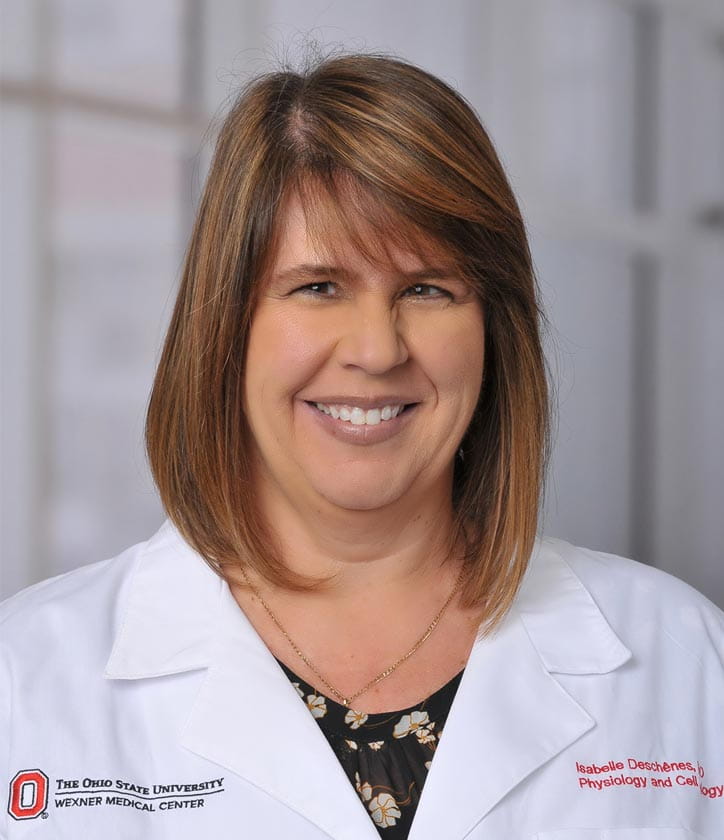
Isabelle Deschenes is a Professor and Chair in the Department of Physiology & Cell Biology at The Ohio State University. Her research focuses on the molecular mechanisms underlying cardiac arrhythmias, particularly the roles of ion channels (e.g., sodium, potassium) and their accessory subunits in regulating cardiac excitability. She employs electrophysiological, biochemical, and imaging techniques to study inherited channelopathies and heart failure-related arrhythmias. Her work includes using patient-derived induced pluripotent stem cells (iPSCs) to identify genetic modifiers influencing disease severity. Education: PhD from Laval University, Canada (Quebec City), followed by postdoctoral training at Johns Hopkins University. Research Interests: Her lab investigates ion channel structure-function relationships, mechanisms of incomplete penetrance in channelopathies, and the role of KChIP2 in regulating cardiac excitability through multimodal approaches (e.g., transcriptional regulation of miRNAs). Key topics include sodium channel trafficking, arrhythmia pathogenesis, and therapeutic targeting of ion channels. Articles: Recent studies highlight structural insights into sodium channels, microRNA regulation of cardiac function, and the impact of genetic variants on ion currents. Her work bridges basic science with translational applications, such as iPSC-based modeling of inherited arrhythmias. Labs/Teams: Leads a research group focused on molecular cardiology and arrhythmia mechanisms, collaborating on projects involving electrophysiology, genetics, and stem cell biology.
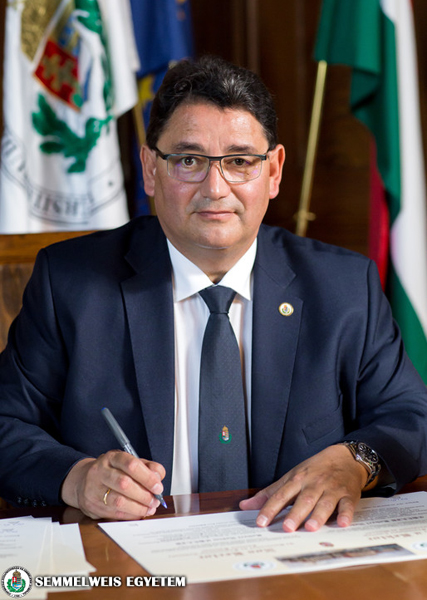
Béla Merkely is a Hungarian cardiologist and academic leader currently serving as Rector of Semmelweis University (since 2018) and previously as Chairman of the Sports Medicine Department (since 2019) and Director of the Heart and Vascular Centre (since 2007). He is a Professor of Medicine at Semmelweis University and a Professor at Pázmány Péter Catholic University. Academic Leadership : Rector (2018–present), Vice-Rector for Clinical Affairs (2015–2018), President of Semmelweis University’s Hospital (2015–2018). Professional Roles : Honorary President of the Hungarian Society of Cardiology, former President of the Cardiology Section of the Professional College. Research Focus : His work bridges clinical and experimental cardiology, with key interests in non-pharmacological treatment of heart failure , arrhythmia mechanisms , cardiac imaging , and interventional cardiology . He has pioneered stem cell research and translational labs at Semmelweis University. Scientific Contributions : Over 980 peer-reviewed articles (cumulative impact factor: >4000) and leadership in multinational trials like PARADISE-MI and EMPEROR-Preserved , focusing on novel therapies for heart failure and acute myocardial infarction. His team integrates machine learning for CRT mortality prediction. Scientific Honors : Széchenyi Prize (2021), ESC Silver Medal (2018), Bolyai Award (2004), and multiple national accolades. Clinical Expertise : Performs ~1,000 diagnostic coronarographies/PCIs annually and specializes in pacemaker/ICD/CRT/TAVI/Mitraclip implantations.
Dr. Benjamin Prosser is an Associate Professor at the Department of Physiology, Perelman School of Medicine, University of Pennsylvania. He leads a multidisciplinary lab combining cellular biophysics, cardiology, and RNA biology to develop therapies for heart and brain diseases. Prosser is also a mentor in Penn's SUIP and PREP programs, hosts workshops for underrepresented STEM undergraduates, and serves on the admissions committee for the Cell Biology, Physiology and Metabolism graduate group. His research focuses on cardiac mechanobiology , particularly how microtubules regulate heart cell mechanics and signaling. Recent work has expanded into neurodevelopmental disorders following his daughter's diagnosis with STXBP1 encephalopathy, leading to antisense oligonucleotide therapy development. The lab also investigates heart failure mechanisms using human iPSC models and advanced imaging techniques. Analysis of his recent publications reveals trends in tubulin post-translational modifications , sarcomere mechanics , and neurogenetic disorders . Key collaborations include the Leducq Cytoskeletal Network , the STXBP1 Foundation , and Ionis Pharmaceuticals . Awards highlight his contributions to early career cardiology and translational research . Scientific Awards 2011 Outstanding Postdoctoral Scholar Award 2017 Linda Pechenik Montague Investigator Award 2017 AHA Early Career Investigator 2018 UM SOM Outstanding Alumnus 2021 Leducq Transatlantic Network Coordinator Prosser's lab is affiliated with the Pennsylvania Muscle Institute , Cardiovascular Institute , and professional societies including the Biophysical Society and American Heart Association . His work bridges basic science and clinical applications , emphasizing diversity initiatives in STEM training.
Jessica Andrea Filosa is a Professor in the Department of Physiology at the Medical College of Georgia, Augusta University. She has been with the institution since 2008, progressing from Assistant Professor to Associate Professor (2014-2019) to her current position as full Professor since 2019. Her research focuses on understanding the signaling mechanisms governing bi-directional communication among various cell types within the brain, particularly between neurons and their surrounding glial and vascular cells. Her educational background includes: Ph.D. in Biomedical Sciences from Wright State University (2002) M.S. in Biology from Emporia State University (1997) Dr. Filosa's research interests center on neurovascular coupling, the process by which neuronal activity is translated into changes in cerebral blood flow. She investigates how astrocytes serve as intercellular bridges between neuronal activity and vascular dynamics, with particular focus on the signals released during hyperemic responses, how astrocytes decode different degrees of neuronal activity, and the ion channels and receptors involved. Her work spans multiple specialized brain regions including the somatosensory cortex, supraoptic nucleus, and hypothalamus. Her laboratory employs advanced techniques such as electrophysiological recordings, intracellular Ca 2+ signaling measurements, high-speed confocal Ca 2+ imaging, and brain slice preparations to characterize neuron-glial-vascular communication in health and disease states. Analysis of Dr. Filosa's recent publications reveals a strong focus on how neurovascular coupling is disrupted in conditions such as hypertension, Alzheimer's disease, diabetes, and stroke. Her work increasingly examines blood pressure variability as a key factor in cerebrovascular and cognitive dysfunction, with several recent papers investigating molecular targets like ADAM17 and soluble epoxide hydrolase as potential therapeutic interventions for vascular cognitive impairment. Her notable scientific achievements include: Hamilton Scholar in Physiology (Department of Physiology, Augusta University, 2017) Outstanding Young Research Scientist (Georgia Health Sciences University, 2012) Participant in NIH Study (2023) Dr. Filosa has successfully mentored graduate students including Jennifer Iddings (PhD student, 2010-2015) and currently oversees lab personnel including Postdoctoral Fellow Perenkita Mendiola and Research Assistant Adriana Langer Gramer. Her research is supported by multiple NIH grants, including an NHLBI-funded project on inverse neurovascular coupling in the hypothalamus (2021-2025) and an NINDS-funded project on blood pressure variability and neurovascular function (2023-2025). Her laboratory focuses on three major research areas: characterizing intrinsic properties of parenchymal arterioles in the brain, studying neuron-glial-vascular communication in specialized brain regions, and determining how disruptions in these communications contribute to cerebrovascular disorders like hypertension and stroke.
Professor Ertan Vuruşkan is a distinguished cardiologist and interventional specialist currently serving as Professor at Gaziantep University Faculty of Medicine, Department of Internal Medicine, with dual appointments in Cardiology. His academic career spans over two decades, progressing from Assistant Professor (2017-2018) to Associate Professor (2018-2023) before achieving full Professorship in 2023. His professional journey includes significant clinical experience at Gaziantep Dr. Ersin Arslan Education and Research Hospital (2016-2017) and Gaziantep Dr. Ersin Arslan State Hospital (2003-2015), following his initial training period at Özel Ankara Çağ Hospital (2001-2003). Dr. Vuruşkan's research interests focus primarily on interventional cardiology techniques, vascular diseases, coronary artery disease mechanisms, and cardiac imaging applications. His work demonstrates particular expertise in peripheral vascular interventions, transcatheter aortic valve replacement procedures, and management of complex coronary lesions. He has made significant contributions to understanding biomarkers in cardiovascular disease, including NRF2, bilirubin, and nutritional risk indices as predictors of cardiac outcomes. Analysis of his recent publications reveals a strong emphasis on innovative interventional techniques (particularly alternative vascular access methods), biomarker research connecting molecular pathways to clinical outcomes, and specialized applications of imaging technology in cardiac assessment. His work often bridges basic science with clinical practice, focusing on practical applications for improving patient outcomes in complex cardiovascular cases. Among his notable recognitions is the prestigious 'Kamu YILIN HEKİMİ ÖDÜLÜ' (State Physician of the Year Award) from the Ministry of Health in 2008. His academic leadership extends to supervising doctoral research, including Ferhat Coşkun's thesis on NRF2 and thiol/disulfide levels in coronary stent restenosis. Dr. Vuruşkan actively contributes to medical education as evidenced by his extensive teaching record at Gaziantep University, where he has delivered cardiovascular curriculum components to medical students across multiple academic years. His research program includes nationally funded projects investigating atherosclerosis mechanisms in thyroid disorders and molecular pathways in coronary restenosis.
Susan Currie is an Associate Professor/Reader at the Strathclyde Institute of Pharmacy & Biomedical Sciences, University of Strathclyde, where she leads research in cardiovascular signalling and pharmacology. She holds leadership roles including Director of Equality, Diversity and Inclusion and has previously directed international MPharm collaborations and served as Deputy Director of the MPharm programme. She is an elected Fellow of the Physiological Society (2017) and the Royal Society of Biology (2024), and chairs committees in national cardiovascular research societies. Her research focuses on the role of CaMKII in cardiac disease, cardiotoxicity of drugs and medical devices (especially cobalt from implants), heart failure with preserved ejection fraction (HFpEF), and cardiovascular ageing. She utilizes in vivo models, human cell cultures, and advanced imaging to investigate molecular mechanisms of cardiac dysfunction. Recent publications highlight trends in sex-specific cardiac responses, mitochondrial dysfunction, fibrosis, and excitation-contraction coupling defects, particularly in female models of disease. Her work bridges molecular pharmacology with translational safety screening and clinical implications. Fellow of the Royal Society of Biology (2024) Teaching Excellence Award (2023) Elected to Committee of British Society for Cardiovascular Research (2020) Fellow of the Physiological Society (2017) Ambassador for British Society of Cardiovascular Research (2017) Susan Currie actively mentors PhD and undergraduate researchers, as evidenced by her co-authored publications with students. She leads externally and internally funded projects, including those on cobalt cardiotoxicity and mitochondrial damage in chemotherapy. She contributes to academic governance through editorial roles and peer review for research councils. She leads the Cellular Basis of Disease research group (2021–2023) and collaborates on interdisciplinary projects such as CULTURE-GAPS in STEM and killifish models for multimorbidity. Her laboratory investigates both contractile and non-contractile cardiac cells, focusing on inflammation, fibrosis, and metabolic stress.
Daniel Fitzsimons is an Assistant Professor in the Department of Animal, Veterinary and Food Sciences at the University of Idaho, College of Agricultural and Life Sciences. His research bridges molecular cardiology and veterinary science, focusing on the regulation of cardiac contraction and relaxation in both human and animal models of disease. Education: Ph.D., University of California, Irvine, 1989 B.S., University of California, Irvine, 1983 Daniel Fitzsimons' research centers on understanding how calcium dynamics and signal transduction pathways—particularly β-adrenergic receptor signaling—modulate ventricular function. He investigates the roles of key contractile proteins like cardiac myosin-binding protein C (MyBP-C) using CRISPR-engineered murine models that mimic human heart diseases such as hypertrophic cardiomyopathy and heart failure. His work also extends to veterinary applications, especially in understanding right-sided congestive heart failure (brisket disease) in cattle, demonstrating a strong translational and comparative approach. His recent publications (2015–2019) reveal a consistent focus on myocardial contractility, protein phosphorylation, and sarcomeric regulation. The studies employ transgenic models, functional assessments, and molecular techniques to dissect mechanisms of diastolic dysfunction and contractile recovery, primarily published in leading physiology journals like The Journal of General Physiology and Circulation: Heart Failure . Scientific Awards: No awards listed in the provided text. Daniel Fitzsimons leads the Fitzsimons Lab, where he mentors students and conducts research on cardiac pathophysiology. He teaches courses such as AVFS 371/373: Anatomy and Physiology. While specific grants are not mentioned, his sustained publication record and use of advanced genetic models suggest active grant-supported research. He collaborates with prominent scientists in muscle physiology, indicating strong integration within the broader research community. Labs & Teams: Fitzsimons Lab – focused on molecular regulation of cardiac and skeletal muscle function
Paolo Versacci is a dedicated researcher and pediatric cardiologist currently serving as Ricercatore a Tempo Determinato Tipologia B at the Dipartimento Materno Infantile e Scienze Urologiche, Facoltà di Medicina e Odontoiatria of Sapienza Università di Roma. He also holds the position of Dirigente Medico di I Livello at the Policlinico Umberto I di Roma, where he serves as a pediatric cardiologist in the U.O.C. di Cardiologia Pediatrica. Since 2016, he has been responsible for the "Centro Malattie Rare – Sindromi Genetiche e Malformative Complesse – Cardiologia" at Policlinico Umberto I, focusing on Marfan syndrome, Noonan syndrome, LEOPARD syndrome, and DiGeorge syndrome. Dr. Versacci's educational background includes a Laurea in Medicina e Chirurgia (1993, 110/110 con lode), Specializzazione in Pediatria Generale (1999, 70/70 con lode), Dottorato di ricerca in Tecnologie Biomediche in Medicina Clinica (2015), and Abilitazione Scientifica Nazionale a Professore di II Fascia (2021-2030). His extensive training includes fellowships at Bambino Gesù Pediatric Hospital and numerous specialized courses in pediatric cardiology and emergency medicine. His research focuses on the etiology, epidemiology, and genetics of congenital heart diseases, particularly those associated with genetic syndromes. He has made significant contributions to understanding the cardiac manifestations of RASopathies, 22q11.2 deletion syndrome, and other genetic conditions. His work spans diagnostic techniques for congenital heart diseases and acquired heart conditions in pediatric patients. Dr. Versacci has been instrumental in establishing genotype-phenotype correlations for various cardiac malformations. Analysis of his recent publications reveals a strong emphasis on the intersection of cardiology and genetics, particularly in RASopathies and chromosomal deletion syndromes. His research increasingly focuses on molecular mechanisms underlying cardiac malformations and the clinical implications of specific genetic variants. The trend shows a progression from descriptive clinical studies toward more sophisticated molecular and mechanistic investigations, reflecting the evolving field of cardiogenetics. Travel Grant of $500 from International Pediatric Transplant Association (IPTA) for oral presentation Dr. Versacci actively participates in academic mentoring as a thesis advisor and co-advisor for medical and specialized degree programs at Sapienza University. He serves as Principal Investigator for the "DI-SOUND study" (starting November 2024), a multicenter project funded by PNRR for €1,000,000 focused on digital diagnosis of cardiac sounds in pediatric patients. His research has been supported by numerous institutional grants from Sapienza University, examining cardiac function in various genetic syndromes including Turner syndrome, Williams syndrome, DiGeorge syndrome, and osteogenesis imperfecta. As Chairman of the "Area Cardiogenetica e Malattie Rare" within the Società Italiana di Cardiologia Pediatrica (SICP), Dr. Versacci leads a multidisciplinary team focused on rare genetic cardiac conditions. His work involves close collaboration with the Children's Hospital of Philadelphia for managing patients with DiGeorge syndrome. The research group he participates in, led by Professor Bruno Marino, has established one of Italy's most comprehensive registries for genetic syndromes with cardiac manifestations, facilitating both clinical care and research initiatives.
Marianne Verhaar is a Full Professor at Utrecht University Medical Center (UMC Utrecht), leading the Department of Nephrology and Hypertension since 2014. A medical doctor and internist-nephrologist, she integrates clinical practice with regenerative nephrology and vascular biology research, holding a Cum Laude PhD in the latter field. Education: MD (Medical Doctor) PhD Cum Laude in Vascular Biology Dr. Verhaar’s research focuses on circulatory health , regenerative medicine , and vascular biology , particularly kidney-cardiovascular interactions. Her recent publications highlight trends in cardiorenal research, proteomics in heart failure, and challenges in clinical trials for kidney and cardiovascular diseases. Scientific Awards & Honors: Dirkzwager-Assink Award NWO Vidi & ASPASIA grant (2008) NWO Veni grant (2002) Jaarprijs Vasculaire Biologie, Nederlandse Vereniging voor Cardiologie (1998) She co-founded UMC Utrecht’s Regenerative Medicine & Stem Cells strategic program and serves on advisory boards for regenerative medicine initiatives, including the Strategic Alliance between UMC Utrecht, Eindhoven University of Technology, and Utrecht University.
Zhinuo Jenny Wang is a Senior Research Associate at the University of Oxford Department of Computer Science , specializing in computational biology and health informatics. Her work focuses on cardiac electromechanical modeling and simulation. BSc and PhD in Biomedical Engineering from the University of Auckland (2010-2018) Postdoctoral research at Oxford with Dr. Alfonso Bueno-Orovio (2018) and Professor Blanca Rodriguez (2019-present) Research interests center on cardiac electromechanical dysfunction , particularly in post-myocardial infarction and heart failure patients. She develops personalized computational models integrating MRI and ECG data for virtual drug testing and arrhythmic risk assessment. Recent publications highlight interdisciplinary work in digital twin technology , cell therapy simulation , and cardiac safety evaluation . Her methodological contributions include tools like COSMAS for optical mapping analysis. Scientific Awards : 2020 Head of Department Commendation (Oxford), 2020 Best Remote Poster (Computing in Cardiology), 2019 Gordon Research Conference Poster Runner-up Collaborations : Ongoing partnership with Barcelona Supercomputing Centre on Alya software development
Maria Paton is a Doctoral Research Fellow in Allied Health Professions at the University of Leeds, Faculty of Medicine and Health. Her research focuses on cardiovascular medicine, particularly heart failure, cardiac devices, and echocardiography. Dr. Paton holds qualifications including an MSc in Advanced Practice, a PG Diploma in Health Research, and a BSc in Cardiac Physiology. She is a member of the Health Care Professions Council and the British Society of Echocardiography. Her research interests center around heart failure , pacemaker optimization , cardiac devices , cardiac physiology , and echocardiography . She has made significant contributions to understanding the relationship between heart failure and cardiac devices, particularly in the context of personalized medicine approaches. Dr. Paton has been active in developing consensus guidelines for echocardiography reporting in heart failure and has led research on optimizing care pathways for individuals with pacemakers. Her work often involves collaborative studies using large datasets like the UK Biobank and has resulted in publications in high-impact journals across cardiology and medical imaging disciplines. Her scientific contributions include numerous publications in high-impact journals such as Nature Medicine, European Journal of Heart Failure, and Circulation: Cardiovascular Imaging. She has been involved in both clinical trials and observational studies that have advanced understanding of heart failure management and cardiac device optimization. Dr. Paton is affiliated with the Leeds Institute of Cardiovascular and Metabolic Medicine, where she conducts research on cardiac physiology and heart failure. Her work has practical implications for improving clinical practice in cardiovascular medicine, particularly in the areas of device optimization and personalized treatment approaches for patients with heart conditions.
Fred Epstein is the Mac Wade Professor of Biomedical Engineering and Radiology at the University of Virginia, serving as Associate Vice President for Research. His work focuses on cardiac MRI methods, particularly the DENSE (Displacement Encoding with Stimulated Echoes) technology for myocardial strain imaging. He has pioneered accelerated MRI techniques and preclinical mouse models for heart disease. Epstein chairs major scientific committees, including roles in the Society for Cardiovascular MRI and NIH study sections. His lab develops clinical MRI methods used globally. Education: B.S. in Physics (University of Rochester, 1988) M.S. in Engineering Physics (University of Virginia, 1990) Ph.D. in Biomedical Engineering (University of Virginia, 1993) Post-Doc in Radiology (University of Virginia, 1994) Research: Epstein’s interests span biomedical imaging, cardiovascular disease, and MRI engineering. His DENSE MRI method enables precise strain analysis and has advanced CRT (Cardiac Resynchronization Therapy) programming and obesity-related heart failure studies. Recent work integrates AI for improved strain analysis and fatty acid composition MRI. Grants/Projects: NIH R01 grants for Cine DENSE strain imaging and mouse heart disease modeling Collaboration with Siemens Healthineers on free-breathing DENSE MRI Awards: Fellow of ISMRM, AIMBE, and AHA Distinguished Investigator Award (Radiology & Biomedical Imaging Research) Labs/Teams: Leads the Epstein Lab at UVA, focusing on translational MRI innovations for cardiac diagnostics and therapy optimization.