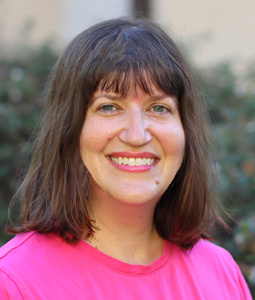
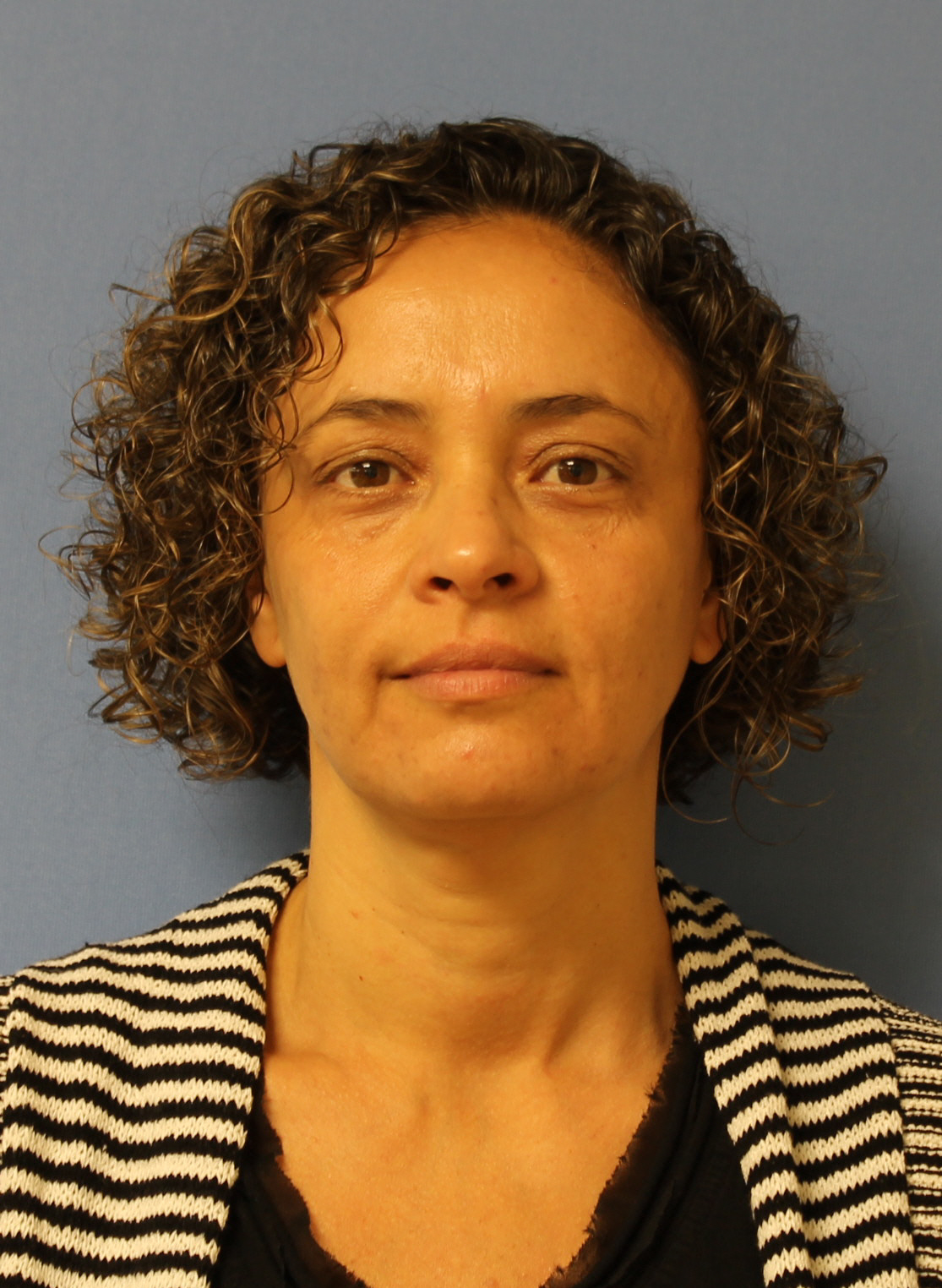
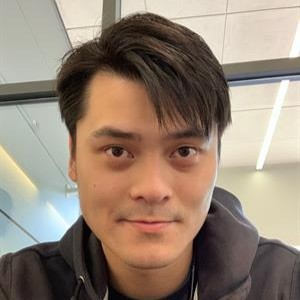
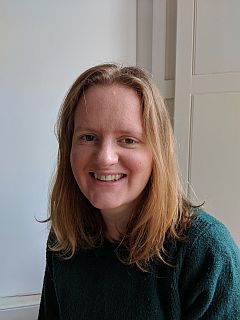
Lydia Matesic is an Associate Professor in the Department of Biological Sciences at the University of South Carolina , affiliated with the McCausland College of Arts and Sciences. Her research focuses on the functional roles of ubiquitin ligases ITCH and WWP1 in maintaining cellular homeostasis under stress conditions, with implications in autoimmunity, inflammation, cancer, and cardiovascular biology. Expertise in Stem Cells & Developmental Biology Specialized in Biology of Cellular Stress and ubiquitin-mediated signaling Leadership as Director of the Cardiovascular Technology Program Her research explores how ITCH and WWP1 regulate protein turnover in immune cells and cardiac tissues, contributing to diseases like inflammatory bowel disease, cancer, and cardiac arrhythmias. Key findings include ITCH's role in inflammatory barrier maintenance and WWP1's involvement in age-associated cardiac dysfunction. Recent publications highlight investigations into: WWP1's role in myocardial aging and breast cancer therapy ITCH's regulation of hematopoietic stem cells and intestinal epithelial homeostasis Modulation of inflammatory signaling pathways via ubiquitin-editing enzymes Development of fetal lung organoid models for interstitial lung disease Lydia's work bridges molecular mechanisms with translational applications in chronic diseases, though no scientific awards or student advisement details are explicitly listed.
Dr. Donald Grandis is a Volunteer Clinical Professor in the Division of Cardiology within the School of Medicine at the University of California, San Francisco (UCSF). He holds an MD from Virginia Commonwealth University and a BA in Philosophy from the University of Virginia, with clinical training completed at the University of Pittsburgh Medical Center. His clinical expertise lies in general cardiology, with specific skills in interpreting stress tests and nuclear cardiac images. His research is dedicated to reducing cardiovascular disease risk, with a significant recent focus on Long COVID, cardiopulmonary exercise testing, and innovations in cardiac rehabilitation, including virtual and app-based models. The publication trends over the past five years show a strong emphasis on the cardiovascular impacts of Long COVID, the efficacy of modern cardiac rehabilitation delivery methods, and the use of advanced diagnostics like CPET. This reflects a research trajectory centered on contemporary public health challenges and the integration of technology into cardiovascular care. UCSF Master Clinician (2022) Edward and Pearl Fein Endowed Professorship in Cardiology (2019) Dr. Grandis has been a principal or co-investigator on numerous clinical studies, collaborating with key UCSF researchers like Dr. Priscilla Hsue and Dr. Alexis Beatty. His work on physical activity during environmental disasters and rare pathogens like Bergeyella cardium demonstrates a broad investigative scope. He is actively involved in academic service, including participation in the Clinical Trials and Academic Senate Committee Service at UCSF.
Dr. David Holland serves as an Honorary Associate Professor in the School of Human Movement and Nutrition Sciences at the University of Queensland. His academic career spans over 15 years with extensive research contributions in cardiology, exercise physiology, and cardiac rehabilitation. His work bridges clinical cardiology with exercise science, focusing on improving outcomes for patients with cardiovascular conditions. Dr. Holland's primary research interests center around cardiac rehabilitation, particularly high-intensity interval training (HIIT) protocols for coronary heart disease patients. His work examines exercise physiology, cardiovascular imaging, heart failure with preserved ejection fraction (HFpEF), atrial fibrillation, and the cardiovascular effects of diabetes. He has made significant contributions to understanding how exercise impacts vascular function, cardiac imaging parameters, and patient outcomes in cardiac rehabilitation settings. His recent publication trends show a strong focus on clinical applications of exercise physiology in cardiac rehabilitation, with particular emphasis on high-intensity interval training protocols. His research spans from basic cardiovascular physiology to clinical trials, with notable work on the FITR Heart Study. His publications cover diverse areas including echocardiography, cardiac complications of medical conditions, and the intersection of exercise science with cardiology. Dr. Holland has collaborated extensively with researchers across cardiology, exercise physiology, and nutrition science. His work often involves multidisciplinary teams examining the relationship between exercise, cardiac function, and patient outcomes. While specific grants aren't detailed in the provided information, his research program appears well-established with numerous clinical studies and collaborations with major cardiac research groups. His laboratory and research team work appears centered around the FITR Heart Study and related cardiac rehabilitation research. He collaborates closely with exercise physiologists, cardiologists, and imaging specialists to investigate how different exercise protocols affect cardiovascular function and patient outcomes in cardiac rehabilitation settings.
S. Michael Roberts, DO is an Associate Professor at the Penn State University College of Medicine , affiliated with the Department of Anesthesiology and Perioperative Medicine . He serves as Chief of the Division of Cardiac & Vascular Anesthesia and Division of Neuro-Anesthesia . Education includes a DO from Philadelphia College of Osteopathic Medicine (2011), residency in Anesthesiology at Penn State Health Milton S. Hershey Medical Center (2015), and fellowship in Anesthesia/Cardiac at Cleveland Clinic (2016). His research focuses on echocardiography , ventricular assist devices , and cardiac anesthesia . Recent work includes optimizing HeartMate 3 placement and advancing transesophageal echocardiography in perioperative settings. He has contributed to cardiothoracic transplant anesthesia literature and emphasizes patient-specific critical care strategies. Scientific Awards : Dean's Award for Excellence in Teaching (2020) Professional Certifications : Fellow, American Society of Echocardiography (FASE), 2020 Board-certified in Advanced Perioperative Transesophageal Echocardiography, 2017 Board-certified in Anesthesiology, 2016
Jessica Filosa is a Professor in the Department of Physiology at the Medical College of Georgia, Augusta University. She holds a primary academic appointment in the Department of Physiology and a secondary appointment in The Graduate School. Dr. Filosa has been with Augusta University since 2008, progressing from Assistant Professor to Associate Professor and finally to her current position as Professor since 2019. Prior to this, she served as Assistant Professor and Research Assistant Professor in the Department of Psychiatry at the University of Cincinnati (2004-2008). Dr. Filosa earned her Ph.D. in Biomedical Sciences from Wright State University in 2002 and her M.S. in Biology from Emporia State University in 1997. Her educational background laid the foundation for her current research program focused on neurovascular communication. Dr. Filosa's research centers on understanding the signaling mechanisms governing bi-directional communication among various cell types within the brain, with particular emphasis on neuron-glial-vascular interactions. Her laboratory investigates three main areas: (1) characterizing the intrinsic properties of parenchymal arterioles in the brain, (2) examining neuron-glial-vascular communication in specialized brain regions including the somatosensory cortex, supraoptic nucleus, and hypothalamus, and (3) determining how disruptions in neuroglial-vascular crosstalk contribute to cerebrovascular disorders such as hypertension and stroke. Using advanced techniques including electrophysiological recordings, Ca 2+ imaging, and immunohistochemistry, her work bridges neuroscience with cardiovascular physiology to address pathologies involving both vascular and neuronal deterioration. Analysis of Dr. Filosa's recent publications reveals a strong focus on neurovascular coupling mechanisms, particularly how blood pressure variability affects cerebrovascular function and cognitive outcomes. Her research increasingly examines the role of specific molecular pathways (such as ADAM17) in Alzheimer's disease models and explores the connections between hypertension, cerebrovascular dysfunction, and cognitive impairment. The work demonstrates a progression from basic mechanisms of neurovascular communication toward translational applications for understanding and treating cerebrovascular disorders. Participant in an NIH Study (2023) Hamilton Scholar in Physiology, Department of Physiology, Augusta University (2017) Outstanding Young Research Scientist, Georgia Health Sciences University (2012) Multidisciplinary approaches for neurogenic hypertension research (2011) Functional Hyperemia in the Brain: APS Latin-American Initiative (2008) Dr. Filosa has mentored graduate students including Jennifer Iddings (2010-2015) and currently oversees a research team comprising Perenkita Mendiola (Postdoctoral Fellow) and Adriana Langer Gramer (Research Assistant). She serves on numerous grant review committees including the Intramural Grants Programs (2017-present) and Basic Science Advisory Council (2018-present). Her professional service includes NIH Study Section reviewing (2021), membership on the Scientific Advisory Committee for the International Symposium on Resistance Arteries (2020), and reviewing for the International Society for Cerebral Blood Flow & Metabolism. Dr. Filosa teaches multiple advanced physiology courses including Medical Neurophysiology, Medical Physiology II, and Neuroscience I, demonstrating her commitment to both research and education in the field of physiology.
Prof. Dr. Folkert W. Asselbergs is a Professorial Research Associate in Clinical Epidemiology at University College London and holds multiple leadership positions including Chair of the Digital Cardiology and AI committee at the European Society of Cardiology, Chair of Amsterdam Heart Center, and Director of the BRC Clinical Research Informatics Unit at UCL Hospitals NHS Foundation Trust. He maintains concurrent professorial appointments at University Medical Center Utrecht. His education includes an MD from University Medical Center Groningen, PhD from University of Groningen, and MSc in Health Economics from London School of Economics. He completed postdoctoral fellowships in Genetic Epidemiology at Harvard School of Public Health and Bioinformatics at Dartmouth–Hitchcock Medical Center. Asselbergs' research focuses on translational data science using electronic health records, -omics data, and sensor technologies for cardiovascular precision medicine. His work spans: Genome-wide association studies for cardiovascular mechanisms Drug target validation through Mendelian randomization AI-driven disease redefinition using polygenic risk scores Federated learning systems for multi-center research Clinical trial integration within routine care via his founded Nudging Unit He coordinates major international consortia including AI4HF, DataTools4Heart, and MyDigiTwin. His recent publications demonstrate strong focus on AI applications in cardiology (deep learning for ECG/image analysis), precision medicine approaches (proteomic/genetic biomarkers), and innovative trial methodologies. Nearly all recent work incorporates artificial intelligence, machine learning, or advanced data science techniques applied to cardiovascular outcomes. Asselbergs leads significant infrastructure initiatives including the Dutch Cardiovascular Alliance data platform and UCL's Clinical Research Informatics Unit. He co-directs the Big Data in Health Research summer school and coordinates the Erasmus Plus Dataclinics program to develop data science curricula for healthcare professionals.
Veronique Lacombe is a Professor in the Department of Physiological Sciences at Oklahoma State University's College of Veterinary Medicine. She also holds adjunct professor positions in the Department of Biochemistry and Molecular Biology at Oklahoma State University and in the Department of Physiology at the University of Oklahoma Health Sciences Center. Dr. Lacombe serves as Vice-Chair of the Graduate Council at Oklahoma State University and directs the Comparative Metabolism Research Laboratory. Dr. Lacombe earned her DVM from the National Veterinary School of Maisons-Alfort near Paris, France, followed by a residency in large animal internal medicine at The Ohio State University College of Veterinary Medicine. She completed her PhD in Comparative Exercise Physiology at The Ohio State University and a postdoctoral fellowship at the College of Pharmacy. She is a Diplomate of both the American College of Veterinary Internal Medicine (Large Animal) and the European College of Equine Internal Medicine. Her research focuses on glucose metabolism, particularly examining how diabetes and viral infections affect glucose transport mechanisms in various tissues. Her laboratory investigates the relationship between insulin sensitivity and cardiac function, equine metabolic syndrome, and the impact of viral infections like influenza and SARS-CoV-2 on whole-body glucose homeostasis. She has made significant contributions to understanding the role of glucose transporters (GLUTs) in the lung, heart, and other tissues during disease states. Analysis of her recent publications reveals a strong trend toward translational research connecting basic metabolic mechanisms with clinical outcomes. Her work spans multiple disciplines including veterinary medicine, human diabetes research, virology, and cardiovascular physiology, with a particular emphasis on the One Health approach that connects animal and human health. Her research demonstrates how metabolic alterations during diabetes increase susceptibility to respiratory infections and how viral infections themselves can reprogram host metabolism. Oklahoma Center for Respiratory and Infectious Diseases (NIH-funded CoBRE) One Health Collaborative Seed Grant Program Oklahoma Center for the Advancement of Science and Technology (OCAST) American Heart Association National Center for Advancing Translational Sciences Dr. Lacombe actively mentors graduate students through PhD Research and Dissertation courses and teaches Pharmacology I. Her Comparative Metabolism Research Laboratory employs innovative approaches including euglycemic-hyperinsulinemic clamps, proteomic analyses, and specialized techniques for measuring glucose transporter translocation to investigate metabolic pathways in both animal models and clinical settings. Her research has important implications for understanding and treating metabolic complications in both human and veterinary medicine.
Chi Keung Lam is an Assistant Professor in the Department of Biological Sciences at the University of Delaware . His research focuses on understanding mechanisms of cardiac diseases, particularly calcium signaling dysregulation and cardiotoxicity. He holds a B.S. from Purdue University, a Ph.D. from the University of Cincinnati, and completed postdoctoral training at Stanford University. Research Interests: Dr. Lam investigates heart disease mechanisms using human induced pluripotent stem cell (iPSC) models and mouse genetics. Key areas include calcium regulation in cardiac cells, drug-induced cardiotoxicity, and therapeutic development. Current projects explore novel regulators of calcium kinetics, cross-talk between calcium circuits and stress pathways, and mitigating cardiotoxic effects of cancer therapies. Key Contributions: His work integrates iPSC-derived cardiomyocytes with engineered heart tissues to test therapies. Notable achievements include identifying HAX-1's role in calcium signaling and developing peptide-based interventions for cardiac injury. The lab employs proteomic, genomic, and systems biology approaches to uncover disease mechanisms. Lab Team: Managed by Halley Wisner, the lab includes doctoral students Richard Roberts (Hsp90 in ischemic injury), Sujoita Sen (peptide therapy development), and Sophia Shienvold (Hsp90 post-translational modifications). Undergraduate researchers support ongoing projects. Research Trends: Recent publications emphasize drug discovery strategies, genetic cardiomyopathy modeling, and understanding cardiotoxic mechanisms of common medications. Work spans from molecular mechanisms to translational applications, bridging basic science and clinical needs.
Professor David Celermajer is the Scandrett Professor of Cardiology at the University of Sydney’s Central Clinical School and Head of the Discipline of Cardiology. He holds roles as Academic Cardiologist at Royal Prince Alfred Hospital (RPAH), Director of Adult Congenital Heart Services, and Clinical Director of the Heart Research Institute. His academic affiliations include membership in the Sydney Environment Institute and Charles Perkins Centre. He is a Rhodes Scholar and University of Sydney Medallist, recognized with prestigious awards like the Blackburn Medal (2019) and Officer of the Order of Australia (AO). He serves on the editorial boards of leading cardiology journals and has published over 600 papers with an H-index of 110. Research focuses on congenital heart disease (CHD), pulmonary vascular disease, and atherosclerosis. Key projects include the ACHD Database at RPAH, exercise physiology in Fontan patients, and public health models for lifelong CHD care. He collaborates internationally with institutions in China, Finland, France, and the UK. Professor Celermajer advises over 25 PhD candidates and leads teams at the Heart Research Institute and RPAH. His clinical roles include directing Pulmonary Hypertension Services and serving on the Congenital Heart Alliance of Australia and New Zealand.
Dr. Elaine Rutherford is an Honorary Senior Lecturer at the University of Glasgow’s School of Cardiovascular & Metabolic Health. She holds clinical roles at Dumfries and Galloway Royal Infirmary. Her research focuses on cardiovascular complications of chronic kidney disease, clinical trials, and renal-cardiac interactions. Rutherford completed her MBChB at the University of Aberdeen (2002-2007), winning the Smith Shand Award for top clinical performance. After postgraduate medical training in Aberdeen and Dundee, she joined Glasgow’s nephrology program in 2012. She earned a PhD in nephrology research at the University of Dundee (2013-2016) before becoming a clinical lecturer at Glasgow. Her research explores kidney function biomarkers (e.g., cystatin C), cardiovascular risk stratification, and vascular health in renal transplant recipients. Notable projects include the ViKTORIES trial (vitamin K supplementation for transplant recipients) and studies on Cystatin C’s role in CKD risk assessment. Rutherford’s work has been supported by grants from the Chief Scientist Office and Kidney Research UK. Publications span over 25 peer-reviewed articles since 2014, addressing topics like myocardial imaging in dialysis patients, inflammatory biomarkers in hemodialysis cohorts, and guideline impact on nephrology referrals. Awards include the Smith Shand Award for academic excellence during her medical training.
Kristofer Hedman is a Senior Associate Professor at Linköping University (Sweden) within the Department of Health, Medicine and Caring Sciences. His research focuses on cardiovascular and respiratory adaptations to physical activity, including blood pressure responses during exercise, preoperative risk assessment for major surgeries, and physiological mechanisms underlying post-COVID-19 symptoms. He leads projects involving cardiopulmonary exercise testing, epigenetic biomarker identification in post-acute SARS-CoV-2 cases, and collaborations with KU Leuven and regional healthcare networks. Education: MSc in Medicine (LiU, 2012), BSc Physiotherapy (LiU, 2009), MD/Physician (2016), PhD (2016) Postdoc at Stanford University (2018-2019) Clinical affiliation: Department of Clinical Physiology, Linköping University Hospital Research interests span clinical cardiology, exercise physiology, and translational medicine. Notable projects include defining abnormal blood pressure patterns during exercise as predictors of hypertension/cardiovascular mortality and refining preoperative evaluations for abdominal cancer surgeries using ventilatory efficiency metrics.
David Hutchings is a Clinician Scientist and BHF Intermediate Clinical Fellow at the University of Manchester, affiliated with Manchester University NHS Hospitals. He holds an honorary consultant role in cardiology, specializing in inherited cardiac conditions and cardiac MRI. His research focuses on cardiac arrhythmia mechanisms, calcium handling, and phosphodiesterase inhibitor therapies in heart failure. He completed medical training at the University of Birmingham, with postgraduate research at Manchester, including a PhD funded by the BHF. He has held multiple fellowships and awards, including the Dean's Prize Fellowship (2023) and BHF Clinical Research Training Fellowship (2015). His work bridges clinical practice and laboratory research, emphasizing translational cardiology. Education: BMedSc (2005, University of Birmingham) MBChB (2008, University of Birmingham) MRes Medical Sciences (2013, University of Manchester) PhD (2018, University of Manchester) Research interests span arrhythmia mechanisms, phosphodiesterase inhibitors, calcium signaling, and cardiac imaging. His recent work highlights sildenafil’s antiarrhythmic effects and explores sex differences in dilated cardiomyopathy genetics. Awards and Honors: Cairn Research New and Notable Prize Lecture (2022) BSCR Bernard and Joan Marshall Early Career Prize (2022) Academy of Medical Sciences Starter Grant (2022) Advising and Grants: Supervises APEP and PEP trainees. His grants include BHF Intermediate Clinical Fellowship (2024) and NIHR Academic Clinical Fellowship (2010–2013). Professional Memberships: British Cardiovascular Society European Association of Cardiovascular Imaging European Working Group in Cardiac Electrophysiology
Professor Paul Bannon is a faculty member at the University of Sydney within the Central Clinical School . His research focuses on cardiovascular diseases, clinical trials, and translational research, with themes spanning Obesity, Diabetes and Cardiovascular Disease and Cancer . Key subfields include atherosclerosis, coronary artery disease, and surgical innovations. Key Research Areas: Cardiovascular surgery, clinical trials in bypass grafting, NAD+ therapy for heart failure, robotic-assisted surgery outcomes Clinical Specialties: Cardiology, surgical management of aortic diseases, heart valve surgery His recent publications emphasize total arterial coronary bypass grafting , novel therapies for HFpEF , and cost analysis in robotic surgery . No scientific awards or student advisement details are explicitly mentioned in the provided data. He is affiliated with the Charles Perkins Centre for interdisciplinary research.
David Eisner is the British Heart Foundation (BHF) Professor of Cardiac Physiology at the University of Manchester's Division of Cardiovascular Sciences. He holds a B.A. in Natural Sciences from the University of Cambridge and a D.Phil. in Physiology from the University of Oxford. His career includes roles as a Lecturer and Wellcome Trust Senior Lecturer at University College London (1980–1990) and Professor of Veterinary Biology at the University of Liverpool (1990–1999). Research Focus: Eisner’s work centers on understanding mechanisms regulating cardiac contraction in health and disease, particularly calcium signaling and sarcoplasmic reticulum function. His studies investigate how calcium dynamics contribute to arrhythmias and heart failure, with recent emphasis on diastolic calcium regulation. Awards & Recognitions Fellow of the Academy of Medical Sciences (1999) Member of Academia Europaea (2007) Honorary Fellowship, Royal College of Physicians (2010) Doctor honoris causa from Universities of Debrecen (2018) and Szeged (2021) Leadership & Service Editor-in-Chief, Journal of Molecular and Cellular Cardiology and Journal of Physiology Panel member for RAE 2001, RAE 2008, and REF 2014 President of the European Federation of Physiological Societies (2011–2015) Current Projects: Collaborates on studies involving calcium signaling in cardiac fibroblasts and translational research on congenital heart defects.
Hendrikus L Granzier is a Professor of Physiology at the University of Arizona, with a secondary affiliation at Washington State University (1993–2007). His research focuses on cardiac and skeletal muscle mechanics, particularly the role of titin and nebulin proteins in health and disease. He holds a Ph.D. in Bioengineering from the University of Washington, Seattle. Research interests include: 1) Titin's role in heart function and disease (HFpEF, cardiomyopathy), 2) Mechanotransduction pathways, 3) Genetic disorders like nemaline myopathy, and 4) Myofilament dysfunction in heart failure. His work spans basic science (mouse/zebrafish models) to clinical translation (drug screening for OM therapy). Recent articles emphasize disease mechanisms (e.g., TTN mutations in skeletal myopathy), therapeutic strategies (myostatin inhibition, RBM20 targeting), and novel models (CRISPR-edited nebulin mice). Awards include Honorary Doctorate from Semmelweis University (2022) and NIH SMEP study section membership. He teaches advanced courses like 'Cardio Muscle Bio & Disease' across multiple departments (BME, PSIO, MCB). Grants and lab activities include NIH-funded mechanotransduction studies, AHA-supported projects on HFpEF, and collaborative work with institutions like Semmelweis University. Future directions include CRISPR-based therapies for titinopathies and biomaterials for disease modeling.