Dr. Mihela Erjavec is a Senior Lecturer at the School of Psychology and Sports Science, Bangor University, where she also serves as the Disability, Equality, Diversity, and Inclusion Tutor. She holds a BSc in Psychology from London and a PhD from Bangor University. Her teaching portfolio includes modules on child health and wellbeing, psychophysiology of eating, and developmental psychology, and she supervises research projects at undergraduate, master's, and PhD levels. Her research focuses on child development, health and wellbeing, evidence-based interventions, and eating behaviour. Key projects include: Investigating social support and mental health in pregnancy among Kuwaiti women Exploring determinants of health in children with Type 1 diabetes Collaborating with Coed Lleol to study nutritional choices through woodland activities Developing early interventions for children with developmental delays in Bosnia and Herzegovina Implementing healthy eating programmes in primary schools (Food Dudes) Dr. Erjavec collaborates globally with organizations including UNICEF, World Bank Group, and multiple health ministries. Her work has been funded by Kuwait Ministry of Education, Kuwait Ministry of Health, and KESS II.
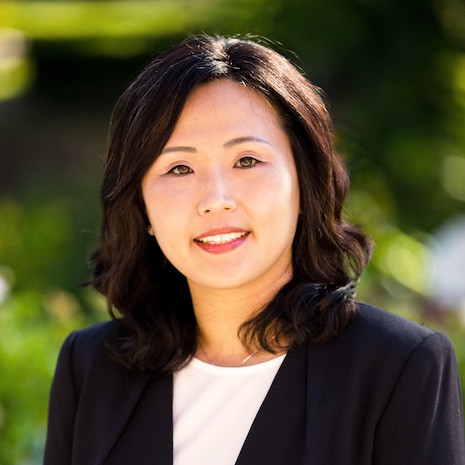
Mina Chun, Ph.D., is an Assistant Professor and Director of the Special Education Credential Program at California Lutheran University's Graduate School of Education. She oversees preliminary education specialist credentials in Mild-to-Moderate Support Needs (MMSN) and Extensive Support Needs (ESN). Education: Ph.D. in Education with emphasis in Disability Studies (Chapman University) M.Ed. in Special Education with emphasis in Low Incidence Disabilities B.S.Ed. in Special and Elementary Education (Northern Arizona University) Her research focuses on promoting access, equity, and inclusion for students with intellectual and developmental disabilities, particularly through culturally responsive practices in diverse educational settings. She has prior faculty experience at Governors State University, University of Lynchburg, and Austin Peay State University.
Karen G. Hales is a Professor of Biology at Davidson College. She specializes in genetics and cell biology, focusing on mitochondrial dynamics in Drosophila melanogaster . Her research explores how mitochondrial movement and morphogenesis connect to cellular function, particularly during spermatogenesis. Education : Ph.D. in Genetics from Stanford University, Postdoctoral training at the University of North Carolina, Chapel Hill Her work integrates genetic analysis with interdisciplinary approaches, including Disability Studies and Gender and Sexuality Studies. She has taught courses such as Genetics, Human Genetics, and seminars on Genetics, Gender, and Disability. Recent publications highlight her contributions to understanding mitochondrial shaping, fusion, and the ethical implications of genetic determinism. Undergraduate students frequently co-author her research papers. Scientific Awards : Hunter-Hamilton Love of Teaching Award Hales mentors independent research students, emphasizing experimental design, literature analysis, and scientific communication. Her lab investigates genes regulating mitochondrial morphogenesis through Drosophila mutants.
Tony Szturm is a Professor and Senior Scholar in the Department of Physical Therapy at the College of Rehabilitation Sciences, University of Manitoba. His work bridges clinical rehabilitation and engineering innovation, focusing on technology-assisted and game-based therapeutic interventions delivered through telerehabilitation platforms. Institution: University of Manitoba School: College of Rehabilitation Sciences Department: Department of Physical Therapy Location: Bannatyne Campus, Winnipeg, MB Dr. Szturm holds a BSc in Biology and a BSc in Physical Therapy from the University of Western Ontario, and a PhD in Neurophysiology from the University of Manitoba. His research is deeply interdisciplinary, integrating wireless sensors, digital media, and interactive systems to support rehabilitation in both clinical and home environments. His primary research interests include technology-assisted rehabilitation , telerehabilitation , game-based motor training , and neurological recovery across diverse populations such as stroke survivors, children with neurodevelopmental disabilities, individuals with traumatic brain injuries, Parkinson’s patients, and aging adults. A key focus is enhancing accessibility, accountability, and engagement in therapy through innovative, low-cost digital tools. The 15 most recent inferred articles reflect a strong trend toward digital health innovation , remote monitoring , and interdisciplinary rehabilitation engineering . These works span areas such as upper limb recovery, balance and gait training, dual-task performance, vestibular rehabilitation, and patient engagement. The integration of wearable sensors, real-time feedback, and gamification principles is a consistent theme, demonstrating his commitment to translating research into practical, scalable solutions. Dr. Szturm is actively involved in mentoring, supervising postdoctoral fellows, PhD, and master's students through the Mentoring of Highly Qualified Personnel (HQP) Program, fostering collaboration between rehabilitation sciences and engineering disciplines. While no formal scientific awards are listed, his leadership in high-impact, publicly featured research projects underscores his contribution to the field. His lab and research group focus on developing and evaluating plug-and-play rehabilitation technologies that can be deployed in resource-limited settings, including international applications such as projects in India. These initiatives emphasize affordability, usability, and clinical effectiveness, aiming to expand access to high-quality rehabilitation globally.
Lars U. Johnson is an Assistant Professor in the Department of Management at the College of Business, The University of Texas at Arlington. His research focuses on leadership, employee well-being, diversity, equity, and inclusion (DEI), and personality in organizational contexts. He teaches courses in leadership, human resource management, and evidence-based management, and actively mentors students at multiple levels. Ph.D., University of Houston, Organizational Psychology, 2017 M.A., University of Houston, Organizational Psychology, 2015 B.A., Tougaloo College, Psychology, 2007 M.Ed., Lamar University, Educational Administration, 2011 His research explores how leadership influences employee engagement, burnout, and inclusion, with a strong emphasis on DEI and individual differences. He develops and validates psychological instruments and applies findings to real-world organizational challenges. His work integrates theory with practice, particularly in HR analytics, training development, and 360-degree feedback. The recent articles show a consistent focus on leadership, DEI, and employee well-being, with increasing attention to systemic issues like anti-Black racism, stereotype threat, and diversity measurement. His collaborations span multiple institutions and include both empirical and conceptual contributions across journals in psychology and management. Scientific Awards and Honors: No formal awards listed in the provided text. Advising and Grants: Lars integrates students into his research and has secured significant external funding, including a pending National Science Foundation grant on enhancing STEM persistence among Black and Latine students. He mentors through programs like RISE and UROP and chairs graduate and faculty search committees, demonstrating strong commitment to academic service and student development. Labs and Teams: While no formal lab is named, Lars leads a collaborative research program involving partnerships with organizations such as Whole Foods Market, the Department of Defense’s DEI Institute, and municipal agencies. He co-chairs SIOP’s Diversifying I-O Psychology initiative and leads editorial and professional committees, indicating active engagement in national scholarly communities.
Tim Cavell is a Professor in the Department of Psychology within the College of Arts & Sciences at the University of Arkansas. He is a clinical child and family psychologist whose research focuses on prevention and intervention for children at risk due to aggression, bullying, or family circumstances such as military deployment. His work is funded by the National Institute on Drug Abuse, the Institute of Education Sciences, and the Department of Defense. His research explores school-based mentoring, parent involvement in natural mentoring, and integrated behavioral health care. He leads the Center for Research on Aggression and Victimization (CRAV), where his team evaluates interventions involving teachers, parents, and mentors to support children’s social and emotional development. Dr. Cavell's recent publications reflect a consistent focus on peer victimization, mentoring dynamics, military-connected youth, and school-based mental health. His work shows strong trends in understanding risk and protective factors in child development, especially through mentoring relationships and school environments. He has contributed significantly to measurement development, such as the Inventory of School Supports for youth. University of Arkansas, Award for Outstanding Contributions to Service Learning Fellow, Association of Behavioral and Cognitive Therapies Dr. Cavell has served as a principal investigator on multiple federally funded grants, including a $749,449 DoD grant (2022–2025) on digital support for military-connected students and prior IES and NIDA grants exceeding $1.3 million each. He mentors graduate students and teaches courses in psychotherapy, clinical supervision, and advanced seminars on bullying and mentoring. He is also actively involved in national leadership roles in the American Psychological Association and clinical child psychology organizations. He directs the Center for Research on Aggression and Victimization (CRAV), which conducts intervention research with aggressive and victimized children, mentors, and families. The lab emphasizes evidence-based practices and translation of research into school and community settings.
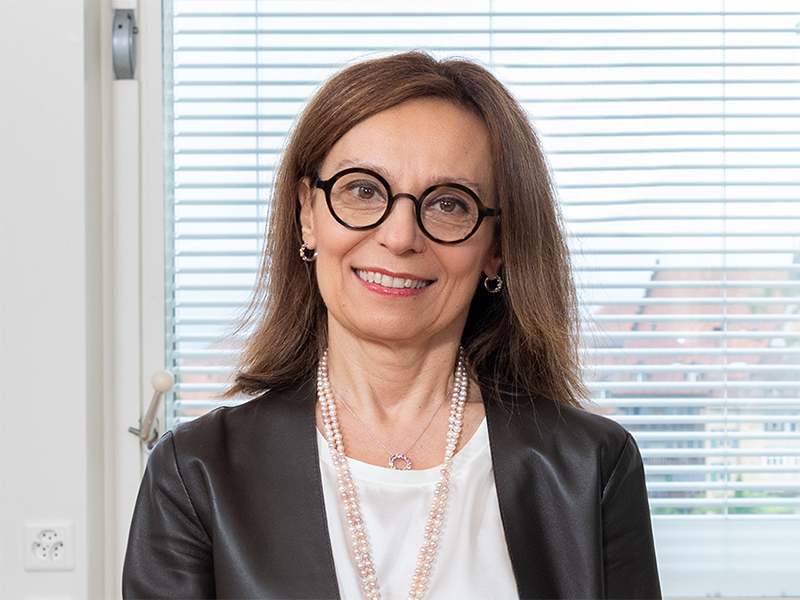
Claudia Bagni is a Full Professor and Vice-Dean of Research and Innovation at the Faculty of Biology and Medicine (FBM) of the University of Lausanne (UNIL), where she also directs a research team within the Department of Fundamental Neurosciences (DNF). She has held significant leadership roles, including Director of DNF from 2016 to 2021. Her academic journey includes professorial positions at the University of Rome Tor Vergata and KU Leuven in Belgium. Her research focuses on the molecular and cellular mechanisms of synaptic plasticity, with a primary emphasis on neurodevelopmental disorders. Key areas of study include Fragile X Syndrome (FXS), Autism Spectrum Disorders (ASD), and the broader category of synaptopathies. She investigates the role of the FMRP protein and RNA metabolism, utilizing diverse models such as mice, fruit flies (Drosophila), human cells, and organoids. A more recent and significant research direction explores the reduced cancer risk observed in FXS patients, with current work focusing on glioblastomas. The trends in her recent publications highlight a consistent focus on the molecular basis of synaptic dysfunction in neurodevelopmental disorders, the use of innovative model systems, and the translation of fundamental findings into clinical understanding. Her work bridges basic science and clinical application, aiming to develop personalized therapeutic strategies. Professor Bagni is a strong advocate for translational neuroscience, technological transfer, and multidisciplinary collaboration. She has played a key role in establishing research platforms like Neuro-Bau and a Drosophila platform at DNF, and supports the upcoming organoid platform. As Vice-Dean, she promotes the PACTT technology transfer unit and fosters interactions between research platforms, clinicians at CHUV, and industry. She is deeply committed to mentoring and advancing the careers of young researchers, particularly women in science. Her leadership extends to serving on prestigious international scientific advisory and funding committees, demonstrating her significant standing in the global research community.
Raghu Raghavan is Professor of Mental Health at De Montfort University, Leicester, affiliated with the Faculty of Health and Life Sciences and the School of Nursing and Midwifery. He directs the Social Sciences Research and Innovation Institute (SSRII), fostering interdisciplinary research in social sciences. His work bridges academia and community action, with a focus on global mental health, resilience, and cultural inclusivity. PhD, Oxford Brookes University Post Graduate Certificate in Higher and Adult Education, University of Wolverhampton M.Sc. in Medical Psychology, University of Surrey BA in Psychology, University of Kerala, India Registered Nurse (Learning Disabilities), East Surrey School of Nursing Raghu Raghavan's research centers on mental health literacy, resilience, and wellbeing across diverse cultural contexts, particularly in the UK and India. He specializes in transcultural mental health, migration, intellectual disabilities, and health disparities. His innovative use of participatory and creative methodologies—such as community theatre, digital storytelling, and photovoice—empowers marginalized communities to co-create knowledge. His work emphasizes strength-based models and inclusive research, aiming to reduce stigma and improve service access for ethnic minorities. His recent publications reflect a strong trend in global mental health, with a focus on culturally grounded interventions in low- and middle-income settings. Key themes include mental health literacy in Kerala, resilience among internal migrants, faith-based coping in Muslim communities, and participatory approaches to reduce coercion in mental health services. His use of interdisciplinary and arts-based methods highlights a commitment to accessible, community-driven research. Scientific Awards and Recognitions: Editorial Board Member, International Journal of Social Psychiatry Lead, De Montfort University – India Research Hub Raghu Raghavan has secured significant funding from UKRI, NIHR, ESRC, AHRC, GCRF, and other bodies, including major grants for projects on dementia diagnosis in BAME communities, mental health literacy in India, and resilience in migrant populations. He actively supervises PhD students on topics including mental health literacy, migration, disabilities, and health inequalities. His collaborative network spans institutions in India, Zimbabwe, and Europe, and he has advised NGOs such as MeHeLP India Foundation and Public Health Resource Network. He leads and contributes to multiple research initiatives involving creative and participatory methods, including the MeHeLP India project, which uses applied theatre to promote mental health literacy. His work with internal migrant communities in Pune and engagement with UK Parliament committees underscore the real-world impact of his research.
Dr SJ (Ash) Summers is a Senior Lecturer and Programme Director for the Doctorate in Clinical Psychology at Teesside University, within the School of Social Sciences, Humanities and Law. She is an HCPC-registered Practitioner Psychologist with extensive clinical and academic experience in learning disabilities and mental health. She previously held leadership roles in disability services in Queensland, Australia, and contributed to the Master's Programme in Clinical Psychology at CQ University. Undergraduate Degree: University College London, 1990 Clinical Psychology Training: Teesside University, 2000 Post-Qualification Training: Leadership, Management, Family Therapy, Systemic Approaches, Dialectical Behaviour Therapy Her research focuses on intellectual and learning disabilities across the lifespan, with particular attention to minority ethnic communities, ethical decision-making, mental capacity, and clinical psychology training. She employs qualitative and systematic review methodologies, contributing significantly to understanding the psychological needs of vulnerable populations. Her recent publications highlight a strong trend in qualitative and systematic research on trauma, pain, and therapeutic processes in people with intellectual disabilities. She frequently uses interpretative phenomenological analysis and grounded theory to explore lived experiences and clinical challenges. Dr Summers has played a key role in clinical psychology education, supervising doctoral trainees and contributing to curriculum development both in the UK and Australia. She has led initiatives to reduce restrictive practices in disability services and improve psychological care standards. She has been instrumental in advancing research on intergenerational trauma, pain perception in intellectual disability, and the psychological effects of chronic illness. Her work bridges clinical practice and academic inquiry, emphasizing evidence-based, scientist-practitioner models.
Concepción Ros Ros is a Professor at the Catholic University of Valencia San Vicente Mártir, with an affiliation to the University of Valencia. Her primary area of expertise is Theory and History of Education. She has authored over 40 journal articles, contributed to 43 collective works, and published 6 books. Her research focuses on physical education pedagogy, gender representation in textbooks, educational methodologies, and the integration of technology in learning. She has directed 13 doctoral theses, mentoring students in topics ranging from sports science to inclusive education. Key research interests include analyzing stereotypes in educational materials, gamification in pedagogy, and the physical health of musicians. Ros Ros has collaborated extensively on projects addressing curriculum development, teacher training, and the sociocultural dimensions of education. Her work spans interdisciplinary areas like neuroeducation, digital competence, and the role of video games in education. She has pioneered studies on motor stories for children with disabilities and the cognitive resilience of police defense protocols. Ros Ros actively engages in educational innovation, including flipped learning and the application of AI in teaching methods. Her contributions to academic discourse emphasize evidence-based practices and equitable educational strategies.
José Jesús Gázquez Linares is a Professor affiliated with the University of Almería and the Autonomous University of Chile, specializing in Developmental and Educational Psychology. His research focuses on mental health, educational systems, and the psychological aspects of healthcare. He has authored/co-authored over 300 publications, including peer-reviewed articles, books, and conference papers. His work spans multiple areas such as adolescent behavior, nursing stress, cyberbullying effects, and the impact of confinement during the pandemic. He has directed 18 theses and collaborates extensively with researchers in Spain and internationally. Gázquez Linares is recognized for his contributions to understanding burnout in students and professionals, emotional intelligence, and the application of mindfulness in healthcare settings. Key collaborations include studies on teacher mental health across Europe, substance use among adolescents, and the role of technology in education. His research consistently bridges psychological theory with practical applications in education and healthcare systems.
Cindy Smith is a Senior Lecturer at Curtin University's School of Education within the Faculty of Humanities. She holds a PhD in Special Education from the University of Missouri and has extensive experience in special education, behavioral therapy, and mentoring programs. Her work spans institutions in Australia, the U.S., and the Middle East, focusing on program development for special education teachers. Education: PhD in Special Education (Behavior Disorders specialization), University of Missouri, 2007-2012 MA in Teaching, Columbia College, 2005-2007 BA in History, Columbia College, 2002-2005 Research Interests: Mentorship interventions for at-risk youth, autism spectrum disorder, teacher development, women's studies, inclusive education, and behavioral therapy. She has developed gender-specific mentoring programs and explored LGBTQI+ inclusive practices in teacher training. Key Contributions: Authored/co-authored over 15 peer-reviewed articles on mentoring efficacy, special education interventions, and cross-cultural educational practices. Presented at international conferences including the American Educational Research Association and European Mentoring Research Group. Affiliations: Member of the American Educational Research Association, Council for Exceptional Children, and Executive Board Member of Pathways Africa, Inc. Teaching: Teaches courses on Learning Theory and Child Development for educators. Integrates technology and evidence-based practices in her pedagogy.
Katherine L. Fiori is a Professor and Associate Dean for Foundational Psychology and Faculty Involvement at the Gordon F. Derner School of Psychology, Adelphi University. Her research focuses on social relationships, mental and physical health, and emotional development across the lifespan, with particular emphasis on aging, attachment, and social networks. Her academic background includes a Ph.D. from the University of Michigan (2006) and a B.S. from Duke University (2000). She has conducted extensive research on topics such as the DIRe (Differential Investment of Resources) Model, crying behavior, interpersonal dependency, and marital dynamics, often using longitudinal data and international collaborations. Dr. Fiori's recent publications reflect a strong focus on social and emotional well-being across life stages, including emerging adulthood, midlife, and old age. Her work frequently examines how social networks, attachment styles, and religious coping influence mental health, particularly during life transitions and crises such as the COVID-19 pandemic. She has also explored the role of weak ties, friendship in aging, and the impact of caregiving on young adults. She has received numerous scientific awards, including the 2020 Top Article Award from the International Association for Relationships Research, and has been recognized for her teaching and leadership, including being selected for the APA Leadership Institute for Women in Psychology. She is also a Fellow of the Gerontological Society of America. Top Article Award, IARR (2020) Scientific Teaching Fellow (2019–2020) APA Leadership Institute for Women in Psychology (2017) Fellow, Gerontological Society of America (2014) Fulbright Scholarship (2000–2001) Dr. Fiori has chaired several doctoral dissertations and advised numerous undergraduate and master’s theses, particularly through Adelphi’s Emerging Scholars Program. She has secured multiple research grants, including from Adelphi’s Dean’s Research Grant and Faculty Development Grant programs, supporting projects on digital communities for older adults, couples’ social networks, and expressive emotions. She is actively involved in editorial roles, serving as Associate Editor for the Journal of Women & Aging and on the editorial boards of several prominent journals in gerontology and psychology. Her international research collaborations include work with scholars in Germany, Australia, and the Netherlands, reflecting her global perspective on lifespan development and social relationships.
Orly Calderon is an Associate Professor of Psychology at Long Island University (LIU), affiliated with the College of Liberal Arts and Sciences. She teaches in both the Social Work Program and the Clinical Psychology Program, focusing on psychological assessment, research design, program evaluation, and psychopathology. In 2021, she was appointed Director of Assessment at the Psychological Services Center (PSC) at LIU-Post, highlighting her leadership in clinical and educational assessment. Education: B.S., Long Island University, Southampton Campus, NY M.A., Teachers College, Columbia University M.S., Psy.D., Hofstra University Dr. Calderon's research centers on at-risk populations, including individuals with ADHD, learning disabilities, chronic illness (particularly lupus), and immigrant youth. Her work bridges clinical practice and empirical research, emphasizing advocacy and evidence-based interventions. She has developed innovative program evaluation models and has extensively studied blended and online learning, focusing on student and faculty input in shaping pedagogical design and assessment. Her recent publications reflect a strong trend in interdisciplinary research, combining psychology, social work, education, and public health. Themes include forensic applications of psychological assessment, workplace accommodations for chronic illness, and the integration of technology in education. Her scholarship is widely disseminated through peer-reviewed journals and international conferences. Scientific Awards: Woman of the Year, The Town of North Hempstead (2015) Lupus Alliance of America Social Research Award (2014) Dr. Calderon is actively involved in advising and program development, though specific student names are not listed. She has led institutional assessments and pedagogical innovations at LIU and beyond, contributing to national discussions on educational effectiveness. Her work in developing tools for outcome assessment has influenced other learning institutions. She collaborates frequently with colleagues such as E. Giffords and R. Kupferberg, indicating strong team-based research. She is a member of the American Psychological Association (APA) and the Association for Psychological Science (APS), and her presentations at national conferences underscore her active engagement in academic and professional communities. Her leadership at the Psychological Services Center reflects her dual commitment to clinical service and academic excellence.