معرفی
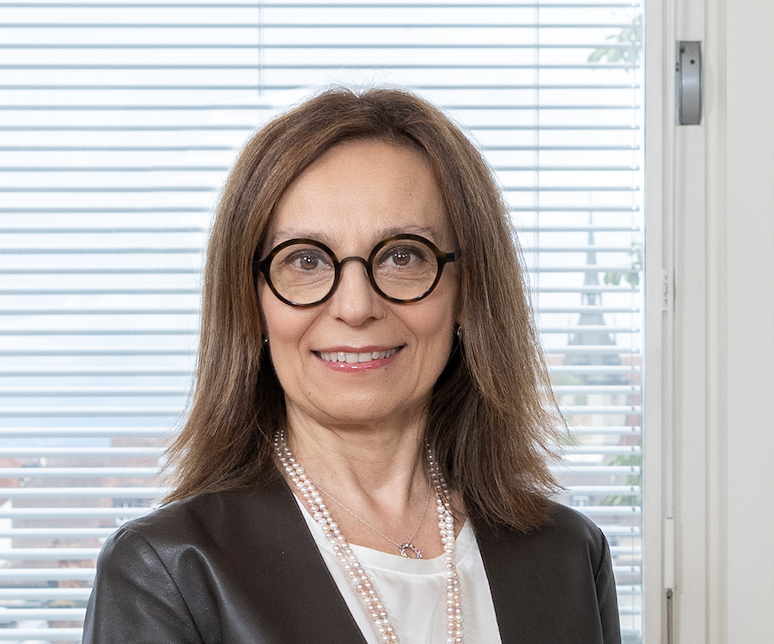
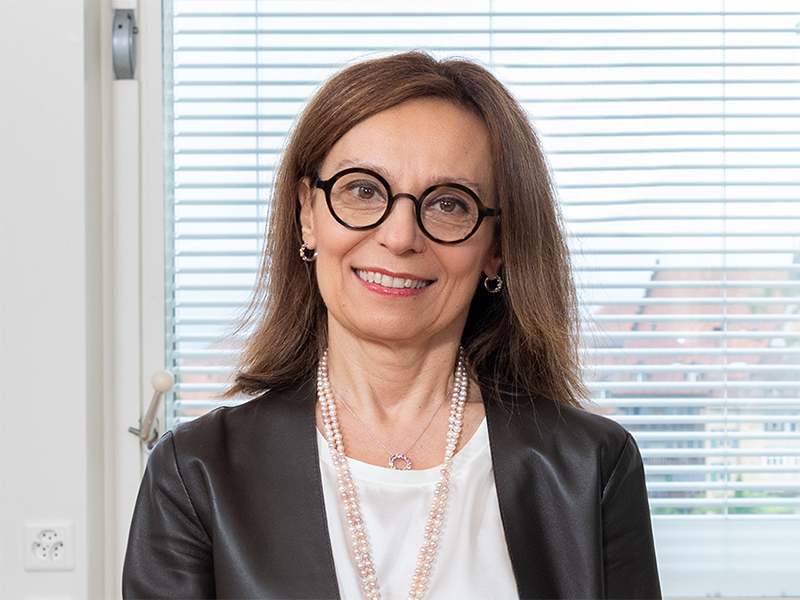
Claudia Bagni is a Full Professor and Vice-Dean of Research and Innovation at the Faculty of Biology and Medicine (FBM) of the University of Lausanne (UNIL), where she also directs a research team within the Department of Fundamental Neurosciences (DNF). She has held significant leadership roles, including Director of DNF from 2016 to 2021. Her academic journey includes professorial positions at the University of Rome Tor Vergata and KU Leuven in Belgium.
Her research focuses on the molecular and cellular mechanisms of synaptic plasticity, with a primary emphasis on neurodevelopmental disorders. Key areas of study include Fragile X Syndrome (FXS), Autism Spectrum Disorders (ASD), and the broader category of synaptopathies. She investigates the role of the FMRP protein and RNA metabolism, utilizing diverse models such as mice, fruit flies (Drosophila), human cells, and organoids. A more recent and significant research direction explores the reduced cancer risk observed in FXS patients, with current work focusing on glioblastomas.
The trends in her recent publications highlight a consistent focus on the molecular basis of synaptic dysfunction in neurodevelopmental disorders, the use of innovative model systems, and the translation of fundamental findings into clinical understanding. Her work bridges basic science and clinical application, aiming to develop personalized therapeutic strategies.
Professor Bagni is a strong advocate for translational neuroscience, technological transfer, and multidisciplinary collaboration. She has played a key role in establishing research platforms like Neuro-Bau and a Drosophila platform at DNF, and supports the upcoming organoid platform. As Vice-Dean, she promotes the PACTT technology transfer unit and fosters interactions between research platforms, clinicians at CHUV, and industry.
She is deeply committed to mentoring and advancing the careers of young researchers, particularly women in science. Her leadership extends to serving on prestigious international scientific advisory and funding committees, demonstrating her significant standing in the global research community.