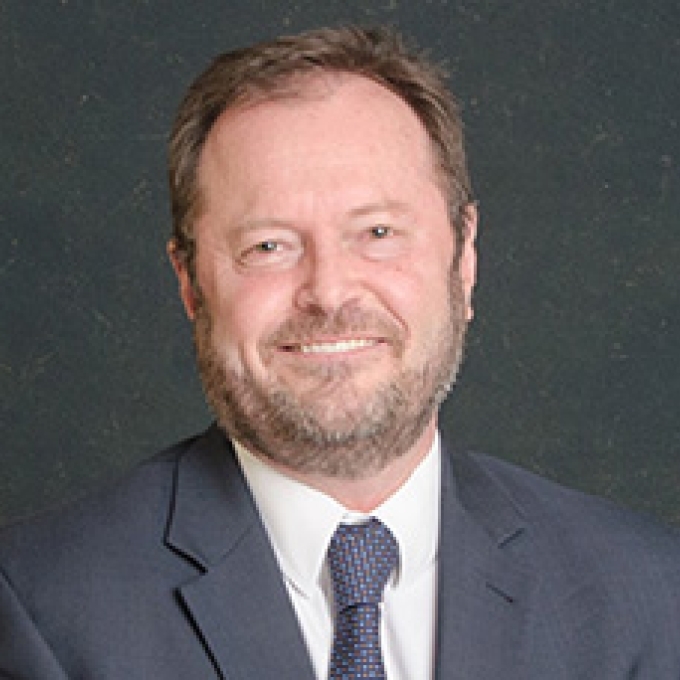
Shirin Heidariمشاهده پروفایل
پژوهشگر
Dr. Shirin Heidari serves as a Senior Researcher at the Gender Centre of the Graduate Institute of International and Development Studies in Geneva and concurrently as a Senior Technical Consultant on Gender at the World Health Organization (WHO) within the Gender, Equity and Human Rights unit. She leads a multi-country research initiative focused on sexual and reproductive health and rights (SRHR) in forced displacement contexts, bridging academic research with global health policy implementation. Her educational foundation includes a doctorate from Karolinska Institute (2001), where she conducted HIV research prior to relocating to Geneva in 2007. Dr. Heidari's research program centers on gender equity in scientific practice, with pioneering work establishing the Sex and Gender Equity in Research (SAGER) guidelines that mandate sex- and gender-sensitive methodologies. Her scholarship critically examines SRHR in humanitarian crises, decolonial research frameworks, and systemic gender bias in academic publishing. This manifests in high-impact publications addressing transactional sex in refugee settings, gendered pandemic responses, and respectful maternity care. Analysis of her 15 most recent publications reveals a consistent trajectory toward policy-relevant research: 73% address forced displacement contexts, 60% implement SAGER principles, and 47% focus on real-time data collection during crises. Her work demonstrates increasing integration of decolonial theory with gender analysis since 2018. While no formal scientific awards are specified in the source text, her leadership roles—including founding GENDRO (an association advancing gender-sensitive research) and chairing the European Association of Science Editors' Gender Policy Committee—represent significant professional recognition. As principal investigator of major multi-country projects, Dr. Heidari directs substantial research funding streams. Her editorial leadership as former Editor-in-Chief of Reproductive Health Matters and Journal of the International AIDS Society demonstrates extensive grant management experience. No formal student advisement is documented in the provided materials. She operates through the Gender Centre and Global Health Centre at the Graduate Institute, while her founded organization GENDRO facilitates international collaboration on gender-sensitive methodologies. Her TEDx Talk and board membership with Amnesty International (Sweden) extend her influence beyond traditional academic structures into public discourse and human rights advocacy.