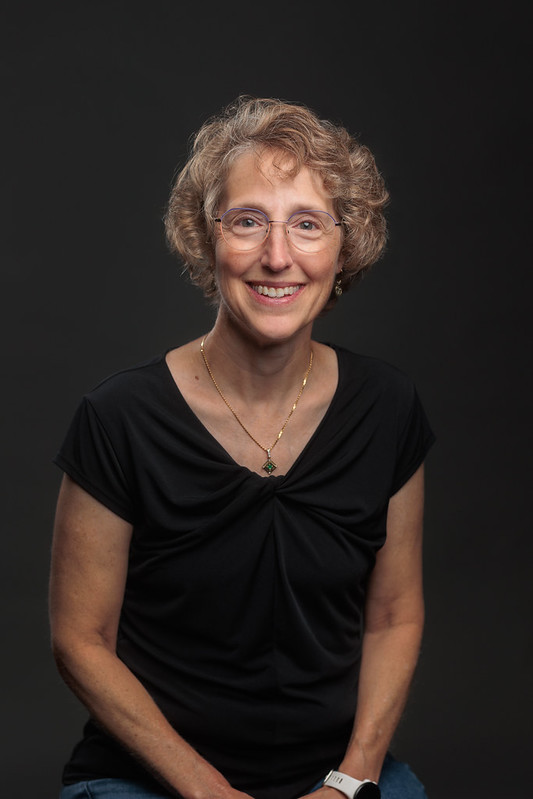
Dr. Debra L. Wohl serves as Professor of Biology and Chair of the Department of Biological and Environmental Sciences at Elizabethtown College, where she has been a faculty member since 2004. She also chairs the Health Professions Advisory Committee, guiding pre-health students through their academic journeys. With a Ph.D. in Ecology from the University of Georgia, her academic journey includes an M.S. in Entomology and a B.S. in Biology from the University of Michigan. Dr. Wohl's primary teaching responsibilities include introductory biology courses (Molecules, Cells & Animal Systems), General Microbiology, Pathogenic Microbiology, and Microbial Ecology & Diversity. Her teaching philosophy emphasizes hands-on laboratory experiences and connecting classroom learning with real-world applications in microbiology and ecology. Her research program focuses on understanding microbial communities and diversity across various environments, with particular emphasis on how microorganisms influence human and environmental health. Recent work spans several interconnected areas: human microbiome studies (particularly oral and skin microbiomes across different populations), fecal matter preservation techniques for transplantation, microbial ecology in built environments, and agricultural soil microbial processes related to denitrification and nutrient cycling. Her research consistently involves undergraduate students as co-investigators. Analysis of Dr. Wohl's 15 most recent publications reveals a strong focus on microbial community dynamics across different environments. Her work demonstrates consistent interest in how human activities and environmental factors shape microbial communities, with particular attention to applications in human health (especially fecal microbiota transplantation) and environmental sustainability (particularly in agricultural settings). The interdisciplinary nature of her research bridges microbiology, environmental science, and human health. Dr. Wohl actively mentors students through research collaborations, with numerous co-authored presentations at regional and national conferences including the Pennsylvania Academy of Sciences, Beta Beta Beta conferences, and the Ecological Society of America meetings. Students working with her have received multiple awards for their research presentations, highlighting the quality of mentorship and research opportunities available in her program. Her laboratory work provides students with hands-on experience in microbiological techniques, molecular analysis, environmental sampling, and data interpretation. Current research projects examine microbiome differences between populations, microbial dynamics in built environments, and preservation methods for microbiome-based therapies, offering diverse opportunities for student involvement across multiple aspects of microbial ecology and human health.