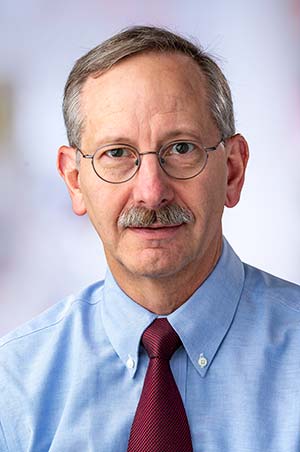
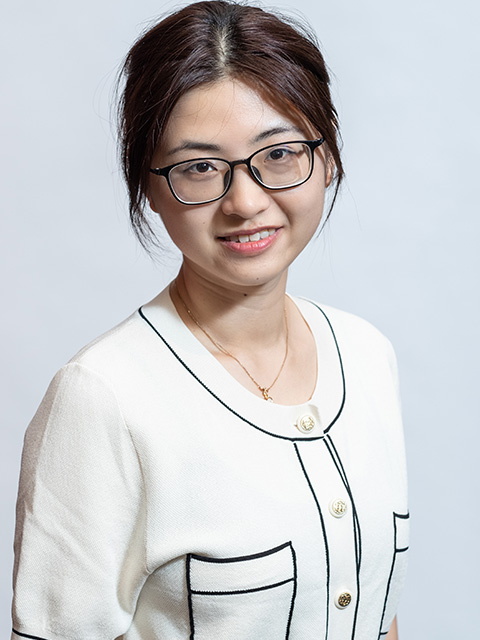
Anu G. Bourgeois is an Associate Professor in the Department of Computer Science at Georgia State University. She holds a Master’s and Ph.D. in Electrical and Computer Engineering from Louisiana State University (1997 and 2000, respectively). Her work is supported by NSF and CDC grants, and she is a Senior Member of the IEEE. Bourgeois’s research spans parallel computing, wireless networks, cybersecurity, and STEM education. Notable projects include the RISE program for Black women in computing and studies on UAV control via AI. Her recent work emphasizes educational equity, m-health interventions for opioid use, and fault-tolerant systems. Her 2025 publications highlight pathways for underrepresented students in computing and resilient data transmission frameworks. Earlier work includes contributions to cosmic ray detection and mobile health applications. Awards include recognition as an IEEE Senior Member. Bourgeois advocates for industry-aligned pedagogy, as seen in her virtual tutoring center projects and collaborations on cybersecurity education. She leads the Evidence-Based Cybersecurity Research Group and maintains a lab at grid.cs.gsu.edu/agb .
Dr. Gabrielle String is an Assistant Professor at Lehigh University holding joint appointments in the Department of Civil and Environmental Engineering and the Department of Community and Population Health within the College of Health. Her research focuses on applied evaluations of water, sanitation, and hygiene (WASH) programs in developing countries and humanitarian crises. She combines laboratory-based efficacy studies with field implementation evaluations to address evidence gaps in rural Water Safety Plans (WSPs), household water storage practices, and outbreak response disinfection strategies. Education: PhD in Mechanical Engineering, Tufts University (2017) MS in Mechanical Engineering, Tufts University (2013) BS in Mechanical Engineering, Clarkson University (2011) Research Interests: WASH program effectiveness in emergency contexts Chlorination acceptability and optimization Surface disinfection for viral pathogens Community-managed water systems Cross-cultural implementation challenges Her 15 most recent publications (2021-2025) demonstrate increasing focus on: AI-driven water quality modeling Chlorination efficacy across diverse settings Alternative disinfection methods using sunlight Context-specific cholera prevention strategies Multi-country humanitarian response evaluations Collaborations include UNICEF, charity: water, Solidarités International, USAID OFDA, and the Research for Health in Humanitarian Crises (R2HC) program. Her work emphasizes practical solutions that bridge laboratory science with real-world implementation challenges in low-resource settings.
Gaston Welisch is a Researcher and PhD candidate affiliated with the Glasgow School of Art, specializing in interdisciplinary creative practices at the intersection of AI, design, and societal engagement. His current research, titled 'AI Oracles and Creative Practices,' critically examines AI's ethical and social impacts through design interventions. He holds a Master’s degree from the Glasgow School of Art, with prior education at ENSCI Les Ateliers (Paris) and Aalto University (Finland). His work spans projects like The Data Poets , which blends citizen science with playful urban exploration, and First in Human , a collaboration with Glasgow University investigating cancer trial dynamics. Key affiliations include Glasgow School of Art, Glasgow University’s Institute of Cancer Sciences, and collaborative projects with institutions like Highlands and Islands Enterprise. His creative outputs include interactive installations, generative art, and limited-edition photography books like Car Wash Poems . Gaston’s research emphasizes transdisciplinary dialogue, prioritizing accessible narratives about complex technologies through design and participatory methods. Recent publications focus on AI ethics, patient involvement in medical research, and speculative future scenarios. He has exhibited work at the Design Biennale of St-Etienne and contributed to initiatives like the Glasgow Architecture Fringe. His practice bridges academic research with hands-on creative production, advocating for AI as a tool requiring critical mediation between humans and machines.
Dr. Johannes Flacke is an Associate Professor for Spatial Planning and Decision Support Systems at the University of Twente, Netherlands, with dual affiliation to the Department of Urban and Regional Planning and Geo-Information Management and the Digital Society Institute. He holds a Diploma in Geography (1994) and a PhD in Geosciences (2002) from Ruhr-University Bochum, Germany. Diploma in Geography, Ruhr-University Bochum (1994) PhD in Geosciences, Ruhr-University Bochum (2002) His research focuses on sustainable urban transformation, climate change adaptation, and micro-level urban modeling. He specializes in collaborative spatial decision support systems, addressing challenges in informal settlements, environmental inequalities, and poverty alleviation. Recent work includes inclusive digital planning tools like OGITO and analyses of energy poverty and health risks in marginalized communities. Key trends in his 2025–2023 publications include participatory design for bikeable cities, cascading effects of disasters in informal settlements, climate adaptation planning, and equity-focused urban research. Tools like collaborative mapping and interactive dashboards are recurring themes across his work. Dr. Flacke has supervised 13 research projects and contributed to datasets on European climate plans, heat-or-eat dilemmas, and disaster impact chains. He actively engages in oral presentations on topics such as water security, flood risk management, and health promotion for unhoused populations.
David Fredricks, MD is a Professor in the Vaccine and Infectious Disease Division and Clinical Research Division at Fred Hutchinson Cancer Research Center, and also holds a Professor position in the Division of Allergy and Infectious Diseases within the Department of Medicine at the University of Washington School of Medicine. He is a Member of both the Pathogen-Associated Malignancies Integrated Research Center (PAM IRC) and the Translational Data Science Integrated Research Center (TDS IRC) at Fred Hutch, and serves as a Physician at the institution. MD, Case Western Reserve University, 1990 MS (Biology), Stanford University, 1984 BS (Biology), Stanford University, 1983 Dr. Fredricks is a leading researcher in the field of human microbiome studies, with a particular focus on how microbial communities impact human health. His research has significantly advanced our understanding of bacterial vaginosis and its connections to increased risks of HIV acquisition, pelvic inflammatory disease, and preterm birth. He has pioneered work on the relationship between gut bacterial populations and graft-versus-host disease in stem cell transplant patients. His laboratory employs molecular biology tools like broad range 16S rRNA gene PCR to characterize microbial diversity across human body sites. Dr. Fredricks leads the Microbiome Research Initiative, a cross-disciplinary effort at Fred Hutch to deepen understanding of microbial communities' effects on human health. Analysis of Dr. Fredricks' recent publications reveals a strong focus on the vaginal microbiome's relationship to HIV transmission, bacterial vaginosis, and women's health outcomes. His work spans from basic microbial ecology to clinical applications, with significant contributions to understanding how microbiome composition affects transplant outcomes, HIV risk, and menopausal health. His research combines molecular diagnostics, clinical studies, and translational approaches to address critical questions in infectious diseases. Key Vaginal Bacteria Associated with Increased Risk of HIV Acquisition in African Women (Lancet Infect Dis, 2018) The Stool Microbiota at Neutrophil Recovery is Predictive for Severe Acute Graft versus Host Disease after Hematopoietic Cell Transplantation (Clin Infect Dis, 2017) Metabolic Signatures of Bacterial Vaginosis (mBio, 2015) Dr. Fredricks has secured significant research funding to support his work on the human microbiome, with particular emphasis on developing molecular diagnostic tests to detect pathogens in immunocompromised patients and studying antifungal and antibacterial therapies for cancer patients. His research group has trained numerous scientists in microbiome analysis techniques. The Fredricks Lab pursues multiple research streams including the ecology of human microbial communities, nucleic acid sequence-based methods for discovering novel pathogens, and developing diagnostic tests based on microbial nucleic acid sequences. Dr. Fredricks leads the Microbiome Research Initiative at Fred Hutch, which brings together researchers from diverse disciplines to advance microbiome science. His laboratory has developed specialized methods for characterizing microbial communities and has made significant contributions to understanding the vaginal microbiome, gut microbiome in transplant patients, and the connections between microbial communities and human disease.
Dr. Pascal Lessel is a Post-Doctoral Researcher at the German Research Center for Artificial Intelligence (DFKI) within the Ubiquitous Media Technology Lab at Saarland Informatics Campus. He coordinates aspects related to the Media Informatics program at Saarland University while teaching various courses including GameCraft seminars, scientific writing proseminars, and Media Projects. His educational background includes a doctorate (Dr.-Ing.) with research focused on gamification and human-computer interaction. His teaching portfolio spans from Winter 2012/2013 through Summer 2025, demonstrating long-term commitment to academic instruction in game design, gamification, and media informatics. Dr. Lessel's research focuses on gamification , behavior change support systems , live-streaming of games , and crowdsourcing . His work explores how user-created gamification elements impact engagement, how to personalize gamified experiences based on user types, and how to enhance audience participation in game live-streams. His research combines theoretical frameworks with practical implementations, often developing prototype systems for evaluation. His publication record shows consistent output since 2012 with over 50 publications, demonstrating expertise in gamification design, user experience evaluation, and audience participation systems. His recent work (2021-2022) shows increasing focus on personalization, user-created gamification, and the psychological impacts of different gamification approaches. Honorable Mention at CHI 2015 for 'Analysis of Recycling Capabilities of Individuals and Crowds' Honorable Mention at CHI Play 2019 for 'Crowdjump: Investigating A Player-Driven Platform Game' Active reviewer for CHI, CHI Play, UIST, INTERACT, and other top HCI conferences since 2014 Member of Game Award Saar 2023 jury Member of GamesTalente jury since 2020 Dr. Lessel has supervised numerous bachelor's and master's students, with thesis topics spanning gamified task management, audience-participation games, behavior change interventions, and live-streaming enhancements. His students have developed practical applications for fitness motivation, waste separation, receipt capturing, and audience influence in streaming contexts. He also serves as a reviewer for major conferences in human-computer interaction and game research, demonstrating recognition within his academic community. His research lab work focuses on developing and evaluating systems that bridge the gap between theoretical gamification frameworks and practical implementations, with particular attention to user autonomy, personalization, and audience participation in digital experiences.
David N. Fredricks is a Professor of Medicine at the University of Washington School of Medicine and an Adjunct Professor of Microbiology at the University of Washington. He also serves as a Professor in the Vaccine and Infectious Disease and Clinical Research Divisions at Fred Hutchinson Cancer Research Center (Fred Hutch), where he directs the Microbiome Research Initiative. His academic appointments span both clinical medicine and basic science research, reflecting the interdisciplinary nature of his work. Dr. Fredricks' research focuses on the human microbiome with three primary areas of investigation: 1) The Human Microbiome and Bacterial Vaginosis (BV), examining factors determining genital tract constituents and how microbial communities impact health; 2) Pathogen Discovery, developing nucleic acid sequence-based methods to detect novel pathogens; and 3) Molecular Diagnostics, improving detection of known pathogens through sensitive diagnostic tests. His groundbreaking work has demonstrated that specific gut bacteria at neutrophil recovery can predict risk of graft-versus-host disease (GVHD) after hematopoietic cell transplantation, potentially enabling microbiota-based risk assessment and intervention. Analysis of Dr. Fredricks' recent publications reveals a strong emphasis on vaginal microbiome research with significant implications for HIV acquisition risk. His work has identified specific vaginal bacteria like BVAB3 and Leptotrichia/Sneathia species associated with increased HIV shedding in women. His research also explores how vaginal hygiene practices affect microbial communities, the relationship between gut microbiota and immune reconstitution after transplantation, and improved diagnostic methods for fungal infections in immunocompromised patients. This interdisciplinary research bridges microbiology, immunology, infectious diseases, and women's health, with substantial clinical and public health implications. As Director of the Fred Hutch Microbiome Research Initiative, Dr. Fredricks coordinates research across multiple divisions, bringing together investigators with expertise in study design, laboratory methods, animal models, human intervention studies, and data analysis. His laboratory team includes research technicians, graduate students, post-doctoral researchers, and clinical research coordinators who employ molecular biology tools like broad range 16S rRNA gene PCR to characterize microbial diversity in human body sites. The initiative aims to leverage microbiome research to predict health outcomes, understand disease pathogenesis, and develop microbiota-based interventions relevant to cancer and infectious diseases.
Niina Hernández is a University Lecturer at the Department of Textile Technology within the Academy of Textiles, Technology and Economics at the University of Borås. She has been affiliated with the university since 2011, initially serving as a training leader and teacher for Design Techniques while completing her doctoral studies. Education: Textile teacher's degree Licentiate in fit for deviant figures from the University of Gothenburg (Thesis: "Tailoring the Unique Figure") Doctoral thesis: "Does it really fit?" Research Interests: Hernández specializes in the mathematical, virtual, and physical aspects of garment fit. Her work spans systems for product development and production, software for custom-made clothing manufacturing, and virtual fit evaluation methodologies. Core research areas include Textile Engineering, Garment Fit, Virtual Fitting, Custom Clothing Production, Smart Textiles, and Wearable Technology, with emphasis on bridging theoretical models with practical applications. Publication Trends: Her 15 most recent publications (2014-2023) demonstrate concentrated expertise in garment fit prediction, smart textile sensors, and wearable health monitoring systems. Key themes include deep learning for textile degradation analysis, virtual sizing solutions, sensor integration for neurological disorders, and sustainable fashion technologies. The work consistently bridges textile engineering with computer science and healthcare applications, showing progression from theoretical fit modeling to real-world implementations in neurorehabilitation and UN collaborations. Research Projects and Funding: wearITmed: Funded by the Swedish Foundation for Strategic Research (SSF) for neurorehabilitation garments Digimode: Vinnova-funded project extending EC-supported "from Roll to Bag" circular fashion initiative SIIR: Industry collaboration projects for textile companies UN Collaboration (2024-2025): Development of guide clothing for UN headquarters in New York with design students Teaching and Advising: Hernández has instructed Design Techniques since 2011 and mentored students in high-impact projects like the UN guide clothing collection. Her teaching integrates industry experience from CAD/CAM systems development and women's apparel production. Laboratory and Team Involvement: She is a core member of the WearITmed Consortium developing sensor-based garments for neurological rehabilitation. Her work with SIIR facilitates industry-academia knowledge transfer, while the UN project demonstrates applied design leadership in international contexts.
Matthias Braun is Professor of Social Ethics at the Faculty of Protestant Theology at the University of Bonn, holding the Chair of (Social) Ethics since the winter semester of 2022/23. Previously, he was head of the junior research group "Ethics and Governance of New Technologies" at the Friedrich-Alexander University Erlangen-Nuremberg until 2022. His academic journey includes research positions at institutions in Marburg, Erlangen, Bergen, Maastricht, and Oxford. Braun's research focuses on the ethical and governance challenges of emerging technologies, particularly examining how new technologies change social forms of life and institutions. His work spans political ethics, AI ethics, digital twin technology, data governance, and theological ethics. Using empirical and analytical-hermeneutic methods, he assesses social values and norms to develop responsible approaches to technological development. His recent publications demonstrate a clear trajectory toward increasingly sophisticated examinations of technology's societal impacts, with a growing emphasis on practical implementation of ethical frameworks. The research shows deep engagement with both theoretical foundations and concrete applications, particularly in healthcare contexts where ethical considerations have immediate real-world consequences. European Research Council research award recipient Falling Walls Award in Social Science and Humanities Braun leads the ERC-funded project on the ethics of digital twins and collaborates extensively across disciplinary boundaries. His work with the Collaborative Research Center EmpkinS and the Transdisciplinary Research Center "Life & Health" demonstrates his commitment to bridging academic research with practical societal concerns. Through initiatives like the Lunch Series on "Ethics, AI, and Health" and the "SciCom with Kids" program, he actively engages with diverse audiences to foster public discourse on technology ethics.
Dr. Lenneke Kuijer is an Assistant Professor in the Designing Quality in Interaction group within the Department of Industrial Design at Eindhoven University of Technology (TU/e). She joined TU/e in 2016 after completing her PhD at Delft University of Technology and a postdoc position at the University of Sheffield. Her work bridges social theory and design practice, focusing on how interactive technologies shape everyday life and energy consumption. Dr. Kuijer's educational background includes: PhD in Industrial Design (Cum Laude) from Delft University of Technology (2014) Master in Product Innovation Management from Delft University of Technology (2006) Bachelor in Industrial Design Engineering from Delft University of Technology (2006) Her research focuses on applying social practice theory to design, particularly in the context of sustainable living and energy consumption. She investigates how everyday practices like bathing, heating, and cooling are shaped by technologies and how design can intervene to create more sustainable alternatives. Her work often involves speculative design and design fiction to explore future scenarios, particularly around thermal comfort without excessive energy use. Analysis of her publication trajectory reveals a progression from foundational theoretical work on social practice theory in design (2009-2013) through empirical studies on bathing and thermal comfort (2011-2018) to recent applied research on smart technologies and summer comfort alternatives (2022-2025). Her research increasingly focuses on developing design methods that account for the complex interplay between technology, practice, and sustainability, with particular attention to climate adaptation in domestic settings. Her notable recognition includes: NWO VENI grant (2019) for 'Anticipating the role of smart technologies in the dynamics of everyday life' Dr. Kuijer has supervised over 500 students throughout her career with an adaptive coaching style that combines weekly meetings with community building among students. She values deep theoretical grounding developed through hands-on making and experimentation. She has secured multiple research grants, including the NWO VENI project and the 'Just Prepare' project focused on energy transitions in underprivileged neighborhoods. Her research connects design with social science perspectives to develop methods for designing sustainable technologies that account for the complexity of everyday life. She leads research within the Future Everyday cluster at TU/e, collaborating with industry partners on projects related to summer comfort alternatives to air conditioning. Her work spans academic publications, media engagement (including multiple Dutch media appearances on sustainable cooling alternatives), and practical design interventions that challenge dominant energy-intensive forms of living.
Dr. Alfredo Hernandez Sanchez is a Research Fellow at the Institute for International Relations and Political Science (TSPMI) at Vilnius University and a Senior Fellow at the Institute for Studies on the Mediterranean and the Middle East (IBEI). He holds a PhD in Political Science from Central European University and a BA in International Relations from UNAM, with expertise in Computational Social Sciences, Natural Language Processing (NLP), and Quantitative Text Analysis. His work bridges FinTech, International Political Economy, and anti-corruption research, including policy contributions for UNESCO, Transparency International, and the IADB. PhD in Political Economy, Central European University (2020) BA in International Relations, UNAM His research focuses on FinTech regulation , Big Data applications in governance, and corruption risk measurement using large-scale datasets. Current projects include the Political Economy of FinTech grant and the Water Integrity Risk Index initiative with UNESCO. Publications span Springer, Bloomsbury, and Emerald, covering topics like pandemic-era procurement ethics and defense corruption networks. Recent work highlights FinTech policy , anti-corruption metrics , and quantitative methods in political economy, with a trend toward AI-driven analysis of governance structures. He is also a Data Visualization enthusiast, contributing to the D·Viz blog and academic discourse via Bluesky. Notable affiliations include: Marie-Curie ERA Postdoctoral Fellow (Vilnius University) Research Fellow (IBEI) Contributor to UNESCO and IADB projects
Dr. Fran Meissner is an Assistant Professor at Leiden University's Department of Urban and Regional Planning and Geo-Information Management, actively contributing to the Digital Society Institute. Her work bridges urban studies, migration research, and critical data science.
Dr. Jinghua Jiang is a Vice-Chancellor Independent Research Fellow specializing in flood risk management and hydrodynamic modelling. Her research focuses on developing GPU-accelerated computational tools and nature-based solutions to address climate resilience challenges in data-scarce regions. She leads the DECLARE Project, aiming to create automated tools for nature-based solutions (NbS) design against compound flood risks. Her work bridges academic research with practical implementation through international collaborations, including partnerships with the UK Met Office. Her expertise spans high-performance environmental modelling, machine learning applications, and stakeholder-engaged research. Completed projects include the Living Deltas Hub (GCRF WCSSP India), ValBGI, and ENACT initiatives, all supported by major UK research councils. She has pioneered pollutant transport models to enhance urban flood resilience and developed fluvial process models for rivers like the Mekong. Key contributions include advancing stormwater management techniques and integrating computational efficiency with real-world urban challenges. Her research emphasizes both technical innovation and community-focused solutions, with publications addressing urban flood modeling, nature-based interventions, and particle-tracking methodologies.
Elijah Bisung is an Assistant Professor in the School of Kinesiology and Health Studies at Queen’s University, affiliated with the Faculty of Arts and Science. He holds a Ph.D. in Health Geography from the University of Waterloo and a B.Sc. from Kwame Nkrumah University of Science and Technology (KNUST), Ghana. His research focuses on the social and environmental determinants of health, particularly water insecurity, environmental collective action, and health equity in Sub-Saharan Africa. He collaborates with communities and policymakers through the Centre for Environmental Health Equity to address inequitable environmental health conditions. Dr. Bisung’s education includes a M.Sc. in Environmental Studies (University of Waterloo) and extensive fieldwork in Kenya and Ghana. His teaching includes courses on global health, social determinants of health, and health promotion research. His work explores themes like psychosocial impacts of water scarcity, gender dynamics in WASH (Water, Sanitation, and Hygiene), and health systems resilience to climate change. He co-founded the SJE-GoHelP Foundation to advance health equity initiatives. His recent publications address vaccine hesitancy, water vendor labor conditions, and health equity in global crises. He employs mixed-methods and participatory research approaches, emphasizing community engagement. Despite no awards listed, his research bridges policy, practice, and academic scholarship to promote health justice.
Agustí Pérez Foguet is a Full Professor at the Department of Civil and Environmental Engineering, Universitat Politècnica de Catalunya (UPC), affiliated with the School of Civil Engineering, Barcelona. His academic career includes roles such as Associate Professor (2002) and Full Professor since 2017. His research focuses on mathematical modeling, multivariate statistics, and decision-making systems applied to water resources, environmental engineering, renewable energy, and sustainable development. He teaches courses on statistics, decision systems, sustainability, and digitalization in environmental engineering. His research interests span water affordability, air quality modeling, and compositional data analysis for SDG monitoring. Notable projects include studies on photovoltaic panel efficiency, urban CO₂ emissions, and global WASH sector improvements. He advises PhD students on topics like renewable energy planning, air pollution, and hygiene inequality. His work integrates global development principles into engineering education, promoting sustainable human development through case studies and online courses. Key contributions include developing methodologies for monitoring water access equity, modeling wildfire PM2.5 dispersion, and Bayesian network applications in decision support systems. He collaborates with international initiatives like SIASAR for Latin American water sector monitoring. His research spans environmental health, policy analysis, and low-cost technological solutions for water infrastructure in underserved regions.