
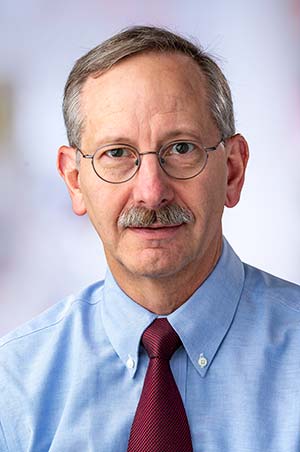
معرفی
David Fredricks, MD is a Professor in the Vaccine and Infectious Disease Division and Clinical Research Division at Fred Hutchinson Cancer Research Center, and also holds a Professor position in the Division of Allergy and Infectious Diseases within the Department of Medicine at the University of Washington School of Medicine. He is a Member of both the Pathogen-Associated Malignancies Integrated Research Center (PAM IRC) and the Translational Data Science Integrated Research Center (TDS IRC) at Fred Hutch, and serves as a Physician at the institution.
- MD, Case Western Reserve University, 1990
- MS (Biology), Stanford University, 1984
- BS (Biology), Stanford University, 1983
Dr. Fredricks is a leading researcher in the field of human microbiome studies, with a particular focus on how microbial communities impact human health. His research has significantly advanced our understanding of bacterial vaginosis and its connections to increased risks of HIV acquisition, pelvic inflammatory disease, and preterm birth. He has pioneered work on the relationship between gut bacterial populations and graft-versus-host disease in stem cell transplant patients. His laboratory employs molecular biology tools like broad range 16S rRNA gene PCR to characterize microbial diversity across human body sites. Dr. Fredricks leads the Microbiome Research Initiative, a cross-disciplinary effort at Fred Hutch to deepen understanding of microbial communities' effects on human health.
Analysis of Dr. Fredricks' recent publications reveals a strong focus on the vaginal microbiome's relationship to HIV transmission, bacterial vaginosis, and women's health outcomes. His work spans from basic microbial ecology to clinical applications, with significant contributions to understanding how microbiome composition affects transplant outcomes, HIV risk, and menopausal health. His research combines molecular diagnostics, clinical studies, and translational approaches to address critical questions in infectious diseases.
- Key Vaginal Bacteria Associated with Increased Risk of HIV Acquisition in African Women (Lancet Infect Dis, 2018)
- The Stool Microbiota at Neutrophil Recovery is Predictive for Severe Acute Graft versus Host Disease after Hematopoietic Cell Transplantation (Clin Infect Dis, 2017)
- Metabolic Signatures of Bacterial Vaginosis (mBio, 2015)
Dr. Fredricks has secured significant research funding to support his work on the human microbiome, with particular emphasis on developing molecular diagnostic tests to detect pathogens in immunocompromised patients and studying antifungal and antibacterial therapies for cancer patients. His research group has trained numerous scientists in microbiome analysis techniques. The Fredricks Lab pursues multiple research streams including the ecology of human microbial communities, nucleic acid sequence-based methods for discovering novel pathogens, and developing diagnostic tests based on microbial nucleic acid sequences.
Dr. Fredricks leads the Microbiome Research Initiative at Fred Hutch, which brings together researchers from diverse disciplines to advance microbiome science. His laboratory has developed specialized methods for characterizing microbial communities and has made significant contributions to understanding the vaginal microbiome, gut microbiome in transplant patients, and the connections between microbial communities and human disease.
David Fredricks در جاهای دیگر
جستجوهای مرتبط
شاید اینها هم به کارتان بیاید
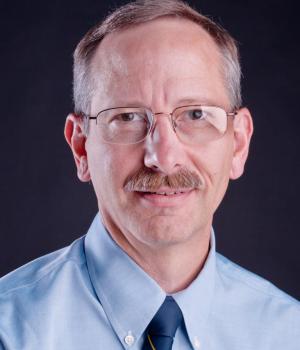 David N. FredricksUniversity of Washington · استاد
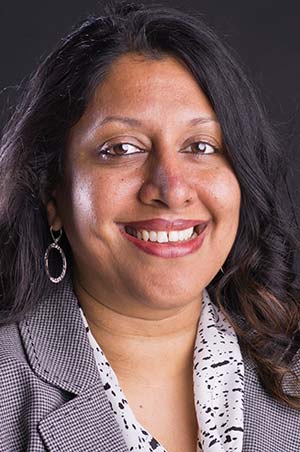 Sujatha SrinivasanFred Hutchinson Cancer Center · پژوهشگر
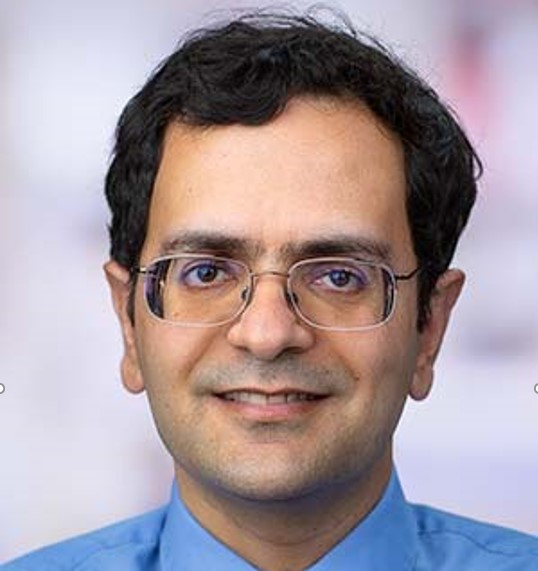 Armin RashidiFred Hutchinson Cancer Center · دانشیار
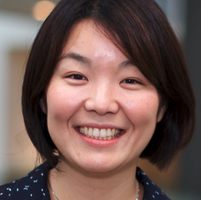 Masumi Ueda OshimaFred Hutchinson Cancer Center · دانشیار
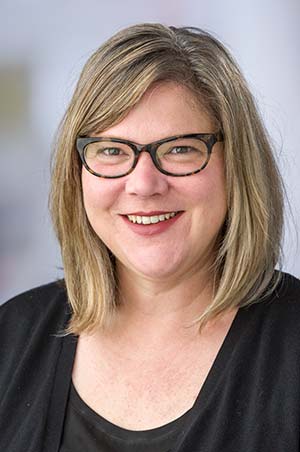 Elizabeth BrownFred Hutchinson Cancer Center · استاد پژوهش
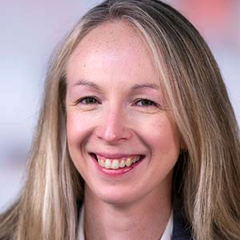 Kate MarkeyFred Hutchinson Cancer Center · استادیار