معرفی
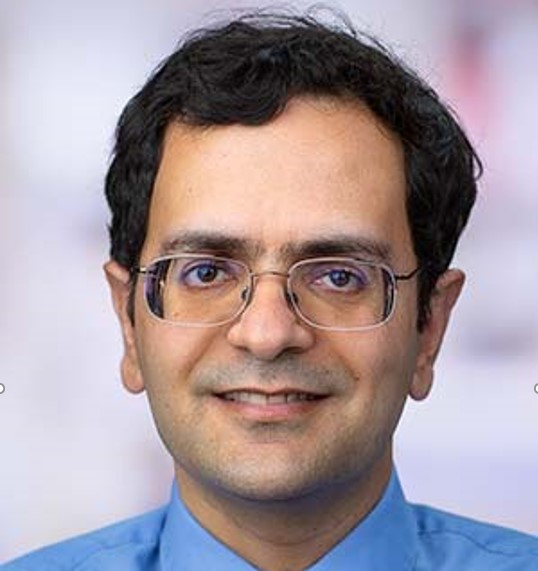
David N. Fredricks is a Professor of Medicine at the University of Washington School of Medicine and an Adjunct Professor of Microbiology at the University of Washington. He also serves as a Professor in the Vaccine and Infectious Disease and Clinical Research Divisions at Fred Hutchinson Cancer Research Center (Fred Hutch), where he directs the Microbiome Research Initiative. His academic appointments span both clinical medicine and basic science research, reflecting the interdisciplinary nature of his work.
Dr. Fredricks' research focuses on the human microbiome with three primary areas of investigation: 1) The Human Microbiome and Bacterial Vaginosis (BV), examining factors determining genital tract constituents and how microbial communities impact health; 2) Pathogen Discovery, developing nucleic acid sequence-based methods to detect novel pathogens; and 3) Molecular Diagnostics, improving detection of known pathogens through sensitive diagnostic tests. His groundbreaking work has demonstrated that specific gut bacteria at neutrophil recovery can predict risk of graft-versus-host disease (GVHD) after hematopoietic cell transplantation, potentially enabling microbiota-based risk assessment and intervention.
Analysis of Dr. Fredricks' recent publications reveals a strong emphasis on vaginal microbiome research with significant implications for HIV acquisition risk. His work has identified specific vaginal bacteria like BVAB3 and Leptotrichia/Sneathia species associated with increased HIV shedding in women. His research also explores how vaginal hygiene practices affect microbial communities, the relationship between gut microbiota and immune reconstitution after transplantation, and improved diagnostic methods for fungal infections in immunocompromised patients. This interdisciplinary research bridges microbiology, immunology, infectious diseases, and women's health, with substantial clinical and public health implications.
As Director of the Fred Hutch Microbiome Research Initiative, Dr. Fredricks coordinates research across multiple divisions, bringing together investigators with expertise in study design, laboratory methods, animal models, human intervention studies, and data analysis. His laboratory team includes research technicians, graduate students, post-doctoral researchers, and clinical research coordinators who employ molecular biology tools like broad range 16S rRNA gene PCR to characterize microbial diversity in human body sites. The initiative aims to leverage microbiome research to predict health outcomes, understand disease pathogenesis, and develop microbiota-based interventions relevant to cancer and infectious diseases.