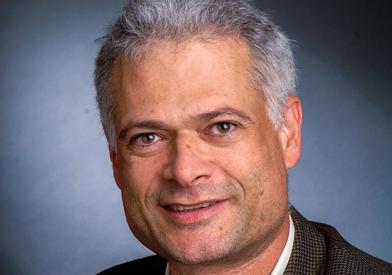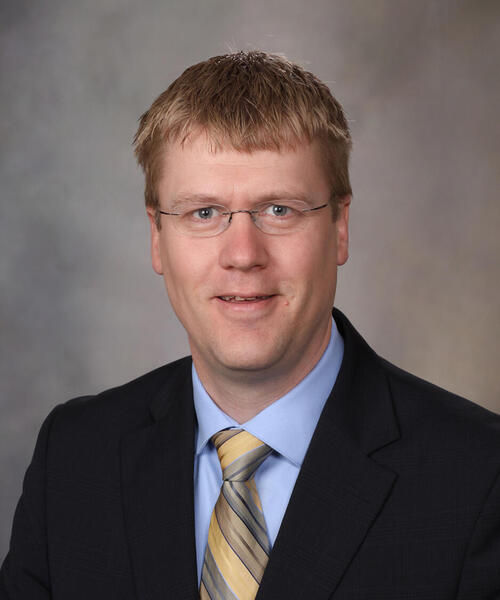
Timothy J. Nelson, M.D., Ph.D., is an Associate Professor of Medicine and Pharmacology at Mayo Clinic College of Medicine. He holds multiple consulting roles at Mayo Clinic, including in the Division of General Internal Medicine, Department of Internal Medicine, Department of Molecular Pharmacology and Experimental Therapeutics, Division of Pediatric Cardiology, and Department of Cardiovascular Medicine. He is also Director of Research at the NWWI, Mayo Clinic Health System in Eau Claire. Dr. Nelson's research is centered on cardiovascular regeneration using bioengineered induced pluripotent stem cells (iPSCs). His work focuses on modeling degenerative heart diseases such as cardiomyopathy and congenital conditions like hypoplastic left heart syndrome (HLHS) to uncover molecular mechanisms and develop personalized therapies. He uses patient-derived iPSCs to study cardiogenesis, self-renewal pathways, and genotype-phenotype associations, with the goal of translating findings into clinical applications. His recent research spans topics including iPSC-derived cardiomyocyte integration in primates, mitochondrial gene function in HLHS, SARS-CoV-2 cardiotoxicity, and transcriptome analysis in congenital heart disease. His publications reflect a strong emphasis on regenerative medicine, stem cell biology, and translational cardiology. He has led NIH-funded projects, including a study on dysfunctional regeneration in cardiomyopathy. Dr. Nelson is affiliated with key research programs such as the Center for Regenerative Biotherapeutics, the Center for Clinical and Translational Science (CCaTS), and the Todd and Karen Wanek Family Program for Hypoplastic Left Heart Syndrome. His work involves extensive collaboration across disciplines and institutions, supported by a robust network in cardiovascular and regenerative research. Standing member, NIH mentored patient-oriented research program review group (2014–present) He mentors trainees and leads a research team focused on advancing stem cell technology from bench to bedside, aiming to reduce reliance on organ transplantation for heart failure. His lab investigates nuclear reprogramming, cardiac differentiation, and preclinical cell therapy models in porcine and primate systems.