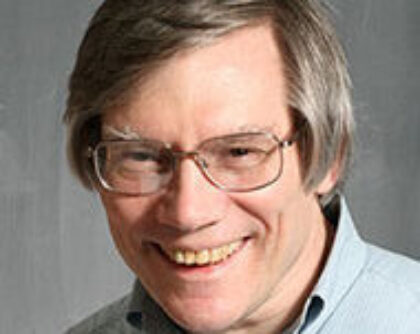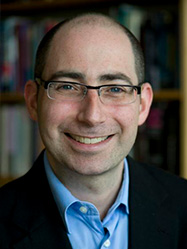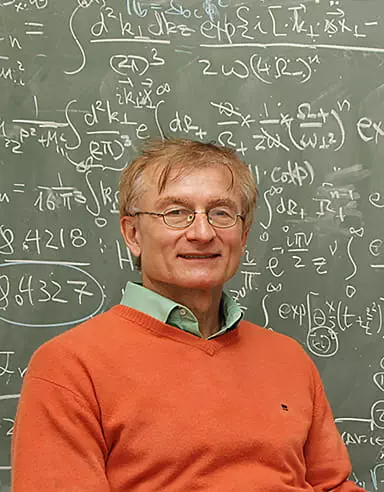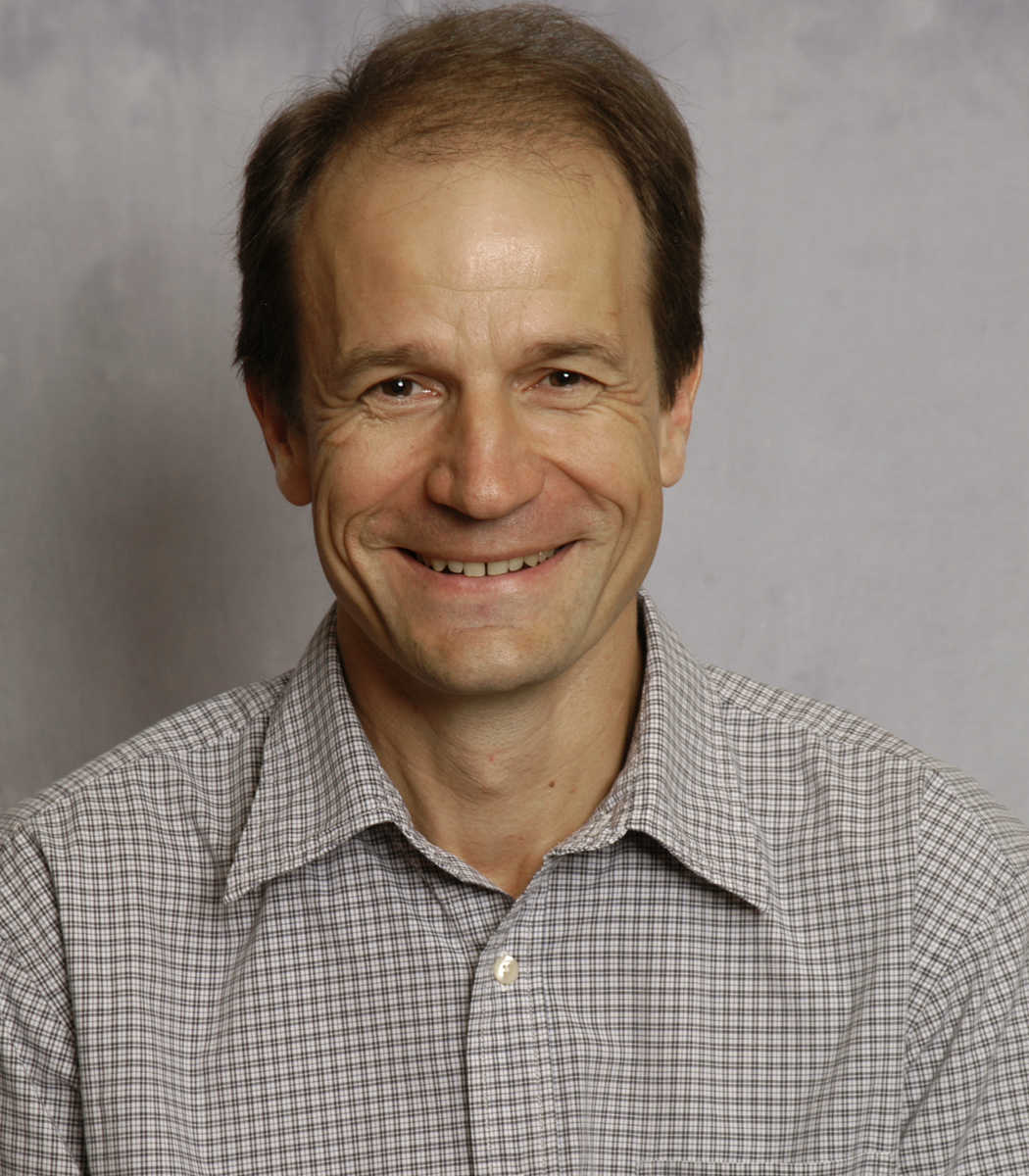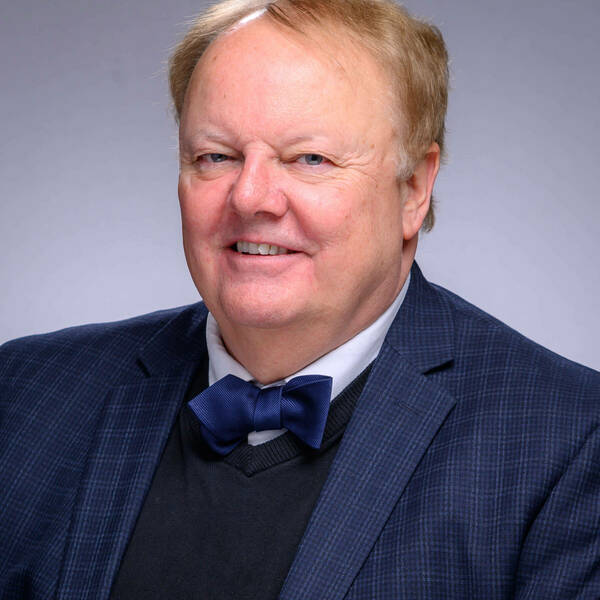
David I. Kaiser is the Germeshausen Professor of the History of Science in MIT's Program in Science, Technology, and Society, and Professor of Physics in the Department of Physics. He holds dual roles bridging physics and the history of science, with affiliations at the MIT Center for Theoretical Physics (CTP-LI). His research spans early-universe cosmology, quantum foundations, and the history of modern physics. Education: B.A. in Physics from Dartmouth College Ph.D. in Physics and History of Science from Harvard University Research Interests: Cosmology: inflationary models, primordial black holes, and gravitational wave signatures Quantum Foundations: Bell tests, entanglement, and experimental validations History of Science: Cold War physics, counterculture's influence, and pedagogical evolution Articles Trends: Recent work explores primordial black holes as dark matter candidates, gravitational wave observables, and nonminimal coupling models in inflation. His quantum experiments include Cosmic Bell tests using distant quasars to close loopholes in Bell's theorem. Awards: American Physical Society Fellow (2010) Margaret MacVicar Faculty Fellow (2012–2022) Frank E. Perkins Award for Excellence in Graduate Advising (2012) Physics World 'Book of the Year' (2012) Advising & Grants: Advised on foundational physics and history of science topics; notable grants include NSF-funded cosmology research. Collaborates with Alan Guth on inflationary cosmology and Anton Zeilinger on quantum entanglement experiments. Labs/Teams: Leads MIT's early-universe cosmology group and co-directs the Cosmic Bell collaboration, focusing on loophole-free Bell tests using astronomical data.