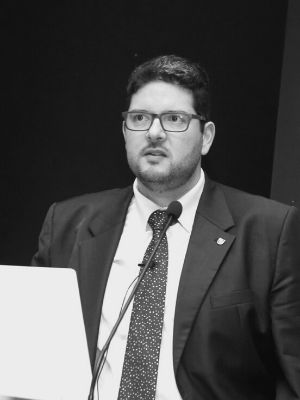
Weiqun (George) Wang is a Professor in the School of Health Sciences within the College of Health and Human Sciences at Kansas State University. Based in Justin Hall, he teaches graduate courses including Nutrient Metabolism (HN 620) and Micronutrient Metabolism (HN 812), with research focused on dietary strategies for cancer prevention through molecular mechanisms of body weight control and phytochemical action. His work bridges nutritional science, food technology, and molecular oncology to develop functional foods for chronic disease management. Dr. Wang earned his educational foundation in China with a B.S. in Biochemistry from Nanjing University (1983) followed by a Ph.D. in Animal Physiology and Biochemistry from Nanjing Agricultural University (1990), establishing expertise in biochemical and physiological research methodologies. His research program investigates how whole grain phytochemicals—particularly from sorghum, wheat bran, and corn—modulate cancer pathways and metabolic health. Key areas include: molecular mechanisms of ferulic acid in colon cancer inhibition, anthocyanin-enriched bioengineered foods for colorectal prevention, and the role of β-carotene oxygenase 2 in mitochondrial function. He examines how agricultural practices (e.g., high tunnel coverings, light quality) influence phytochemical content in crops, translating these findings into functional food applications with antioxidant and anti-inflammatory benefits. Analysis of his 15 most recent publications (2022-2025) reveals a dominant focus on plant-based cancer prevention, particularly colorectal cancer mechanisms. His work integrates in vitro cancer cell models with food science innovations like encapsulation technology, while contributing methodological advances in longitudinal data analysis for nutritional genomics. This interdisciplinary approach spans food chemistry, molecular biology, and computational statistics to develop evidence-based dietary interventions. Scientific Awards: No specific awards, fellowships, or medals were documented in the source materials. Advising and Grants: While no named graduate students or postdoctoral researchers were listed, Dr. Wang's instruction of advanced graduate courses (HN 620, HN 812, HN 820) indicates active mentorship in nutrition science. His extensive publication record suggests collaborative research involving students and colleagues, though specific grant funding details were not disclosed in the available profile. Laboratories and Research Teams: The profile does not specify dedicated laboratory facilities, but his research involving in vitro cancer cell assays, phytochemical analysis, and 3D hydrogel models implies access to biochemical and cell culture laboratories within Kansas State University's research infrastructure, likely through collaborations across health sciences and agricultural departments.