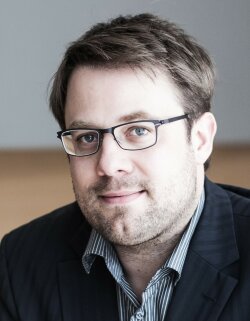
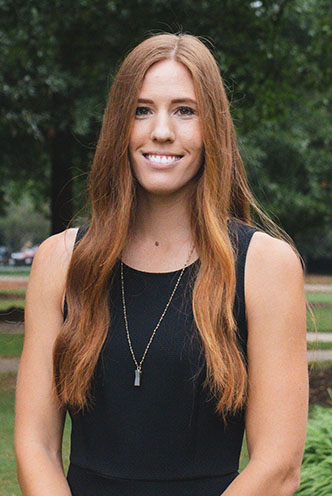
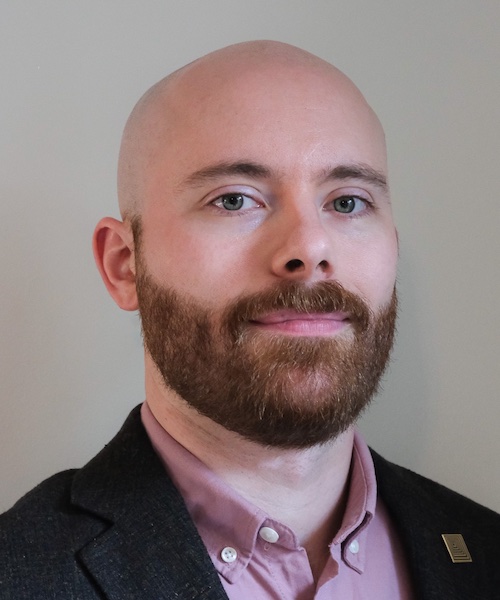
Gaia Olivo is an Associate Senior Lecturer at the University of Gothenburg within the Section of Neuro, Cognition and Developmental Psychology . Her research focuses on brain imaging studies investigating structural and functional plasticity related to reasoning, skill learning, and developmental disorders like dyslexia. Research Interests: Neuroplasticity mechanisms in cognitive development Neuroimaging techniques (fMRI, DTI) Motor and cognitive task adaptations Brain-body interactions in aging populations Publications (selected): 2024: Brain plasticity in dyslexia through sequence learning 2022: Motor tasks and gray matter changes 2021: VO₂max associations in older adults Advising/Grants: No specific grants or advisees listed in current materials. Active in collaborative projects involving cognitive neuroscience and clinical populations.
Professor Juan Burrone is a prominent academic in Developmental Neurophysiology at King's College London, affiliated with the Department of Developmental Neurobiology and the School of Neuroscience. He holds the rank of Professor and is Programme Coordinator in his department. His research focuses on synaptic plasticity, neurodevelopmental disorders (e.g., epilepsy, autism, schizophrenia), and the mechanisms underlying neuronal circuit formation. Key collaborations include work with Professors Roland Fleck, Angus Kirkland, and Ivo Lieberam. He has been awarded the Medical Research Council scholarship (1995) and the Smart’ award in biological sciences from Gonville and Cauis College, Cambridge (1995). Recent research highlights include studies on axon initial segment plasticity in ALS, chandelier cell development, and synapse formation. He leads projects funded by the MRC and Motor Neurone Disease Association, addressing neurodegenerative diseases and functional rescue strategies. His work contributes to UN Sustainable Development Goals related to health and well-being.
Professor Valerie Pomeroy is a leading academic in neurorehabilitation at the University of East Anglia (UEA), where she holds the Chair in Neurorehabilitation within the School of Health Sciences. She is a member of the Norwich Institute for Healthy Aging, Lifespan Health, and leads research in acquired brain injury rehabilitation. Her work is supported by major funding bodies including the National Institute for Health and Care Research (NIHR) and NHS boards. PhD, University of Southampton, School of Medicine BA, GradDipPhys, Cambridge School of Physiotherapy Professional Qualifications: FCSP, Member of Association of Chartered Physiotherapists in Neurology, Society for Research in Rehabilitation, Stroke Society of Australasia Her research focuses on personalized neurorehabilitation , particularly in stroke recovery and rehabilitation . She investigates movement control , neural correlates of therapy response , and the mechanisms underlying impairment and recovery. Her program emphasizes Phase I and II clinical trials to inform larger efficacy studies, integrating biomechanical and neurophysiological methods. She actively explores functional strength training, telerehabilitation, and novel neuromodulation techniques. Recent publications highlight her work in telerehabilitation , mirror movement therapy , kinematic assessment of movement , and neurophysiological monitoring post-stroke. Her studies span dose-finding trials, reliability assessments, and protocol development for large-scale interventions. The overarching trend is toward precision rehabilitation—understanding which therapies work, for whom, and under what conditions. Scientific contributions include editorial leadership and national policy input: Associate Editor, Physiotherapy (since 1998) Contributor to national and international reports/position papers (since 2007) Professor Pomeroy leads or collaborates on multiple active research projects, including NIHR-funded trials on spatial neglect (SIGHT), brain injury rehabilitation, and the neural mechanisms of mirror therapy. She supervises and collaborates with a broad team of researchers, though specific students are not listed. Her work is conducted through the Acquired Brain Injury Rehabilitation Alliance at UEA, where she integrates clinical innovation with scientific rigor.
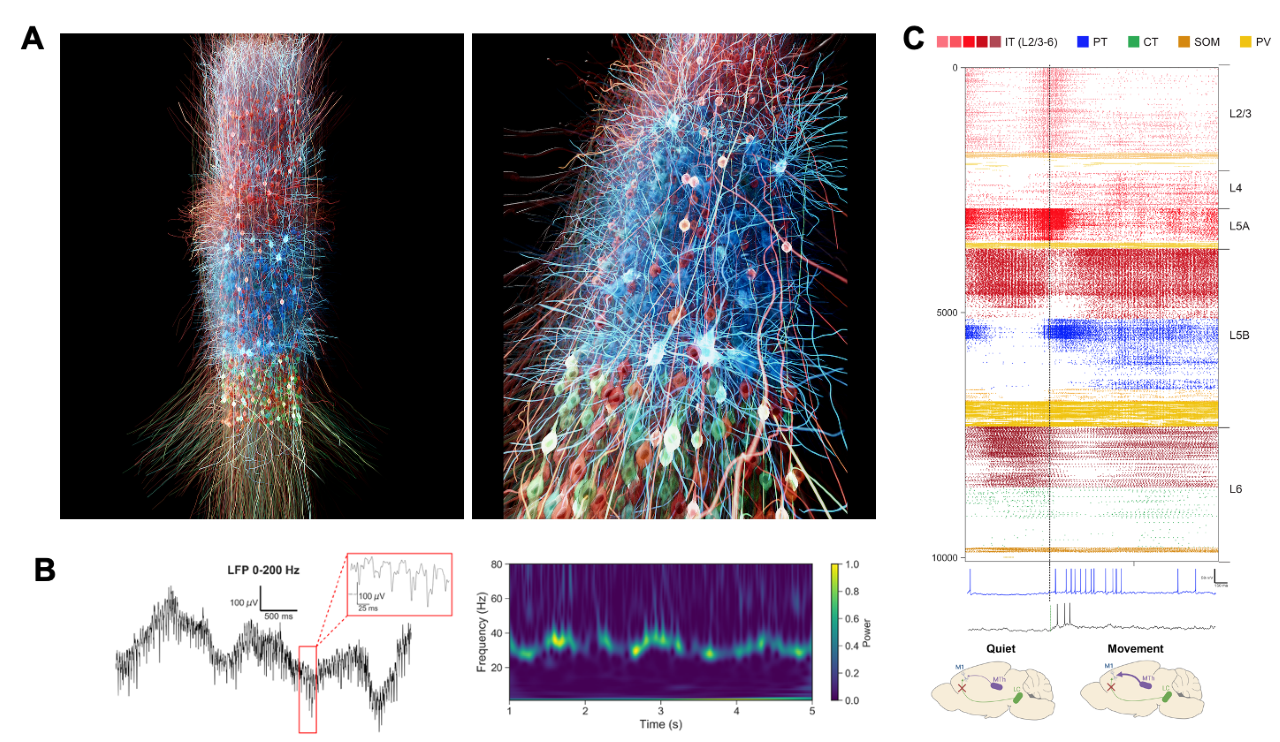
Salvador Dura-Bernal, PhD, is an Assistant Professor in the Department of Physiology and Pharmacology at SUNY Downstate Medical Center. He leads a computational neuroscience lab focused on multiscale brain modeling, machine learning applications in neuroscience, and biomimetic neuroprosthetics. His research bridges molecular, cellular, and systems-level neuroscience through biophysically detailed simulations. Developed NetPyNE, an open-source Python package for multiscale neuronal network modeling Collaborates with Nathan Kline Institute and global computational neuroscience organizations Co-Director of SUNY Downstate's Global Center for AI in Mental Health Research interests include: multiscale cortical circuit modeling, neural coding mechanisms, neuroprosthetic systems using spiking networks, and brain-machine interfaces. His work combines supercomputing simulations with experimental data validation, focusing on thalamocortical interactions and neuromodulatory effects. Recent publications demonstrate his team's success in creating biologically accurate models for motor and auditory cortices, with applications in understanding brain disorders and developing treatment strategies. The lab employs machine learning for model optimization and analysis, including evolutionary algorithms and Bayesian networks. 2024: Theoretical thalamus model for deviance detection 2023: Primary motor cortex model validated with in vivo data 2022: Somatosensory thalamocortical NetPyNE implementation Scientific contributions include: SUNY Downstate Annual Research Day best work (2022) Key developer of NetPyNE software Editorial board member for NeuroML NIH reviewer for BRAIN Initiative The lab trains graduate students and postdoctoral fellows, currently mentoring Joao Moreira (M.Sc.) and three postdocs. Research funding includes NIH grants for integrating NetPyNE with The Virtual Brain tool and developing neuroprosthetic systems that could replace damaged brain regions with in silico models.
Jonas Rose is a Professor at Ruhr University Bochum's Faculty of Psychology, serving as Spokesperson of the Research Department of Neuroscience and leading the Neural Basis of Learning lab at the Institute for Cognitive Neuroscience. His work focuses on comparative cognitive neuroscience, investigating how avian and mammalian brains independently evolved similar cognitive mechanisms despite divergent evolutionary paths. Position: Spokesperson of Research Department of Neuroscience Location: GA 04/48, Universitätsstr. 150, 44801 Bochum, Germany Contact: +49 (0)234 32-27135 Research interests center on cross-species comparisons of working memory, attention, sequential memory, and categorization using neurophysiological recordings from crows and pigeons. His team employs high-channel count electrophysiology to study single neuron activity and local field potentials across multiple brain regions simultaneously. Key Techniques: Multi-channel Neurophysiology Primary Subjects: Corvids and pigeons Evolutionary Focus: Parallel Cognitive Development Recent publications highlight comparative studies on neural oscillations in avian brains, computational parallels between crows and monkeys, and spatial computing principles in memory systems. His work challenges traditional cortical-centric views of intelligence by demonstrating equivalent cognitive capabilities in birds with differently structured brains. Students trained under his supervision include PhD graduates Aylin Apostel and Lukas Hahn, and master's awardee Farina Lingstädt. The lab's activities include international conferences (ACN 2024) and collaborative research projects with institutions like SFB 874.
Dr. Randolph J. Nudo serves as University Distinguished Professor and Vice Chair of Research in the Department of Physical Medicine and Rehabilitation at the University of Kansas School of Medicine. He concurrently holds the position of Associate Director at the Landon Center on Aging and the Marion Merrell Dow Distinguished Professorship in Aging. His educational foundation includes: BS in Psychology/Statistics from Pennsylvania State University MS in Psychology from Florida State University PhD in Psychology/Neuroscience from Florida State University Post Doctoral Fellowship in Physiology at the University of California at San Francisco Leading the Cortical Plasticity Laboratory with continuous NIH funding since 1985, Dr. Nudo investigates neural self-repair mechanisms following brain injury. His research integrates neuroscience with engineering to develop implantable microdevices for neural pathway repair, biomaterials for cranial defect treatment, and wearable imaging systems for brain hemodynamics monitoring. Key focus areas include traumatic brain injury recovery, stroke rehabilitation, and age-related neural changes, utilizing rodent and non-human primate models to explore cortical reorganization and therapeutic interventions. Analysis of his 2023-2025 publications reveals dominant themes in biomaterial-based therapies for TBI (hydrogels, polymeric drug delivery), advanced neuroimaging techniques (photoacoustic imaging), and closed-loop neuromodulation systems. His work consistently bridges fundamental neuroplasticity research with translational applications, particularly in motor recovery following cortical injury and the development of time-sensitive therapeutic windows for intervention. Dr. Nudo's scientific recognition includes: Fellow of the American Heart Association (FAHA) Fellow of the American Society of Neurorehabilitation (FASNR) With uninterrupted NIH support since 1985, his laboratory has secured substantial grant funding for neurotrauma research. Though specific advisees aren't detailed in source materials, his Cortical Plasticity Laboratory functions as a collaborative hub for neuroscientists, engineers, and clinicians developing novel rehabilitation technologies. Current projects include patent-pending implantable microdevices and biomaterial systems for neural repair. The Cortical Plasticity Laboratory drives interdisciplinary innovation through partnerships with biomaterials engineers, imaging scientists, and neurosurgeons. Current initiatives focus on thiolated tissue hydrogels for bone regeneration, closed-loop brain-spinal interfaces, and deep-structure imaging technologies to monitor real-time hemodynamic responses during rehabilitation.
Joseph F. Cheer, PhD, is a Professor in the Department of Anatomy and Neurobiology at the University of Maryland School of Medicine with a secondary appointment in Psychiatry. He serves as the CARTI Basic Science Research Training Track Leader and directs multiple NIH and private foundation-funded projects focused on neurophysiological and neurochemical aspects of endogenous cannabinoid signaling in intact systems. His educational background includes: B.S. in Biology from Universidad de los Andes, Bogotá, Colombia (1996) Ph.D. in Neuroscience from University of Nottingham, Nottingham, UK (2000) Postdoctoral training at Wake Forest University (2000-2002) Postdoctoral training at University of North Carolina, Chapel Hill (2002-2006) Cheer's research primarily investigates the physiological function of the endogenous cannabinoid system, particularly its role in motivated behaviors and potential therapeutic applications in pathological states like addiction. His work employs state-of-the-art electrophysiological (ensemble recordings) and electrochemical (fast-scan cyclic voltammetry) techniques to extract neurobiological correlates of behavior in real-time. His laboratory examines how endogenous cannabinoids modulate the encoding of motivated behavior, with specific interest in the dopaminergic projection from the ventral tegmental area to the nucleus accumbens. Analysis of his 15 most recent publications reveals consistent focus on endocannabinoid-dopamine interactions in reward processing, addiction mechanisms, and neurodevelopmental effects of cannabinoid exposure. His work spans from basic mechanisms of neurotransmitter release to translational studies in animal models of psychiatric and neurodegenerative disorders including Huntington's disease, depression, and schizophrenia. His significant scientific achievements include: Acceptance into the American College of Neuropsychopharmacology (2014) Multiple featured articles in high-impact journals including Nature Neuroscience (2019) Faculty of 1000 recognition for several publications Multiple plenary and keynote speaking engagements at major conferences Several prestigious mentoring awards including GPILS/OPS Postdoctoral Mentor Award (2017) and STAR-PREP Excellence in Mentoring Award (2018) Cheer has successfully secured multiple NIH grants as Principal Investigator, including five major R01 awards totaling over a decade of continuous funding. His research program has successfully recruited and mentored numerous tenure-track faculty members and has established collaborations across multiple institutions. His laboratory serves as a training ground for postdoctoral fellows, graduate students, and undergraduates interested in neuroscience research. His research group, the Cheer Lab, employs a comprehensive suite of neuroscience techniques including fast-scan cyclic voltammetry, ensemble single-unit recordings, optogenetics, chemogenetics, and calcium imaging to investigate endocannabinoid-dopamine interactions in real-time during behavior.
Adam C. Puche, PhD, is a tenured Professor and Vice Chair of the Department of Anatomy and Neurobiology at the University of Maryland School of Medicine. His laboratory investigates olfactory system development, neural circuitry, and function using neuroanatomical, electrophysiological, and advanced imaging techniques. He directs the medical school course Structure and Development , covering gross anatomy, histology, and embryology. Education: Ph.D. in Anatomy and Cell Biology, University of Melbourne (Australia) Post-doctoral training at University of Maryland with Dr. Michael T. Shipley Research Focus: Dr. Puche's work examines: (1) Embryonic/postnatal olfactory system development; (2) Neurogenesis and migration of olfactory interneurons via the rostral migratory stream; (3) Synaptic processing in glomerular microcircuits; (4) In vivo neural activity mapping using calcium imaging and electrophysiology; (5) Clinical applications in trauma training and neurodegenerative diseases. Publication Trends (2019-2025): His recent articles demonstrate strong foci on olfactory bulb neural dynamics, cortical signaling pathways, innovative surgical training models (VR/cadaveric), fluorescence imaging techniques, and neuropathology of brain injury. Computational approaches like AI-based medical imaging analysis are emerging themes. Laboratory: The lab employs multidisciplinary approaches including whole-cell patch clamping, two-photon microscopy, molecular biology, and behavioral assays to study neural circuit mechanisms in rodent models.
Erin R. Leslie, Ph.D., serves as an Associate Professor in the Department of Anatomy at Midwestern University's Chicago College of Osteopathic Medicine with a joint appointment in the College of Graduate Studies - Illinois. She teaches anatomy courses for Doctor of Osteopathic Medicine, Physician Assistant, and Physical Therapy programs while leading research in skeletal and craniofacial morphological variation. Her educational background includes: Ph.D. from Northwestern University, USA B.S. from University of Illinois, USA Dr. Leslie's research employs 3D geometric morphometric techniques to analyze skeletal development through two primary avenues: Collaboration with Dr. Jieun Kim's laboratory studying human cortical bone density/structure using quantitative ultrasound bone sonometry (QUS), micro CT, and histology on anatomical specimens Translational work with Dr. Bryan Bjork's lab characterizing craniofacial anomalies in mutant mouse models (cleft secondary palate-1, little chin) that mimic human conditions including Pierre-Robin Sequence and hydrocephalus Her publication record demonstrates consistent focus on developmental genetics and morphological analysis, exemplified by her 2017 work on Prdm16 mouse models for studying skeletal development disorders. Current research extends these methodologies to skeletal aging and age-at-death estimation. No scientific awards are documented in available sources. Dr. Leslie serves as Course Director for Medical Anatomy I (ANATD 1554) and teaches anatomy across multiple healthcare programs. She holds active grant funding from the Wenner-Gren Foundation (2023-2024) for skeletal aging research, indicating ongoing mentorship of students through research participation despite no named advisees. Her collaborative network includes Dr. Kim's bone density research team and Dr. Bjork's craniofacial development laboratory, utilizing micro CT imaging and morphometric analysis to investigate skeletal disorders across human and murine models.
Prof. Dr. Silvia Cappello is a Research Group Leader at the Biomedical Center Munich (BMC) , Ludwig Maximilian University Munich, specializing in Molecular & Developmental Neuroscience . Her work bridges Biomedical Neuroscience and Cellular & Systems Neuroscience with a focus on neurodevelopmental disorders. Research interests include: Molecular mechanisms of neuronal migration Neurogenetic disorders and cortical development Neuronal evolution and disease modeling Recent publications highlight her contributions to understanding neuronal migration anomalies using cerebral organoids and developmental genetics. She has been recognized by Faculty of 1000 for her work on cadherin receptor mutations. Key collaborations and students: Co-advised Dr. Isabel Buchsbaum (Graduate GSN Student) Collaborated with leading institutions including University of Otago, Max Planck Institute, and Medical University of Vienna
Holly Kinder is a Lecturer in the Department of Animal and Dairy Science at the University of Georgia's College of Agricultural & Environmental Sciences. She holds a PhD in Neuroscience (2017) and a BS in Animal Science (2012), both from UGA. Her academic career spans teaching and research in regenerative bioscience, focusing on neural stem cell therapies for traumatic brain injury (TBI) and stroke. Education: PhD in Neuroscience (UGA, 2017), BS in Animal Science (UGA, 2012) Dr. Kinder's research explores regenerative bioscience through stem cell therapies for neural injuries, aiming to understand TBI/stroke pathophysiology and develop treatments. Her work spans neuroregeneration , neuroinflammation , gut-brain axis , and biomedical imaging , with publications on combination therapies using nanoparticles and stem cells, gut microbiome dynamics post-stroke, and novel assessment tools for neurological recovery. Scientific awards include multiple teaching recognitions (Relentless Welcome Challenge, Active Learning Summer Institute) and research distinctions (Student Career Success Influencer Award). Her 15 most recent articles (2025-2019) demonstrate expertise in porcine stroke/TBI models , neuroimaging , functional recovery metrics , and multimodal therapeutic approaches . NIH R21 Grant: Neural Stem Cell Transplant Conditions that Enhance Long Term Engraftment in TBI Tissue (2020-2022) Dr. Kinder mentors graduate students (e.g., Helen Mennard) and collaborates with the Regenerative Bioscience Center. She teaches courses on animal cognition, regenerative bioscience, and research methods while developing interactive learning strategies to enhance student engagement and analytical skills.
Caroline Pearson is an Assistant Professor of Research in Neuroscience at the Brain and Mind Research Institute , affiliated with Weill Cornell Medical College since 2021. Her research focuses on neural development, stem cell biology, and neurovascular interactions. Education : Ph.D. from University of Sheffield (2009), B.Sc. from University of New Castle Upon Tyne (2004) Current Role : Principal Investigator and Co-investigator for NIH-funded grants Her work spans developmental neuroscience , metabolic regulation in brain development, and organoid modeling . Recent publications emphasize transcriptional regulation (FOXPs), glucose metabolism , and lymphatic-organ interactions . She has contributed to systematic reviews in addiction medicine but primarily focuses on basic science. Grants : NINDS (2025-2030), NIMH (2024-2025) Email : cap4010@med.cornell.edu
Dr. Anna Jansen is a Clinical Professor at Vrije Universiteit Brussel, affiliated with the Faculty of Medicine. She serves as an External employee in both Public Health Sciences and the Department of Genetics Reproduction and Development, with a specialized focus on the Mental Health and Wellbeing research group. Her research spans neurology, genetics, and developmental disorders, with a particular emphasis on malformations of cortical development and their associated neurological conditions. Dr. Jansen's primary research interests center around Malformations of Cortical Development (MCD) , Tuberous Sclerosis Complex , and genetic neurological disorders . Her work investigates the genetic basis of brain malformations, particularly conditions like lissencephaly, polymicrogyria, and tuberous sclerosis. She has made significant contributions to understanding the relationship between specific gene mutations (such as ARX and SUFU) and neurological phenotypes. Her research employs advanced genomic techniques including whole exome and genome sequencing to identify novel genetic variants associated with neurodevelopmental disorders. Analysis of Dr. Jansen's recent publication record reveals a strong focus on translating genetic discoveries into clinical applications. Her work demonstrates an increasing emphasis on patient-centered approaches, interdisciplinary collaboration, and the development of diagnostic protocols for children with developmental disabilities. There's a clear trajectory toward integrating artificial intelligence with clinical neurology, as evidenced by her involvement in multiple AI-focused research projects. Her publications consistently address the intersection of genetics, neurology, and clinical care, with particular attention to improving diagnostic pathways and therapeutic interventions. Dr. Jansen has received several prestigious awards recognizing her contributions to neurology and genetics research: American Academy of Neurology Fellowship (2010) John Stobo Prichard Award (2016) Fonds Jeanne & Alice Van de Voorde for Medical-Scientific Research (2013) As an advisor, Dr. Jansen has supervised or served on committees for 23 master's theses, focusing on topics related to pediatric neurology, developmental disorders, and public health. Her grant portfolio includes 17 major research projects totaling approximately 5 million euros in funding. Notable projects include "TANDem 2: Closing the Gap to Interventions for TAND" (2024-2027), "IOF GEAR: Artificial Intelligence from bench to bedside in neurology" (2022-2026), and "What brain malformations can teach us" (2020-2025). These projects involve interdisciplinary collaborations with institutions across Europe and focus on translating basic research into clinical applications. Dr. Jansen leads the Mental Health and Wellbeing research group at Vrije Universiteit Brussel, which comprises 15 researchers including geneticists, neurologists, and bioinformaticians. Her team collaborates extensively with the University Hospitals Leuven and other European institutions through multiple EU-funded initiatives. The group maintains strong partnerships with patient advocacy organizations, particularly those focused on tuberous sclerosis and cortical malformation disorders, ensuring that research priorities align with patient needs.
Dr. Sharon Xie is a Professor in the Department of Biostatistics, Epidemiology and Informatics at the University of Pennsylvania. She serves as the Director of the Biostatistics Core for Penn's Alzheimer’s Disease Core Center, where she leads statistical support for neurodegenerative disease research. Her research spans two interconnected domains: methodological biostatistics and clinical neurodegeneration. She develops advanced statistical approaches for complex clinical data, including methods for missing data, survival analysis, and longitudinal modeling. These methodologies are applied to characterize neurodegenerative conditions such as Alzheimer's disease, Parkinson's disease, and frontotemporal degeneration, with emphasis on biomarker discovery, risk factor analysis, and neuropathological correlations. Analysis of her 15 most recent publications (2022-2025) reveals strong focus on: 1) Novel statistical methods for clinical data challenges (missing data, truncated samples), 2) Fluid and imaging biomarker validation in neurodegenerative diseases, 3) Environmental/genetic risk modulation of neurodegeneration, and 4) Neuropathological correlates of clinical phenotypes. Her work consistently integrates quantitative rigor with clinical neuroscience applications. She directs the Biostatistics Core at Penn's Alzheimer’s Disease Core Center, providing analytical leadership for multidisciplinary research teams investigating dementia mechanisms and clinical outcomes.
Alex Baldwin is an Assistant Professor at McGill University within the Department of Ophthalmology & Visual Sciences. He serves as a Junior Scientist in the Brain Repair and Integrative Neuroscience (BRaIN) program at the Research Institute of the McGill University Health Centre. Supervisor in McGill's Integrated Program in Neuroscience (IPN) Supervisor in Quantitative Life Sciences program Laboratory located at Montreal General Hospital Research focuses span computational neuroscience, visual psychophysics, and binocular vision mechanisms , particularly examining: Amblyopia and spatial scrambling Aging-related changes in stereopsis Visual noise adaptation Contrast summation models Contour integration processes Digital therapeutic development His lab employs Matlab/Octave (Psychtoolbox), Python (PsychoPy), and Unity/C# for experimental design, with Python (Jupyter) and Matlab (Palamedes Toolbox) for data analysis. Collaborations include Wenzhou Medical University. Scientific recognition includes: NSERC Discovery Grant (2022-2027) HBHL Ignite Funding FRQ-S Vision Health Research Network Pilot Training opportunities available for undergraduate (PSYC-396/COGS-444/COGS-401) and graduate students , with current advisees working on topics including: Visual snow syndrome neural mechanisms Binocular imbalance in aging Contour integration modeling Adaptive strategies in amblyopia Dichoptic ebook therapy development