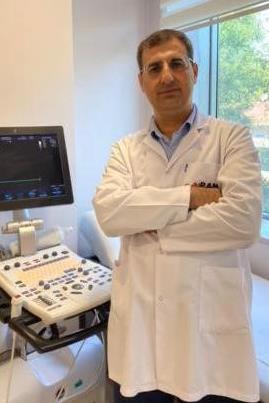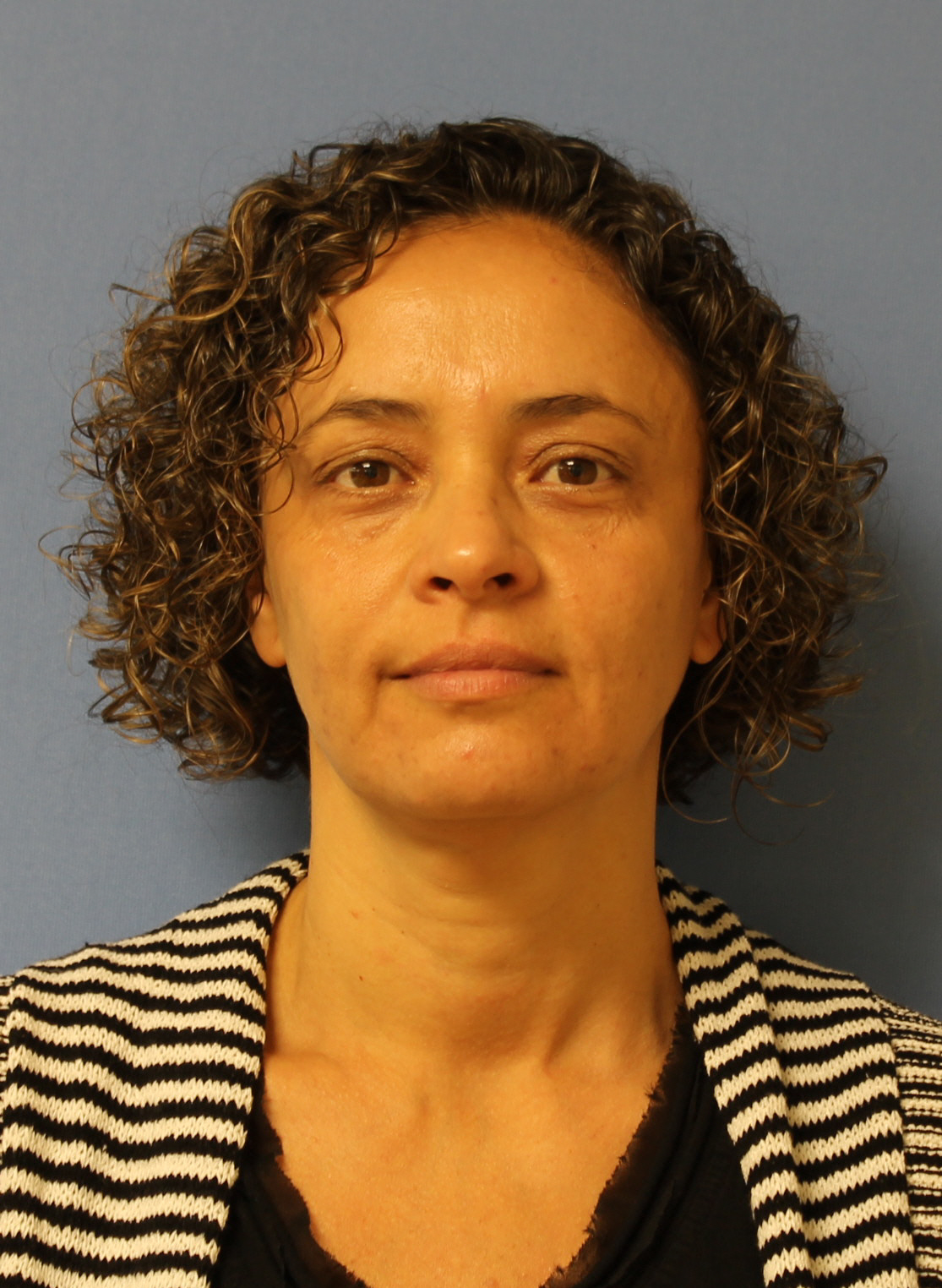
Jessica Filosa is a Professor in the Department of Physiology at the Medical College of Georgia, Augusta University. She holds a primary academic appointment in the Department of Physiology and a secondary appointment in The Graduate School. Dr. Filosa has been with Augusta University since 2008, progressing from Assistant Professor to Associate Professor and finally to her current position as Professor since 2019. Prior to this, she served as Assistant Professor and Research Assistant Professor in the Department of Psychiatry at the University of Cincinnati (2004-2008). Dr. Filosa earned her Ph.D. in Biomedical Sciences from Wright State University in 2002 and her M.S. in Biology from Emporia State University in 1997. Her educational background laid the foundation for her current research program focused on neurovascular communication. Dr. Filosa's research centers on understanding the signaling mechanisms governing bi-directional communication among various cell types within the brain, with particular emphasis on neuron-glial-vascular interactions. Her laboratory investigates three main areas: (1) characterizing the intrinsic properties of parenchymal arterioles in the brain, (2) examining neuron-glial-vascular communication in specialized brain regions including the somatosensory cortex, supraoptic nucleus, and hypothalamus, and (3) determining how disruptions in neuroglial-vascular crosstalk contribute to cerebrovascular disorders such as hypertension and stroke. Using advanced techniques including electrophysiological recordings, Ca 2+ imaging, and immunohistochemistry, her work bridges neuroscience with cardiovascular physiology to address pathologies involving both vascular and neuronal deterioration. Analysis of Dr. Filosa's recent publications reveals a strong focus on neurovascular coupling mechanisms, particularly how blood pressure variability affects cerebrovascular function and cognitive outcomes. Her research increasingly examines the role of specific molecular pathways (such as ADAM17) in Alzheimer's disease models and explores the connections between hypertension, cerebrovascular dysfunction, and cognitive impairment. The work demonstrates a progression from basic mechanisms of neurovascular communication toward translational applications for understanding and treating cerebrovascular disorders. Participant in an NIH Study (2023) Hamilton Scholar in Physiology, Department of Physiology, Augusta University (2017) Outstanding Young Research Scientist, Georgia Health Sciences University (2012) Multidisciplinary approaches for neurogenic hypertension research (2011) Functional Hyperemia in the Brain: APS Latin-American Initiative (2008) Dr. Filosa has mentored graduate students including Jennifer Iddings (2010-2015) and currently oversees a research team comprising Perenkita Mendiola (Postdoctoral Fellow) and Adriana Langer Gramer (Research Assistant). She serves on numerous grant review committees including the Intramural Grants Programs (2017-present) and Basic Science Advisory Council (2018-present). Her professional service includes NIH Study Section reviewing (2021), membership on the Scientific Advisory Committee for the International Symposium on Resistance Arteries (2020), and reviewing for the International Society for Cerebral Blood Flow & Metabolism. Dr. Filosa teaches multiple advanced physiology courses including Medical Neurophysiology, Medical Physiology II, and Neuroscience I, demonstrating her commitment to both research and education in the field of physiology.