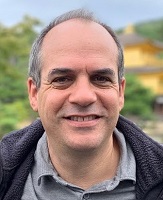
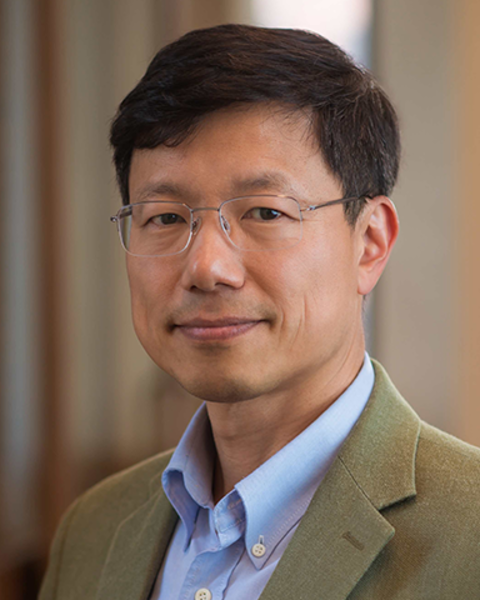
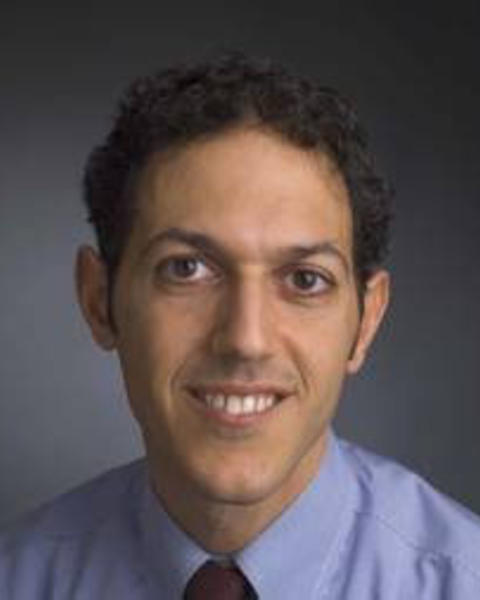
Guillaume Dumas is a Professor at the Faculté de médecine of Université de Montréal, specializing in computational psychiatry and social neuroscience. He leads the Laboratoire de Psychiatrie de Précision et de Physiologie Sociale at the CHU Sainte-Justine Research Center. His work bridges neuroscience, AI, and clinical practice, focusing on social cognition, brain synchronization, and neurodevelopmental disorders. Education includes a PhD in Cognitive Neuroscience from Sorbonne Université and an HDR in Clinical Neurosciences from Université de Paris. He has held roles at Institut Pasteur and Florida Atlantic University. Research interests span computational psychiatry, interbrain connectivity, and AI-driven diagnostic tools. Notable projects include the SCALE initiative studying autism across levels and InterBrain Synchronization mechanisms. His lab develops serious games for clinical assessment and biomarker discovery. Recipient of FRQS J1/J2 awards, IVADO affiliation, and grants from CIHR and FRQNT. Supervised 7 Master’s students recently, focusing on EEG, genomic variants, and AI models.
Prof. Sagiv Shifman is a Full Professor at the Department of Genetics , Alexander Silberman Institute of Life Sciences , The Hebrew University of Jerusalem . His research focuses on the genetics of neurodevelopmental and psychiatric disorders , particularly autism spectrum disorders and schizophrenia , utilizing genomic data analysis , mouse models , and CRISPR screening to uncover chromatin regulators , gene expression variation , and sex-specific genetic mechanisms . Academic Leadership : Served as department head (2017-2021), previously leading genetics teaching programs. Research Themes : Mapping genetic variants in brain disorders via computational/experimental methods. Studying gene networks and chromatin regulation in neurodevelopment. Investigating essential genes in stem cells and cancer via CRISPR libraries . Elucidating sex chromosome influences on gene essentiality and disease. Scientific Contributions : 2013 Krill Prize recipient for excellence in Life Sciences. Key discoveries in POGZ deficiency , AUTS2 isoforms , and ASD/Schizophrenia gene overlap . Collaborative Impact : Advancing neurogenetic databases and CRISPR-based disease modeling . Developing tools like ImReP and ROP for immunoglobulin repertoire analysis and RNA-seq read origin detection .
Nicholas Navin, Ph.D., is a Professor and Chair of the Department of Systems Biology at The University of Texas MD Anderson Cancer Center. He holds joint appointments in the Department of Bioinformatics and the UTHealth Graduate School of Biomedical Sciences. His research pioneered single-cell genomics, including inventing the first single-nucleus DNA sequencing method for mammalian cells. He directs the CPRIT Single Cell Genomics Center and co-directs the Advanced Technology Genomics Core, advancing technologies for cancer genomic analysis. Dr. Navin’s work focuses on cancer evolution, therapy resistance, and translating genomic insights into clinical applications. His lab collaborates with oncologists and pathologists to address challenges in invasion, metastasis, and treatment resistance. He has received prestigious awards, including the Damon-Runyon Innovator Award and the AAAS Wachtel Award. Primary Roles: Chair, Systems Biology; Director, CPRIT Single Cell Genomics Center; Co-Director, Advanced Technology Genomics Core. Awards: Wilson Stone Award, Randall Innovator Award, MD Anderson President’s Award for Research Excellence. Dr. Navin’s research interests span cancer genomics , single-cell technologies , and clonal evolution . His lab develops computational tools like Monopogen for variant calling and cancerSimCraft for genome simulations. Recent work includes spatial transcriptomics of breast tissue, immune landscape analysis of gliomas, and studying therapy resistance in prostate and pancreatic cancers. His educational contributions include mentoring graduate students and training fellows at the UTHealth Graduate School. Collaborative efforts with clinicians aim to bridge genomic discoveries with clinical outcomes, emphasizing precision medicine and early detection strategies.
Professor Kanako Ishizuka is a faculty member at Nagoya Institute of Technology's Health Center, where she serves as Director of the Health Center and Head of the Disability Student Support Division. With a Doctor of Medicine from Nagoya University (2017), she specializes in child and adolescent psychiatry, clinical genetics, and special needs education. Her educational background includes: April 2014 - March 2017: Nagoya University Graduate School of Medicine April 1998 - March 2004: Nagoya University, School of Medicine Professor Ishizuka's research focuses on genetic counseling, neurodevelopmental disorders, ADHD, gene-environment interactions, and special needs education. She applies informatics to life and health sciences, with particular expertise in medical technology assessment, genetics, psychiatry, and special needs education. Her work bridges clinical practice with research to improve understanding and treatment of developmental disorders. Her publication record demonstrates a strong focus on autism spectrum disorders, ADHD, depression assessment using AI technologies, and genetic factors in mental health. She has pioneered research in using machine learning algorithms for depression severity assessment and has conducted significant work on prescription patterns for psychiatric medications in Japanese populations. Her notable awards include: Nagoya Institute of Technology Staff Award (2023) 2017 International Conference Presentation Encouragement Award (2018) Nagoya University President's Award (2003) Professor Ishizuka has secured multiple research grants, including a Japan Society for the Promotion of Science Grant-in-Aid for Early-Career Scientists (2020-2025) for research on autism spectrum disorders originating from comorbid anxiety disorders. She also serves as Principal Investigator for several projects related to psychiatric disorders and genetic research. She actively contributes to various committees including the Aichi Prefectural Mental Health Review Board, the National University Health Management Association, and the Nagoya City Education Board's Bullying Countermeasures Discussion Committee. Her work extends to community service as a special needs education supervisor and advisor to various child development centers.
Hui Zhang is a Professor in the Department of Chemistry and Biochemistry at the University of Nevada, Las Vegas (UNLV), affiliated with the Solar Energy Initiative and the Chemical Biology & Proteomics program group. His SEB Lab (702-895-0197) focuses on molecular mechanisms linking protein modifications to disease. Research spans cancer biology, epigenetics, and proteomics, emphasizing ubiquitin-proteasome regulation, histone modifications, and DNA replication control. Key interests include EZH2/SOX2 stability networks, MET receptor signaling, and stem cell factor regulation through methylation-phosphorylation switches. Work integrates chemical biology to dissect pathways in embryonic carcinomas and teratocarcinomas. Recent publications (2016-2024) reveal consistent themes: ubiquitin ligases (CRL4, SCF) regulate stem cell proteins via methylation-dependent proteolysis, while LSD1 inhibitors selectively target pluripotent cancer cells. Studies connect histone modifiers (MLL complex) to DNA replication licensing and chromosomal instability, with therapeutic implications for cancer. Dr. Zhang's laboratory within UNLV's Solar Energy Initiative employs proteomic and biochemical approaches to investigate post-translational modification crosstalk in disease mechanisms, particularly cancer progression and stem cell dysregulation.
James A. Bartley, MD is an Associate Professor in the Pediatric Genetics Division of the School of Medicine at Loma Linda University. With a career spanning several decades, Dr. Bartley has established himself as a prominent researcher in the field of medical genetics with particular expertise in urea cycle disorders, metabolic diseases, and chromosomal abnormalities. Dr. Bartley's research interests encompass a wide range of topics within pediatric genetics, including neurodevelopmental disorders, genomic rearrangements, and metabolic pathways. His work has significantly contributed to understanding the clinical manifestations and management of urea cycle disorders and other inborn errors of metabolism. Analysis of his publication history reveals a strong focus on biomarker development for monitoring treatment efficacy in metabolic disorders, particularly regarding ammonia control and hyperammonemic crises. His research has examined urinary phenylacetylglutamine as a dosing biomarker and investigated the relationship between blood ammonia and glutamine levels as predictors of metabolic crises. More recently, his work has expanded to include studies of de novo gene variants associated with neurodevelopmental conditions. Dr. Bartley has collaborated extensively with researchers across multiple institutions on clinical trials involving glycerol phenylbutyrate for urea cycle disorders and has contributed to understanding the clinical outcomes and management strategies for patients with these rare metabolic conditions. His research program demonstrates a consistent trajectory from fundamental genetic and cytogenetic studies to applied clinical research aimed at improving outcomes for patients with genetic metabolic disorders.
Peter J. Park is the BIG Program Director and Professor of Biomedical Informatics at Harvard Medical School. He leads a computational biology group affiliated with the Harvard Ludwig Center, Brain Somatic Mosaicism Network, 4D Nucleome Network, and Brigham and Women’s Hospital. His research focuses on: Genome and epigenome analysis of somatic mutations Non-coding mutation roles in disease Mosaic mutations in neurodegeneration and cancer Single-cell sequencing for low-frequency variant detection His lab develops computational tools like MuSiCal (mutational signatures), Chromoscope (SV visualization), and MosaicForecast (machine learning variant calling), with applications across cancer biology and neuroscience consortia.
Assoc. Prof. ÖZLEM AKGÜN DOĞAN is an Associate Professor at Acibadem Mehmet Ali Aydinlar University, School of Medicine, Department of Medical Sciences, specializing in Pediatric Health and Diseases. She serves as Ethics Committee Member, Postgraduate Education Responsible, Deputy Postgraduate Education Coordinator, and Member of the Faculty Board at the same institution. Additionally, she is the ACURARE Vice President at Acibadem Mehmet Ali Aydinlar University School of Medicine. Dr. Akgün Doğan completed a Post Doc at Yale University (2021-2022) through the Fulbright Program. She is an active member of the European Board of Clinical Genetics and serves as the Undiagnosed Disease Network International Country Representative for Turkey. Her academic career includes teaching at undergraduate, postgraduate, and doctorate levels in courses related to Translational Medicine, Developmental Genetics, Mendelian Inheritance, and Pediatric Genetics. Her research focuses on Medical Genetics, Pediatric Genetics, Rare Diseases, Undiagnosed Diseases, and Genomic Medicine. Analysis of her recent publications reveals a strong emphasis on whole-genome sequencing applications, deep phenotyping for rare disease diagnosis, skeletal dysplasias, and molecular characterization of genetic disorders in pediatric populations. Her work demonstrates significant contributions to understanding BCL11B-related diseases, achondroplasia treatments, craniosynostosis registries, and diagnostic approaches for critically ill infants. 107 publications indexed in Web of Science 57 publications indexed in Scopus 91 H-Index in Web of Science 84 H-Index in Scopus 9 thesis advisory roles Dr. Akgün Doğan has secured multiple research grants including projects on ARID1B-related disorders, undiagnosed skeletal dysplasias, craniosynostosis registry development, and rapid genome sequencing for critically ill infants. She currently supervises postgraduate student J.Ceren on craniosynostosis registry research and serves as an Assistant Editor for the European Journal of Medical Genetics. Her leadership extends to organizing workshops on rare diseases and genomic medicine, and she is frequently invited to speak at national and international conferences on genetic diagnostics and rare disease research.
Malte Spielmann is a Researcher at the Max Planck Institute for Molecular Genetics in the Human Molecular Genomics department. His work focuses on structural variants, 3D genome organization, and their role in developmental disorders and rare diseases. Key contributions in Nature , Nature Communications , and Genes & Chromosomes journals Developed frameworks for integrating Hi-C with genome sequencing to resolve complex rearrangements Research Themes : Decoding how structural variants alter gene regulation via chromatin architecture Elucidating phase separation and nucleolar dysfunction in genetic syndromes Pioneering single-cell phenotyping for developmental disease mechanisms Article Trends (2021-2025) highlight interdisciplinary approaches combining: Hi-C and long-read sequencing for TAD analysis Single-cell RNA-seq in limb malformations and neurodegeneration Epigenetic repression and enhancer hijacking in congenital defects
Rameen Beroukhim is an Associate Professor of Medicine at Harvard University , affiliated with the Dana-Farber Cancer Institute in Boston. His research spans Cancer Genetics , Genomics , and Computational Biology , with a focus on brain cancers and therapeutic resistance mechanisms. Developed the GISTIC algorithm for identifying cancer-driving chromosomal alterations Co-leader in Cancer Genome Atlas Research Network projects Investigates intratumoral heterogeneity in diffuse intrinsic pontine glioma His work combines computational methods with experimental approaches to characterize: Copy-number gains/losses in tumor development Loss of Heterozygosity patterns Therapeutic Vulnerabilities in non-driver gene contexts Recent publications cover pan-cancer immune landscapes , germline variant analysis , and molecular subtyping of lymphomas, reflecting his expertise in: Genomic Characterization Oncogenic Pathway Analysis Computational Cancer Biology He received a St. Baldrick’s Foundation Grant (2017) for DIPG resistance research and collaborates with teams on Precision Medicine applications.
Molly Megraw is an Associate Professor at Oregon State University's College of Agricultural Sciences , affiliated with the Department of Botany and Plant Pathology , Molecular and Cellular Biology Program , and Center for Genome Research and Biocomputing . She also collaborates with the Department of Electrical Engineering and Computer Science. Education : Ph.D. in Bioinformatics (2007) from the University of Pennsylvania Her research integrates computational biology , machine learning , and plant genomics to study: Transcriptional regulation of Pol-II genes and miRNAs in plants Network motif analysis in TF-miRNA circuits Chromatin accessibility and promoter identification via nanoCAGE Synthetic biology applications in plant systems Recent publications focus on: Salinity stress responses in rice miRNA editing in human cancer Network motif discovery algorithms PlantSimLab modeling platform Scientific accomplishments include: NSF CAREER Award (2018) for machine learning models of gene regulation MiRGen database development for miRNA genomic organization She supervises graduate students in Biological and Physical Sciences (BPP) and teaches computational courses like BDS 470/570 Introduction to Computing in the Life Sciences . Her lab maintains active collaborations across plant biology and computational disciplines.
Nicole Borth is Associate Professor (associate Univ.Prof.) at the University of Natural Resources and Life Sciences, Vienna (BOKU) and Deputy Head of the Institute of Animal Cell Technology and Systems Biology . Her work sits at the intersection of cell engineering, systems biology and biopharmaceutical manufacturing, with CHO and HEK293 cells as primary platforms. Research in a nutshell: Genome-wide CRISPR/Cas deletion and activation screens to map essential loci and boost recombinant protein titres. Epigenetic and synthetic-biology toolboxes (dCas9-DNMT, synthetic promoters, RNA devices) for multiplexed gene-control. Glyco-engineering and biomarker discovery to optimise critical quality attributes of monoclonal antibodies. Low-cost, animal-component-free media design and microfluidic single-cell cloning to shorten development timelines. Between 2022-2025 her group released a rapid succession of papers exploiting nanopore Cas9-targeted sequencing to pinpoint transgene integration sites, unveiled novel stress-biomarkers for difficult-to-express mAbs, and provided public-domain glyco-analytics for the NIST CHO reference line. Parallel projects apply similar tool-chains to AAV production in HEK293 and characterise human diamine oxidase biopharmaceuticals. Awards & funding: Specific prizes not enumerated in supplied text; however, the volume and recency of high-impact publications indicate sustained competitive funding. Contact: nicole.borth@boku.ac.at | Tel +43 1 47654-79064 | Muthgasse 11, 1190 Vienna, Austria.
Cynthia Bulik is a Professor of Epidemiology at the Department of Medical Epidemiology and Biostatistics at Karolinska Institutet in Stockholm, Sweden, and a Distinguished Professor of Eating Disorders at the Department of Psychiatry, University of North Carolina at Chapel Hill, USA. She also holds an appointment in the Department of Nutrition at UNC's Gillings School of Global Public Health and serves as Adjunct Professor at the Institute of Public Health in Oslo, Norway. Dr. Bulik splits her time between institutions, working full-time at Karolinska and half-time at UNC, where she founded and directs the Center of Excellence for Eating Disorders. Dr. Bulik's research focuses on understanding the biological and genetic underpinnings of eating disorders, particularly anorexia nervosa. Her work spans from animal models to clinical trials, with significant contributions in genetic epidemiology through family, twin, and molecular genetic designs. She leads major international initiatives including the Anorexia Nervosa Genetics Initiative (ANGI), which aims to collect data from 13,000 individuals with anorexia nervosa across multiple countries, and the Comprehensive Risk Evaluation for Anorexia nervosa in Twins (CREAT) study. Her research has demonstrated that 50-60% of the risk for developing anorexia nervosa is attributable to genetic factors, comparable to other psychiatric disorders like schizophrenia. Analysis of Dr. Bulik's recent publications reveals a strong emphasis on genetic architecture of eating disorders, particularly anorexia nervosa and ARFID (Avoidant/Restrictive Food Intake Disorder). Her work increasingly explores the connections between eating disorders and other psychiatric conditions like OCD, ADHD, and autism spectrum disorder. Recent studies also examine the impact of the COVID-19 pandemic on individuals with eating disorders and employ novel methodologies like nanopore sequencing and digital phenotyping to advance understanding of these complex conditions. Dr. Bulik has trained numerous researchers and leads substantial research teams at both Karolinska Institutet and UNC. Her Karolinska team includes postdocs Anna Hedman, Ida Nilsson, Shuyang Yao, and Afrouz Abbaspour, while her UNC team comprises Laura Thornton, Jessica Baker, Melissa Munn-Chernoff, and Hunna Watson. She has secured significant grant funding for large-scale projects like ANGI and CEDI (Centre for Eating Disorders Innovation), which aim to identify genetic variations contributing to eating disorders and develop improved prevention and treatment strategies. Dr. Bulik is deeply committed to translating research findings into clinical practice and reducing the stigma surrounding eating disorders. She advocates for understanding these conditions as biologically-based rather than choices, famously stating that 'it should be as easy to say you have anorexia nervosa as it is to say you suffer from asthma.' Her work demonstrates how genetic research can lead to better biological understanding and ultimately improved treatments for these serious conditions, which have the highest mortality rate of any psychiatric disorder.
Dr Karen Mather is a researcher at the University of New South Wales (UNSW), affiliated with the School of Psychiatry and Neuroscience Research Australia (NeuRA). Her work focuses on the genetic and environmental determinants of ageing, longevity, and age-related diseases such as dementia and Alzheimer's disease, utilizing approaches including epigenetics, transcriptomics, and genome-wide association studies. Her research integrates multi-omics methodologies to explore gene-environment interactions, epistasis, and biomarker discovery in large population cohorts of older Australians and international biobanks. She is actively involved in supervision at multiple levels (ILP, Honours, Masters, PhD) with projects spanning topics like genomics/epigenomics of longevity, brain ageing, circular RNAs, diet-DNA methylation relationships, and depression-diet interactions. Key Collaborations: Partnerships with national and international investigators and consortia Research Tools: Population cohorts, biobanks, advanced genomic sequencing, and epigenetic analysis Professional Memberships: American Society of Human Genetics, International Society to Advance Alzheimer Research and Treatment (ISTAART), Australian Association of Gerontology Dr Mather's recent publications highlight her engagement with global dementia research through the COSMIC collaboration, dietary influences on neurological outcomes, and molecular mechanisms of cerebral small vessel disease. Her work bridges fundamental genetic research with translational applications for healthy ageing.
Prof. Ivailo Tournev, DSc, MD, is a distinguished Professor at Medical University - Sofia and New Bulgarian University (NBU), where he served as Head of the Department of Cognitive Science and Psychology (2013-2016) and currently serves on NBU's Governing Board. His career spans over three decades in neurology, neuromuscular disorders, and medical genetics, with current leadership roles including Head of the Clinic of Nervous Diseases at Alexandrovskа University Hospital and Director of the Expert Center for Genetic Nervous and Metabolic Diseases. Medical University - Sofia: Professor of Neurology (2006-present), Head of Nervous Diseases Clinic (2010-present) New Bulgarian University: Professor of Cognitive Science and Psychology (2008-present), Former Department Head (2013-2016) Professional Affiliations: World Society of Neuromuscular Disorders, European Consortium for Neural Muscle Atrophy, Bulgarian Neurological Society Prof. Tournev's research focuses on the intersection of neurology, genetics, and ethnic health disparities, particularly among Roma populations. His work has established Bulgaria as a global hub for studying founder-effect neuromuscular disorders in Romani communities. Key research areas include hereditary neuropathies, muscular dystrophies, epilepsy genetics, Wilson's disease, and rare genetic disorders. His laboratory pioneered the identification of multiple novel disease entities including CCFDN syndrome and Lom neuropathy, with over 65 research projects funded by international organizations including the European Commission, Muscular Dystrophy Association, and Wellcome Trust. His publication record includes over 80 peer-reviewed articles in high-impact journals such as Nature Genetics , Brain , and Annals of Neurology , with recent work emphasizing next-generation sequencing approaches, genotype-phenotype correlations in neuromuscular disorders, and translational applications for rare diseases. Prof. Tournev has secured over €15 million in research funding throughout his career, with current projects focusing on transthyretin amyloidosis, ALS genetics, and retinal degeneration diagnostics. Merril Spencer Award (European Society of Neurosonology) National Medical Award for Lifetime Achievement (2018) "Pitagor" Award from Ministry of Education for Exceptional Contributions to Medicine Golden Coin "Pismenost" from European Scientific and Cultural Community Council Honorary Citizen of Lom (2015) Prof. Tournev has mentored 18 PhD students to completion, with current advisees focusing on spinocerebellar ataxias, spastic paraplegias, and epilepsy genetics. His research team operates within the National University Biomedical Services Complex, collaborating with international consortia including TREAT-NMD and CARE-NMD. Current initiatives include establishing Bulgaria's first comprehensive neuromuscular registry and developing precision medicine approaches for hereditary neurological disorders through the MYO-SEQ project.