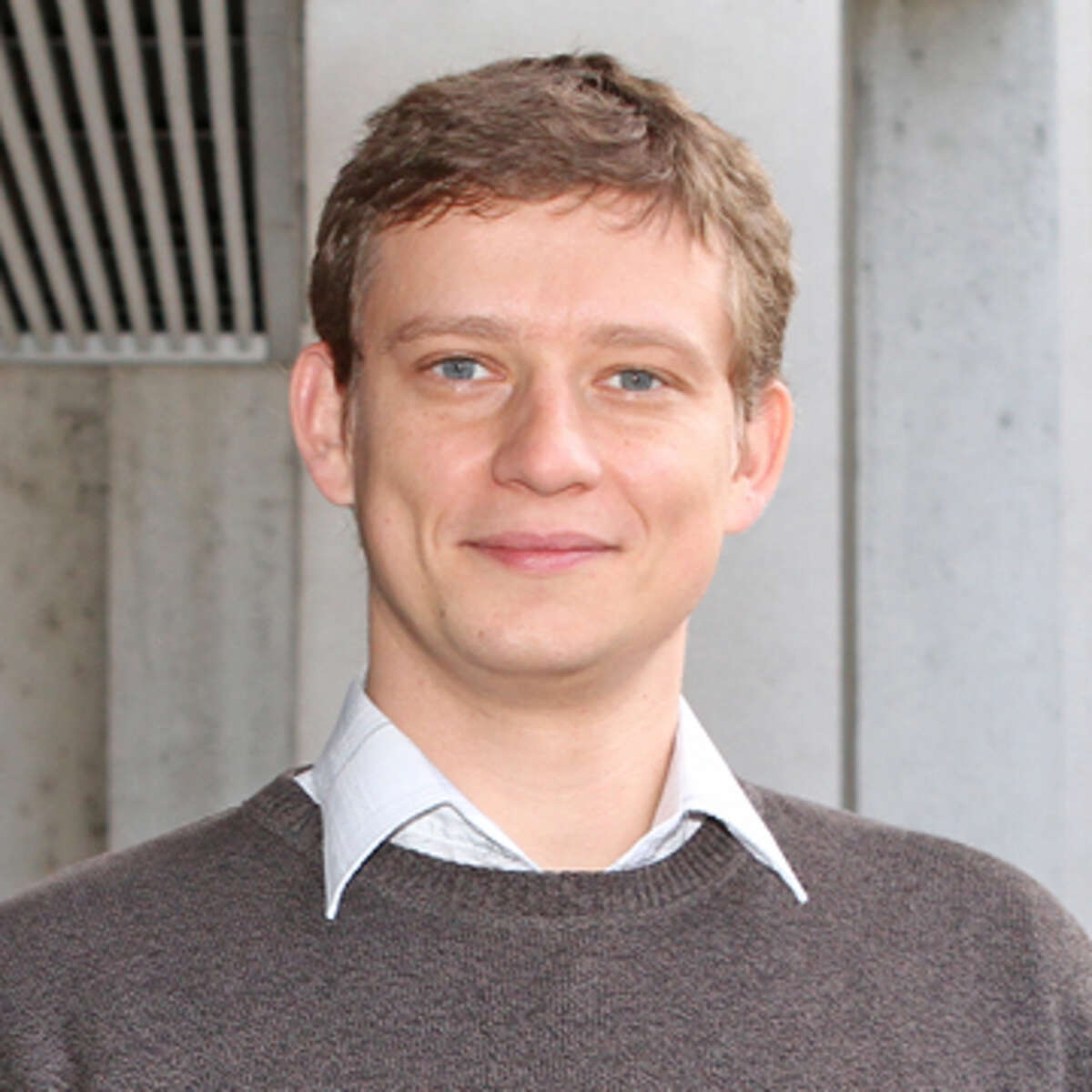
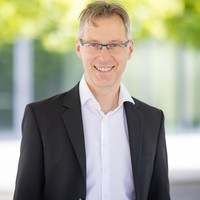
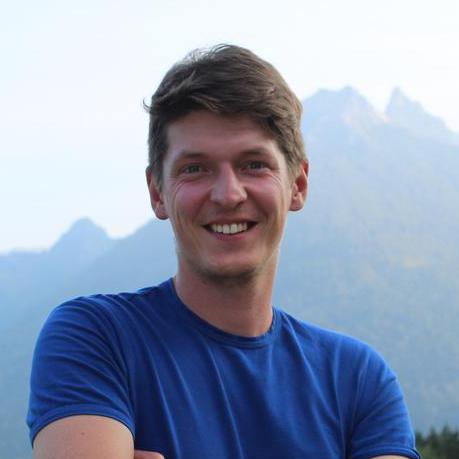
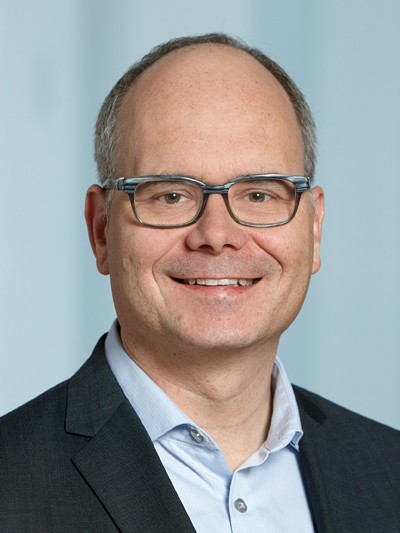
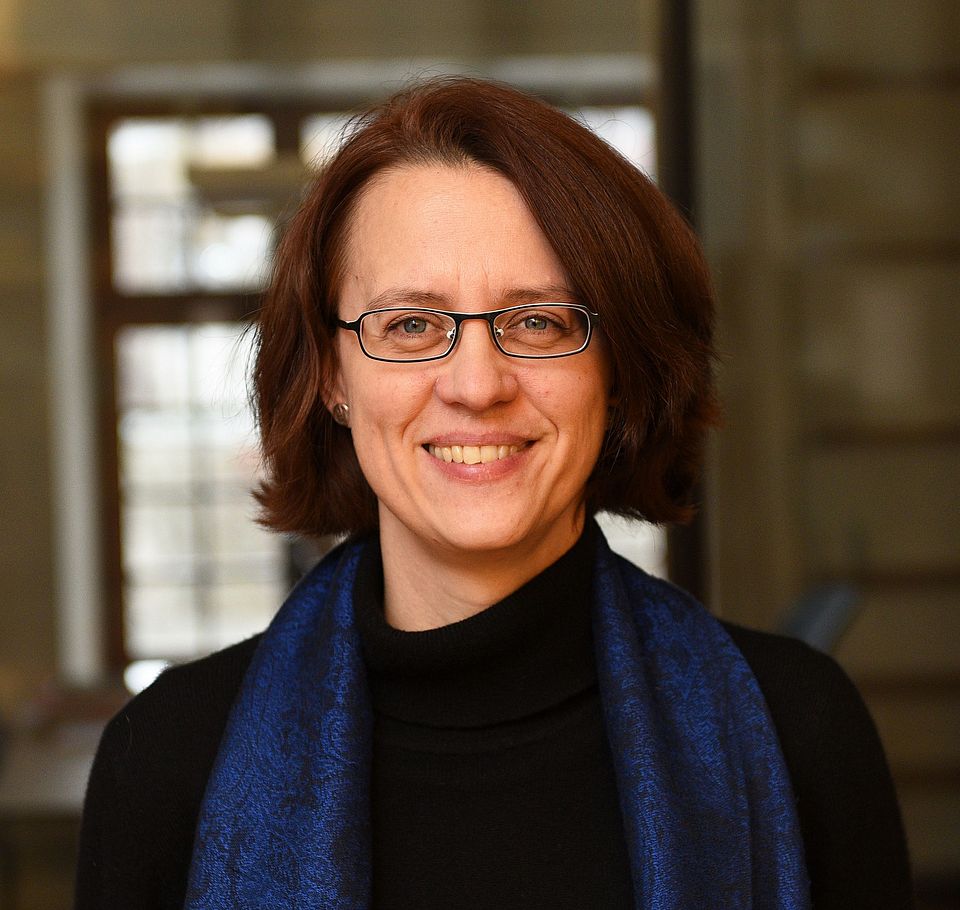
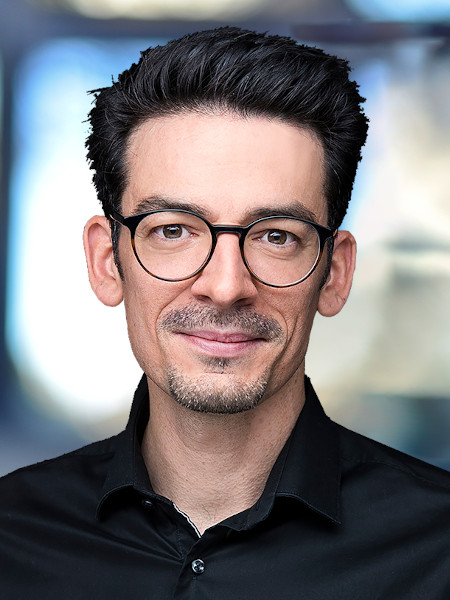
Prof. Dr. Alex Hall is an Associate Professor at the Department of Environmental Systems Science and Head of the Institute of Integrative Biology at ETH Zürich , Switzerland. He holds a PhD from the University of Edinburgh (2008), followed by postdoctoral work at the University of Oxford and ETH Zürich, including prestigious SNSF Ambizione and Marie Curie Intra-European fellowships. Research Focus: The Hall lab investigates Microbial interactions in human microbiomes Antibiotic resistance evolution Horizontal gene transfer dynamics Computational and in vitro modeling of microbial communities Evolutionary medicine applications Scientific Contributions: His recent studies analyze probiotic treatments for Staphylococcus aureus decolonization, strain-specific ecological success in gut microbiomes, and CRISPR-Cas system roles in plasmid conflicts. The lab employs computational frameworks combined with experimental validations. Scientific Awards: SNSF Ambizione fellowship Marie Curie Intra-European fellowship He also serves on the SNSF PRIMA fellowship evaluation panel and the ETH Zürich Coordination Council Medicine .
Santiago F. González is a Group Leader at the Institute for Research in Biomedicine (IRB) in Bellinzona, Switzerland, and an extraordinary professor at the University of Italian Switzerland (USI). He earned dual PhDs in microbiology (University of Santiago de Compostela, Spain) and immunology (University of Copenhagen, Denmark), followed by postdoctoral work (2007–2011) at Harvard Medical School's Immune Disease Institute under Michael Carroll. PhD in Microbiology, University of Santiago de Compostela PhD in Immunology, University of Copenhagen His research focuses on immune system dynamics during respiratory viral infections, vaccination, and cancer metastasis. Key areas include influenza recognition , lymph node inflammation , and immune cell behavior in vivo. He pioneered studies on C-type lectin receptors (e.g., SIGN-R1) in viral immunity and epigenetic modulators for inflammation. Recent publications highlight his work in epigenetic drug development , nanovaccines , and computational tools for immune cell tracking. His group uses two-photon intravital microscopy and spatial-temporal modeling to dissect immune responses. Scientific awards include three EU Marie Curie Fellowships (2004–2013), enabling his transition to independent research. His collaborations span Harvard, USI, and European institutions, with grants from the EU and Swiss research bodies. His lab at IRB, established via the 2013 Marie Curie Career Integration Grant , develops novel imaging approaches and therapeutic strategies for infectious and immune-mediated diseases.
Ueli Grossniklaus is an Ordinary Professor at the University of Zurich within the Faculty of Mathematical and Natural Sciences , affiliated with the Department of Plant and Microbiology . His work focuses on plant developmental biology, particularly epigenetic and genetic mechanisms governing reproduction and adaptation. Key Courses: Epigenetics, Plant Biology Workshop, Group Seminars on Current Research Laboratory Techniques: Advanced methods in plant cell mechanics, transcriptomics, and genome editing Research Interests span plant epigenetics, reproductive biology, and the interplay between environmental stress and genetic regulation. He investigates: Mechanistic control of gametogenesis and fertilization Epigenetic contributions to plant adaptation Evolutionary implications of asexual reproduction Biophysical forces in plant cell growth Publication Trends (2025–2018) reveal expertise in: Arabidopsis and fern model systems Epigenetic regulation (DNA methylation, histone dynamics) Apomixis and hybrid seed failure mechanisms Biomechanics of pollen tubes and carnivorous plants Genome editing tools (CRISPR) and long-read sequencing Scientific Collaborations include interdisciplinary projects on: Microfluidic devices for plant cell analysis Gene drive ecology and ethics 3D imaging of plant reproductive structures Advising and Grants focus on mentoring through research internships in developmental biology, genetics, and systems biology. His lab engages in: Epigenetic response to environmental stress Cell wall mechanics in reproduction Computational modeling of plant growth Laboratory Teams integrate plant biologists, bioengineers, and computational scientists to study: Mechanistic gene regulation Evolutionary developmental biology Microrobotics for cellular force measurement
Martin Huber is Professor of Applied Econometrics and Policy Evaluation at the University of Fribourg, Switzerland, within the Faculty of Management, Economics and Social Sciences, Department of Economics. He leads the Chair of Applied Econometrics and maintains an active research profile with numerous publications in top economics and statistics journals. His work bridges theoretical econometrics with practical policy applications across multiple domains including labor, health, and education economics. Professor Huber earned his Ph.D. in Economics and Finance in 2010 and served as Assistant Professor at the University of St. Gallen until 2014. He has conducted research stays at Harvard University (2011/2012) and the University of Sydney (2014 and 2019), establishing an international research network. His academic affiliations include the Committee for Econometrics of the Verein für Socialpolitik, Global Labor Organization, Soda Labs (Monash Business School), and Centre for European Economic Research (ZEW) Mannheim. Huber's research focuses on data-based causal analysis , machine learning applications in economics , and policy evaluation methods . He specializes in developing and applying statistical and econometric methods for measuring causal effects, with particular emphasis on semi- and nonparametric microeconometrics. His work spans labor economics (gender occupational segregation, maternal labor supply), health economics, education policy, and competition policy (bid-rigging cartels detection). His recent publications (2023-2025) demonstrate a clear trajectory toward integrating machine learning techniques with traditional econometric methods for causal inference. This includes developing frameworks for causal discovery, improving difference-in-differences methods with machine learning, and creating novel approaches for detecting collusion in markets. His 2023 book "Causal Analysis: Impact Evaluation and Causal Machine Learning with Applications in R" (MIT Press) has become a key reference in the field. As an active researcher, Professor Huber directs several research projects including experimental evaluations of gender occupational segregation in the Swiss apprenticeship market. His work combines theoretical rigor with practical policy relevance, often employing experimental and quasi-experimental methods to address questions of causal mechanisms in social and economic phenomena. Through his Chair of Applied Econometrics, Huber supervises Ph.D. students and maintains an active research group focused on advancing causal inference methodologies. His work has significant implications for evidence-based policymaking across multiple sectors, particularly in evaluating the effectiveness of social programs and economic policies.
Sylvie Delacroix is the Inaugural Jeff Price Chair in Digital Law and Director of the Centre for Data Futures at King's College London. She is also a Visiting Professor at Tohoku University, focusing on bridging theory and practice in ethics and public policy initiatives. Her research spans Data & machine ethics Ethical agency and habit Social sustainability of data ecosystems Participatory infrastructure for AI systems Uncertainty communication in LLMs Legal theory and digital law Recent publications address LLM interfaces as transitional spaces for democratic revival and sustainable data rivers in generative AI. Her work has attracted significant grant funding from the Patrick J. McGovern Foundation, Wellcome Trust, and Omidyar Network. Scientific awards include the Leverhulme Prize Peter Birks 2d Prize for Outstanding Legal Scholarship Montgomery Fellowship at Dartmouth College She supervises PhD research on large language models and uncertainty communication, as well as habit in ethical lives. Her policy contributions include advising the Law Society of England and Wales on algorithmic justice systems.
Prof. Dr. Marek Basler is an Associate Professor of Infection Biology at the Biozentrum, University of Basel , leading a research group focused on the Type VI Secretion System (T6SS) in bacterial pathogens. His work bridges structural biology, molecular microbiology, and computational analysis to unravel the mechanisms of this contractile nanomachine. PhD in Microbiology (2007, Institute of Microbiology, CAS, Prague) Postdoctoral Fellow (2007–2013, Harvard Medical School) Assistant Professor (2013–2018) and Associate Professor (since 2018) at Biozentrum His research explores the structure, assembly, and therapeutic potential of the T6SS, a critical virulence factor in pathogens like Pseudomonas aeruginosa . Key themes include bacterial defense strategies , intermicrobial competition , and host-pathogen interactions . Recent projects highlight T6SS roles in antibiotic resistance and horizontal gene transfer . The most recent publications (2025–2024) reveal novel insights into T6SS activation by environmental stress , toxin diversity , and host cell targeting . Trends span microbial ecology , nanomachine dynamics , and computational modeling of bacterial interactions. Scientific Awards : EMBO Membership (2023) ERC Consolidator Grant (2019) EMBO Gold Medal (2018) Friedrich Miescher Award (2018) EMBO Young Investigator (2015) His lab (Basler Lab) utilizes state-of-the-art microscopy , biochemical techniques , and live-cell simulations (e.g., BacFighT6 ). Collaborations span institutions like Harvard Medical School and NCCR-AntiResist , with future work targeting antibacterial therapies .
Oliver Krüger is a Full Professor of Religious Studies in the Department of Social Sciences at the University of Fribourg, Switzerland. Appointed in 2007, he has served as president of the Swiss Association for the Study of Religion (2011-2014) and is a Fellow of the International Centre for Advanced Studies Morphomata at the University of Cologne. His academic journey spans from studying Sociology, Archaeology and Religious Studies in Bonn to research positions at Princeton University and Heidelberg University, establishing him as a leading scholar at the intersection of religion, media, and digital culture. Dr. Krüger studied Sociology, Archaeology and Religious Studies at the University of Bonn (1994-1999), working with scholars including Werner Gephart, Karl Hoheisel, and Wolfgang Gantke. He received his doctorate in 2003 from the University of Bonn with a dissertation on "Virtuality and Immortality: The Visions of Posthumanism," which was awarded by the German Association for the History of Religion. His academic development included research at Heidelberg University's Collaborative Research Center Ritual Dynamics (2002-2005) on Wicca movement communication online and at Princeton University's Center for the Study of Religion (2005-2007) exploring alternative funeral culture in the United States. Professor Krüger's research focuses on the intersection of religion, media, and digital culture, with particular emphasis on posthumanism and transhumanism. His work critically examines how religious concepts and practices transform in digital environments, analyzing phenomena like online rituals, virtual communities, and the religious dimensions of emerging technologies. He has developed significant theoretical frameworks for understanding "virtuality" as "the availability of the unavailability" and has consistently challenged normative preconceptions in the study of religion and media. His scholarship demonstrates how religious studies frameworks can illuminate technological discourses that often present themselves as purely secular. His publications reveal a consistent trajectory from early work on internet-based religious communities to current explorations of AI, posthumanism, and digital religion. Recent works increasingly analyze the relational aspects between secular and religious interpretations of technological progress, showing how posthumanist visions often replicate traditional religious patterns while claiming scientific objectivity. Krüger's approach emphasizes dynamic, relational perspectives over static definitions of religion, contributing significantly to paradigm shifts in the field. Professor Krüger has received notable recognition for his scholarly contributions, including: Dissertation Prize from the German Association for the History of Religions (2003/2004) Fellowship at the International Centre for Advanced Studies Morphomata, University of Cologne (2012/13) At the University of Fribourg, Krüger supervises graduate students researching digital religion, posthumanism, and media theory. He has edited several special journal issues that have shaped scholarly discourse, including "Theory and Methodology" (2005), "Religion and Ecology" (2022), and "The Dynamics of Religion, Media and Community" (2022). His habilitation thesis "Media-based religion. Problems and perspectives of media research in religious studies and the sociology of knowledge" (2012) comprehensively examines the history and research field of religion and media. Professor Krüger has been instrumental in developing academic networks around digital religion and posthumanism. He co-founded and edits the journal AЯGOS (Argonauts), which focuses on innovative approaches in religious studies. At Fribourg, he leads research initiatives examining the intersection of religion, media, and technology, fostering collaborations between scholars in religious studies, sociology, philosophy, and digital humanities. He has also worked extensively on the history of religious studies, particularly on Edmund Hardy (1852-1904), contributing to a more nuanced understanding of the discipline's development.
Jakub Macina is a Doctoral Fellow at the ETH AI Center and a PhD Candidate at ETH Zürich . He works in the intersection of Natural Language Processing and Learning Sciences as part of the Language, Reasoning and Education Lab (led by Prof. Mrinmaya Sachan) and the Professorship for Learning Sciences and Higher Education (led by Prof. Manu Kapur). Forbes 30 Under 30 in Science & Education 2023 Recipient of ETH AI Center Fellowship ( Co-founder of a health-tech startup with seed investment Research Interests : Focus on generative large language models (LLMs), dialogue tutoring systems , pedagogical alignment of AI models, and mathematical reasoning . His work explores: Reinforcement learning for pedagogical steering LLM evaluation frameworks Socratic question generation Stepwise error detection and remediation Student-teacher interaction modeling Publications span top conferences like EMNLP , ACL , NeurIPS , and RecSys , with particular emphasis on educational applications of LLMs and dialogue-based learning systems . Scientific Awards : Forbes 30 Under 30 in Science and Education (2023) 2nd Place in ACM IT SPY Computer Science Master's Thesis Competition (2017) ETH AI Center Fellowship (2021) Leadership & Teaching includes: Managing team of 6 data scientists Teaching Assistant for Machine Learning and NLP courses at ETH Zurich Developing large-scale ML pipelines for recommender systems Open-source contributions to Discourse and Google Summer of Code projects
Jürgen Sauer is a Full Professor at the University of Fribourg , affiliated with the Department of Psychology under the Faculty of Letters and Human Sciences . With over 120 publications, his research focuses on Human-Machine Interaction , Usability Testing , User Experience (UX) , and Automation Design , particularly in high-stakes environments like X-ray baggage screening and spaceflight simulations . Email: juergen.sauer@unifr.ch Phone: +41 26 300 7622 Address: RM 01 bu. C-1.117, Rue PA de Faucigny 2, 1700 Fribourg Orcid: 0000-0003-2105-1694 His research projects, funded by the Swiss National Science Foundation (FNS), include: Improving work design for airport security officers (2019-2024): Developed pictorial scales for measuring psychological constructs in security environments. Social stress and support in hybrid teams (2018-2023): Investigated machine-induced social stressors and mitigation through social support. Automation in visual inspection tasks (2014-2018): Examined adaptable automation for baggage screening and system reliability effects. Usability testing effectiveness (2012-2016): Analyzed cultural background impacts and non-usability product features influencing test outcomes. Key contributions include the Luggage Inspection Simulation (LIS) environment for modeling work environments and the development of pictorial usability scales for multilingual applicability. His work bridges ergonomics , human factors , and applied psychology , with notable collaborations with researchers like Adrian Schwaninger and Andreas Sonderegger . His recent publications (2025-2014) analyze: Human-machine performance under false alarms and miscues Social stressor dynamics in hybrid teams Usability scale animation effects Phubbing behavior in professional contexts Accessible website design for non-disabled users
Pasquale Scarlino is a Tenure Track Assistant Professor in the Institute of Physics at École Polytechnique Fédérale de Lausanne (EPFL), where he founded and leads the Hybrid Quantum Circuits (HQC) Laboratory. He holds a dual appointment with the School of Basic Sciences (SB) and the Physics Section (SB-SPH), conducting research at the intersection of semiconductor and superconducting quantum technologies. His laboratory develops hybrid quantum hardware for advanced quantum information processing. His educational background includes a Master's degree in Physics from the University of Salento (Italy, 2011), where he was a student of Scuola Superiore ISUFI, followed by a Ph.D. from TU Delft (2016) in the Spin Qubits group of Prof. L.M.K. Vandersypen at the Kavli Institute of Nanoscience-Qutech. His doctoral work focused on Si/SiGe spin qubits in collaboration with the M. Eriksson Group at Wisconsin University. Scarlino's research centers on experimental quantum physics using hybrid superconductor/semiconductor devices with electrostatically defined quantum dots coupled to high-impedance microwave resonators. He investigates light-matter interactions in unconventional regimes, quantum transport in low-dimensional systems, and spin/charge qubit implementations. His work aims to merge semiconductor and superconducting platforms to expand quantum information capabilities, with applications in quantum computing, quantum optics, and analog quantum simulation. Early career achievements include establishing the first coherent interface between superconducting and semiconducting quantum systems using high-impedance resonators. His publication record shows strong focus on microwave photon-mediated interactions between quantum systems, with recent work exploring quantum acoustics, topological band engineering, and criticality-enhanced sensing. The articles demonstrate increasing specialization in hybrid quantum hardware, with a shift toward germanium-based systems and advanced resonator designs in the latest publications. Scarlino has advised eleven Ph.D. students at EPFL and teaches courses including General Physics (Electromagnetism), Solid State Systems for Quantum Information, and Introduction to Quantum Science and Technology. His teaching emphasizes experimental quantum hardware approaches and critical assessment of quantum computing platforms. The Hybrid Quantum Circuits Laboratory operates within EPFL's Institute of Physics, utilizing state-of-the-art nanofabrication facilities and cryogenic measurement setups. The team collaborates extensively with leading quantum research groups worldwide, maintaining strong ties with previous institutions including ETH Zurich, TU Delft, and Microsoft Station Q Copenhagen.
Prof. Kristopher McNeill is a Full Professor at ETH Zurich's Department of Environmental Systems Science, where he heads the Institute of Biogeochemistry and Pollutant Dynamics. Born in 1970 in Tucson, Arizona, he earned his BA in Chemistry from Reed College (1992) and PhD from UC Berkeley (1997), followed by postdoctoral work at MIT. His academic career includes positions as Assistant and Associate Professor at the University of Minnesota and Visiting Professorship at Stanford. McNeill's research focuses on environmentally relevant chemical reactions, particularly catalytic and photocatalytic transformations in aquatic systems. Key areas include environmental fate of emerging contaminants, photochemistry in surface waters, and metal-mediated dehalogenation reactions. His group emphasizes mechanistic studies using modern spectroscopic techniques like NMR and time-resolved laser spectroscopy to understand degradation pathways of contaminants. His publication trends show consistent focus on photochemical processes in environmental systems, with recent work expanding into polymer degradation, DNA photochemistry, and atmospheric chemistry. The research demonstrates increasing interdisciplinary integration of analytical chemistry, materials science, and environmental modeling. McNeill teaches multiple courses including: Introduction to Environmental Organic Chemistry Organic Chemistry Term Paper seminars Human Health, Nutrition and Environment
Prof. Dr. Miriam A. Locher is a Professor of the Linguistics of English at the University of Basel's Department of Languages and Literatures within the Faculty of Humanities and Social Sciences. She teaches in the BA English, MA English, and MA Language and Communication programs and is a member of the eucor Hermann-Paul School of Linguistics for PhD students in linguistics. Her research focuses on interpersonal pragmatics, linguistic politeness, relational work, and computer-mediated communication. She has led projects such as 'Language and Health Online' (SNF 2012–2016) and currently explores 'Pragmatics of Fiction: Lay subtitling and online communal viewing' (UniBas 2019-current). Her research output includes monographs on pragmatics in translation, corpus pragmatics, and the pragmatics of fiction. She edits the 'Pragmatics & Beyond New Series' for Benjamins and the 'Journal of Pragmatics'. Locher administers the SWELL mailing list for Swiss English linguistics researchers. Her work bridges theoretical and applied linguistics, with a focus on digital discourse, health communication, and fan translation practices. Recent publications emphasize online interaction dynamics, such as fan translations of Korean TV dramas and communal viewing practices on platforms like Viki. She explores how humor, emotive stance, and relational work shape communication in digital spaces. Her research integrates cross-cultural and global perspectives, addressing politeness and impoliteness in diverse contexts. Locher’s contributions to pragmatics highlight the evolving role of media and technology in shaping linguistic practices and social interactions.
Christian Alexander Hildebrand is a Full Professor of Marketing Analytics and Director of the Institute of Behavioral Science and Technology (IBT-HSG) at the University of St. Gallen. His research bridges Human-Computer Interaction (HCI) and consumer behavior, focusing on digital voice assistants, chatbots, and mobile devices. He holds post-doctoral affiliations with Stanford University, Duke University, and the University of Michigan. Education: Doctoral studies and post-doctoral visits at Stanford, Duke, and University of Michigan His research emphasizes methodologies like large-scale field experiments and feature extraction from voice/image/text data. Key themes include consumer-firm interface optimization and technology's impact on decision-making. His work appears in top journals such as Journal of Consumer Research and Information Systems Research . Awarded the Swiss Academy of Marketing Science’s 'Rigor and Relevance Award,' his research is funded by public/private institutions and disseminated through practitioner outlets like NIM Marketing Intelligence Review . He teaches Machine Learning for Marketers, Web Data Analytics, and experimental design. Grants: Supported by major public/private institutions Labs/Teams: Leads IBT-HSG, collaborating with corporations in retail, consumer electronics, automotive, and finance sectors
Anthony Masure is an Associate Professor at Geneva University of Art and Design (HEAD – Genève) , part of the University of Applied Sciences and Arts Western Switzerland (HES-SO) . His work bridges Artificial Intelligence , Blockchain , and Digital Humanities through critical design lenses. He explores tensions between creative automation and human agency , questioning how machine learning and smart technologies reshape authorship, value systems, and ecological practices in design. Key research areas: AI ethics , NFT implications , post-digital design , and technological accountability Projects like "Design et machine learning : l'automatisation au pouvoir?" (2021-2023) and "Post digital Graphic Design" (2019-2022) demonstrate his focus on critical technological engagements Advocates for open access and non-traditional research formats through initiatives like HEAD-Publishing His recent articles analyze generative AI in design, NFT governance , and circular design frameworks. Collaborations with researchers like Guillaume Helleu and Yves Citton emphasize socio-technical implications. Current projects include "L'organisation autonome automatisée (OAA)" (2024), exploring future enterprise models under climate constraints.
Clarissa Janousch is a Research Fellow affiliated with the Jacobs Center for Productive Youth Development and the Laboratory for Experimental and Clinical Pharmacopsychology at the University of Zurich . Her work bridges developmental psychology, substance use research, and quantitative methodologies. PhD focus: Resilience conceptualization and measurement in adolescents Current research: Substance use effects on cognitive abilities and real-life functioning Methodological expertise: Quantitative approaches, latent profile/transition analyses, NLP techniques Her research spans biopsychosocial mechanisms for positive adjustment, with a strong emphasis on data-driven methods. Key publication trends include: Longitudinal NLP analysis of life events in urban cohorts Validation of substance use biomarkers via hair samples Acculturation attitudes in multicultural education Peer status dynamics as risk/protective factors Resilience profiles across cultural contexts Cannabis use impacts on young adult well-being