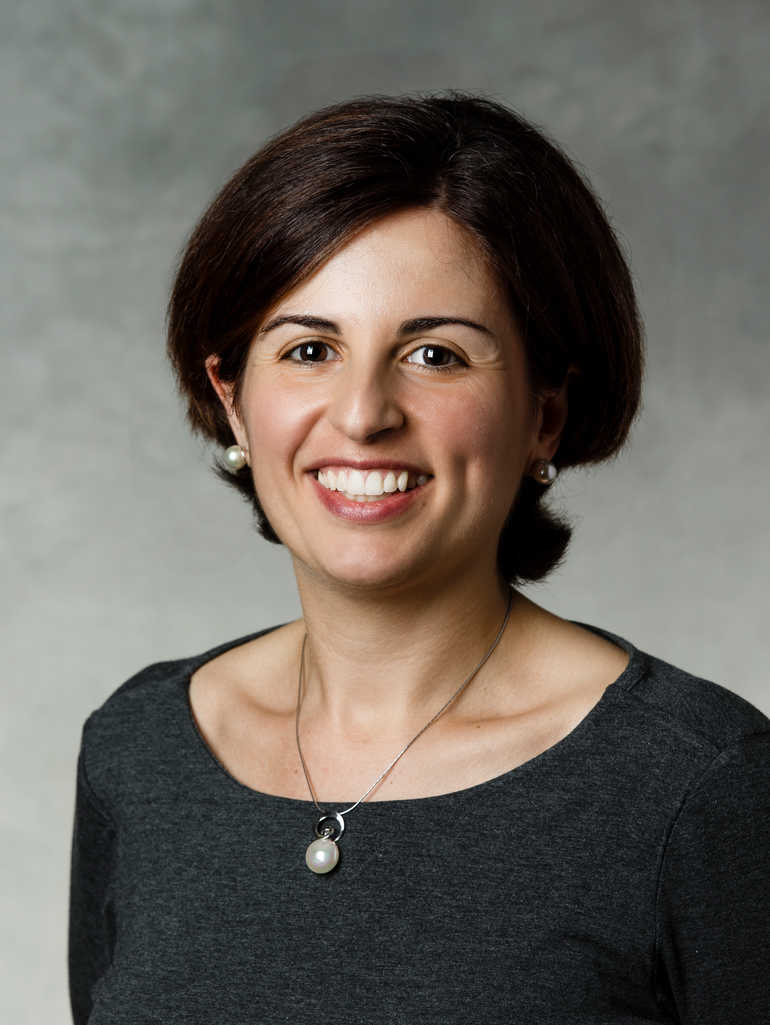
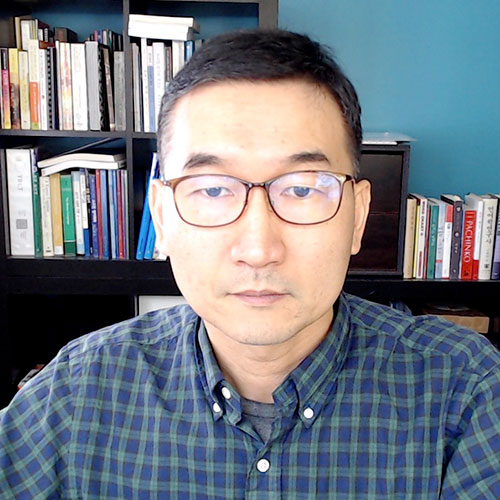
Jennifer Foote is an Associate Professor in the Department of Educational Psychology at the University of Alberta's Faculty of Education. Her research focuses on second language pronunciation, speech perception, and the role of technology in improving language learners' communicative success. She has published extensively on topics including pronunciation pedagogy, workplace language barriers, and ethical considerations in language teaching. Her work addresses critical issues such as how linguistic background influences speech intelligibility and the development of user-centered assessment tools for multilingual university settings. Courses taught include foundational TESL courses and specialized pronunciation instruction modules. Recent research trends show a strong focus on technology integration, with studies exploring mobile applications for pronunciation practice and AI-driven tools for speech analysis. Her contributions also emphasize ethical dimensions of pronunciation teaching and its societal implications for immigrant integration. Jennifer Foote collaborates widely with colleagues in linguistics, speech pathology, and education, reflecting her interdisciplinary approach to solving real-world language challenges.
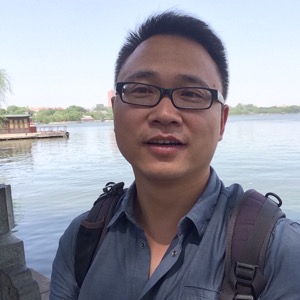
Chunsheng Yang is an Associate Professor in Chinese Studies at the University of Connecticut. He holds a Ph.D. in Chinese Linguistics from The Ohio State University (2011), along with MA degrees in Chinese Linguistics (2009) and English Linguistics (2005), and a BA in English (2000) from the University of Science and Technology of China. His research focuses on second language acquisition, Mandarin prosody, and technology-enhanced language teaching. Key research interests include L2 Mandarin pronunciation pedagogy, speech perception models, telecollaborative language learning, and the application of digital tools like WeChat and iPads in education. He has authored/co-authored seminal works such as The Acquisition of Second Language Mandarin Prosody (2016) and edited volumes on Chinese L2 pronunciation (2021). Yang's work bridges experimental linguistics and pedagogical practice, with studies on tonal acquisition, affricate articulation, and compliment response pragmatics. His projects investigate how L1 tonal backgrounds influence L2 Mandarin proficiency and explore innovative teaching strategies through virtual exchanges and rhythm metrics analysis.
Sanna Rämö is a University Teacher at Aalto University . Her academic work focuses on integrating pedagogical principles with technological tools, particularly in Finnish language education. She has contributed to research on online language courses, teacher presence, and the application of automatic speech recognition systems for second language learners. Fields of Interest : Language Learning, Educational Technology, Computer-Assisted Language Learning (CALL), Pedagogy, Digital Education, Applied Linguistics. Her 2025 publication on an intermediate Finnish language textbook highlights her expertise in curriculum design and digital educational resources. Earlier works from 2019 explore strategies for enhancing teacher presence in virtual classrooms and the role of speech recognition in improving language acquisition. These studies reflect trends in interactive pedagogy and technology-driven language instruction.
Grzegorz Krynicki is a Senior Researcher at the Faculty of English , Adam Mickiewicz University, Poznań, Poland. He leads the Speech and Language Processing Laboratory , focusing on experimental phonetics, machine translation, and computer-assisted language learning. With a Ph.D. in English (2006) and MA in English (2000) from Adam Mickiewicz University, he has contributed extensively to articulatory phonetics and Polish-English corpus linguistics. Education MA in English, Poznań (2000) Ph.D. in English, Poznań (2006) His research interests bridge Articulatory Phonetics and Machine Learning , with applications in Computer Assisted Pronunciation Teaching , Automatic Speech Recognition , and Corpus Linguistics . He has developed tools like Wordbuilder for corpus-based exercises and IPA2Polglish for phonetic transcription conversion. The articles reflect his expertise in electropalatography (EPG) for L2 pronunciation teaching, phonetic error detection in Polish learners of English, and machine translation systems like POLENG. His work spans Multilingualism , Speech Technology , and Polish-English Contrastive Analysis . Scientific Awards University of Bielefeld scholarship (1999) Professional Activities include participation in the International Society of Phonetic Sciences and development of the Speech and Language Processing Laboratory . He has presented at conferences such as the International Congress of Phonetic Sciences (2019) and Societas Linguistica Europaea meetings, often collaborating with institutions like the University of Colorado and Linköping University.
Victoria Lowell is a Clinical Professor in the Department of Curriculum and Instruction at Purdue University's College of Education, serving since 2023 after progressing from Assistant Professor (2012-2018) to Associate Professor (2018-2023). Her expertise centers on integrating emerging technologies for authentic learning experiences across educational contexts. Education: Ph.D. in Education, Regent University, Distance Education; Higher Education – Research and Institutional Planning (2009) M.Ed. in Educational Technology, University of Hawaii (2004) Post-Bac Teacher Education Certification, Secondary Social Studies, University of Hawaii (1998) B.A. in History, Virginia Wesleyan College, graduated with honors (1994) Research Interests: Dr. Lowell leads the Emerging Technologies in Learning, Design, and Technology (ETLDT) group, pioneering VR/AR/MR/AI applications for collaborative and experiential learning. Her parallel Language Learning and Technology (LLT) research explores digital tools for EFL/ELL development in speaking, writing, and pronunciation. Her work bridges immersive technology with situated learning theory to create authentic educational experiences from K-12 to professional training. Research Trends: Analysis of her recent publications reveals accelerating integration of generative AI (particularly ChatGPT) with extended reality in language education. Key themes include VR role-play for speaking skills, AI literacy development for educators, and AR-enhanced learning experience design. Systematic reviews dominate her methodology, emphasizing practical implementation frameworks and self-efficacy outcomes in authentic learning environments. Scientific Awards: Emerging Learning Technologies Award (AECT, 2023) Teaching Leadership Award (Purdue, 2023) Teaching for Tomorrow Fellowship Award (Purdue, 2023 & 2017) Distance Learning Article Award (AECT, 2022) Best Practices Awards (AECT, 2020 & 2016) Outstanding Graduate Faculty Mentor Award (Purdue, 2020) Research Best Paper Awards (AERA, 2020 & 2019) Distinguished Alumni Award (University of Hawaii, 2017) Advising and Grants: As former Online Program Convener (2012-2017) for Purdue's LDT Master's program, she developed mentoring frameworks recognized with AECT's Best Practices Award (2020). Current grants include 'Augmented Reality-Enhanced Instructional Resources for Taxonomy' (2023) and 'XR Integration for Experiential Learning' (2023), focusing on K-12 teacher training and higher education innovation. Labs and Teams: The ETLDT group conducts rigorous studies on VR/AR/AI implementation across formal/informal settings, while the LLT group investigates technology-mediated language acquisition through projects involving VR conversation simulations and AI-enhanced pronunciation tools for diverse learner populations.
Dr. Susana Perez Castillejo is an Associate Professor in the Department of Modern and Classical Languages at the University of St. Thomas' College of Liberal Arts. She coordinates the first three semesters of Spanish language instruction and teaches courses in Spanish language, culture, linguistics, and phonetics. Her educational background includes a PhD in Hispanic Linguistics and MA in Hispanic Linguistics from the University of Minnesota, an MA in Romance Languages and Literatures from the University of North Carolina at Chapel Hill, and a BA in English Language and Literature from the University of Seville, Spain. Her research examines how extralinguistic factors like social networks, multilingual exposure, emotional states, and communication contexts influence speech production and perception in first and second languages. Current projects focus on multilingual phonetic systems and cross-linguistic influences. Research areas include: Spanish phonetics and sociophonetic variation Cognitive aspects of second language processing Language anxiety and fluency relationships Technology-mediated language learning Recent publications demonstrate consistent focus on bilingual phonetics, language variation in Galician Spanish, and pedagogical applications. Her work combines laboratory phonetics with sociolinguistic approaches to examine language contact phenomena, with emerging attention to technological innovations in language education. No scientific awards are documented in available materials. Dr. Perez Castillejo leads curriculum development for foundational Spanish courses and mentors graduate teaching assistants. No specific grant funding or lab affiliations are mentioned, though her coordination role involves program administration and teaching supervision.
Dr. Yolanda Joy Calvo Benzies is a Tenured Contract Senior Lecturer in the Department of Spanish, Modern and Classic Philology at the University of the Balearic Islands (UIB), where she serves as Vicedean of Coordination and Projection at the Faculty of Tourism since February 2024. Previously, she was the mobility coordinator for the Faculty of Tourism from February 2020 to February 2024, overseeing Erasmus+ exchanges and student internships. Her educational background includes a BA in English Philology (2008), MA in English Linguistics (2010), and PhD (2016) all from the University of Santiago de Compostela. Her doctoral research focused on the role of pronunciation in EFL classes in Spain. Department of Spanish, Modern and Classic Philology, University of the Balearic Islands Faculty of Tourism (Vicedean since 2024) Applied Linguistics Research Group (REGAL) Dr. Calvo Benzies' research focuses on applied linguistics to English language teaching, particularly English for Tourism, pronunciation instruction, and innovative teaching methodologies incorporating ICTs and AI. She has published over 25 articles and book chapters with international publishers including Peter Lang and Springer, examining topics such as gamification in ESP classrooms, mobile applications in tourism education, and pronunciation challenges for Spanish learners of English. Her recent publications show a clear trajectory toward integrating emerging technologies in language education, with growing emphasis on AI applications since 2022. The research consistently addresses practical classroom applications rather than purely theoretical linguistics, reflecting her commitment to improving language teaching practices. As an active member of the academic community, she has participated in over 50 national and international conferences, served as Assistant Editor for Atlantis (2019-2024) and RAEL (2017-2023), and has supervised more than 40 undergraduate and graduate theses. She currently serves as Co-PI of an AI in language teaching project funded by IRIE and is a member of the Spanish Ministry-funded research project INMESO (PID2021-122267NB-I00) focusing on English in social media. Her teaching innovation work includes conducting workshops on academic presentation skills, pronunciation teaching, and AI tools for language educators at various Spanish universities. She has participated in 5 teaching innovation projects across multiple institutions, demonstrating her commitment to advancing language pedagogy through evidence-based practices and technological integration.
Hüseyin Kafes is an Associate Professor at Akdeniz University, Faculty of Education , specializing in English Language Teaching . With over 15 years of academic experience, he has held roles including Assistant Professor (2013–2019) and Lecturer (2009–2013) at Akdeniz University, and Instructor positions at Anadolu University (1999–2009) and Afyon Kocatepe University (1994–1999). His research spans linguistics, academic discourse analysis, EFL teaching methodologies, and 21st-century skill integration . PhD in English Language Teaching (Anadolu University, 2009) MA in English Language Teaching (Anadolu University, 1998) BA in English Language and Literature (Selçuk University, 1989) Research Interests encompass authorial stance in academic writing, metadiscourse features , code glosses in multilingual contexts, and impact of digital tools like podcasts and Wattpad on language learning. His work frequently examines cultural and discoursal influences on writing, pronunciation anxiety, and classroom technology integration. Recent publications highlight EFL learners' reading habits during the pandemic, 21st-century skill assessment in ELT coursebooks, and network analysis of academic achievement. He leads TUBITAK-funded projects on pronunciation training and podcast-based learning , supervising 6 postgraduate theses.
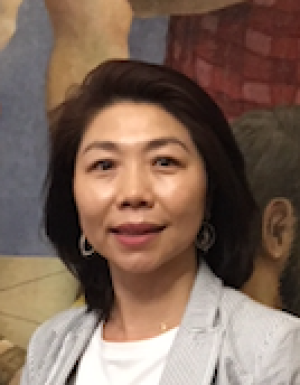
Na-Young Ryu is an Associate Teaching Professor of Korean in the Department of Asian Studies at Penn State University, part of the College of the Liberal Arts. She holds an M.A. in English Linguistics from Hankuk University of Foreign Studies (South Korea) and a Ph.D. in Linguistics from the University of Toronto (Canada). Her research focuses on Korean linguistics, phonology, and innovative language education methods, particularly integrating AI and web-based tools to enhance L2 learners' perception and pronunciation skills. Dr. Ryu’s work emphasizes perceptual training programs using audio-visual techniques and AI-driven conversational chatbots. She explores cross-linguistic perception challenges faced by English and Mandarin learners of Korean, as well as phonological adaptation in heritage Korean communities. Her contributions include developing reliable web-based language tests and mobile-assisted phonetic training tools. Her publications span topics like loanword phonology, vowel harmony in heritage Korean, and the impact of L1 inventory size on L2 perception. She actively promotes Korean culture through campus events like 'Krazy about Korea' and organizes conferences for language educators. Her interdisciplinary approach bridges linguistics, technology, and pedagogy to advance language education methodologies.
An Sakach is an Assistant Teaching Professor at Arizona State University (ASU), affiliated with the School of International Letters and Cultures and the Center for Asian Research. She holds an M.A. in Applied Linguistics from Ohio University and a B.A. in Linguistics from Hanoi National University, Vietnam. Her teaching spans K-12 international schools and college-level instruction in Vietnamese and English. Current courses include Vietnamese language levels (VTN 101-202), Special Topics, and Individualized Instruction. Her research focuses on language maintenance, revitalization, and applied linguistics with specialties in bilingualism, tone languages, and indigenous language preservation. She actively contributes to Vietnamese Studies through pedagogical materials like the Intermediate Vietnamese Taskbook and translation work. Teaching and research interests intersect in practical applications, such as mobile learning technologies (e.g., Blue Canoe app review) and cognitive approaches to language learning. Professional activities include founding VNSPEAK and roles at UNIS Hanoi and Hanoi University. She maintains global academic engagement via ORCID and LinkedIn profiles.
Prof. Dr. Ivana Ćirković-Miladinović is a Full Professor at the Department of Philological Sciences, Faculty of Pedagogical Sciences, University of Kragujevac, Jagodina. She holds a PhD in English language teaching methodology and has held academic positions since 2004. She currently serves as Vice-Dean for Teaching and Student Affairs, leading initiatives in curriculum development and international education programs. Her academic journey includes a Master's degree from the University of Nottingham (2006–2007) and a Diploma in Primary Education from the Faculty of Education in Jagodina (2004). She has taught extensively across undergraduate, master's, and doctoral programs, focusing on English language methodology, pedagogical strategies, and international education leadership. Research interests center on innovative language teaching methodologies for young learners, integrating technology (CALL/STREAM), and affective learning strategies. She has authored/co-authored monographs and peer-reviewed articles, such as Representation of affective strategies for learning English (2024) and Integrating technology in young learners' English language classrooms (2024). Prof. Ćirković-Miladinović leads multiple international projects including the Erasmus+ initiative Learning and Teaching STEAM – LETs STEAM (2024–2025) and STE(PA)M – Teacher Training in Physical Activities and Embodied Learning through STEAM Education (2023–2026). She is Editor-in-Chief of Uzdanica journal (ISSN 1451-673X) and serves on editorial boards of international journals. Her contributions include creating the MA in International Teacher Education Programme (MITEP) and developing its accreditation framework. She is actively involved in teacher training, peer micro-teaching processes, and cross-cultural communication initiatives with institutions in Hungary, Croatia, Montenegro, and Georgia.
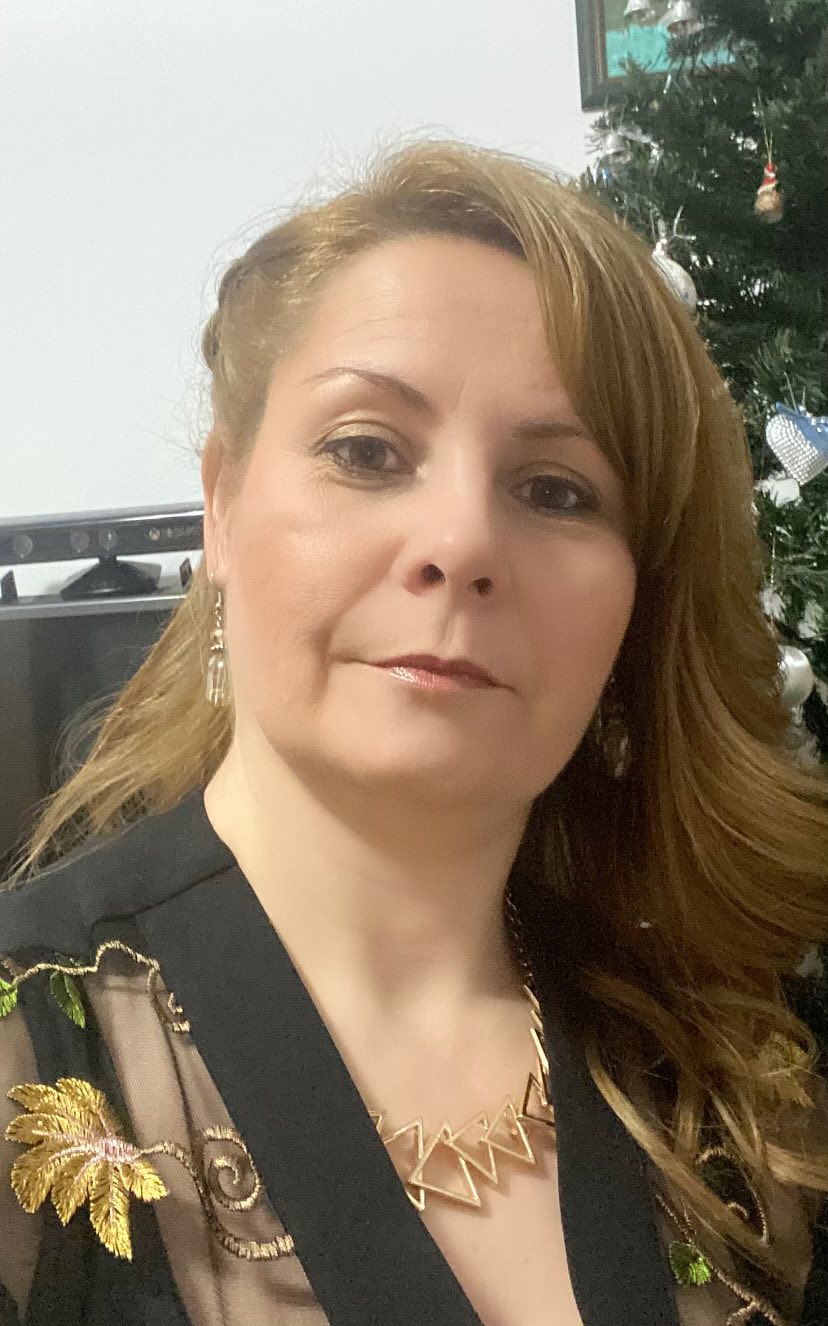
Anastasiia Kryzhanivska is an Associate Teaching Professor in the English Department at Bowling Green State University (BGSU), part of the College of Arts and Sciences. She specializes in Teaching English to Speakers of Other Languages (TESOL), Linguistics, and Writing Center Pedagogy. Her roles include serving as an ESOL Writing Specialist in The Learning Commons and teaching courses across undergraduate and graduate programs. Dr. Kryzhanivska holds an M.A. in Applied Linguistics (TESOL) from Ohio University, complemented with certificates in TEFL, Computer Assisted Language Learning (CALL), and a B.A. in English Translation from Petro Mohyla Black Sea State University in Ukraine. Her educational journey reflects a strong foundation in language pedagogy and technology integration. Her research focuses on corpus linguistics applications in language teaching, innovative pedagogical strategies for ESOL learners, and professional development for nonnative English-speaking teachers (NNESTs). She emphasizes arts-based approaches, peer review systems, and technology-enhanced learning. Recent work explores identity negotiation among NNESTs and discipline-specific vocabulary acquisition. Key contributions include peer-reviewed articles on tutor-mediated ESOL writing support, preposition instruction via corpora, and cross-cultural media analysis of geopolitical conflicts. She actively presents at TESOL conferences and collaborates on projects addressing critical literacies and multicultural classroom dynamics. Professional memberships include TESOL, reflecting her commitment to advancing language education standards. Her teaching spans foundational writing courses, linguistics for educators, and specialized ESOL curricula, integrating cutting-edge methodologies and student-centered practices.
Nadia Yassine-Diab is an Associate Professor in English Language Learning at the University of Toulouse, where she serves as Director of the Department of Languages. Her work bridges language pedagogy with digital innovation through projects like Check your Smile , a collaborative platform combining serious games with lexical acquisition research. University of Toulouse (ex-Toulouse III - Paul Sabatier) Department of Languages Specialized in Digital Game-Based Language Learning (DGBLL) Her research explores: Motivation dynamics in language classrooms CLIL systems in French higher education Socioconstructivist ICT applications Professional autonomy of language teachers Notable contributions include: Co-developing the first interdisciplinary serious games platform for specialized vocabulary Leading IDEX-funded projects with 70+ stakeholders Integrating AI for CV generation and oral assessment Current projects focus on: Intelligent Tutor System development (2025) AI-enhanced collaborative learning tools Transatlantic telecollaboration frameworks
Bumyong Choi is a Teaching Professor of Korean at Emory University's Department of Russian and East Asian Languages and Cultures. He coordinates the Korean language program and has taught at institutions including the University of Hawaii and Northwestern University. His research focuses on Korean corpus linguistics, cognitive approaches to language teaching, and technology integration in education. He holds a Ph.D. in Korean Linguistics from the University of Hawaii (2011), with a dissertation on cognitive analysis of Korean syntax. Education: Ph.D. in Korean Linguistics, University of Hawaii at Mānoa (2011) M.A. in Chinese Linguistics, Ohio State University (2004) M.A. in Chinese Linguistics, Yonsei University (1998) B.A. in Chinese Language and Literature, Yonsei University (1996) Research Interests: Korean corpus linguistics Cognitive linguistic pedagogy Technology-enhanced language instruction Language policy and curriculum design Key Projects: Developed online hybrid Korean courses Conducted linguistic landscape projects in classrooms Co-authored textbook chapters on Korean culture Managed websites for KLEAR and Korean community schools Awards: Korean Honor Scholarship (2010) Center for Korean Studies Scholarship (2008–2009) University Fellowship for Academic Excellence (1994–1995) Teaching and Advising: Coordinated Korean language programs at multiple universities Directed advanced reading courses at the University of Hawaii Supervised graduate teaching assistants Labs/Teams: Actively involved in the Korean Language Flagship Center and serves on the board of the American Association of Teachers of Korea (AATK).
Dr. Ivy Hauser is an Assistant Professor in the Department of Linguistics & TESOL at The University of Texas at Arlington, part of the College of Liberal Arts. Her research focuses on phonetics, phonology, and psycholinguistics, particularly investigating how speech sounds vary across languages and how pronunciation shifts based on auditory input. She holds a PhD in Linguistics from the University of Massachusetts Amherst (2019), with earlier degrees from the same institution and the University of North Carolina at Chapel Hill. Hauser has received numerous accolades, including NSF awards and teaching distinctions, and actively serves on committees for the Linguistic Society of America and other professional organizations. Her research interests span speech acoustics, phonological theory, and computational methods. She has presented at international conferences such as the Linguistic Society of America and the Acoustical Society of America, and her work has been published in journals like Language and Speech and Glossa . Hauser also emphasizes pedagogical innovation, integrating multilingual perspectives into undergraduate education. She has advised numerous graduate students and serves on university and departmental committees focused on curriculum development, faculty recruitment, and student support. Recent grants include NSF proposals on phonetic imitation and animal vocalization analysis. Her lab explores topics like Mandarin sibilant production and cross-linguistic phonetic adaptation. Collaborations extend to institutions like the University of Massachusetts and the Acoustical Society of America, reflecting her commitment to interdisciplinary research and mentorship.