- Direct Democracy
- Ballot Initiative
- Litigation
- +۵ مورد دیگر
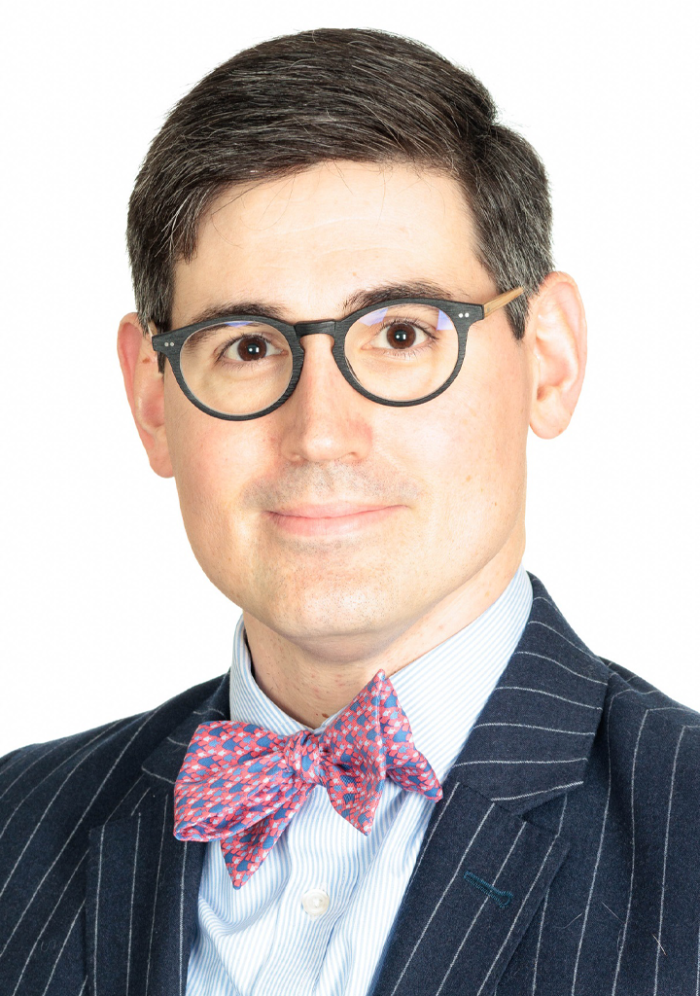
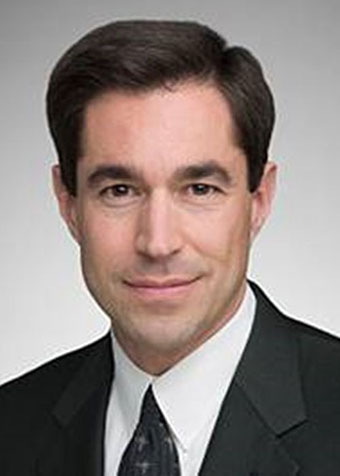
Henry Noyes is a Professor of Law at Chapman University's Dale E. Fowler School of Law, where he has been a faculty member since 2005. His expertise spans Direct Democracy, Ballot Initiative processes, Litigation, Mediation, and Arbitration. Prior to joining Chapman, Professor Noyes was a partner at Pillsbury Winthrop Shaw Pittman LLP in San Francisco, specializing in complex commercial litigation. Professor Noyes earned his B.A. from Northwestern University in 1990 and his Juris Doctor, magna cum laude , from Indiana University School of Law in 1994, where he served as Senior Managing Editor of the Indiana Law Journal. Following law school, he clerked for the Honorable Jesse Eschbach on the United States Court of Appeals for the Seventh Circuit (1995-96). His research primarily focuses on rules of procedure, rules of evidence, and contractual agreements governing dispute resolution. Professor Noyes has established himself as a leading scholar in direct democracy, with significant publications on ballot initiatives and referendums. His work bridges theoretical legal scholarship with practical applications in the courtroom and electoral processes. He has taught Civil Procedure I, Civil Procedure II, and Evidence at Chapman University. Professor Noyes's scholarly publications demonstrate a consistent engagement with evolving legal standards, from federal pleading requirements (Twombly/Iqbal standards) to electronic discovery rules and evidence privileges. His recent work has increasingly focused on direct democracy mechanisms, culminating in his book The Law of Direct Democracy (2014) and numerous articles analyzing the legal frameworks governing citizen-initiated legislation. Among his notable recognitions, Professor Noyes was named a "Northern California Super Lawyer" by Law & Politics and San Francisco Magazine. He has also served as Pillsbury's pro bono coordinator and as an arbitrator in the San Francisco Bar Association's Attorneys' Fees Dispute program. Throughout his career, Professor Noyes has maintained a strong connection between academic scholarship and practical legal work, regularly contributing to legal discourse through publications, speaking engagements, and professional service. His work continues to influence both legal practitioners and policymakers in the areas of civil procedure, evidence, and democratic governance mechanisms.