- Cell Biology
- Biophysics
- Optical Microscopy
- +۷ مورد دیگر
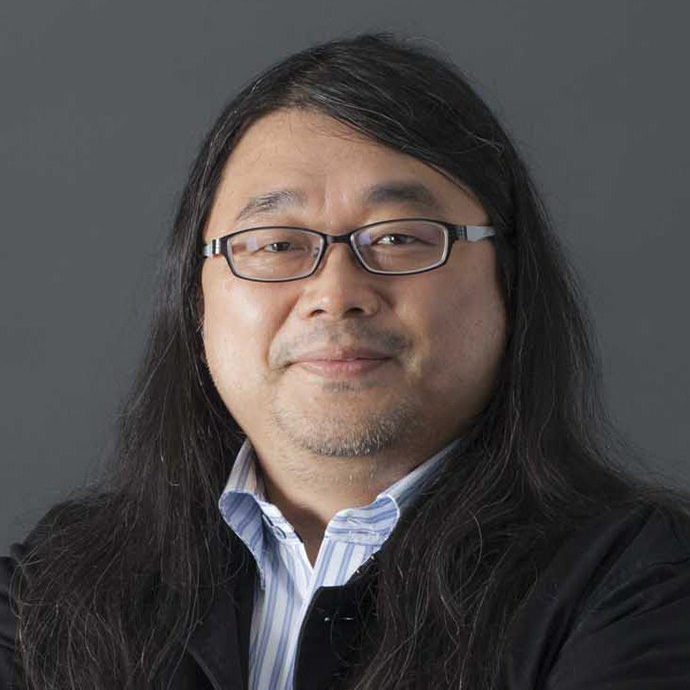
Yasushi Okada, Ph.D., is a Professor at the Department of Cell Biology, Graduate School of Medicine, The University of Tokyo, with concurrent positions at the Department of Physics, Graduate School of Science, and RIKEN Center for Biosystems Dynamics Research where he serves as Principal Investigator and Team Leader of the Laboratory for Cell Polarity Regulation. His interdisciplinary research bridges cell biology, biophysics, physics, chemistry, and information science to address fundamental questions about life processes. Dr. Okada's research focuses on developing and applying advanced imaging technologies to directly observe molecular processes within living cells. His laboratory specializes in three key technological areas: high-resolution live-cell imaging techniques, cell state visualization probes, and image analysis methods. Through these approaches, his team investigates intracellular transport mechanisms, particularly in neurons, with emphasis on axonal transport and microtubule-kinesin interactions. Analysis of his recent publications reveals a strong trend toward interdisciplinary approaches combining advanced microscopy, molecular probe development, and computational analysis. His work spans multiple biological systems including stem cells, neurons, and mitochondrial dynamics, with applications in understanding fundamental cell biology processes and neurological disorders. His research often involves developing novel imaging technologies that push the boundaries of what can be observed in living cells. Scientific Awards: Nakatani Award (February 2024) Dr. Okada has established significant research collaborations across multiple institutions and disciplines. His laboratory develops original technologies ranging from microscope optics to molecular probes, demonstrating strong technical innovation alongside biological discovery. His recent work shows increasing integration of computational methods with experimental approaches, particularly in image analysis and deep learning applications for cellular feature extraction. His research team operates at the intersection of multiple core facilities including imaging cores and data science resources, facilitating cutting-edge investigations into cellular dynamics. Current work focuses on understanding how structural differences in cellular components like microtubules contribute to polarized transport and cell fate determination.