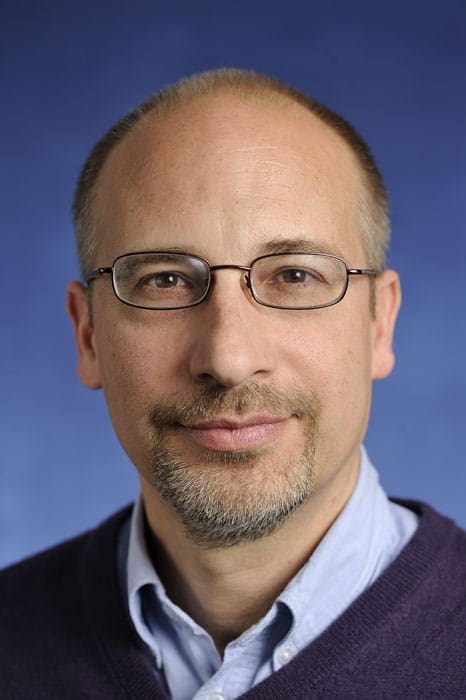
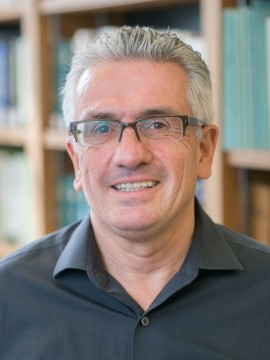
Joel Andreas is a Professor of Sociology at Johns Hopkins University since 2003, serving as Program Director of the East Asian Studies Program. His research focuses on political contention, social inequality, and social change in contemporary China. He holds a PhD in Sociology from UCLA and teaches social theory, political sociology, and courses on Chinese society. He has held visiting positions at universities including the University of Sydney, Hong Kong University, and Ningxia University. His work examines labor movements, rural land policies, and class dynamics in China. Recent research includes analyses of staff-worker congresses, rural land dispossession, and the persistence of militarism in U.S. policy. He critiques market reforms and explores the legacy of the Cultural Revolution. Andreas has contributed to debates on China’s transition to capitalism and the decline of socialist systems. His publications span topics from urbanization to state coercion in rural development. He maintains an active role in academic exchanges and policy-relevant research on China’s socio-political landscape.
University of California, Los AngelesUnited States
Yunxiang Yan is a Professor in the Department of Anthropology at the University of California, Los Angeles (UCLA). His work focuses on China and Cultural Anthropology , with specific expertise in Economic Anthropology , Family and Kinship , and Individualization . Education: Ph.D. in Social Anthropology from Harvard University (1993). Yan’s research explores the intersection of social change , moral theory , and family dynamics in modern China. His ethnographic studies in rural villages provide foundational insights into exchange theory and cultural globalization . Recent publications analyze food safety , medical ethics , and moral crises in China, reflecting his interdisciplinary approach combining anthropology, sociology, and philosophy. Articles span themes like intergenerational intimacy , political oppression , and networked social structures . Scientific Awards: Guggenheim Fellowship Levenson Prize-winning Research Yan’s work bridges local Chinese studies with global anthropological discourse. He has held positions at the Chinese University of Hong Kong, Johns Hopkins University, and UCLA since 1996. His career reflects a commitment to documenting the lives of ordinary people, rooted in his early experiences as an expelled villager during Maoist China. Contact: yan@anthro.ucla.edu
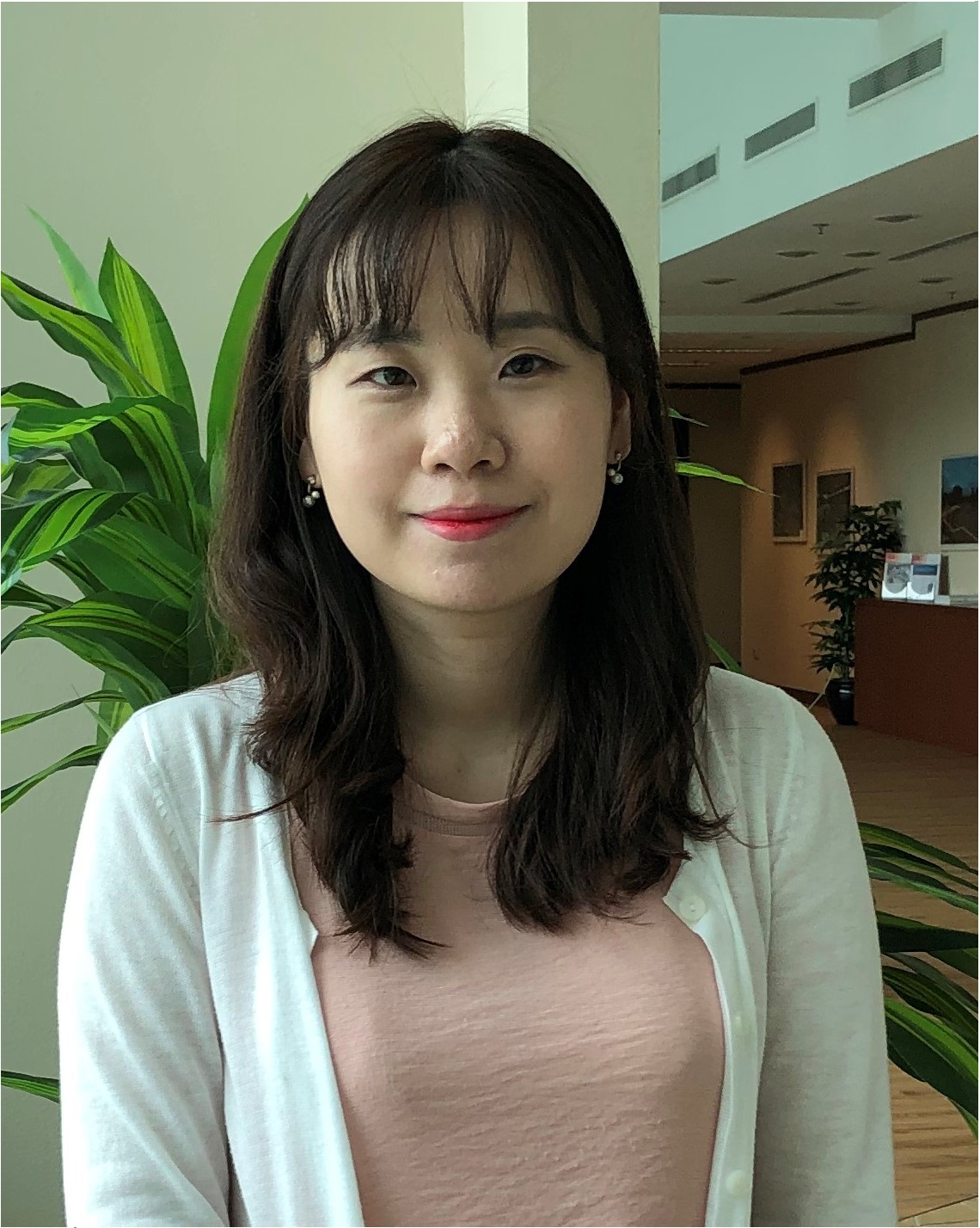
Dr. Kim Jeong Won is a Senior Research Fellow at the Energy Studies Institute (ESI), National University of Singapore, where she has been since March 2019. She holds a PhD in Energy and Environmental Policy from Korea University's Green School, an MPA from Korea University, and a MPP from the Harris School of Public Policy Studies, University of Chicago. Her research focuses on renewable energy and climate change policy, policy diffusion among governments, and quantitative policy evaluation methods. Dr. Kim has extensive experience in policy analysis and project management, including roles at the Korea Environment Institute (KEI), UNWTO ST-EP Foundation, and Global Green Growth Institute (GGGI). Her work emphasizes vertical and horizontal policy diffusion mechanisms, particularly in energy and climate sectors. She specializes in analyzing policy instrument combinations and designing evaluation frameworks for development projects. Her publications explore urban climate adaptation strategies in South Korea, renewable energy investment requirements for developing countries, and comparative analyses of energy storage systems competitiveness. She has contributed to policy reports for South Korean governments and international organizations, focusing on sustainable energy transitions and green growth frameworks. Dr. Kim's research bridges academic rigor with practical policy implementation, emphasizing quantitative methodologies to assess policy effectiveness. She actively participates in international development projects and contributes to global discussions on climate finance and energy policy design.
Massachusetts Institute of TechnologyUnited States
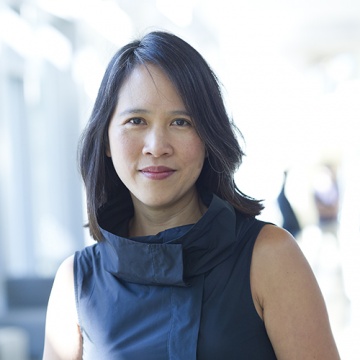
Lily L. Tsai is the Ford Professor of Political Science at the Massachusetts Institute of Technology (MIT) and founder/director of the MIT Governance Lab (MIT GOV/LAB). She previously chaired the MIT Faculty and focuses her research on governance, accountability, and political participation in developing contexts, particularly Asia and Africa. Her research explores how decentralization, democratic reforms, informal institutions, and economic development influence public goods provision. She also investigates the dual impacts of social capital and civil society on political outcomes, and analyzes political behavior in authoritarian and transitional systems through surveys, interviews, and field experiments. Recent publications span topics including collective governance, vaccine compliance in Uganda, anticorruption strategies in China, and the role of informal institutions in rural China. Tsai’s work appears in journals like American Political Science Review and World Development . Dogan Award for best book in comparative research (2007-08) She leads interdisciplinary projects such as the Compass Initiative (SHASS Education Innovation Fund) and The Science of Respect with MIT’s Brain and Cognitive Sciences department. MIT GOV/LAB, which she founded in 2014, emphasizes real-time empirical collaboration between researchers and practitioners to address governance challenges.
Silvia Lindtner is an Associate Professor at the University of Michigan's School of Information and Director of the Center for Ethics, Society, and Computing (ESC). She holds courtesy appointments in the Penny W. Stamps School of Art and Design and the Digital Studies Institute. Her work focuses on the social and cultural study of technology in China and globally, with a focus on data-driven governance, AI ethics, and the intersection of technology and labor. Lindtner has conducted nearly two decades of fieldwork in China, examining innovation ecosystems, digital economies, and the affective dimensions of state control. She is the author of the award-winning *Prototype Nation: China and the Contested Promise of Innovation* (2020) and co-author of *Technoprecarious* (2020). Education: PhD in Information and Computer Sciences from University of California, Irvine; BS/MS in Media Technology and Design from University of Hagenberg, Austria. Research Interests: Science and Technology Studies (STS), China Studies, HCI, Critical Computing, AI Ethics, Data Governance, Labor Studies, and Transnational Digital Economies. She explores how technological systems shape governance, labor practices, and everyday life, particularly in contexts of global inequality and state surveillance. Awards: Joseph Levenson Prize (2021), Francis L.K. Hsu Book Prize (2021), ACM Distinguished Member (2022), and fellowships from the National Committee on US-China Relations (2021-2023) and China-US Scholars Program (2021-2022). Grants: Supported by NSF, IMLS, Intel Labs, Google Anita Borg, and Chinese National Natural Science Foundation. Leads interdisciplinary initiatives including Tech.Culture.Matters research group and Michigan Interactive and Social Computing (MISC) research group. Labs/Teams: Directs the Center for Ethics, Society, and Computing (ESC) and collaborates with the Lieberthal-Rogel Center for Chinese Studies. Current projects include studies on affective control in AI governance and transnational data practices in healthcare and labor.
Professor Jamie Peck is a University Killam Professor and Professor of Geography at the University of British Columbia, Faculty of Arts, Department of Geography. He holds the prestigious title of Distinguished University Scholar at UBC and maintains significant international academic affiliations including Visiting Professor at Oxford University's School of Geography and the Environment, Honorary Professorial Fellow at the University of Manchester, and Honorary Professor at the University of Nottingham. Peck received his PhD in Geography from the University of Manchester in 1988 following his BA (Hons) in Geography from the same institution. His distinguished academic career spans positions at the University of Manchester (1989-2000), University of Wisconsin-Madison (2000-2008), and his current position at UBC where he has been a central figure in economic geography and interdisciplinary social science. As an institutional political economist, Professor Peck's research critically examines the spatial dimensions of economic processes, with particular attention to how global phenomena like neoliberalization are constituted through local practices. His work bridges economic geography, urban studies, political economy, and social theory, consistently challenging conventional understandings of market processes and statecraft. Recent research focuses on Chinese state capitalism, especially the Greater Bay Area and Hong Kong's evolving political status, alongside methodological innovations in conjunctural analysis as demonstrated in his 2023 book Variegated Economies . His scholarly output reveals a sustained engagement with the variegated nature of capitalist development across different spatial contexts. Recent publications demonstrate a sophisticated methodological approach combining institutional analysis with extended case methods, emphasizing historical context and spatial specificity while challenging universalizing theoretical claims. His work on Chinese political economy represents a significant departure from conventional Western-centric analyses. University Killam Professor (2025) Lauréat Prix International de Géographie Vautrin Lud ("Nobel de Géographie") (2023) Corresponding Fellow of the British Academy Fellow of the Royal Society of Canada Clarivate Highly Cited, Social Sciences (2014-2024) Distinguished University Scholar, UBC (2017-present) Canada Research Chair in Urban & Regional Political Economy (2008-2022) Professor Peck has supervised numerous doctoral students whose dissertations examine diverse topics including global urban solutions industries, US-Mexico border economies, Rio de Janeiro's 'PACification' processes, and China's experimental economic zones. His supervision approach emphasizes theoretically sophisticated empirical work that connects local case studies to broader political economic processes. His Canada Research Chair position supported extensive research on urban and regional political economy, while his current Killam Professorship funds ongoing work on Chinese political economy and conjunctural analysis methodologies. While not formally affiliated with a specific laboratory, Professor Peck is deeply engaged with multiple scholarly networks through his editorial leadership as Managing Editor of EPA: Economy & Space and co-editor of the Economic Transformations book series. His role as Convenor of the Summer Institute in Economic Geography demonstrates his commitment to fostering scholarly exchange and theoretical development in economic geography as a discipline.
Emily Hannum is a Professor of Sociology and Education at the University of Pennsylvania's College of Arts & Sciences, where she also serves as Associate Dean for Social Sciences. She is affiliated with the Population Studies Center, Center for the Study of Contemporary China, Graduate School of Education, and Penn Development Research Initiative. Education: PhD in Sociology from University of Michigan (1998) Research Focus: Poverty and child welfare, gender and ethnic stratification, sociology of education Projects: Gansu Survey of Children and Families, climate-environment-childhood inequalities in LMICs Workshops: Co-organizer of Penn Education and Inequality Workshop Her research explores childhood poverty in China, demographic impacts on education systems, and climate risks affecting children's welfare. She investigates environmental hazards, educational disparities, and family separation effects across China, India, and low/middle-income countries. Recent publications analyze educational expansion in East Asia, climate crisis impacts on child health, and gender disparities in Latin America. She directs longitudinal studies on rural poverty and collaborates on cross-national projects related to environmental and educational equity. Scientific awards include the Stanley I. Sheerr Term Professorship in Social Sciences.
David Glovsky serves as Assistant Professor of History and African and African American Studies within Harvard University's Faculty of Arts and Sciences, focusing on 19th-20th century West Africa with regional expertise in Senegal, Gambia, Guinea-Bissau, and Guinea. His research examines borderlands through lenses of mobility, citizenship, and alternative geographies, challenging state-imposed borders with community-driven spatial narratives. His educational foundation includes a B.A. in History and Human Geography from Dartmouth College and a Ph.D. in African History from Michigan State University. Prior academic appointments include the Department of Africana Studies at University at Albany and the Department of History at Boston University, following Peace Corps service in southern Senegal that redirected his career from sports media into academia. Glovsky's research program centers on social justice-oriented historical narratives of marginalized West African communities, particularly Fulbe populations. His work synthesizes oral histories and archival research across six nations to analyze how borderland residents construct fluid geographies that transcend colonial/postcolonial boundaries. Key themes include migration as resistance , gendered border experiences , and Islam's role in transnational community formation , with methodological innovation in spatial history and decolonial approaches. Analysis of his nine recent publications (2019-2023) reveals consistent engagement with West African borderland resilience , demonstrating how communities maintain cross-border networks despite state fragmentation. His work bridges historical scholarship and contemporary migration debates , employing interdisciplinary frameworks from anthropology, geography, and postcolonial theory to document alternative spatial organizations that challenge Western cartographic traditions. ACLS Fellowship supporting book project Borderlanders: Popular Geographies, Mobility, and Belonging in West Africa Glovsky actively mentors graduate students interested in African history, emphasizing pathways for underrepresented scholars into U.S. academia. His research has received competitive external funding including the ACLS Fellowship, while his collaborative work on the NEH ‘Ajamī Project advanced accessibility of Pulaar manuscripts through digitization and multilingual translation. He maintains strong community ties with West African scholars and institutions, particularly in Senegambia. Though not leading a formal laboratory, Glovsky collaborates with international research teams across West Africa on borderland studies and manuscript preservation, working closely with scholars in Kolda (Senegal), Dakar, and Guinea-Bissau to document community histories through participatory methodologies.
Tanya Trussler is Associate Professor in the Department of Economics, Justice, and Policy Studies at Mount Royal University. Her research examines structural determinants of violent crime, policing practices, crime prevention strategies, and public perceptions of criminal justice systems. Research explores police-community relations across different contexts, including recent projects on rural versus urban policing perceptions in Alberta and religious influences on policing in Pacific Island countries. Methodologically specializes in survey research and comparative analysis. Recipient of multiple research grants including from Immigration, Refugees and Citizenship Canada, and British Columbia's Crime Reduction Research program. Actively presents findings at major conferences including Congress of the Humanities and Social Sciences.
Dr. Elaine T. Jurkowski serves as Professor in Social Work at Southern Illinois University's College of Health and Human Sciences, holding multiple leadership roles including Graduate Program Director (2021-present) and Program Director for Gerontology Programs (2020-present). She maintains cross-appointments as Adjunct Professor in the School of Medicine's Family Practice Residency Program and Professor in the Department of Health Education, demonstrating her interdisciplinary impact. B.S.W. (Industrial Social Work), University of Manitoba, Canada M.S.W. (Policy and Administration), University of Manitoba, Canada Ph.D., Public Health, University of Illinois at Chicago M.B.A., Southern Illinois University Carbondale (2022) Dr. Jurkowski's research program centers on health disparities, access to mental health services, aging, and disability issues, with particular focus on rural populations. Her work bridges public health, social work, and gerontology through innovative approaches to program evaluation, technology-enhanced teaching, and culture change in long-term care settings. She has developed expertise in international health planning and inter-professional collaboration across diverse cultural contexts. Her publication portfolio shows consistent thematic development across decades, with recent work focusing on medical tourism during the pandemic, rural-urban health disparities, and technology applications in gerontology education. These publications reflect her commitment to addressing healthcare access challenges for vulnerable populations through both scholarly inquiry and practical interventions. Great Cities Research Fellow in Health Provost Faculty Fellow (2018) Provost Assessment Fellow (2016) Student Hotspotting certification (2018-present) A.P.M. Assessment Academy certification (2016, 2017) Dr. Jurkowski has successfully secured over $1 million in research funding from agencies including Health Resources and Services Administration, The Hartford Foundation, and Administration on Aging. Her grant portfolio demonstrates sustained commitment to improving services for older adults and people with disabilities, particularly in rural settings. She has served as Graduate Program Director twice (2003-2014, 2021-present), mentoring numerous social work students through their academic and professional development. Her professional activities extend beyond campus through international consulting in West Africa, Hong Kong, India, China, Russia, and Egypt, and community engagement via the "Dare to Care" radio show and board service with Caring Counseling Ministries, Supporting People in Need, and UNA/USA Southern Illinois Chapter.
Dr John Stanton is a Reader in Law at City St George's, University of London, with a focus on Constitutional Law and Comparative Constitutional Law. He has held academic roles since 2010, previously at Kingston University and City University, and is a Visiting Lecturer at the University of Malta since 2018. PhD in Law (Kingston University London, 2010) LLB Law (University of Surrey, 2007) His research spans Maltese constitutional history , local government dynamics , democracy , and central-local relations . Recent projects include Law, Localism and the Constitution (2023) and co-editing The Constitution of Malta at Sixty (2024). John’s publications and conference presentations (e.g., at Melbourne and Texas) address themes like constitutional decay , autocracy , and democratic resilience . He contributes to journals such as Legal Studies , Public Law , and Environmental Law Review . Learning Enhancement Award for Teaching (2017) Fellow, Higher Education Academy He testified before the UK Parliament on devolution and is active in the Society of Legal Scholars , UK Constitutional Law Association , and the Honourable Society of the Inner Temple .
Dr. Joshua Savala is an Associate Professor of History at the University of Texas at El Paso (UTEP), part of the College of Liberal Arts. He holds a PhD from Cornell University (2019) and previously taught at Rollins College in Florida. His research focuses on Latin American social movements, transnational histories of the Pacific, and labor solidarity in the Andean and Southern Cone regions. Key areas of expertise include maritime workers, anarchism, public health epidemics, and border studies. Education: PhD in History, Cornell University (2019) MA in History, Cornell University (2015) MA in History, Tufts University (2012) BA in History and Sociology, University of California, Davis (2007) Research Interests: His groundbreaking work examines collaborative relationships between Peruvians and Chileans in the 19th and early 20th centuries, including studies on cholera epidemics, anarchist networks, and cross-border solidarity. Recent projects investigate cooperative urban planning on the U.S.-Mexico border and disaster responses in Valparaíso. Publications: Includes the award-winning book Beyond Patriotic Phobias (2022) and articles in Hispanic American Historical Review and Journal of Social History . His Spanish translation Más allá de la guerra (2024) is a binational publication with universities in Peru and Chile. Awards: Best Book (Social Sciences) on the Southern Cone (Honorable Mention), 2023 Flora Tristán Book Prize (Honorable Mention), 2023 José María Arguedas Prize, 2020 Teaching: Teaches courses on Modern Latin America, Pacific World histories, and borderland studies. Recent courses include Studies in Latin American History and South America Since 1810 . Labs/Teams: Engaged with UTEP's Borderlands Digital Humanities Center and the Institute of Oral History, emphasizing collaborative interdisciplinary projects.
Prof. Magnus Fröhling is a Full Professor of Circular Economy and Sustainability Assessment at the Technical University of Munich (TUM), leading the Chair of Circular Economy and Sustainability Assessment at TUM Campus Straubing. He holds a doctorate and habilitation from the Karlsruhe Institute of Technology (KIT), specializing in material flow analysis and resource efficiency. His career includes roles as a professor at TU Bergakademie Freiberg before joining TUM in 2018. Fröhling’s research focuses on quantitative approaches for circular economy systems, including industrial value chains, built environments, and bioeconomy. He co-leads the TUM Mission Network Circular Economy, an interdisciplinary platform for research and innovation. **Education:** Bachelor/Master in Industrial Engineering, Karlsruhe University (TH) PhD in Industrial Engineering (2005), Karlsruhe University Habilitation in Business Administration (2011), KIT **Research Interests:** Circular economy concepts for automotive industry, buildings, and energy systems; sustainability assessment in bioeconomy; policy instruments for resource efficiency. His work emphasizes lifecycle analysis and closed-loop systems. **Awards:** TUM Sustainability Award (2021) and recognition for groundbreaking research on sustainability in industrial biotechnology (2020). **Advising & Grants:** Leads research initiatives like CirculaTUM, focusing on interdisciplinary collaboration. His work integrates policy analysis, technological innovation, and industrial ecology to advance sustainability goals. **Labs/Teams:** Active in TUM’s Green Fuel Center and SynBioFoundry@TUM, promoting sustainable energy and biotechnology solutions.
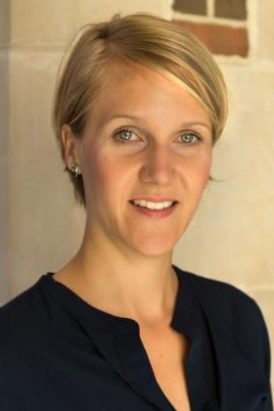
Adèle Garnier is an Associate Professor at the Department of Geography, Université Laval's Faculty of Forestry, Geography and Geomatics. She serves as Director of undergraduate geography programs and the certificate in sustainable tourism. Her research focuses on political geography, migration dynamics, and humanitarian governance, particularly examining refugee labor market participation, temporary migration policies, and technological impacts on immigration systems. Education : PhD in Political Science (Macquarie University/Universität Leipzig, 2012), MA in Political Science (Universität Leipzig, 2006), Diploma in Political Science (Paris, 2002) Her research integrates political geography , migration studies , and geographies of inequality , analyzing power structures in migration governance. Recent work explores Canada's digitalization of immigration, multiscalar impacts of refugee policies, and settler-colonial migration frameworks. Current research trends focus on technological governance of migration , refugee resettlement , and marketization of humanitarian services , with interdisciplinary approaches bridging political science and geography. Research Units : Graduate School of International Studies (ESEI), Immigration Research Team (ERIQA), Cultures-Arts-Societies Center (CELAT) Collaborations : Study Group on Ethnic Relations (Flers), Center for Refugee Studies (York University), Peace Research Institute Oslo She supervises graduate students in geography and co-leads multiple funded projects, including Liberating Migrant Labour (2023-2030) and digital migration governance research (2023-2028).
Martin T. Wells is the Charles A. Alexander Professor of Statistical Sciences at Cornell University, with joint appointments in the Department of Statistical Science, Department of Biological Statistics and Computational Biology, Department of Social Statistics, and as Professor of Clinical Epidemiology and Health Services Research at Weill Medical School. He serves as Editor-in-Chief of the ASA-SIAM Book Series and Co-Editor of the Journal of Empirical Legal Studies. Cornell University, Ithaca, NY Weill Cornell Medical College Research Interests span applied and theoretical statistics, Bayesian methods, biostatistics, clinical epidemiology, and computational biology. His work bridges disciplines like finance, legal studies, and health services research. Article Trends highlight advancements in Bayesian modeling, quantum cognition machine learning, tensor analysis, and misclassification correction, with applications in genomics, finance, and public health. Fellow of the American Statistical Association Fellow of the Royal Statistical Society Contributions include developing statistical software (e.g., rTensor), methodological innovations in clinical trials, and empirical legal studies on civil rights and the death penalty.