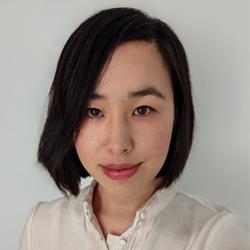
Dr. Roselina Angel is a Professor in the Department of Animal and Avian Sciences at the University of Maryland's College of Agriculture and Natural Resources. With expertise in poultry nutrition, she holds a PhD in Poultry Nutrition from Iowa State University and has been with the university since 1998, initially joining as an Assistant Professor. Research Focus Areas Calcium and phosphorus metabolism in poultry Phytase and enzyme supplementation Environmental impact reduction Nutritional strategies for exotic animals Feed additive efficacy Mineral utilization optimization Her recent publications (2025–2023) concentrate on mechanistic modeling of mineral digestibility, circadian nutrient regulation in laying hens, and the environmental implications of poultry nutrition. These studies frequently examine interactions between dietary calcium/phosphorus ratios, phytase application, and ingredient selection across broilers and laying hens.
Dr. Jonathan Bones is an Associate Professor in the School of Chemical and Bioprocess Engineering at University College Dublin (UCD) and Principal Investigator of the Characterisation and Comparability Group at NIBRT. His research focuses on analytical methods for biopharmaceuticals, including liquid chromatography-mass spectrometry (LC-MS) for protein characterization, glycomics, and process optimization. He holds a BSc and PhD in Analytical Chemistry from Dublin City University. His work has been recognized through inclusion in the Medicine Maker Power List. He leads a team of 18 researchers, supported by SFI, EI, and industry partnerships. Education: BSc in Analytical Science (Chemistry), Dublin City University PhD in Analytical Chemistry, Dublin City University Research Interests: Development of advanced LC-MS platforms for glycomics, proteomics, and bioprocess analysis. Key areas include: Quantitative proteomics/metabolomics for bioprocess monitoring Liquid phase separations for complex bioanalysis Process analytical technology (PAT) His group collaborates with ThermoFisher Scientific on analytical workflows for biopharmaceutical characterization. Articles Trends: Recent work emphasizes analytical methods for AAV vector characterization, biosimilar comparability via MAM/iMAM, and process clearance of excipients. Over 126 publications highlight his contributions to biopharmaceutical quality control and process understanding. Awards: Medicine Maker Power List (2023): Top 100 influential scientists in biopharmaceutical manufacturing and analysis Advising & Grants: Supervises PhD students in bioprocessing and analytical chemistry Funding from Science Foundation Ireland (SFI), Enterprise Ireland (EI), and EU FP7 Industry collaborations with ThermoFisher Scientific and Bristol Myers Squibb Labs & Teams: Leads the Characterisation and Comparability Lab at NIBRT, focused on cutting-edge analytical tools for bioprocess development and product quality assurance.
Hugues Aschard is a Principal Investigator and Structure Manager at the Pasteur Institute in Paris, where he leads research in statistical genetics, microbiome analysis, and computational genomics. He is the principal investigator of the MicMat project, the EpiGenCOV Consortium, and several bioinformatics software initiatives including JASS, RAISS, and MGMM. Research Interests: Statistical and computational methods in genetics Genome-wide association studies (GWAS) Gene-environment interactions Microbiome and host genetics in inflammatory bowel disease Genetic epidemiology of infectious diseases like COVID-19 Development of open-source tools for multi-trait and summary-statistic analysis Recent Research Trends: His recent publications and projects emphasize integrative genetic modeling, multi-trait analysis across diverse populations, and the development of novel computational methods to handle missing data and improve SNP discovery. His work bridges statistical innovation with biological and clinical applications in complex diseases. Scientific Contributions: Development of JASS, RAISS, and MGMM software tools Leadership in large-scale consortia like EpiGenCOV Advancing methods for cross-ancestry genetic studies Advising and Collaboration: He supervises multiple PhD students and postdoctoral fellows, including Christophe Boetto, Antoine Auvergne, and Lucas Chataigner. He collaborates with major institutions such as APHP and CNRGH. His team includes research engineers and administrative staff, indicating an active and well-supported research group. Laboratories and Teams: He is a key member of the Biomaterials and Microfluidics team at the Pasteur Institute, where he contributes to interdisciplinary research involving Bayesian decision processes and genetic modeling.
Koenraad Muylaert is a Full Professor at the Faculty of Science, KU Leuven, and head of the Biology department at KU Leuven Kulak. His research focuses on microalgae ecology and phytoplankton physiology , with applications in eutrophication studies , wastewater treatment , and biofuel production . Based in Kortrijk, Belgium, he works with international teams in Ecuador, Qatar, and Belgium. Current projects on mountain lake eutrophication and urban aquatic systems Specializes in nano-material flocculation and omega-3 fatty acid production from microalgae Research Trends from his recent articles show emphasis on: Microalgae harvesting innovations (cellulose nanocrystals, PDMAEMA polymers) Comparative processing techniques (DAF vs sedimentation, drying methods) Biotechnological applications in flavor chemistry and microbiome interactions Laboratory operates at KU Leuven's Kortrijk campus, with strong collaborations in environmental engineering and food science . His work bridges fundamental ecological research with industrial biotechnology for sustainable solutions.
Michael Boutros is a Full Professor at Heidelberg University and Head of Division at the German Cancer Research Center (DKFZ). He currently serves as Dean of the Medical Faculty at Heidelberg University (since 2023) and Director of the Marsilius Kolleg (since 2020). He has held leadership roles including Coordinator of the Functional and Structural Genomics Program at DKFZ (2014–2023) and Acting Scientific Director (2015–2016). His academic base is within the Medical Faculty, focusing on molecular oncology and functional genomics. PhD, Witten/Herdecke University (1993–1996) Postdoctoral Research, Harvard Medical School (1999–2003) MPA, John F. Kennedy School of Government, Harvard University (1999–2001) Additional training: Cold Spring Harbor Laboratory, SUNY Stony Brook His research centers on Wnt signaling, functional genomics, and cancer pathways. He leads major research initiatives such as CRC 1324 on Wnt signaling and the ERC Synergy Grant DECODE. His work integrates high-throughput screening, CRISPR, and systems biology to dissect signaling networks in cancer and development. He has pioneered genome-wide RNAi and CRISPR screens to identify novel regulators of Wnt signaling across models. The 15 most recent articles reflect a strong focus on Wnt pathway regulation using functional genomics in both Drosophila and mammalian systems. Themes include high-throughput screening, CRISPR-based validation, cross-species conservation, and therapeutic targeting. Keywords span Cancer Biology, Systems Biology, and Signal Transduction, with subfields like RNAi, ubiquitination, stem cell regulation, and machine learning in image analysis. Michael Boutros has received numerous scientific honors: Elected member, Leopoldina National Academy of Sciences (2022) Elected member, Heidelberg Academy of Sciences (2022) EMBO Member (2013) ERC Advanced Grant (2012) Johann-Georg Zimmermann Research Award (2007) EMBO Young Investigator (2005) Member, 'Die Junge Akademie' (2003) He has been a recipient of the Emmy-Noether Program, McCloy Fellowship, Boehringer Ingelheim PhD Fellowship, Studienstiftung Fellowship, and Fulbright Fellowship. As a mentor and research leader, he has supervised numerous early-career scientists and coordinated large collaborative grants including the FP7 'CancerPathways' project. He currently serves as Speaker of the Research and Strategy Commission at Heidelberg University and Managing Director of the Health and Life Science Alliance Heidelberg Mannheim. He leads the CRC 1324 on Wnt signaling and is Coordinating PI of the ERC Synergy Grant DECODE. He is also Spokesperson of DFG Research Group 1036 and Coordinator of the former FP7 Coordinated Project 'CancerPathways'. His lab employs cutting-edge functional genomics tools to decode signaling networks in cancer and development.
Sabine Glasl-Tazreiter is a Lecturer at the University of Vienna's Faculty of Life Sciences , specifically within the Department of Pharmaceutical Sciences and its Division of Pharmacognosy . Her office is located in room 2E 412 on the 4th floor at Josef-Holaubek-Platz 2, Vienna, Austria (1090). Contact details include telephone number +43-1-4277-55207 and email sabine.glasl@univie.ac.at . Principal research focus: Phytochemistry & Biodiscovery Specialization: Secondary metabolites from ethnomedicinally used plants across Europe, Mongolia, and Latin America Key techniques: Isolation of bioactive compounds, structural elucidation, pharmacological evaluation Quality control expertise: Macroscopic/microscopic identification, chemical analytics Recent publications highlight her work in: 2024 - Development of the VOLKSMED Database for Austrian folk medicine wound healing plants 2025 - Advanced mucociliary clearance research in respiratory systems 2023 - Innovations in optoacoustic imaging technology 2019 - Structure-function analysis of phycobiliproteins for medical imaging 2017 - Phytochemical characterization of Latin American antidiabetic plants
Brian D. Gregory is a Professor of Biology at the University of Pennsylvania's School of Arts & Sciences. His research focuses on RNA modifications, computational biology, and plant genetics, particularly studying how RNA modifications regulate gene expression in plants and animals. He holds a Ph.D. from Harvard University (2005) and a B.S.A. from the University of Arizona (2000). Research Interests: RNA epitranscriptomics (e.g., m6A, NAD+ caps) RNA secondary structure and protein interactions Genomic approaches to study plant stress responses Development of high-throughput sequencing tools like PIP-seq Recent Work Highlights: Recent studies include analyzing pathogen-induced RNA modifications' role in plant immunity (Plant Cell 2023), global RNA structure/protein interaction mapping, and epitranscriptomic dynamics in drought tolerance. His lab's work bridges computational methods with molecular genetics to uncover post-transcriptional regulatory mechanisms. Lab & Collaborations: The Gregory Lab uses Arabidopsis thaliana as a primary model organism but also explores animal systems. They collaborate with institutions like Cornell University and have developed protocols published in Current Protocols in Molecular Biology. Teaching: BIOL 4231: Genome Sciences and Genomic Medicine BIOL 6010: Communication for Biologists
Mai Ha Vu is an Assistant Professor at the University of Toronto Mississauga , split between the Department of Language Studies and the Department of Mathematics, Computer Science, and Statistics . Her work bridges theoretical linguistics, computational methods, and biological data modeling. Ph.D. in Linguistics, University of Delaware (2020) M.A. in Linguistics, University of Delaware (2014) B.A. in Psychology and Linguistics, Grinnell College (2013) Research focuses on applying formal language theory to understand human language patterns and train biologically reliable language models . Recent work includes antibody language modeling (Nature Computational Sciences 2022) and syntax-prosody mapping via logical transductions (SIGMORPHON 2022). Key research trends in publications: interdisciplinary applications of computational linguistics to immunology, psycholinguistic modeling of neural language models, and formal syntactic analysis of negation and wh-questions across languages.
Dr. Frank Oechslin is an Assistant Professor at the Department of Biochemistry, Microbiology and Immunology within the Faculty of Medicine at the University of Ottawa. He leads a research group focused on bacteriophages (phages) and their lytic enzymes (endolysins), investigating their potential to combat antibiotic-resistant bacteria. His lab is located in Roger Guindon Hall, Ottawa, Canada. PhD in Bacteriology, University of Lausanne, Switzerland Postdoctoral training at Université Laval, Québec (2018), supported by Swiss National Science Foundation Research interests span phage therapy, antimicrobial resistance, synthetic biology, and experimental evolution. His work employs CRISPR-Cas genome editing and advanced synthetic biology to explore phage-endolysin interactions, bacterial cell wall dynamics, and evolutionary adaptation mechanisms. Publications highlight thermostable endolysins, host specificity, and phage-antibiotic synergy. Scientific awards include a Swiss National Science Foundation Fellowship. His lab collaborates with Prof. Sylvain Moineau's team and focuses on engineering phages for clinical applications, particularly in treating infections caused by multi-drug-resistant pathogens like Pseudomonas aeruginosa and Streptococcus agalactiae .
Joonhyuk Suh is an Assistant Professor in the Department of Food Science & Technology at the University of Georgia's College of Agricultural & Environmental Sciences. His research focuses on applying analytical chemistry and metabolomics/flavoromics to enhance food flavor, quality, and safety. Research Interests : Multidisciplinary food chemistry analysis Metabolite and flavor profiling Nut and fruit quality evaluation Dairy product flavor chemistry Food safety biomarkers Recent Publication Trends (2025-2022) show expertise in: Metabolomic evaluation of agricultural products Flavor chemistry in tropical fruits and nuts Food processing safety and contaminant analysis Plant-based food characterization Microbiome and nutritional interventions
Dr. Wael M. Rabeh is an Associate Professor of Chemistry at New York University Abu Dhabi (NYUAD), affiliated with the Division of Science. He holds a PhD in Biochemistry from the University of Oklahoma and conducted postdoctoral research at the Structural Genomic Consortium (University of Toronto) and McGill University. His research focuses on protein structure-function relationships, particularly in disease-relevant proteins such as CFTR (cystic fibrosis transmembrane conductance regulator) and human Hexokinase 2, leveraging X-ray crystallography and biophysical techniques. Key areas include cystic fibrosis mechanisms, cancer metabolism, drug discovery, and bioluminescence. Dr. Rabeh’s work has contributed to understanding CFTR misfolding and functional correction, as well as the role of Hexokinase 2 in tumor growth. His lab collaborates internationally (e.g., with McGill University) and has secured funding from institutions like Al Jalila Foundation, Terry Fox Research Foundation, and NYUAD. He teaches courses in biochemistry and structural biology, emphasizing hands-on experimental approaches. Notable research highlights include the discovery of a dual-step correction mechanism for the ∆F508 CFTR mutation and structural studies of antiviral drugs like Tamiflu. His lab’s bioluminescence research aims to elucidate color-producing mechanisms in luciferases. Dr. Rabeh actively contributes to structural biology education through innovative laboratory curricula and public engagement.
Prof. Dr. Jörg Schultz serves as a Professor for Bioinformatics at the Faculty of Biology, University of Würzburg, a position he has held since 2003. He is also a Group Leader at the Center for Computational and Theoretical Biology (CCTB) and was a member of the CCTB Managing Board from 2015-2019. His academic journey includes significant roles as Group Leader at the Max Planck Institute for Molecular Genetics in Berlin (2002-2003) and at cellzome in Heidelberg (2000-2002). He completed his PhD studies at EMBL Heidelberg (1996-2000) after conducting his diploma thesis there in 1995-1996, following biology studies at the University of Konstanz (1991-1996). Prof. Schultz's research spans bioinformatics, computational biology, and evolutionary genomics, with notable contributions to protein domain analysis, phylogenetics, and structural bioinformatics. His recent work has focused extensively on plant genomics, particularly studying carnivorous plants like the Venus flytrap to uncover the evolutionary roots of plant carnivory. His research integrates computational methods with biological questions to address fundamental evolutionary patterns and molecular mechanisms across diverse organisms. Prof. Schultz has maintained a prolific publication record since the late 1990s, with his most recent work demonstrating continued innovation in computational approaches to biological questions. His publications reveal a consistent trajectory from foundational work on protein domain evolution (including the development of the SMART database) to current research on plant genomics, molecular evolution, and bioinformatics tool development. His work shows particular strength in bridging computational methodology with biological insight across multiple domains. Among his significant contributions is the development of the ITS2 Database, a widely used resource for phylogenetic analyses, along with various computational tools including ALVIS for sequence alignment visualization, reper for repetitive element analysis, and BCdatabaser for DNA barcoding. These resources have advanced methodological capabilities in the bioinformatics community. As an academic mentor, Prof. Schultz has guided numerous students and researchers through his laboratory at the University of Würzburg, contributing significantly to the education and training of the next generation of bioinformaticians. His leadership roles demonstrate his commitment to advancing computational and theoretical biology as academic disciplines while maintaining strong connections between computational approaches and biological discovery.
Alejandro Sánchez Gracia is an Associate Professor at the Universitat de Barcelona's Faculty of Biology, affiliated with the Department of Genetics, Microbiology and Statistics. He leads the Molecular Evolutionary Genetics research group and directs the advanced course in 'Phylogenomics and Population Genomics: Inference and Applications.' Education: Llicenciat in Biology (Universitat de Barcelona, 1998), PhD in Biology (Universitat de Barcelona, 2006) Research Focus: Molecular mechanisms of chemosensory gene evolution in arthropods, development of bioinformatics tools for evolutionary and population genomics, and population genomics of adaptation in Drosophila. His work bridges computational methods with evolutionary biology, emphasizing genomic approaches to study adaptation. Key projects include analysis of chemoreceptor gene families across Panarthropoda, genomic studies of Canary Island endemic species, and development of tools like BITACORA for gene family annotation. He has contributed to major genomic resources such as DnaSP 6 and participated in initiatives like the Earth BioGenome Project. Active in collaborative networks like the European Drosophila Population Genomics Consortium and AdaptNET (Adaptive Genomics Network). Grants and Projects: 2021-2024: PID2020-113168GB-I00 (Ministry of Science, Spain) - Poligenic adaptation in Drosophila 2020-2021: Catalan blind scorpion genome project (Institut d'Estudis Catalans) Labs/Teams: Heads the Molecular Evolutionary Genetics group, collaborating on projects involving spider genomics, chemosensory evolution, and population-level adaptation studies.
Nathaniel Nucci is an Associate Professor at Rowan University's College of Science & Mathematics, jointly appointed in the Department of Biological & Biomedical Sciences and Physics & Astronomy. His research bridges biophysics, structural biology, and nanotechnology to understand protein behavior in confined environments. Education Ph.D., Biochemistry and Molecular Biophysics, University of Pennsylvania M.S., Biochemistry and Molecular Biology, University of New Hampshire B.S., Biochemistry and Molecular Biology, University of New Hampshire Research Interests Dr. Nucci's lab focuses on: Protein biophysics in crowded/confining environments Reverse micelle technology for biomolecular studies Hydration dynamics of proteins (NMR-based methods) Structural biology of disease-related proteins (PHDs, p53) Drug delivery systems for protein therapeutics Nanoparticle synthesis with protein conjugation Research Trends His recent publications demonstrate expertise in using reverse micelles to study: Protein structural stability under confinement Hydration dynamics of therapeutic proteins Microenvironmental effects on phase-separating proteins Conformational changes in GPCRs Interfacial interactions in biomolecular systems Scientific Awards Gary J. Hunter Excellence in Mentoring Award (2024) College of Science and Mathematics Excellence in Academic Student Support (2022) Teaching Philosophy Emphasizes applied and experiential learning, integrating recent scientific discoveries into classroom practice and promoting hands-on scientific investigation.
Dr. Lida Derevnina is a leading researcher in plant-pathogen interactions and immune receptor networks at the University of Cambridge , affiliated with the School of Biological Sciences and the Department of Plant Sciences . She heads the Crop Pathogen Immunity Group at the Crop Science Centre , focusing on NLR (Nucleotide-binding and Leucine-Rich Repeat) immune receptor networks and pathogen effector functions to engineer durable crop resistance. Education: PhD in Plant Pathology and Phytopathology, University of Sydney (2008-2012) BSc in Agricultural Science, University of Sydney (2004-2007) Her research explores how pathogens evade plant immunity through effector proteins and how NLR networks can be bioengineered to counteract these mechanisms. This work bridges molecular biology, evolutionary genetics, and sustainable agriculture, with recent advances in resistosome activation models and effectorome characterization. Scientific awards include the Crop Science Centre Fellowship (2022) , Marie Skłodowska-Curie Individual Fellowship (2016) , and the Jeanie Borlaug Laube Women in Triticum Award (2012) . Her work has been published in top journals such as Science , Nature , and PLoS Biology . Dr. Derevnina is actively engaged in public outreach, including the Talking Biotech podcast and a YouTube video explaining plant immunity . Her laboratory collaborates on projects related to global food security and pathogen genomics.