- Biomembranes
- Lipid Bilayers
- Giant Vesicles
- +۷ مورد دیگر
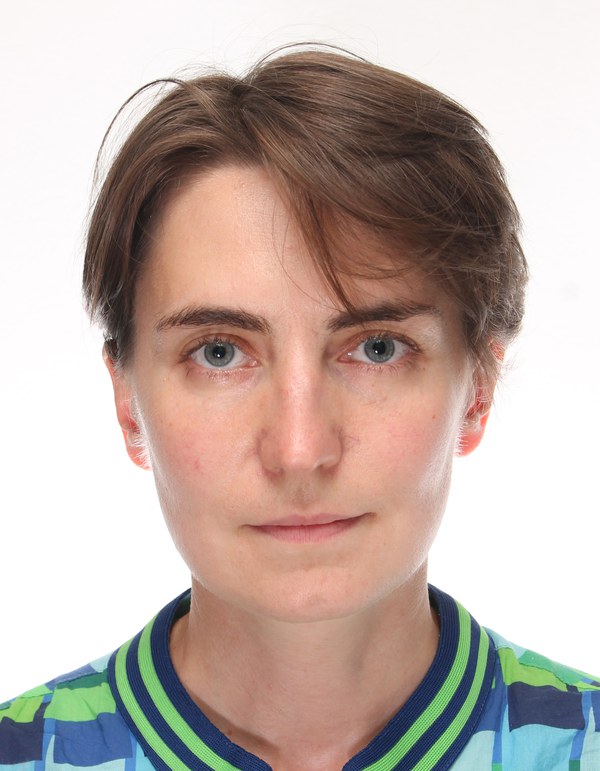
Dr. Rumiana Dimova is a Professor and Group Leader at the Max Planck Institute of Colloids and Interfaces in Potsdam, Germany. She leads the Biophysics Lab focused on Sustainable and Bio-inspired Materials, with particular emphasis on biomembranes and giant vesicles as model systems. She also holds a Privatdozent position in Biophysics at Potsdam University since 2014 and completed her Habilitation there in 2012. Dr. Dimova has been a Group Leader at the Max Planck Institute since 2000 and a Staff Scientist since 2005. Her research focuses on using giant lipid vesicles as a biomimetic tool to directly observe membrane behavior at cell-size scales. Her work explores membrane properties, membrane wetting, budding and tubulation, vesicles in electric fields, and ATPS vesicles. She has made significant contributions to understanding how biomolecular condensates interact with membranes, membrane remodeling, and the effects of various conditions on membrane mechanics. Her recent publications (2023-2025) show a strong focus on biomolecular condensates and their interactions with membranes, membrane asymmetry, photoswitchable lipids, and the electromechanical properties of biomimetic membranes. These works span biophysics, soft matter physics, membrane biology, and biomimetic materials science, with particular attention to membrane wetting phenomena, curvature generation, and phase separation effects. Dr. Dimova has received several prestigious awards for her work: Thomas E. Thompson award of the Biophysical Society (2023) for excellent work on membrane rigidity and tension, membrane curvature and membranes in electric fields Liesegang Prize of the German Colloid Society (2021) for work on lipid bilayers and biomembranes Emmy Noether distinction for women in physics from the European Physical Society (2014) Dr. Dimova has organized several conferences including Biomembrane Days in Berlin (2019, 2016, 2014), served as Chair of the Membrane Structure and Assembly Subgroup of the Biophysical Society (2017), and has given numerous invited talks worldwide. Her lab maintains extensive international collaborations across Germany, France, USA, Spain, Bulgaria, China, Argentina, Israel, and Austria, reflecting the interdisciplinary nature of her research.