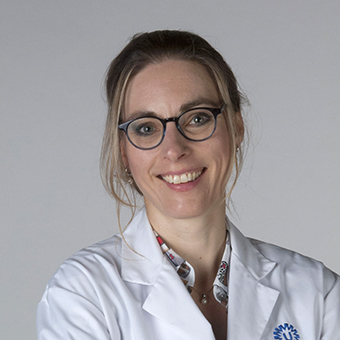
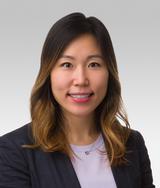
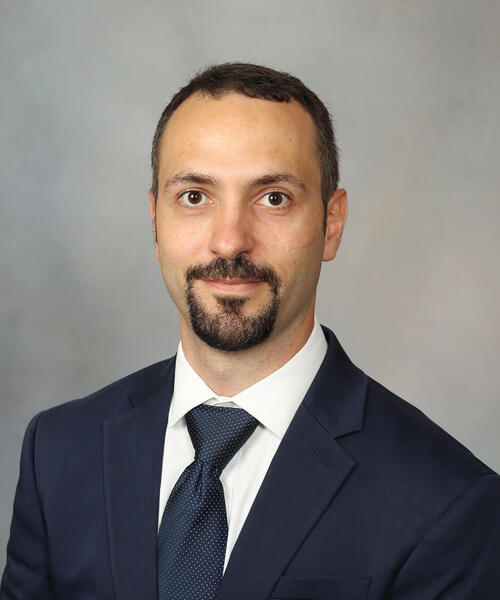
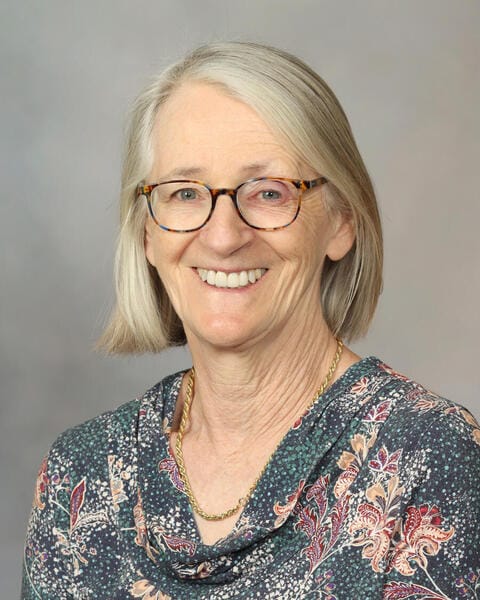
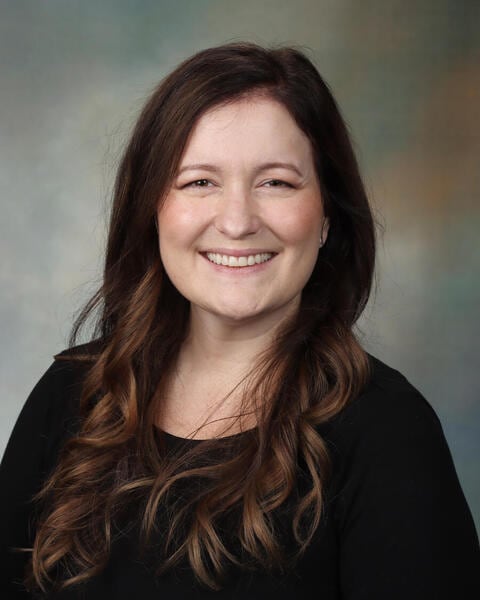
Karin van Galen is an Assistant Professor in medical research at the Utrecht University Medical Center, focusing on inherited bleeding disorders. She works within the Child Health strategic program and specializes in hematology, particularly Von Willebrand disease and hemophilia. Her clinical role as a Consultant Hematologist includes treating benign hematological conditions and leading post-doctoral research on pregnancy-related bleeding and heavy menstrual bleeding in adolescents. Research Interests: She aims to improve patient care through multidisciplinary studies, including physiotherapy and nursing interventions, and novel treatment modalities for bleeding disorders. Her work addresses joint bleeding, pregnancy outcomes, and adolescent menstrual health, with a strong advocacy focus for women and girls. Scientific Contributions: Recent publications highlight her expertise in bleeding disorders during pregnancy, sports-related bleeding risks, and diagnostic testing limitations. She collaborates on international studies and supervises PhD students. Advocacy and Leadership: Karin van Galen is a prominent advocate for women's health in bleeding disorders and contributes to clinical guidelines and research frameworks.
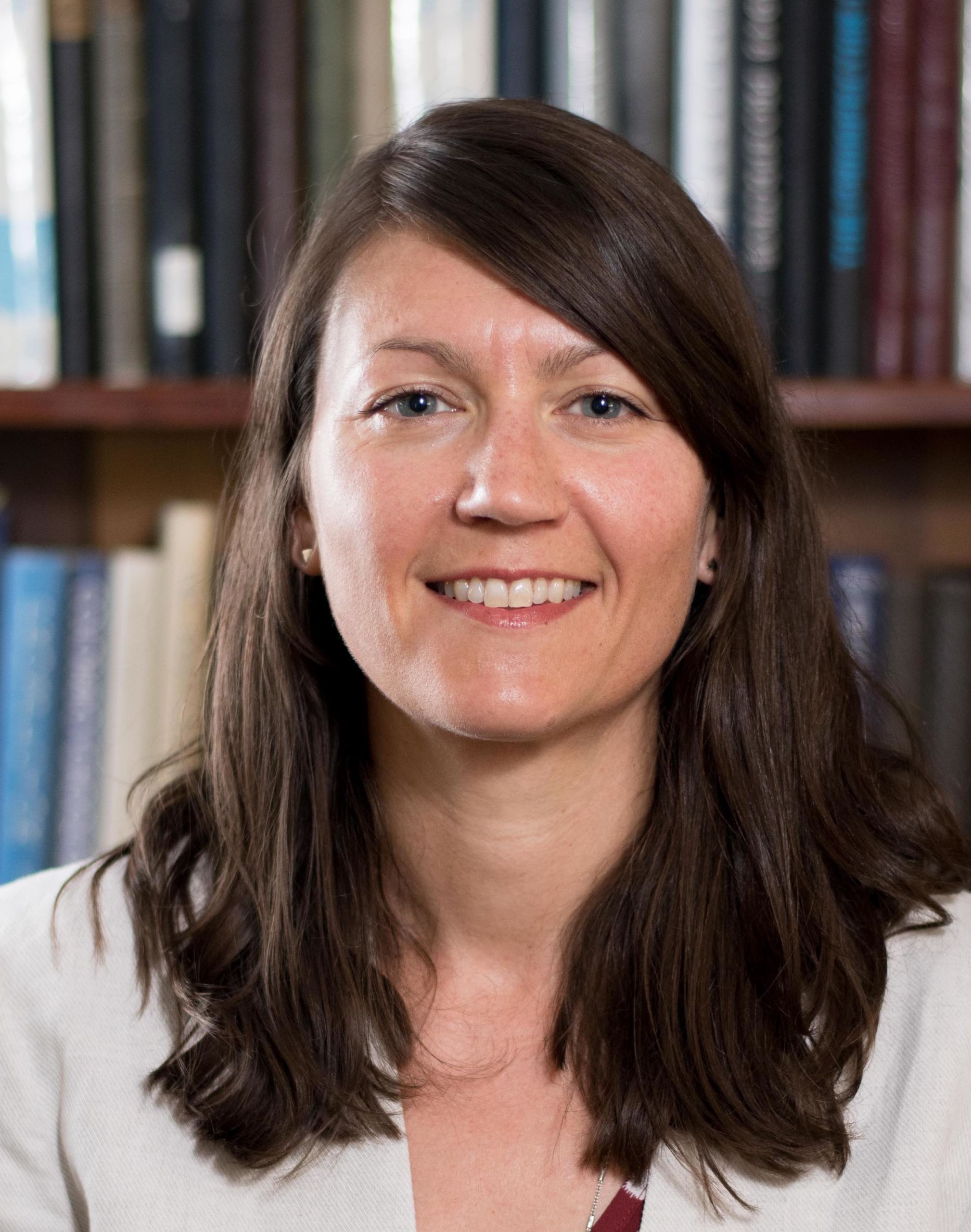
Karin Leiderman, PhD, is an Associate Professor in the Department of Mathematics and a member of the UNC Lineberger Comprehensive Cancer Center. She also holds appointments in the Department of Biochemistry and Biophysics and the Computational Medicine Program at the University of North Carolina at Chapel Hill. Her research integrates mathematical modeling, computational simulations, and experimental approaches to study biochemical and biophysical mechanisms in blood coagulation, clot formation, and bleeding disorders with applications in hemophilia and cancer-associated thrombosis. She leads the Leiderman Research Group, which develops open-source software frameworks like clotFoam for simulating thrombus formation under flow. Recent publications highlight her work on: Mathematical analysis of anticoagulant drugs (emicizumab, concizumab) and their impact on coagulation Computational modeling of lipid surface enzyme kinetics and HIV-1 Env protein binding Development of multiscale models for hemostasis and thrombosis Scientific awards include: NSF CAREER Award (2020) Colorado School of Mines Faculty Excellence Award (2021) W.M. Keck Graduate Student Mentorship Award (2020) Invited State-of-the-Art Speaker at ISTH (2022) Dr. Leiderman has mentored numerous graduate and undergraduate students, including Jamie Madrigal (PhD, UNC), Kenji Miyazawa (PhD, UNC), and Nicholas Danes (PhD, Colorado School of Mines). Her research is supported by NIH R01 funding and focuses on contextualizing findings across mathematical and biological communities.
M. Ryan Smith serves as Associate Professor of Emergency and Critical Care within the Department of Veterinary Clinical Sciences at Louisiana State University's School of Veterinary Medicine. His clinical and research expertise centers on veterinary anaphylaxis management and coagulation disorder evaluation, with particular focus on viscoelastic testing applications in emergency settings. Dr. Smith's educational foundation includes: DVM, Louisiana State University, 2009 His research program investigates the pathophysiology of canine anaphylaxis, hemostatic derangements in critical illness, and point-of-care coagulation testing methodologies. Current projects examine trauma blood product applications and coagulation parameter stability in processed blood samples, directly addressing clinical challenges in veterinary emergency medicine. This work bridges basic physiological principles with practical diagnostic and therapeutic approaches for acute care scenarios. Analysis of Dr. Smith's publication record (2020-2024) reveals consistent contributions to veterinary emergency medicine literature, with increasing methodological sophistication from case reports to multi-year clinical studies. His work predominantly appears in specialty journals like Journal of Veterinary Emergency and Critical Care and Frontiers in Veterinary Science , focusing on clinically actionable insights for anaphylaxis management and coagulation testing. Dr. Smith's scholarly recognition includes: Multiple Dean's Teacher Merit Honor Roll awards (2019-2023) 2021 Third Place in Student Clinical Research (Phi Zeta Research Emphasis Day) His research program maintains active funding through industry partnerships (Cellphire, Inc.) and institutional programs (LSU CORP, NIH Veterinary Scholars). Current grants support trauma blood product trials, coagulation testing validation, and anaphylaxis epidemiology studies. Dr. Smith actively mentors student researchers through structured programs that integrate clinical observations with laboratory investigations. Within the Department of Veterinary Clinical Sciences, Dr. Smith leads research initiatives focused on advancing emergency coagulation diagnostics and anaphylaxis protocols. His team collaborates across disciplines to translate research findings into clinical practice improvements, maintaining strong connections between the School of Veterinary Medicine's teaching hospital and research enterprise.
Dr. Kyrtania Pather serves as a Lecturer in the Department of Family Medicine at the University of the Witwatersrand, Johannesburg. Her academic appointment bridges clinical medicine and translational research within South Africa's premier medical faculty. Her research program spans two critical domains: Oncology-Hematology Interface : Investigating how breast cancer hormone therapies (tamoxifen/anastrozole) induce hypercoagulation through estrogen receptor pathways, with implications for cancer-associated thrombosis Medical Education Innovation : Developing gamified interventions to combat antimicrobial resistance through behavioral change strategies Dr. Pather's publication record demonstrates consistent output in high-impact journals including Scientific Reports and Thrombosis Research, showing evolving focus from mechanistic cancer studies (2019-2022) toward educational applications (2023-2024). Her work reveals expertise in secretomics, ex vivo modeling, and educational intervention design. As a Family Medicine lecturer, she contributes to clinical training while maintaining active research in cancer complications and antimicrobial stewardship education. Her position enables direct translation of research findings into medical curricula and clinical practice guidelines at Wits' affiliated teaching hospitals.
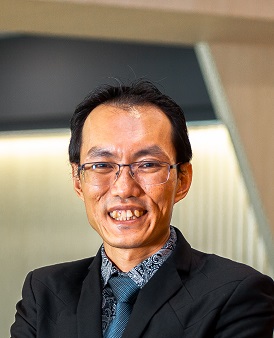
Dr. Chong Kok Hing serves as a Senior Lecturer in the Faculty of Engineering, Computing and Science at Swinburne University of Technology Sarawak campus. His academic credentials include a PhD in Mechanical Engineering from Universiti Malaysia Sarawak (UNIMAS), along with Bachelor of Engineering (Hons) and Master of Engineering degrees from the same institution. As a registered Professional Engineer with the Board of Engineers Malaysia and Chartered Engineer with the Institution of Mechanical Engineers (UK), he bridges academic theory with professional engineering practice. Dr. Chong's research program focuses on critical energy challenges, particularly in thermal fluids, renewable energy systems, biomass combustion technologies, and sustainable energy management. His work demonstrates strong regional relevance with emphasis on energy-efficient building solutions for Sarawak, as evidenced by his SRDC-funded project 'Towards Energy-Efficient Buildings in Sarawak.' His research integrates computational modeling with experimental validation across diverse applications from HVAC systems to biomass-to-energy conversion. The publication analysis reveals a consistent research trajectory with 11 publications between 2014-2021, primarily in mechanical engineering and energy journals. His work shows increasing focus on renewable energy applications, with 6 of his 11 publications appearing in 2021 alone. The research spans fundamental materials science (composites, fracture mechanics) to applied building services engineering (smoke control, ventilation systems), demonstrating both breadth and depth in mechanical engineering applications. Winner, Innovate Malaysia Design Competition (Shell Design Challenge) 2019 Success in Phase 3 Shell Eco-marathon Asia 2020, Malaysia Adobe Innovation Grant recipient 2021 Swinburne Sarawak Learning and Teaching Grant recipient 2020 Dr. Chong maintains active supervision of research students, with opportunities available in thermal fluids, renewable energy, and sustainable energy management. His research program is supported by multiple grants including the SRDC Catalyst Grant 2020, Adobe Innovation Grant 2021, and IEEE Humanitarian Activities Committee grant 2021, indicating strong funding support for his research directions. His professional memberships with IMechE, BEM, and ASHRAE provide valuable industry connections for student projects and research collaborations.
Professor Radoslav Gajanin is a full Professor at the Faculty of Medicine, University of Banja Luka, specializing in Pathological Anatomy. Elected to his current rank on July 6, 2015, he teaches across all academic cycles in disciplines including Histology, Embryology, Pathological Anatomy, and Oncological Pathology. His research focuses on molecular pathology, cancer biomarkers, and pharmacological interventions in disease models. Professor Gajanin has published extensively since 2000, with recent work (2023-2025) appearing in high-impact journals such as INTERNATIONAL JOURNAL OF MOLECULAR SCIENCES and Frontiers in Pharmacology. His research examines molecular mechanisms in cancer, organ protection strategies, and genetic factors in disease. His publication trends show consistent contributions to pathology, with increasing focus on molecular biomarkers and translational research in recent years. His work spans multiple organ systems including breast, lung, gastrointestinal tract, and endocrine tissues, with applications to both diagnosis and therapeutic development. Professor Gajanin actively supervises students at all academic levels and has contributed to numerous collaborative research projects. His teaching and research activities demonstrate a strong commitment to advancing medical education and pathology research at the University of Banja Luka. His laboratory work involves histopathological analysis, molecular techniques, and animal models of disease, supporting both his research and educational missions. Through his extensive publication record and teaching responsibilities, Professor Gajanin has established himself as a leading figure in pathology education and research in the region.
Paul F Lindholm, MD is a Professor and Director of Hemostasis in the Department of Pathology at Northwestern University Feinberg School of Medicine, specializing in transfusion medicine, hemostasis disorders, and prostate cancer research with significant contributions to platelet function testing and cancer cell invasion mechanisms. Education: MD: University of Minnesota (1983) Residency: Univ. of Minnesota Hospital & Clinic, Pathology and Laboratory Medicine (1988) Fellowship: National Cancer Institute, National Institutes of Health, Molecular Virology (1994) Research Focus: Dr. Lindholm's primary research spans hemostasis/thrombosis and prostate cancer biology. His hemostasis work demonstrates that reversing antiplatelet therapy improves outcomes in intracerebral hemorrhage patients, utilizing ROTEM viscoelastic testing and platelet function assays. In cancer research, he identified RhoA/NF-κB pathways driving prostate cancer invasion through monocyte cross-communication involving MCP-1 cytokines. Publication Trends: Recent work (2024-2025) emphasizes clinical hemostasis applications, including red blood cell transfusion optimization, biomarkers for hematoma expansion prediction, P2Y12 inhibitor impacts on stroke, and RhD phenotype management strategies, reflecting translational focus on improving bleeding disorder treatments and transfusion safety. Awards: Co-Investigator, Northwestern Medicine Academy for Quality and Safety Improvement (2022) CHilled Platelet Study (CHIPS), Sub-Investigator (2022) Quality Practices Committee Service Recognition, College of American Pathologists (2021) Grants & Collaborations: Leads NIH-funded studies on intracerebral hemorrhage biomarkers with Drs. Naidech and Kwaan, demonstrating platelet dysfunction links to hemorrhage expansion. Previously managed national grants investigating prostate cancer invasion mechanisms and tumor microenvironment interactions, with ongoing projects on antiphospholipid antibodies with Dr. Ming Zhao. Laboratory & Teams: Directs Northwestern's hemostasis laboratory performing platelet function assays and ROTEM testing for bleeding disorder management. Contributes to transfusion medicine initiatives evaluating thrombosis risk factors, coagulation factor replacement, and innovative platelet transfusion protocols through collaborations with the College of American Pathologists and Hemostasis and Thrombosis Research Society.
Debbie Lee, MD serves as an Assistant Professor in the Department of Physical Medicine and Rehabilitation at Northwestern University's Feinberg School of Medicine, with clinical affiliations at Shirley Ryan AbilityLab and Northwestern Memorial Hospital. Her educational pathway includes: BSN: University of Pennsylvania (2008) Other: Bryn Mawr College (2011) MD: Stony Brook University Medical School (2016) Intern: NYU Winthrop Hospital, Internal Medicine (2017) Residency: Northwestern University/Shirley Ryan Abilitylab, PM&R (2020) Fellowship: University of Colorado, Pain Medicine (2021) Dr. Lee's research integrates clinical pain management with rehabilitation medicine , focusing on interventional spine procedures, diagnostic challenges in complex musculoskeletal disorders, and endocrine complications of pain interventions. Her work bridges procedural expertise with educational innovation in pain medicine training. Recent publications (2020-2024) reveal a dual trajectory: clinically-oriented case studies addressing rare complications in interventional pain management (e.g., Quebec Platelet Disorder, adrenal suppression), alongside leadership in medical education frameworks like the Pain Medicine Milestones 2.0 initiative. This reflects her commitment to both patient-specific problem solving and systemic improvements in specialty training. Her professional recognition includes: Outstanding Teacher Award (Feinberg School of Medicine, 2024) Sarah Baskin Resident Research Award (Shirley Ryan Abilitylab, 2021) Walter E. Heller Chief Resident Award (Shirley Ryan Abilitylab, 2019) Dr. Lee actively shapes her field through national leadership roles including the ACGME Pain Medicine Milestone Working Group, AAPM&R Education Content Advisory Committee, and the AAMC Resident Fellow Council. Her clinical practice emphasizes complex pain rehabilitation within the Shirley Ryan AbilityLab ecosystem. She maintains active membership in key professional societies: International Pain and Spine Intervention Society (IPSIS), Association of Academic Physiatrists (AAP), and American Academy of Physical Medicine & Rehabilitation (AAPM&R), driving collaboration across rehabilitation and pain medicine domains.
Faruk Serhatlioglu serves as Assistant Professor and Head of the Department of Cardiovascular Surgery within the Department of Surgical Medical Sciences at Nigde Omer Halisdemir University's Faculty of Medicine. His clinical and academic work focuses on advancing cardiovascular surgical techniques and outcomes. His educational background includes: Medical Specialization in Cardiovascular Surgery, Erciyes University (2001-2007) M.D., Trakya University, Faculty of Medicine (1990-1996) Dr. Serhatlioglu's research centers on biomarker validation in coronary artery disease, vascular thrombosis mechanisms, and surgical complication management. His work bridges laboratory findings with clinical applications, particularly in inflammatory markers for disease severity assessment and innovative solutions for complex vascular cases like carotid body tumors and hemodialysis access complications. He frequently employs case report methodology to document rare presentations. Analysis of his 15 most recent publications reveals evolving expertise from foundational studies on cardiopulmonary bypass (2014-2016) toward contemporary biomarker research (2023-2024). Current work emphasizes immune-inflammation metrics in saphenous vein graft disease and glucose-lymphocyte ratios for coronary severity stratification, demonstrating consistent focus on improving diagnostic precision in vascular pathologies. With over 20 peer-reviewed publications spanning SCI-expanded, Scopus, and national journals, his contributions enhance understanding of cardiovascular surgical outcomes and complications across diverse patient populations.
Enes Karaman serves as a Lecturer in the Department of Gynecology and Obstetrics at Niğde Ömer Halisdemir University's Faculty of Medicine, where he concurrently holds the position of Head of Department starting in 2025. His research program focuses on critical intersections of reproductive medicine, gynecological surgery, and obstetrics, with particular emphasis on ovarian reserve preservation, infertility mechanisms, and the physiological impacts of environmental stressors and medical interventions on female reproductive health. His educational trajectory includes a Licence in Medicine from Hacettepe University (2008-2015), Medical Specialization in Obstetrics/Gynaecology from Erciyes University (2022) with thesis on hyperbaric oxygen and metformin effects in ovarian torsion, and ongoing Doctorate studies in Histology-Embryology at Erciyes University (2023-). Complementing this, he holds dual Associate Degrees in Justice (Atatürk University, 2014-2016) and Labor/Veterinary Health (Anadolu University, 2013-2016). Dr. Karaman's research expertise spans reproductive toxicology , ovarian physiology , and molecular gynecology , demonstrated through extensive investigations into vaccine impacts on fertility, boron's protective effects against chemotherapy toxicity, and biomarker discovery in endometrial carcinoma. His methodological approach integrates rat models with clinical trials and bioinformatics, particularly examining ischemia-reperfusion injury, oxidative stress pathways, and hormonal regulation in conditions like PCOS and endometriosis. Recent work reveals sophisticated analysis of environmental toxin interactions (ethanol, nonylphenol) with reproductive tissues and innovative exploration of nutraceutical interventions (boric acid, pergol) for fertility preservation. Analysis of his 15 most recent publications (2023-2025) demonstrates three dominant research streams: (1) Experimental therapeutics for ovarian protection using hyperbaric oxygen, metformin, and boric acid; (2) Molecular diagnostics for gynecological cancers through biomarker discovery; and (3) Clinical epidemiology of reproductive health impacts from vaccines, environmental factors, and healthcare system variables. His work consistently bridges basic science with translational applications, featuring rigorous histopathological validation and innovative statistical approaches like CHAID analysis. Securing multiple Higher Education Institution grants, Dr. Karaman currently leads eight active research projects including boron treatment for endometriosis, metabolic syndrome in PCOS, and HPV's psychological impacts, while completing seven vaccine and torsion-related studies. His editorial contributions to six international health science publications and collaborative projects with institutions like Erciyes University demonstrate significant academic leadership beyond direct research output.
Dr. Ahmad H. Al-Huniti is a dedicated pediatric hematologist-oncologist at Mayo Clinic College of Medicine, specializing in Pediatric Hematology/Oncology within the Mayo Clinic Comprehensive Cancer Center and Children's services. Based in Rochester, Minnesota, he provides clinical care through the Bone Marrow Transplant Program with expertise spanning bleeding and clotting disorders in children. His research interests focus on pediatric hemostasis and thrombosis , with significant contributions to understanding hemophilia, von Willebrand Disease, platelet disorders, and vascular anomalies. Dr. Al-Huniti has pioneered work on mental health aspects in children with bleeding disorders and quality of life measurement in clinical practice. His publication record shows increasing productivity with multiple high-impact systematic reviews and clinical studies from 2024-2025. His scholarly work demonstrates strong methodological expertise in systematic reviews and meta-analyses, with recent publications addressing critical clinical questions in anticoagulation prophylaxis for pediatric kidney transplant patients, iron deficiency in athletes, and innovative treatments for bone marrow failure syndromes. His research bridges hematology, nephrology, cardiology, and sports medicine. CanMED Teacher, Medical Expert, and Professional Awards (2019-2020) HTRS Research Colloquium Travel Award and Trainee Workshop Award (2017-2018) Multiple resident awards including Smartest Resident and Hardest Working Resident (2014-2016) Board-certified in Pediatrics and Pediatric Hematology-Oncology Active member of ASH, ASCO, ASHOP, and ISTH Dr. Al-Huniti maintains active involvement in medical education and mentorship for students, residents, and fellows while advancing pediatric hematology research. His clinical practice encompasses comprehensive management of bleeding disorders, anticoagulation therapy, and vascular anomalies with emphasis on holistic patient care that addresses both medical and psychosocial needs.
Dr. Marian T. McEvoy is a distinguished Professor of Dermatology at Mayo Clinic College of Medicine and Science, specializing in pediatric dermatology with expertise in psoriasis, phototherapy, and cutaneous T-cell lymphoma. She directs the Phototherapy Program at Mayo Clinic Rochester and has held numerous leadership positions within the Department of Dermatology since joining the institution. Her research interests span pediatric inflammatory skin disorders, phototherapy applications, psoriasis and its systemic implications, cutaneous lymphoma, and sun sensitivity conditions. Dr. McEvoy has made significant contributions to understanding the cardiovascular comorbidities of psoriasis, calciphylaxis management, and drug-induced hypersensitivity reactions. With publications spanning from 1989 to 2025 , her scholarly work demonstrates consistent contributions to dermatological literature, particularly in clinical dermatology, phototherapy applications, and inflammatory skin conditions. Her recent publications focus on diagnostic differentiation of psoriasis, vancomycin-induced hypersensitivity, and calciphylaxis management. Professional recognition includes: Fellowship Royal College of Physicians of Ireland (2010) Excellence Through Teamwork Award from Mayo Clinic (1998) Teacher of the Year in Dermatology (1994) Roy S. Rogers III Travel Award for Excellence in Patient Care (1988) Dr. McEvoy maintains active roles in multiple professional organizations including the American Academy of Dermatology, National Psoriasis Foundation, and British Society for Pediatric Dermatology. She has served on numerous committees related to photobiology, psoriasis, and clinical dermatology practice. As Director of the Phototherapy Program since 1993, she oversees this critical treatment modality for various inflammatory skin conditions while continuing to advance research in light-based therapies and their applications in complex dermatological cases.
Dr. Erica A. Loomis is an Assistant Professor of Surgery at Mayo Clinic College of Medicine and Science and a consultant in the Division of Trauma, Critical Care and General Surgery in Rochester, Minnesota. She holds leadership roles including Vice Chair of the Department of Surgery (2020-2025), Medical Director of Saint Marys Outpatient, and Practice Chair for Trauma Critical Care and General Surgery. Her affiliations span multiple committees focused on trauma care quality, transfer protocols, and electronic health systems. Her research integrates clinical surgery with healthcare systems innovation, focusing on: Acute care surgery and traumatic injury management Optimization of hospital census and patient flow Surgical readmission reduction strategies Trauma fluid resuscitation protocols Recent publications demonstrate a strong focus on COVID-19 biomarkers in trauma patients, thromboinflammatory responses, natural orifice endoscopic surgical techniques, and outcomes improvement for cardiovascular device infections. Her work frequently appears in high-impact surgical journals. Honors include: Jon A. van Heerden Award (2011) SAGES Researcher in Training Award (2010) Balfour Surgical Research Award (2008) Alpha Omega Alpha induction (2004) She mentors through the Association of Women Surgeons and oversees quality improvement initiatives in trauma care. Her committee leadership includes the Epic Trauma Surgery Board and ACS Board of Governors, driving advancements in surgical protocols and patient transfer systems.
Dr. Leslie J. Padrnos is an Assistant Professor of Medicine at Mayo Clinic College of Medicine in Phoenix, Arizona, specializing in Hematology and Medical Oncology with particular expertise in nonmalignant hematology. She serves in multiple leadership roles including Chair of the Mayo Arizona Multidisciplinary Bleeding Meeting, Chair of the Non-Malignant Hematology Conference, and Chair of the Coagulation and Thrombosis Board. As Core Faculty for the Hematology Oncology Fellowship program, she plays a significant role in medical education and resident supervision. Dr. Padrnos's research focuses on thrombosis and hemostasis conditions, with particular emphasis on complex thrombotic disorders, cancer-associated thrombosis, and bleeding disorders. Her clinical work integrates comprehensive medical knowledge with psychological management and patient education to optimize individual patient outcomes. She has published extensively on topics including anticoagulation therapy, venous thromboembolism, and hematologic complications of cancer and other conditions. Her recent publications demonstrate significant contributions to the understanding of thrombosis in the context of emerging health challenges including the COVID-19 pandemic, with research on vaccine-related thrombotic events and optimal anticoagulation strategies. Her work spans both clinical research and educational interventions aimed at improving patient outcomes and knowledge. 2024 ASH Ambassador Faculty with Student Interest Group Subcommittee, American Society of Hematology 2023 Medical Educators Institute, American Society of Hematology 2020 Hematology Oncology & Palliative Medicine Teacher of the Year Award 2017 Mayo Clinic Scholar, Seattle Cancer Care Alliance 2016 Clinical Research Training Institute, American Society of Hematology 2016 Chief Hematology Oncology Fellow Dr. Padrnos supervises Internal Medicine residents during their hematology rotations and mentors hematology/oncology fellows through her Core Faculty role. She has developed meaningful clinical programs focused on bleeding disorders and thrombosis management, with particular attention to patient-centered care approaches that incorporate individual goals and values. Her leadership extends to multiple committees including the Pharmacy and Therapeutic Subcommittee and the Scientific and Standardization Committee on Hemostasis and Malignancy with the International Society of Thrombosis and Hemostasis. She leads the Non-Malignant Hematology and Thrombosis Research Group at Mayo Clinic Arizona, focusing on clinical research that bridges the gap between laboratory findings and patient care. Her team investigates optimal management strategies for complex thrombotic conditions and bleeding disorders, with particular attention to cancer-associated thrombosis and anticoagulation selection.
Dr. Ulrich Broeckel is a Professor and Chief of the Division of Genomic Pediatrics at the Medical College of Wisconsin. He serves as Research Unit Leader for Genetics and Genomics at the Children's Research Institute and maintains membership in three major research centers: the Cancer Center, the Cardiovascular Research Center, and the Mellowes Center for Genomic Sciences and Precision Medicine. His extensive academic contributions span multiple disciplines within genomic medicine. Dr. Broeckel's research focuses on cardiovascular genomics, pharmacogenetics, and structural variant analysis. His work encompasses genome-wide association studies of cardiovascular traits, genetic factors in drug response, and the development of genomic reference materials. He investigates how genetic variation influences blood pressure regulation, coagulation factors, and drug-induced cardiotoxicity, with recent work utilizing hiPSC-derived cardiomyocytes for personalized medicine applications. His methodological expertise includes whole genome sequencing, GWAS, exome analysis, DNA copy number variation analysis, and high-throughput nucleotide sequencing. Analysis of Dr. Broeckel's recent publications (2023-2024) reveals three major thematic areas: 1) Development of pharmacogenomic reference materials (DPYD, CYP2D6, CYP3A4/5), 2) Cardiovascular genomics including polygenic risk scores for blood pressure response, and 3) Application of hiPSC-derived models for studying drug responses. His work consistently emphasizes practical applications of genomic discoveries with strong representation in high-impact collaborative studies through the TOPMed Consortium. Dr. Broeckel's research has significant translational impact, particularly in pharmacogenomics where his work directly informs clinical testing guidelines. His development of reference materials for genetic testing has practical applications in clinical laboratories. The work on polygenic risk scores for blood pressure response and cardiotoxicity prediction has direct implications for personalized medicine approaches in cardiology and oncology. Dr. Broeckel is deeply embedded in major national collaborative research networks, particularly the NHLBI Trans-Omics for Precision Medicine (TOPMed) Consortium. He has contributed to numerous multi-institutional projects including the GeT-RM Collaborative Project focused on pharmacogenetic reference materials. His authorship on papers with dozens of co-authors across multiple institutions demonstrates extensive national and international collaboration in large-scale genomic studies.