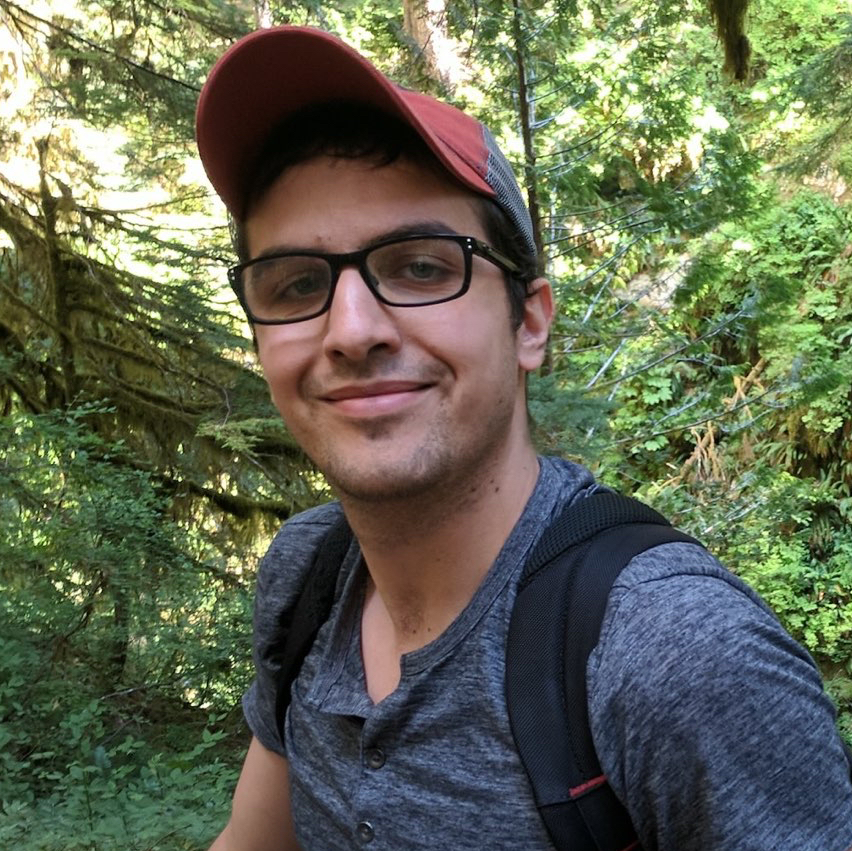
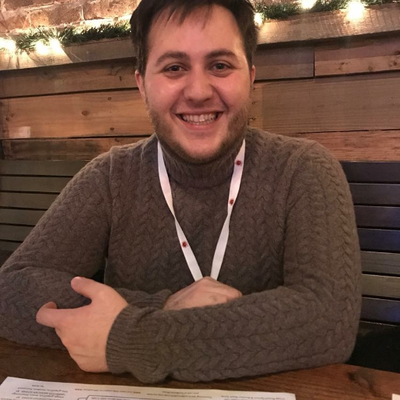
Christopher Seet is a researcher at the University of California, Los Angeles (UCLA), affiliated with the Department of Microbiology, Immunology & Molecular Genetics and the School of Medicine. His work focuses on cancer immunotherapy, stem cell engineering, and mechanisms of viral persistence. Research interests include: Engineering allogeneic CAR-NKT and CAR T cells from hematopoietic and pluripotent stem cells Understanding HIV latency reversal and reservoir dynamics Epigenetic regulation in leukemia stem cells Artificial thymic organoid systems for T cell differentiation Recent publications highlight advancements in: CRISPR-based correction of immunodeficiencies Epigenetic and cytokine-driven modulation of immune cell therapies Targeting alternative splicing-derived neoantigens in cancer Seet collaborates extensively with the Crooks, Kohn, and Ribas labs at UCLA, contributing to clinical translation of stem cell-derived immunotherapies.
Paul Spellman is a Professor in the Department of Human Genetics at the David Geffen School of Medicine, University of California, Los Angeles (UCLA). His research program focuses on applying genomic and computational technologies to improve human health, with particular emphasis on improving outcomes for cancer patients. His laboratory's work spans the entire spectrum from technology and method development, to application of these technologies to answer critical questions in cancer biology, to population studies examining the impact of genetic variation on disease, and to implementation trials that directly impact patient health. Dr. Spellman's research interests prominently include Cancer Biology, Genetics, Genomics, Precision Medicine, and Computational Biology. His laboratory is currently engaged in systematic analysis of genetic and gene regulation information in clinical cohorts as part of the Genome Data Analysis Network, and a clinical trial implementing genetic health screening for hereditary breast and ovarian cancer and Lynch syndromes. Additional areas of active investigation include polygenic risk implementation and modeling, precision medicine approaches, and understanding the molecular biology of cellular replication. Analysis of Dr. Spellman's recent publications reveals a strong focus on cancer genomics, with particular emphasis on tumor heterogeneity, liquid biopsy technologies, and computational approaches to understanding cancer evolution. His research spans multiple cancer types including breast, prostate, pancreatic, and renal cancers, with significant contributions to The Cancer Genome Atlas project. His work increasingly integrates population health perspectives with molecular analysis to bridge the gap between basic science discoveries and clinical implementation. Dr. Spellman has made significant contributions to the field through his leadership in large collaborative projects and his extensive publication record. His research has been consistently funded, supporting both basic science investigations and translational clinical applications. As a mentor, Dr. Spellman has advised numerous students and postdoctoral fellows who have gone on to establish their own research programs. His laboratory provides training in both computational and experimental approaches to cancer genomics, preparing the next generation of researchers to tackle complex problems at the intersection of biology and data science.
Professor Sunil Lakhani is a leading Molecular Breast Pathologist at the University of Queensland Centre for Clinical Research (UQCCR) and Executive Director of Research Pathology Queensland. He serves as a Conjoint Professorial Research Fellow and Staff Specialist in Anatomical Pathology. Formerly, he was Professor of Breast Pathology at The Institute of Cancer Research and The Royal Marsden Hospital in London, UK. His research focuses on lobular carcinoma , familial breast cancer , basal phenotype tumors , and therapeutic development for brain metastases . He leads the Molecular Breast Group and contributes to WHO Tumour Classification projects. His recent work explores extracellular vesicle nanomedicine , immune checkpoint markers , and molecular profiling for precision oncology. Key scientific contributions include serving as Series Editor for WHO Tumour Classification Books Editorial Board Member of pathology journals Co-developer of the LobSig prognostic model Prominent article themes: 2025 : ROS1 biomarkers, fibroepithelial lesion diagnostics, phyllodes tumor criteria 2024 : Epigenetic signatures, placental glucose response, PD-L1 scoring 2023 : ERK5 isoforms, DNA methylation in phyllodes tumors
Dr. Jeremy L. Davis is a Professor of Surgery at the University of Maryland School of Medicine, with a secondary appointment in Biochemistry & Molecular Biology. He serves as Chief of the Division of Surgical Oncology and is the Principal Investigator of the Precancer Genomics Lab. Dr. Davis is a board-certified surgical oncologist specializing in complex and rare cancers of the digestive tract and abdominal organs, performing operations on the stomach, liver, pancreas, and intestines using both traditional and minimally invasive techniques. Dr. Davis's research focuses on understanding cancer at its earliest stages, particularly studying the genomic landscape of precancerous cells and their microenvironment. His work seeks to identify vulnerabilities and unlock strategies for cancer interception. He is internationally recognized as a leader in the management of people with hereditary gastric and lobular breast cancers, with significant research on CDH1 gene mutations. His research spans multiple areas including gastric cancer, liver cancer, breast cancer, and molecular mechanisms of cancer development. Dr. Davis's publication record shows a consistent focus on surgical oncology, cancer genomics, and hereditary cancer syndromes. His recent work (2023-2025) demonstrates an increasing emphasis on single-cell analysis, multi-omic profiling, and spatial analysis of tumor microenvironments. His research bridges clinical practice with basic science, particularly in understanding how genetic mutations like CDH1 lead to cancer development and how these processes can be intercepted. Dr. Davis completed his MD at University of South Florida Morsani College of Medicine (2005), followed by residencies at Indiana University School of Medicine (2007, 2013), and fellowships at Memorial Sloan-Kettering Cancer Center and NCI Surgical Oncology Research and Immunotherapy program. He is board certified in Surgery (2013) and Complex General Surgical Oncology (2016).
Magdalena Götz is a Professor at Ludwig-Maximilians-Universität München and Director of the Institute of Stem Cell Research at Helmholtz Munich. She leads the Stem Cell Center Department and Neural Stem Cells research group, focusing on molecular mechanisms of neurogenesis and direct neuronal reprogramming. Chair of Physiological Genomics, LMU Biomedical Center Director, Institute of Stem Cell Research Head, Stem Cell Center Department Head, Neural Stem Cells Research Group Her research in molecular & developmental neuroscience explores neural stem cells, neurogenesis, brain injury repair, and direct neuronal reprogramming. Key discoveries include identifying radial glial cells as neural stem cells and pioneering glia-to-neuron conversion for brain repair. Recent work examines epigenetic remodeling, centrosome proteins, and human neural stem cell proteomics. Articles highlight advancements in neurogenesis mechanisms and therapeutic applications for brain injuries. Honors & Awards Gottfried Wilhelm Leibniz Prize (2007) Advanced ERC Grant (2014, 2020) Roger de Spoelberch Prize (2017) She mentors numerous PhD students and collaborates with institutions like GSN Scientific Board and Synergy Cluster. Her work bridges developmental biology with regenerative medicine, offering new hope for neurodegenerative diseases.
Oliver Bannard serves as Professor of Adaptive Immunity at the University of Oxford within the Nuffield Department of Medicine, leading the Bannard Group at the MRC Translational Immune Discovery Unit where he investigates B cell immunology and germinal center dynamics. His academic foundation includes a PhD completed in 2009 under Professor Douglas Fearon at the University of Cambridge, followed by postdoctoral training with Professor Jason Cyster at the University of California San Francisco. Professor Bannard's research centers on humoral immunity development, specifically examining how germinal centers facilitate antibody affinity maturation through iterative B cell mutation and selection. His work reveals critical mechanisms for generating high-affinity antibodies and long-lived plasma cells, with particular emphasis on B cell evolution , memory formation , and immune protection against pathogens . Current investigations explore cellular interactions during infection and vaccination responses using advanced immunological techniques. Analysis of his 2021-2023 publications shows consistent focus on germinal center microanatomy and function, spanning topics from plasma cell heterogeneity to macrophage-B cell crosstalk. These studies demonstrate interdisciplinary integration of cellular immunology , infection models , and systems approaches across high-impact journals including Cell and Immunity . His major recognition includes: Wellcome Senior Research Fellow As group leader since 2015, he mentors junior researchers while securing competitive funding including his Wellcome fellowship. His laboratory investigates fundamental immune processes with direct translational relevance for vaccine design and infectious disease interventions, maintaining active collaborations within Oxford's immunology community. The Bannard Group operates within the MRC Translational Immune Discovery Unit's collaborative ecosystem, utilizing advanced imaging and cellular analysis platforms to dissect germinal center mechanisms in health and disease contexts.
Peter Baumann is a Professor at the Institute for Molecular Biology (IMB) within Johannes Gutenberg University Mainz, Germany. His laboratory investigates fundamental mechanisms of chromosome biology with emphasis on telomere maintenance, meiotic processes, and evolutionary consequences of hybridization. The Baumann Lab operates from Ackermannweg 4, 55128 Mainz, and maintains active collaborations through DFG-funded initiatives including the SFB1361 consortium and the GeneEvo Research Training Group. Research interests center on three interconnected domains: (1) Telomerase biogenesis focusing on ncRNA subunit processing and regulatory mechanisms controlling telomerase activity; (2) Molecular triggers of parthenogenesis and clonal reproduction in vertebrates, particularly using Aspidoscelis lizards as model systems; (3) Hybridization and polyploidy effects on gene expression and fitness. His work bridges molecular mechanisms with evolutionary outcomes through innovative experimental approaches including in vitro evolution assays and synthetic speciation. Analysis of recent publications reveals consistent focus on telomerase RNA processing mechanisms across multiple model organisms, with increasing emphasis on evolutionary genomics of asexual vertebrate lineages. Key methodologies include fission yeast genetics, RNA biochemistry, and comparative cytogenetics of reptilian systems. EMBO Membership (2019) DFG Research Training Group 'Gene Regulation in Evolution' (GenEvo) Funding Baumann actively supervises doctoral researchers including Valentine Patterson and Lukas Ende (both joined 2019), with recent successful thesis defenses by Cameron. His laboratory participates in major collaborative grants including the SFB1361 consortium investigating chromosome organization. The research environment includes established protocols for fission yeast studies and specialized facilities for reptilian genomics. Lab activities documented through group photos, field excursions (lizard hunting, canoe trips), and scientific celebrations reflect an integrated research community focused on chromosome biology from molecular to evolutionary scales.
Bauke de Boer is a researcher at the University Medical Center Groningen, part of the University of Groningen, specializing in acute myeloid leukemia research. Their work contributes significantly to UN Sustainable Development Goals related to health and wellbeing, with a research fingerprint showing deep expertise in Myeloid Immunology (100%), Acute Myeloid Leukemia (68%), and Xenograft studies (68%). Dr. de Boer completed their PhD in 2020 with a thesis titled "Unraveling clonal heterogeneity in acute myeloid leukemia," demonstrating early expertise in AML complexity. Their research focuses on molecular mechanisms driving leukemia progression, particularly inflammatory signaling pathways and metabolic regulation in cancer cells. Analysis of their publication trends reveals a consistent focus on AML biology with three major research threads: 1) The IL1-IL1RAP inflammatory axis in the leukemic microenvironment, 2) Metabolic regulation through PDK1 in genetically distinct AML subtypes, and 3) Clonal heterogeneity and evolution in leukemia. These studies collectively aim to identify novel therapeutic targets for more effective AML treatments. Dr. de Boer maintains a robust collaborative network, frequently working with prominent researchers including E. Vellenga, J.J. Schuringa, G. Huls, and A.B. Mulder. Their publications in high-impact journals like Nature Communications and Haematologica demonstrate significant contributions to the field, with several papers receiving notable citations and media attention. As part of the University Medical Center Groningen's hematology research team, Dr. de Boer contributes to a comprehensive research program investigating leukemia biology from multiple angles, integrating molecular, cellular, and translational approaches to advance understanding and treatment of this aggressive blood cancer.
Daniel Neureiter is an Associate Professor and Senior Physician at the University Institute of Pathology (University of Salzburg). His research spans oncology, pathology, and molecular biology, with a focus on gastrointestinal and hematologic malignancies. Research Interests: Clonal evolution, chemotherapy, head and neck cancer, B cell lymphomas, circulating tumor DNA, and chemoradiotherapy. Scientific Awards: Recipient of six poster prizes from prestigious conferences including ACO-ASSO (2013), FALK Workshop (2009), and Austrian Hematology-Oncology Society (2009). Email: d.neureiter@salk.at
Petar Stojanov is a Research Fellow at the Broad Institute of MIT and Harvard , working under the supervision of Prof. Gad Getz. His academic journey includes a PhD in Computer Science from Carnegie Mellon University , where he was advised by Jaime Carbonell and Kun Zhang. Prior to his doctoral studies, he served as an associate computational biologist in the Getz Lab. Research Focus : Machine learning, computational biology, causal inference, and domain adaptation. Key Contributions : Applying causal discovery to genomic analysis of cancer mutations and single-cell RNA sequencing data. His work bridges computational methodologies with biological applications, particularly in understanding cancer progression through causal relationships. Notable Collaborations : Rheinbay et al. (Nature 2017), Haradhvala et al. (Cell 2016), Crompton et al. (Cancer Discovery 2014)
Romanos Sklavenitis-Pistofidis is an Instructor in Medicine at Harvard Medical School, Dana-Farber Cancer Institute (DFCI), and the Broad Institute of MIT and Harvard, specializing in plasma cell malignancy research with clinical and computational expertise. Education: MD with honors, Aristotle University of Thessaloniki, Greece Postdoctoral training, Dana-Farber Cancer Institute, Harvard Medical School, Broad Institute His research centers on immunooncology and genomic drivers of progression from premalignant states (MGUS, smoldering myeloma, Waldenström's) to active multiple myeloma. He integrates single-cell RNA sequencing , whole-genome analysis , and drug vulnerability screening to identify molecular mechanisms of disease evolution. Current projects focus on tumor microenvironment interactions, interferon signaling defects, and developing clinical-grade risk-stratification assays for early intervention. Analysis of his 14 publications (2020-2025) reveals a consistent trajectory toward high-resolution genomic characterization of precursor conditions, with increasing emphasis on single-cell technologies (7/14 papers) and immune biomarkers (5/14 papers). Key trends include clonal evolution mapping, therapeutic vulnerability identification in 1q-amplified myeloma, and microenvironmental dysregulation in asymptomatic disease stages. Awards: Young Investigator Award, International Myeloma Workshop Young Investigator Award, International Workshop for Waldenström’s Macroglobulinemia Young Investigator Award, Hellenic Society of Hematology Research Fellowship Award, Multiple Myeloma Research Foundation Robert A. Kyle Award, International Waldenström’s Macroglobulinemia Foundation Claudia Adams Barr Award for Innovative Basic Cancer Research Research is supported by grants from the Multiple Myeloma Research Foundation, International Waldenström’s Macroglobulinemia Foundation, and Claudia Adams Barr Program. He collaborates with the Ghobrial laboratory at DFCI on translational projects and mentors junior researchers in computational oncology. As a Fellow of the Broad Institute’s Research Communication Lab, he develops scientific outreach strategies and serves as an American Society of Hematology Ambassador for community engagement. He leads projects within the Broad Institute’s Cancer Program and DFCI’s LeBow Institute for Myeloma Therapeutics, focusing on minimally invasive diagnostics (MinimuMM-seq) and immune microenvironment characterization. Future work targets clinical implementation of genomic risk models and combination immunotherapy approaches for high-risk precursor disease.
Gad Getz is a Core Institute Member at the Broad Institute of MIT and Harvard, where he directs the Cancer Genome Computational Analysis Group. He serves as Professor of Pathology at Harvard Medical School and Director of Bioinformatics in the Krantz Family Center for Cancer Research and Department of Pathology at Massachusetts General Hospital (MGH). Getz holds the prestigious Paul C. Zamecnik Chair in Oncology at MGH, signifying his leadership in cancer research. His laboratory specializes in cancer genome analysis with two major components: characterization (cataloging genomic events during cancer evolution from normal cells through premalignancy to therapy resistance) and interpretation (analyzing these events across patient cohorts to identify cancer drivers and molecular subtypes). The lab develops computational tools that are part of robust analytical pipelines for national and international cancer genome projects. Current research focuses on cancer heterogeneity and clonal evolution across multiple cancer types Single-cell analysis of tumors and tumor microenvironment Drivers of resistance to cancer therapies Proteogenomic analysis of tumors Role of somatic mutations in normal tissues Getz co-leads the primary TCGA Genome Data Analysis Center and the Broad's Proteogenomics Data Analysis Center, having contributed to projects analyzing over 10,000 cancer samples through initiatives like TCGA and PCAWG. He previously served on the NCI's Cancer Moonshot Blue Ribbon Panel and co-led one of three NCI Cloud Pilots. His educational background includes a B.S. in physics and mathematics from Hebrew University, M.Sc. in physics from Tel-Aviv University, and Ph.D. in physics from the Weizmann Institute of Science. His postdoctoral training at the Broad Institute with Todd Golub focused on developing computational tools for miRNA expression analysis across cancers.
Irving Weissman is the Virginia & D.K. Ludwig Professor of Clinical Investigation in Cancer Research and Professor of Pathology and Developmental Biology at Stanford University . He serves as Director of the Institute of Stem Cell Biology and Regenerative Medicine (2003-2022) and holds memberships in multiple Stanford institutes including Bio-X, Cardiovascular Institute, Wu Tsai Neurosciences Institute, and Stanford Cancer Institute. MD, Stanford University (1965) BS, Montana State College (1961) Dr. Weissman's research spans stem cell biology , cancer immunology , and neurodegenerative disease modeling . His lab discovered: First identification of mouse and human hematopoietic stem cells (HSCs) Clonal evolution from HSC to leukemia stem cells CD47's role as 'don't eat me' signal in cancer Neural cell death mechanisms in colonial tunicates Vascular stem cell co-transplantation for ischemic rescue His recent publications focus on: CD47-SIRPα axis in platelet homeostasis Neural stem cell lineage characterization Immune surveillance in acute myeloid leukemia Stem cell aging and precancer pathways Advanced vascular regeneration techniques Scientific Honors : Member, National Academy of Sciences Member, American Academy of Arts and Sciences Over 20 major awards (1989-2011) Multiple honorary doctorates Founding roles in 8 biotech companies Dr. Weissman has mentored hundreds of students including: Postdoctoral fellows PhD candidates Medical student-scientists Graduate researchers His lab at Hopkins Marine Station investigates: Protochordate histocompatibility systems Stem cell transfer between organisms Evolution of innate immune surveillance
Anna Szekely, MD, is an Assistant Professor in the Department of Neurology at Yale School of Medicine and a key member of the Neurogenetics Program and Program in Neurodevelopment and Regeneration. Her work bridges clinical neurology and genetics with fundamental research in stem cell biology and genomic architecture. Semmelweis University Medical Degree (1980) Yale Neurology Residency (1997-2000) Yale Genetics Research Fellowship (2000) Dr. Szekely's research explores how genetic programs influence brain health and disease through three major avenues: Werner Syndrome Studies : Demonstrated WRN protein's role in oxidative DNA repair, linking aging mechanisms to stem cell genomic stability Human Stem Cell Modeling : Developed functional screens for neural differentiation pathways using hESCs/iPSCs, revealing novel transcripts and splicing dynamics Hypoxia Effects : Investigates oxygen environment impacts on neural stem cell function for brain repair applications Her 2023-2025 publications reveal trends in organoid modeling (autism, Tourette's), cell lineage analysis (mutation transmission), and neurogenetic disorders . Scientific awards include NIH-NIA K08 support (2000-2005) and Yale Pepper Center pilot funding. Clinical expertise spans memory disorders , movement disorders , and pediatric neurogenetics .
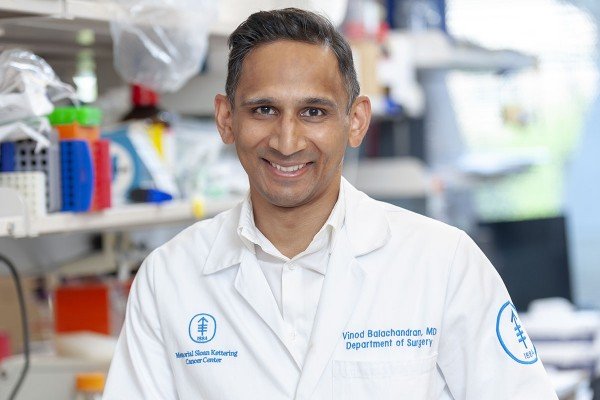
Vinod Balachandran is a Hepatopancreatobiliary Surgeon and Physician Scientist at Memorial Sloan Kettering Cancer Center (MSK), where he also serves as Director of The Olayan Center for Cancer Vaccines . His work bridges clinical surgery with groundbreaking research in pancreatic cancer immunotherapy , focusing on neoantigen vaccines and T cell immunity . Research Interests: Developing personalized RNA neoantigen vaccines to prime long-lived CD8+ T cells. Investigating ILC2s and tertiary lymphoid structures in tumor immunity. Understanding neoantigen quality and its role in immunoediting and survival. Scientific Awards: TIME100 Most Influential People in Health (2025) FNIH Trailblazer Prize for Clinician-Scientists (2023) NIH Paul Calabresi Career Development Award Damon Runyon Clinical Investigator Award Stand Up To Cancer Convergence Award Key Collaborations: Affiliated with the Parker Institute for Cancer Immunotherapy and involved in clinical trials combining mRNA vaccines with immunotherapy.