معرفی
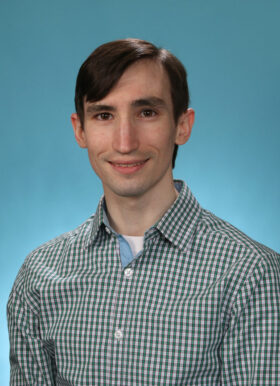
Oliver Bannard serves as Professor of Adaptive Immunity at the University of Oxford within the Nuffield Department of Medicine, leading the Bannard Group at the MRC Translational Immune Discovery Unit where he investigates B cell immunology and germinal center dynamics.
His academic foundation includes a PhD completed in 2009 under Professor Douglas Fearon at the University of Cambridge, followed by postdoctoral training with Professor Jason Cyster at the University of California San Francisco.
Professor Bannard's research centers on humoral immunity development, specifically examining how germinal centers facilitate antibody affinity maturation through iterative B cell mutation and selection. His work reveals critical mechanisms for generating high-affinity antibodies and long-lived plasma cells, with particular emphasis on B cell evolution, memory formation, and immune protection against pathogens. Current investigations explore cellular interactions during infection and vaccination responses using advanced immunological techniques.
Analysis of his 2021-2023 publications shows consistent focus on germinal center microanatomy and function, spanning topics from plasma cell heterogeneity to macrophage-B cell crosstalk. These studies demonstrate interdisciplinary integration of cellular immunology, infection models, and systems approaches across high-impact journals including Cell and Immunity.
His major recognition includes:
- Wellcome Senior Research Fellow
As group leader since 2015, he mentors junior researchers while securing competitive funding including his Wellcome fellowship. His laboratory investigates fundamental immune processes with direct translational relevance for vaccine design and infectious disease interventions, maintaining active collaborations within Oxford's immunology community.
The Bannard Group operates within the MRC Translational Immune Discovery Unit's collaborative ecosystem, utilizing advanced imaging and cellular analysis platforms to dissect germinal center mechanisms in health and disease contexts.