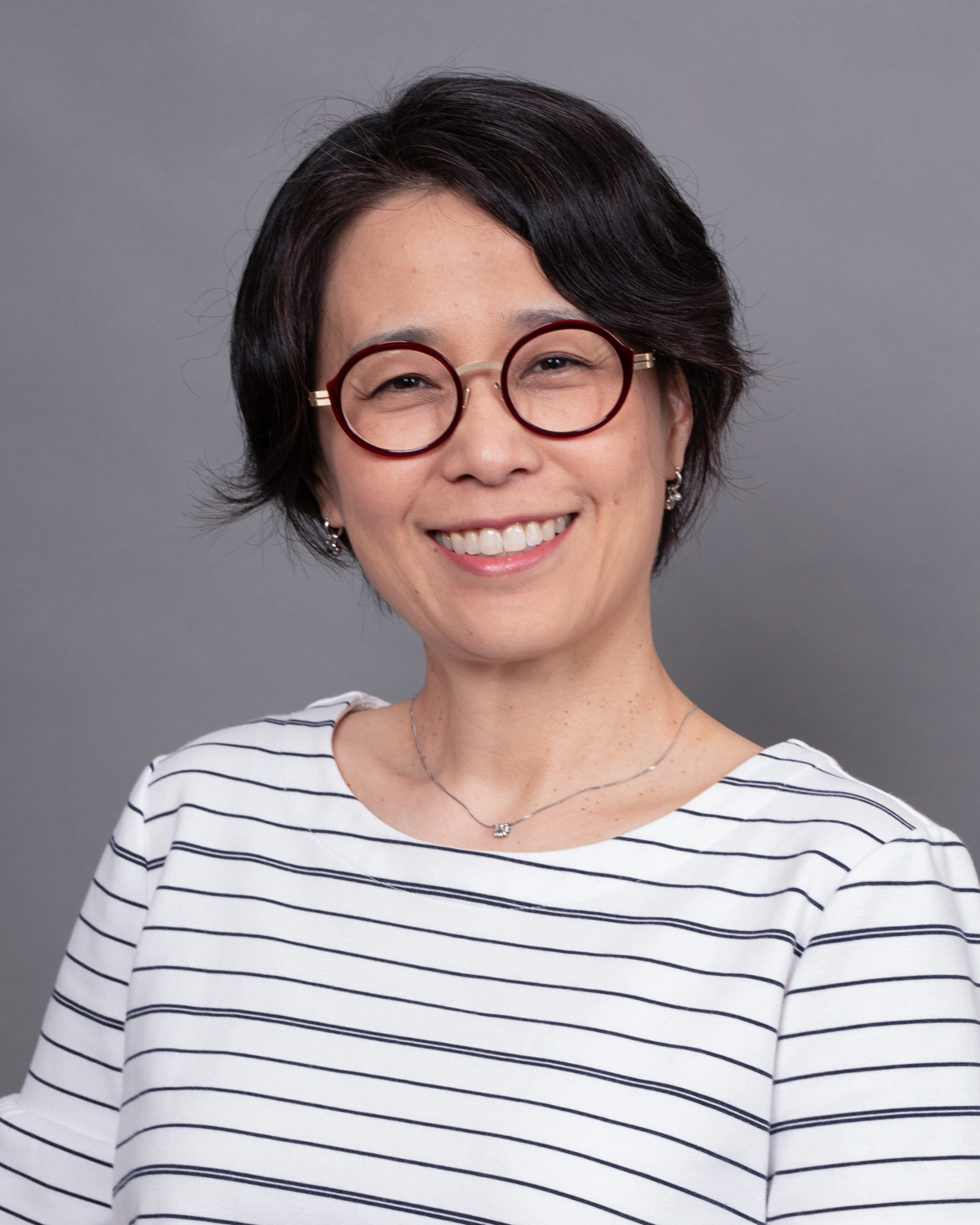
Francisco J. Naya is Associate Professor of Biology at Boston University and member of the Whitaker Cardiovascular Institute. His research investigates gene regulation in cardiac and skeletal muscle development, focusing on noncoding RNA mechanisms in differentiation and disease. Naya's lab studies how noncoding RNAs, particularly from the imprinted Dlk1-Dio3 locus, coordinate mitochondrial function and chromatin dynamics during myogenesis. Research examines Meg3 RNA's role in muscle regeneration through epithelial-mesenchymal transitions and cellular plasticity. Publications establish connections between MEF2 transcription factors, metabolic regulation, and chromatin organization in muscle cell state determination. Work advances therapeutic understanding of muscular dystrophies and cardiac pathologies through regulatory network analysis.
Buse Cevatemre is a Research Fellow at Koç University specializing in anticancer drug development and epigenetic therapies. Her work focuses on overcoming chemoresistance in triple-negative breast and lung cancers through epigenetic targets like BRPF1 and LSD1. Research employs chemical biology approaches including chromatin-focused screens, metal complex synthesis, and combination therapy strategies. Key research areas include: mechanism-based anticancer drug design, apoptosis induction pathways, cancer stem cell targeting, and metabolic regulation of drug resistance. Recent studies investigate ribosomal pathway modulation in taxane resistance and dual epigenetic inhibition strategies. Publications (2018-2025) demonstrate expertise in metallodrug chemistry (Pt, Cu, V complexes), epigenetic vulnerability identification, and resistance mechanism elucidation. Methodologies span complex synthesis, epigenetic screening, apoptosis assays, and molecular pathway analysis across various cancer models.
Shelley L. Berger is the Daniel S. Och University Professor at the University of Pennsylvania, holding a "Penn Integrates Knowledge" Presidential Appointment. She serves as Director of the Epigenetics Institute at the Perelman School of Medicine and is Co-Director of the Tumor Biology Program at the Abramson Cancer Center. Her academic appointments span multiple departments including Cell and Developmental Biology, Biology, and Genetics. Dr. Berger earned her B.S. in Biology from the University of Michigan, Ann Arbor in 1982, followed by a Ph.D. in Cell & Molecular Biology from the same institution in 1987. Her distinguished career has led to her current position as a University Professor, one of the highest academic honors at the University of Pennsylvania. Dr. Berger's research focuses on epigenetics and chromatin structure/function in genomic regulation, with particular interest in post-translational modifications of histones and transcription factors. Her laboratory investigates how DNA-packaging structures are manipulated during genomic processes, with applications to understanding cancer, neurodegeneration, and other diseases. Her work spans multiple biological contexts including: Chromatin regulation of transcription Neuroepigenetics and memory formation Behavioral epigenetics in social insects Chromatin regulation in aging and senescence Cancer epigenetics and tumor suppressor mechanisms Analysis of Dr. Berger's recent publications reveals a strong focus on the intersection of epigenetics with aging, cancer, and neurobiology. Her work demonstrates how histone modifications and chromatin remodeling influence cellular senescence, with implications for age-related diseases including Alzheimer's. She has also pioneered research on epigenetic mechanisms in social behavior using ant models, and in T cell exhaustion relevant to cancer immunotherapy. A unifying theme across her publications is the role of specific histone modifications and chromatin regulators in controlling gene expression programs in diverse biological contexts. Dr. Berger has received numerous honors including her appointment as a Daniel S. Och University Professor and a "Penn Integrates Knowledge" Presidential Appointment, recognizing her exceptional interdisciplinary contributions to science. These prestigious appointments reflect her significant impact on the fields of epigenetics and chromatin biology. Dr. Berger mentors a vibrant research team consisting of multiple postdoctoral researchers, graduate students, and research specialists. Her laboratory, part of the Epigenetics Institute at Penn, investigates fundamental mechanisms of chromatin regulation with implications for human health and disease. Current research directions include exploring how epigenetic mechanisms control aging processes, cancer development, and social behavior in model organisms. Dr. Berger collaborates extensively with other leading researchers, including Carl June (pioneer of CAR T cell therapy) and John Wherry (expert in T cell exhaustion), to translate basic epigenetic discoveries into potential therapeutic applications. The Berger Lab operates within the Smilow Center for Translational Research at the University of Pennsylvania. The lab employs a multidisciplinary approach combining molecular biology, genomics, bioinformatics, and model organism studies to investigate chromatin regulation. Current research foci include epigenetic mechanisms in aging and senescence, cancer epigenetics, neuroepigenetics, and behavioral epigenetics in social insects.
Dr. Rosanna Wustrack is a Professor of Orthopaedic Surgery at the University of California, San Francisco (UCSF) School of Medicine, where she serves as the Chief of Orthopedic Oncology. She specializes in the surgical diagnosis and treatment of musculoskeletal tumors and fragility fractures, with a focus on limb salvage procedures and complex reconstructive surgery. Her educational background includes a BA in Biology from Yale University (1999), an MD from Washington University School of Medicine in St. Louis (2006), residency in Orthopedic Surgery at UCSF (2012), fellowship in Musculoskeletal Oncology at Memorial Sloan Kettering Cancer Center (2013), and Advanced Training in Clinical Research from UCSF (2014). She also completed Diversity, Equity, and Inclusion Champion Training at UCSF in 2018. Dr. Wustrack's research focuses on immunotherapy for sarcomas, functional outcomes in cancer patients, osseointegration, and optimizing treatment for metastatic disease. Her work also extends to global health initiatives and addressing osteoporosis in cancer survivors. She has made significant contributions to understanding tumor immunology, developing innovative reconstructive techniques, and improving outcomes for patients with musculoskeletal tumors. Her extensive publication record demonstrates expertise across sarcoma biology, orthopedic oncology, and innovative reconstructive techniques. The articles reveal a strong emphasis on translational research, with particular focus on sarcoma immunology, osseointegration technology, and outcomes research in musculoskeletal oncology. Her work bridges basic science with clinical applications, particularly in developing novel approaches to sarcoma treatment and improving prosthetic integration. UCSF Department of Orthopedic Surgery 2012 Mauer Chief Resident of the Year UCSF Department of Orthopedic Surgery 2016 James O. Johnston Resident Teaching Award UCSF Academy of Medical Educators 2018 Excellence in Teaching Award Musculoskeletal Research Society 2019-2020 Mentored Research Award UCSF Department of Orthopedic Surgery 2020 Compassionate Physician Award UCSF Health 2020 Exceptional Physician Award Dr. Wustrack serves as Principal Investigator on the Musculoskeletal Tumor Society grant "Identifying and enhancing the host immune response in adult soft tissue sarcoma" and as Co-Investigator on Department of Defense-funded research on osseointegration and neural-controlled prosthetics. Her work with the UCSF Sarcoma Center and Osseointegration Program (iCORES) demonstrates her commitment to multidisciplinary approaches to complex oncologic problems. She is actively involved in global health initiatives through the Institute for Global Health Sciences, focusing on improving surgical care access worldwide.
Paola Falletta is a Fixed-term Researcher at San Raffaele University, specializing in Human Anatomy (BIO/16) within the College of Medicine. Her research focuses on cancer biology, particularly melanoma progression mechanisms, transcription factor regulation, and metabolic reprogramming. Academic Rank: Researcher Department: Human Anatomy Key Research Areas: Phenotypic Plasticity, Autophagy, DNA Damage Repair Her work investigates how melanoma cells adapt metabolically and transcriptionally to environmental stresses, with significant publications in Nature Communications , Genes & Development , and Pigment Cell & Melanoma Research . Recent studies highlight MITF's role in fatty acid regulation, BRN2-mediated DNA repair, and chromatin organization's impact on nuclear factor dynamics. Publications (2014-2023) demonstrate sustained expertise in melanoma biology, stress response pathways, and organelle-specific protein regulation. She teaches multiple anatomy courses for medical and health informatics programs. Contact: falletta.paola@hsr.it | falletta.paola@unisr.it
Amy Cherie Ralston is a Professor at Michigan State University's College of Natural Science in the Department of Biochemistry & Molecular Biology , where she also serves as Associate Dean - Graduate Studies . Her research focuses on the genetic and molecular mechanisms governing early mouse embryonic development, particularly the specification of pluripotent and extraembryonic lineages. Education: Ph.D. in Zoology, University of Wisconsin (2004) B.A. in Biochemistry, Oberlin College (1995) Research Interests encompass mouse embryonic development, pluripotent stem cell regulation, HIPPO signaling pathway functions, and transcription factor dynamics during lineage specification. She has extensively studied the roles of OCT4, SOX2, Cdx2, and TEAD4 in developmental fate determination. Publications highlight trends in mouse blastocyst lineage segregation, stem cell maintenance mechanisms, and signaling pathway interactions. Notable work includes studies on HIPPO pathway members' restriction of pluripotency factors and culture condition impacts on developmental signaling. Students and Lab : Dr. Ralston leads the Ralston Laboratory, mentoring graduate and postdoctoral researchers in developmental biology and stem cell research. While specific student names aren't listed, her lab's work has produced significant insights into extraembryonic endoderm stem cell lines and transcription factor functions in reprogramming.
Prof. Sabrina Büttner leads the Cell Biology group at the Institute of Integrative Cell Biology and Physiology, University of Münster. Her research focuses on intracellular communication during cellular aging, stress responses, and metabolic adaptation, utilizing yeast and Drosophila models. She investigates organelle connectivity via membrane contact sites and their role in proteostasis, neurodegeneration, and longevity. Her work integrates molecular biology, genetics, and imaging to explore: Organelle communication networks Proteostasis collapse in aging Autophagy and lipid metabolism Neurodegenerative disease mechanisms Recent publications emphasize membrane contact sites, stress-induced nuclear/vacuole dynamics, and autophagy regulation. Trends include organelle interfaces in proteostasis, mitochondrial quality control, and translational applications in longevity biotechnology. She mentors PhD students including Irene Álvarez-Guerra, Emma Block, Patricia Grabher, and Simon Prokisch. Her lab collaborates with CRC projects (e.g., CRC 1009, 1348, 1459, 944) and graduate programs (CiM-IMPRS, IRTG, SP BioSciences).
Prof. Dr. Jörn Walter serves as a Senior Professor for Genetics and Epigenetics at Saarland University's Faculty of Natural Sciences and Technology. His laboratory investigates epigenetic mechanisms across development and disease states, with particular emphasis on DNA methylation, chromatin dynamics, and epigenomic mapping of cell types. Member of the International Human Epigenome Consortium (IHEC) Coordinator of the German Epigenome Program Director of an in-house Sequencing Facility (HiSeq2500, Mi-Seq, Nextseq-500) Research focuses include: Epigenetic programming during cellular differentiation DNA methylation dynamics in disease contexts Stem cell epigenetics and reprogramming Evolution of epigenetic mechanisms Recent publications highlight interdisciplinary approaches combining next-generation sequencing , bioinformatic modeling , and clinical epigenetics , with particular attention to immune cell development , metabolic disease epigenetics , and computational epigenomics . The group maintains collaborations with the West German Sequencing Center and contributes to epigenetic data standardization efforts. Lab members include active researchers like Dr. Nina Gasparoni , Dr. Gilles Gasparoni , and M.Sc. Alea Leismann , alongside an extensive alumni network of former advisees who have advanced epigenetic research in various institutions.
Maria Castro is a Professor in the Department of Neurosurgery at the University of Michigan Medical School, where she leads groundbreaking research in neuro-oncology with a specific focus on brain tumor treatment and glioblastoma research. Her work bridges laboratory science with clinical applications, developing innovative therapies for some of the most challenging brain cancers. Dr. Castro's research primarily centers on developing novel therapeutic approaches for glioblastoma and other malignant brain tumors. Her work spans multiple cutting-edge areas including nanoparticle therapy for brain tumors, oncolytic virotherapy, epigenetic reprogramming in gliomas, and artificial intelligence applications in neurosurgery. She has made significant contributions to understanding how cholesterol metabolism affects glioma progression and has developed HDL nanodisc technology to target brain tumors. Her research on oncolytic viruses has opened new avenues for cancer immunotherapy, while her work on FastGlioma represents a major breakthrough in intraoperative brain tumor detection technology. Analysis of Dr. Castro's recent publications reveals a strong focus on translating basic science discoveries into clinical applications. Her work spans multiple disciplines including neuro-oncology, cancer immunology, nanomedicine, epigenetics, and artificial intelligence. A common thread throughout her research is the development of targeted therapies that address specific molecular vulnerabilities in brain tumors, particularly focusing on IDH-mutant gliomas and pediatric high-grade gliomas. Her publications demonstrate increasing collaboration with interdisciplinary teams including engineers, computer scientists, and clinicians to develop comprehensive treatment approaches. Dr. Castro actively collaborates with numerous researchers, most notably with Dr. Pedro Lowenstein on oncolytic virus therapies and with Dr. Anna Schwendeman on nanodisc technology. Her work has attracted significant research funding for developing novel brain tumor treatments, particularly in the areas of targeted drug delivery systems and immunotherapies. She is involved in multiple translational research projects aiming to move laboratory discoveries into clinical trials for brain tumor patients. Her laboratory operates at the intersection of multiple research areas, with teams focused on nanomedicine development, viral vector engineering, AI applications in neurosurgery, and molecular characterization of brain tumors. The lab utilizes sophisticated mouse models of glioma and works closely with clinicians to ensure research is clinically relevant. Recent work has expanded into studying the tumor microenvironment and how immune cells interact with brain tumor cells, opening new possibilities for combination therapies.
Edith Heard is a Professor at the Collège de France since 2012, holding the Chair in Epigenetics and Cellular Memory . She also serves as Head of the Genetics and Developmental Biology Unit and leads the Mammalian Developmental Epigenetics Team at the Institut Curie . Since 2019, she has been the Director General of the European Molecular Biology Laboratory (EMBL) , an intergovernmental research organization involving 29 countries.
Jingyue (Ellie) Duan is an Assistant Professor of Functional Genomics in the Department of Animal Science at Cornell University’s College of Agriculture and Life Sciences. Her research integrates genomics and computational approaches to study epigenetic regulation in animal health, fertility, and developmental biology. Bachelor of Science in Biology and Life Science, Sichuan University, China (2014) Doctorate in Animal Epigenetics, University of Connecticut (2018) Postdoctoral Research in Genetics and Genomics, Brown University (2021) Her research program focuses on: Molecular mechanisms of X chromosome dosage compensation across species Epigenetic dynamics during embryonic reprogramming Environmental influences (e.g., heat stress) on gene expression and animal health Comparative epigenetics in livestock and model organisms Transcriptional regulation via pioneer factors like CLAMP Maternal nutritional impacts on genomic imprinting The 15 most recent publications reveal trends in animal epigenetics with emphasis on X chromosome regulation , heat stress response , and embryonic developmental mechanisms . These works span functional genomics , transcriptomic analysis , and comparative aging studies . Scientific recognition includes: Schwartz Research Award (2025) Faculty Successful Program Fellowship (2023) Affinito-Stewart Grant Award (2022) She teaches graduate and undergraduate courses including Animal Genomics and Epigenomics (ANSC 4310/5310) and multiple thesis research courses. Her lab (Duan Functional Genomics Lab) emphasizes collaborative research, data integrity, and cross-disciplinary training in bioinformatics , NGS data analysis , and epigenetic mechanisms .
Prof. Christiane Gatz is a Professor of Plant Molecular Biology at the University of Göttingen, where she has led the Molecular Biology and Plant Physiology department since 1996. She holds a Dr. rer.nat. from the Technical University Darmstadt (1985) and completed postdoctoral research at the University of Wisconsin, Madison, USA. Her habilitation in Molecular Genetics was awarded by the Free University of Berlin in 1992. She previously held professorships at the University of Bielefeld (1993–1995) and received the Alfried Krupp von Bohlen und Halbach Award (1994) for young professors. Her research focuses on molecular mechanisms of plant innate immunity, particularly signal transduction pathways mediating defense against bacteria and fungi. Her lab investigates the interplay between salicylic acid (SA)- and jasmonic acid/ethylene (JA/ET)-dependent responses, with emphasis on TGA transcription factors and ROXY glutaredoxins. Techniques include genetic analysis (CRISPR/Cas), molecular biology (RT-PCR), cell biology (protein localization), and biochemistry (chromatin immunoprecipitation). Key projects include elucidating how ROXY proteins regulate TGA activity and the novel COI1 function in defense against Verticillium longisporum. She leads the Schwann-Schleiden Research Center group and contributes to initiatives like the International Research Training Group 2172 - PRoTECT. Her work bridges fundamental molecular mechanisms with evolutionary aspects of plant immunity. Awards: Alfried Krupp von Bohlen und Halbach Award (1994) Labs/Teams: Schwann-Schleiden Research Center, Molecular Biology and Plant Physiology Department
Masako Suzuki is an Assistant Professor in the Department of Nutrition at Texas A&M University, affiliated with the College of Agriculture & Life Sciences. She is a member of Texas A&M AgriLife Research and leads the Suzuki Lab (website: suzukilab.org ). Her work focuses on epigenetic mechanisms in developmental biology, nutrition, and disease, with a strong emphasis on DNA methylation dynamics, gene regulation, and cellular differentiation. Research interests include: Epigenetic impacts of vitamins (A/D) on developmental pathways Cancer epigenetics and tumor progression Kidney development and fibrosis Sex-specific neuroepigenetic responses to stress Genetic/epigenetic interactions in health disparities Recent work highlights novel findings in: Long-term epigenetic effects of prenatal vitamin deficiency Smoking-induced methylome changes in lung progenitor cells Role of MLL3 tumor suppressor in breast cancer Liver cell composition alterations from vitamin A deficiency Her research employs integrative approaches combining: Epigenomic profiling (DNA methylation, chromatin accessibility) Single-cell sequencing technologies Animal models for developmental studies Clinical samples from patient cohorts Current projects investigate: Mechanisms of epigenetic reprogramming in stem cells Epigenetic biomarkers for kidney diseases Intergenerational effects of maternal nutrition
Professor Marcel Dinger is a prominent academic and researcher currently serving as Professor and Head of School for Biotechnology and Biomolecular Sciences at UNSW Sydney. With over 20 years of experience in genomics, he has established himself as a leading figure in both academic and entrepreneurial spheres within the field. He has published 153 papers with over 24,000 citations and maintains an h-index of 61 on Google Scholar. His leadership extends beyond academia as he serves as President of the Australasian Genomics Technologies Association (AGTA) and holds director positions at Pryzm Health and the National Centre for Indigenous Genomics (NCIG). Professor Dinger's research laboratory focuses on establishing new links between phenotype and genotype, particularly examining rare and complex diseases in relation to underexplored regions of the genome including pseudogenes, repetitive elements, non-canonical DNA structures, and noncoding RNAs. His work harnesses population-scale genomic datasets and sophisticated data science methods to bring an objective perspective to understanding how the genome stores information and how it is transacted in biology. His research interests span genomics, non-coding RNA biology, clinical applications of genomic medicine, and the development of computational approaches for analyzing complex genomic data. Analysis of Professor Dinger's recent publications reveals a strong emphasis on non-coding RNA research, particularly long noncoding RNAs and their roles in disease mechanisms. His work spans cancer genomics, neurological disorders, and fundamental genomic mechanisms including DNA secondary structures like i-motifs and G-quadruplexes. His research combines experimental approaches with advanced bioinformatics to address fundamental questions in genomic medicine and has significant translational implications for disease diagnosis and treatment. Highly Cited Researcher in Cross-Field category (2019, 2020, 2021) Fellow of the Faculty of Science (Research), Royal Society of Pathologists of Australasia (2016) NHMRC Career Development Award (2010) Queensland Government Smart Futures Fellowship (2009) Foundation of Research, Science and Technology New Zealand Postdoctoral Fellowship (2005) Professor Dinger has been instrumental in establishing and leading several significant research initiatives including Genome.One, one of the first companies globally to provide clinical whole genome sequencing services, and the Kinghorn Centre for Clinical Genomics at the Garvan Institute of Medical Research. His entrepreneurial experience includes founding four biotechnology and IT startups. He serves on multiple governance boards including the National Centre for Indigenous Genomics, focusing on using genomics to improve health outcomes for Australia's First Peoples. His laboratory at UNSW continues to advance our understanding of genomic regulation and its implications for human health and disease.
Dr. Russell Jones is a Professor and Chair of the Department of Metabolism and Nutritional Programming at Van Andel Research Institute (VAI). His research focuses on cancer metabolism, immunology, and the interplay between cellular metabolism and immune function, with a particular emphasis on understanding how metabolic pathways influence tumor growth and anti-tumor immune responses. Dr. Jones earned his B.Sc. and Ph.D. in Biochemistry and Medical Biophysics from the University of Toronto, followed by postdoctoral training at the University of Pennsylvania. He has held academic positions at McGill University and VARI, where he leads a team investigating immunometabolism and cancer metabolism. His work bridges basic research and clinical translation, aiming to develop novel therapies targeting metabolic vulnerabilities in cancer cells and immune cells. His research interests include tumor immunology, metabolic reprogramming in T cells, and the role of metabolic checkpoints in cancer progression. Notable achievements include discovering mechanisms linking LKB1 mutations to gastrointestinal polyposis and identifying metabolic pathways critical for T cell function in tumor microenvironments. Dr. Jones has been recognized with awards such as the William Dawson Scholar distinction and election to the Royal Society of Canada. He serves on editorial boards of leading journals and actively contributes to clinical trials through collaborations with institutions like VAI-SU2C Epigenetics Dream Team. His laboratory is part of VAI’s Center for Cancer and Cell Biology, emphasizing interdisciplinary approaches to metabolism and nutrition. Current projects explore how metabolic interventions can enhance immunotherapy efficacy and uncover metabolic dependencies in cancer cells.