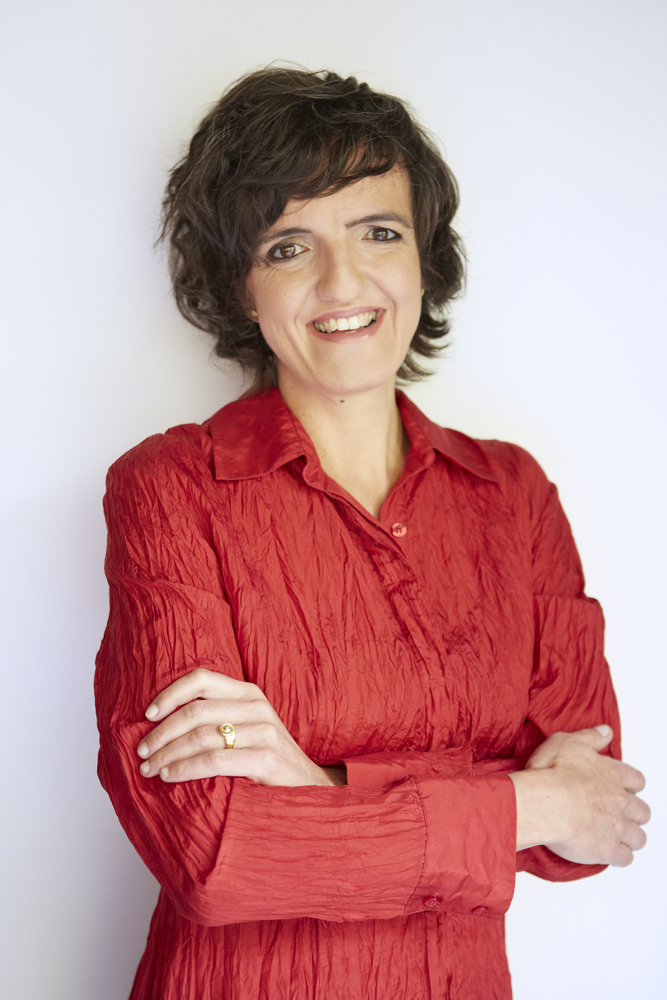
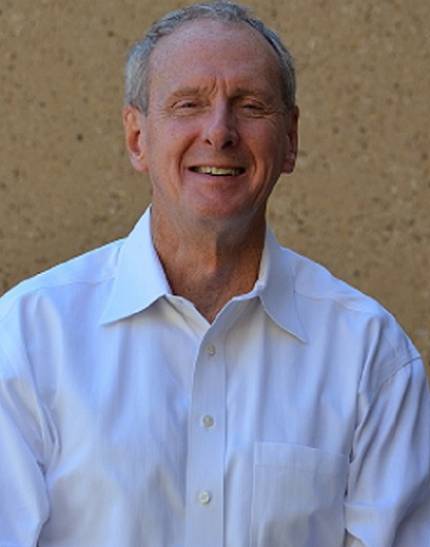
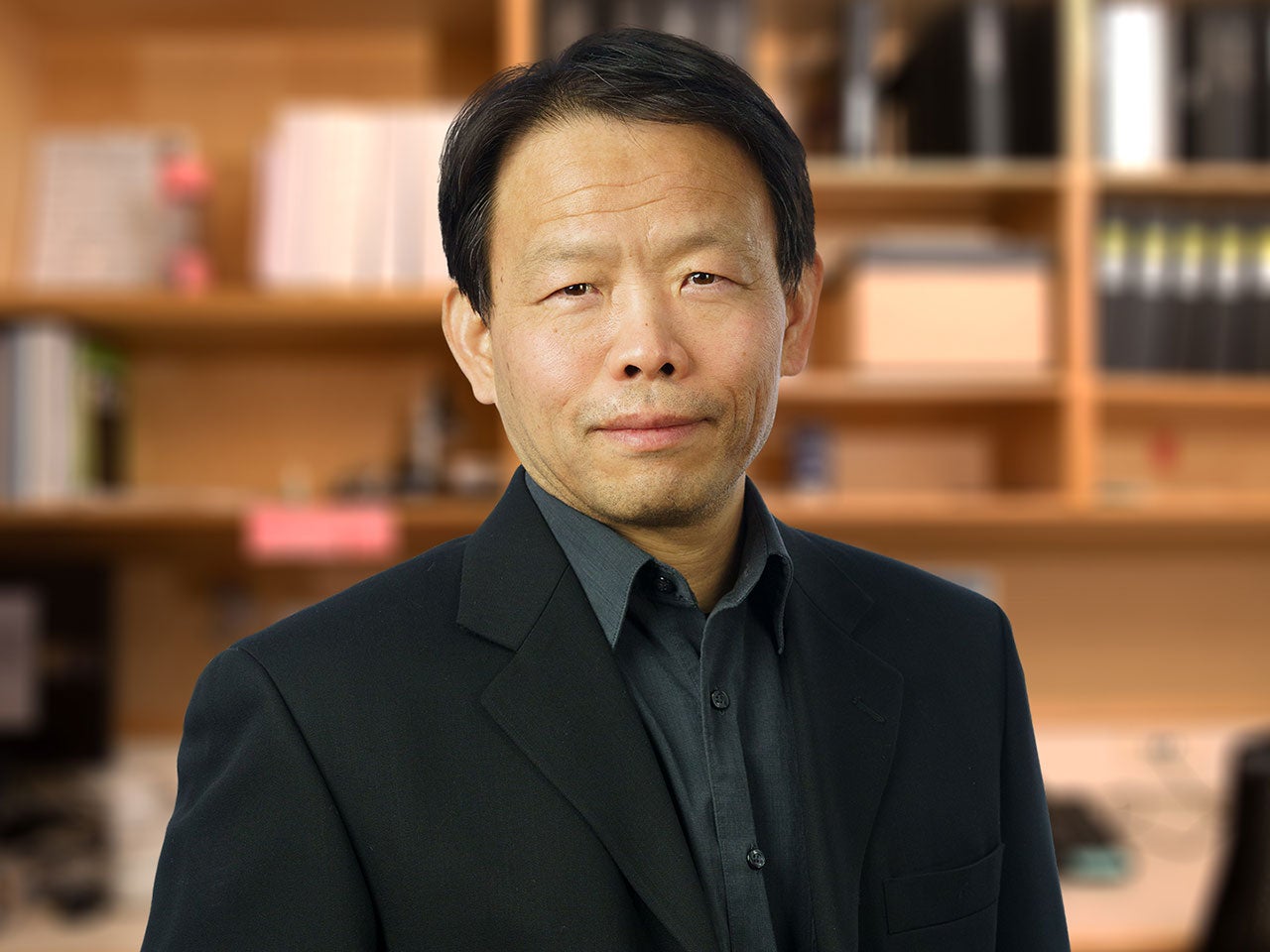
Professor Fernando Calamante is a Professor of Biomedical Engineering at The University of Sydney and Director of Sydney Imaging Core Research Facility. He leads the National Imaging Facility node and focuses on advanced MRI methodologies, particularly Diffusion and Perfusion MRI, to study brain connectivity and neurological disorders. His work includes developing the MRtrix software, widely used in diffusion MRI analysis. He holds extensive funding (~$50M) and has been recognized with awards like ISMRM Fellowship and NHMRC grants. His research spans super-resolution imaging, brain connectomics, and clinical applications in stroke and tumors. Education: BSc (Physics, Argentina), PhD (Magnetic Resonance Imaging, University College London). Career highlights include leadership roles at The Florey Institute and ISMRM presidency (2021-2022). Research interests include: Novel MRI methods for brain connectivity and super-resolution imaging Applications of Diffusion and Perfusion MRI in neurology Integration of structural and functional connectomics Key achievements: Over 200 publications, software innovations, and leadership in global MRI societies.
Alicia Che is an Assistant Professor of Psychiatry at Yale University School of Medicine and serves as Director of Graduate Admissions for the Interdepartmental Neuroscience Program. She joined the Yale Department of Psychiatry in 2021 after completing her postdoctoral fellowship with Dr. Natalia De Marco García at Weill Cornell Medical College and Dr. Gord Fishell at NYU. Her research is conducted through the Che Lab at Yale, where she investigates how early life experiences impact brain circuit assembly and mature function in models of psychiatric illness. Yale School of Medicine, Department of Psychiatry Interdepartmental Neuroscience Program Center for Brain & Mind Health Division of Molecular Psychiatry Wu Tsai Institute Yale Center for the Science of Cannabis and Cannabinoids Dr. Che earned her Ph.D. in Physiology and Neurobiology from the University of Connecticut in 2014, where she worked in the laboratory of Dr. Joseph LoTurco. She received her B.S. with triple majors in Biology, Physics, and Physical Chemistry from Pacific Lutheran University in Washington state in 2009. Her research focuses on understanding developmental trajectories following early life experiences to develop diagnostics and early interventions for psychiatric illnesses. Dr. Che's research examines how sensory inputs, social bonding, stress, and substance exposure impact brain development. She employs a multi-dimensional approach to assess transcriptional, circuit, neuronal activity, and behavioral changes across the entire developmental timeline. Her lab currently focuses on four specific areas: the role of oxytocin in social behavior development, circuit dysfunction in PTSD, early-life cannabinoid exposure effects, and the impact of early life stress on development and adulthood. She utilizes advanced techniques including mouse genetics, slice electrophysiology, and longitudinal in vivo 2-photon imaging on behaving animals. Her most recent publications demonstrate significant contributions to understanding neural circuit development, PTSD mechanisms, and the effects of early life experiences on brain function. Her work spans from molecular neuroscience to behavioral outcomes, with publications in top journals including Nature, Neuron, and Nature Communications. Her research has revealed important insights into how translaminar neuronal activity strengthens cortical columns, how oxytocin facilitates social touch development, and how PTSD affects brain transcriptomics. NARSAD Young Investigator Award (2020) K99/R00 Pathway to Independence Award from NINDS (2019) Dr. Che's work has significant implications for understanding and treating neurodevelopmental disorders, PTSD, and the consequences of early life experiences on mental health. She collaborates extensively with researchers across Yale and beyond, with frequent co-authorship with colleagues including Lin Lin, Alex Kwan, and Christopher Pittenger. Her research program bridges basic neuroscience with clinical applications, aiming to translate findings into potential interventions for psychiatric conditions.
Dr. Douglas Lobner is a Research Professor in the Department of Biomedical Sciences at Marquette University, College of Health Sciences. His research focuses on neurodegenerative disease mechanisms, environmental toxin interactions, and dental material toxicity. He investigates how environmental factors like mercury, pesticides, and BMAA interact with genetic predispositions to cause neurodegenerative diseases such as Alzheimer’s, Parkinson’s, and ALS, particularly through the cystine/glutamate transporter (system xc-). His work also explores dental pulp capping materials, emphasizing growth factor-enhanced repair mechanisms and system xc- regulation to prevent root canal procedures. Key collaborations involve studies on glutamate signaling, neurotoxicant synergy, and drug-induced neuroplasticity. Published research includes over 14 studies from 2009–2014, emphasizing system xc- regulation by growth factors, neurotoxin synergies (e.g., methylmercury and BMAA), and dental material toxicity mitigation strategies. His lab contributes to the Neuroscience Collaboratory and Integrative Neuroscience Research Center at Marquette.
Anna Mathia Klawonn is an Associate Professor affiliated with three units at Aarhus University: the Danish Research Institute of Translational Neuroscience (DANDRITE), the Department of Biomedicine, and the Department of Molecular Biology and Genetics - Neurobiology. As a group leader at DANDRITE, she explores neural circuits and immune-to-brain signaling mechanisms regulating affective states through transgenic strategies and neurocircuitry techniques. Neuroscience Neuroimmunology Immune-to-Brain Signaling Affective Disorders Her research focuses on understanding how brain circuits and glial cells (microglia and astrocytes) contribute to affective states in both health and disease. Current projects investigate mechanisms in major depressive disorder and Parkinson's disease, emphasizing prostaglandin signaling, nicotinic receptor function, and striatal neuron modulation. Recent publications highlight her work in molecular neuroscience, neuropharmacology, and behavioral neuroscience. Key themes include cholinergic transmission in motivation, neuroimmune interactions in aversion, and reward/aversion circuitry. Her studies employ advanced neurocircuitry methods and transgenic models. In teaching, Klawonn is course responsible for the 3rd-semester Neuroscience course (10 ECTS) in the medical bachelor program. She actively engages in didactic development, frequently speaking about student motivation, flipped learning, and challenge-based learning. Klawonn leads the Klawonn Group at DANDRITE, with lab and office spaces in the Skou Building (Høegh-Guldbergs Gade 10, Aarhus C). Her work involves collaborations across neuroscience, neuroimmunology, and affective disease research.
Silvia Arber holds a joint appointment as Full Professor for Neurobiology/Cell Biology at the Biozentrum, University of Basel, and serves as Senior Group Leader at the Friedrich Miescher Institute (FMI) in Basel, Switzerland. Her laboratory investigates the organization, function, and development of neuronal circuits controlling motor behavior, with a particular focus on how these circuits enable precise movement control. Arber obtained her PhD in 1996 from the Friedrich Miescher Institute under Pico Caroni, followed by postdoctoral training with Thomas Jessell at Columbia University (1996-2000), where she studied transcription factors in spinal cord neuronal differentiation. Her educational background includes Biology II studies at the Biozentrum of the University of Basel with graduation in Cell Biology (1987), a diploma thesis at the FMI (1990), and graduate work at the FMI (1992). Her research program centers on elucidating how neuronal circuits orchestrate accurate motor behavior in response to sensory cues and voluntary movement initiation. Using mouse as a model system, her laboratory employs multi-faceted approaches including advanced mouse genetics, viral technologies for transsynaptic circuit tracing, optogenetics and pharmacogenetics for functional manipulation, quantitative behavioral analysis, electrophysiology, and gene expression profiling. Her work has revealed precise synaptic interactions within dedicated motor circuit modules throughout the nervous system and how these impact function, with implications for understanding diseases causing motor deficits and spinal cord injury. Analysis of Arber's publication record shows a consistent focus on motor circuit organization, with particular emphasis on transcriptional control mechanisms, circuit connectivity mapping, and the relationship between developmental processes and functional circuit organization. Her work bridges molecular, cellular, and systems neuroscience, providing fundamental insights into how the nervous system controls movement. The Brain Prize (2022) Elected to the National Academy of Sciences of the United States (2020) Physiological Society Annual Review Prize Lecture (2019) Pradel Research Award (2018) W. Alden Spencer Award (2018) Louis-Jeantet Prize for Medicine (2017) ERC Advanced Grant (2010-2015) EMBO Member (2005) EMBO Young Investigator Award (2001) While specific students are not listed in the provided materials, Arber's laboratory has received significant research funding including an ERC Advanced Grant (2010-2015) and multiple prestigious awards supporting her research program. Her laboratory at the Biozentrum (Room 11.038) collaborates closely with the Friedrich Miescher Institute, where she serves as Senior Group Leader. The research group employs cutting-edge technologies for neural circuit analysis and has contributed fundamental insights into motor circuit organization, with implications for understanding and potentially treating movement disorders and spinal cord injuries.
Jozien Goense is an Associate Professor at the University of Illinois at Urbana-Champaign (UIUC), holding joint appointments in the Department of Psychology and Department of Bioengineering. She is also affiliated with the Beckman Institute for Advanced Science and Technology and the Neuroscience Program. Her primary research focuses on biomedical imaging, particularly functional MRI (fMRI) and its applications in understanding neurovascular coupling and cortical layer-specific activity. She is recognized for contributions to high-resolution fMRI methodology and laminar imaging techniques. Her work integrates advanced MRI techniques with neurophysiological studies, often using non-human primate models to validate findings in human studies. She has pioneered layer-specific fMRI approaches to map activity across cortical layers, particularly in the motor and visual cortices. Her expertise includes ultra-high field MRI (7T+), BOLD signal modeling, and software development for neuroimaging analysis (e.g., LayNII). Key research themes include the physiological basis of BOLD responses, neurovascular coupling mechanisms, and the application of laminar fMRI to study brain function in health and disease. She has collaborated extensively with neuroscientists, engineers, and clinicians to advance imaging technologies and their translational potential. Publications highlight her contributions to understanding dopamine and acetylcholine effects on neurovascular responses, resting-state gamma-band abnormalities in schizophrenia, and the development of high-resolution imaging protocols. Her work bridges basic science and clinical applications, including studies on vascular contributions to dementia and neuropharmacology. She has received the Beckman Seed Grant as part of a Bioengineering Faculty team, supporting innovative research initiatives. Her lab employs cutting-edge imaging tools and multidisciplinary approaches to unravel brain function at cellular and systems levels.
Professor Charlotte Stagg is based at the Nuffield Department of Clinical Neurosciences (NDCN) within the University of Oxford . She serves as Associate Director of the Oxford Centre for Integrative Neuroimaging and holds a Beale Fellow in Medicine position at St Hilda's College. Her research focuses on the physiological mechanisms of motor learning and stroke recovery, utilizing multimodal neuroimaging and brain stimulation techniques. Research Interests : GABA signaling, neuroplasticity, transcranial ultrasound, stroke neurorehabilitation Techniques : 7T MRI, MEG, non-invasive brain stimulation, neurochemistry Selected Scientific Awards : Wellcome Trust Senior Research Fellow Beale Fellow in Medicine, St Hilda's College Collaborations : Leads the Physiological Neuroimaging Group (PiNG), part of the Neuroplastics Collaborative Network with groups led by Heidi Johansen-Berg and Jacinta O'Shea. Current advisees include DPhil student Birtan Demirel and visiting researchers from HEC Montréal and The University of Manchester.
George Henderson is a Professor at the Texas Tech University Health Sciences Center in the Department of Pharmacology & Neuroscience . His research focuses on the neurotoxic effects of ethanol and environmental toxins during development, particularly mechanisms of apoptosis and oxidative stress in the brain and placenta. Primary Affiliation: Texas Tech University Health Sciences Center Research Areas: Developmental neuroscience, neurotoxicity, oxidative stress, fetal alcohol spectrum disorder, nanoparticle drug delivery Research Trends: His publications from 1972–2023 show sustained expertise in ethanol-induced developmental damage, placental drug transport mechanisms, and antioxidant therapeutic strategies. Recent work (2023) explores chlorogenic acid as a neuroprotective agent via NFATc4/CSE pathways. Key Collaborations: Institute for One Health Innovation and translational neuroscience teams at TTUHSC.
Sara Aton, Ph.D., is an Affiliate Professor in the Department of Molecular, Cellular, & Developmental Biology at the University of Michigan, and an affiliate of the Michigan Neuroscience Institute. Her research focuses on understanding how sleep and waking states influence memory consolidation through synaptic plasticity in neural circuits. She employs behavioral, biochemical, electrophysiological, and optogenetic techniques to study rodent models, particularly examining the roles of acetylcholine and interneurons in memory processing. Key research interests include the dynamics of sleep states (NREM and REM), synaptic plasticity mechanisms, and the impact of sleep disruption on memory formation. Her work addresses how neuronal activity during sleep reactivates learning-related ensembles and regulates biosynthetic processes critical for memory stabilization. Aton has received prestigious awards such as the NIH New Innovator Award (2013) and Alfred P. Sloan Fellowship (2013). Her lab investigates translational applications, including therapeutic interventions for sleep-related cognitive impairments in conditions like Fragile X syndrome. The Aton Lab is a hub for interdisciplinary research, combining molecular, cellular, and systems neuroscience approaches. Her publications emphasize sleep-dependent memory consolidation, synaptic plasticity, and the neural circuits governing these processes. Collaborative efforts span neuropharmacology, optogenetics, and computational modeling to unravel the complex interplay between brain states and cognition.
Craig Morrell is a Professor at the University of Rochester School of Medicine and Dentistry , with joint appointments in the Departments of Medicine , Microbiology and Immunology , and Pathology and Laboratory Medicine . He serves as Associate Director of the Aab Cardiovascular Research Institute . Education: Sc.B. in Biology, Brown University (1995) D.V.M. , Tufts University School of Veterinary Medicine (2000) Ph.D. in Pathobiology, Johns Hopkins University (2005) His research examines the interface between platelets, vascular biology, and immune cells , focusing on platelet roles in thrombosis, inflammation, and immune regulation. Using advanced mouse models , his lab investigates platelet-derived mediators like β2M and PF4 in diseases such as malaria, stroke, and myocardial infarction. Article trends highlight platelets' dual roles in thrombosis and immune modulation , with recurring themes in vascular inflammation , ERK5 signaling , and age-related immune dysfunction . Scientific Awards: Kenneth M. Brinkous Young Investigators Prize (2008) Deans Gift research award (2006) Multiple travel scholarships and fellowships (2003-2005) Pathology Award-Excellence in Pathology (2000) Mentoring and Teaching : He has mentored 8 doctoral students , 7 undergraduates , and 6 postdoctoral fellows , with a focus on diversity. He serves on thesis committees and the URMC MSTP (MD/PhD) admissions committee . Labs and Collaborations : Leads the Morrell Lab at the Aab Cardiovascular Research Institute, collaborating with institutions like Johns Hopkins and Medical College of Wisconsin.
Bo Li is the Robert Lourie Professor of Neuroscience at Cold Spring Harbor Laboratory (CSHL) in the School of Biological Sciences. His research focuses on the neural circuits underlying cognitive function and dysfunction related to anxiety, depression, schizophrenia, and autism, with particular emphasis on synaptic mechanisms and rodent behavioral models. He earned his Ph.D. in Neuroscience from the University of British Columbia in 2003. Education: Ph.D., Neuroscience, University of British Columbia (2003) M.Sc., Psychology, Chinese Academy of Sciences (1997) B.Sc., Medicine, Jining Medical College (1992) Li's lab integrates in vitro and in vivo electrophysiology, imaging, molecular and genetic techniques, optogenetics, and chemogenetics to probe fear and reward circuits in rodent brains. His work examines how these circuits contribute to adaptive and maladaptive behaviors, with significant implications for understanding mental disorders. Recent publications highlight his exploration of the vitamin B6 pathway in cancer, opioid neuropeptide dynamics in motivation, and area postrema neurons in brain-body interactions. His research also addresses salience assignment through striatal-amygdala circuits and dietary choice regulation via neurotensin neurons in the extended amygdala. Scientific awards include: HFSP Research Grant awards 2015 NARSAD Independent Investigator grant WSBS Teaching Award 2015 Students in his lab include Sara Boyle, Mingzhe Liu, and Danielle van de Lisdonk. His work has been supported by NIH BRAIN Initiative grants and involves collaborations across multiple CSHL laboratories.
Edmund Hollis is an Assistant Professor of Neuroscience at the Brain and Mind Research Institute within Weill Cornell Medical College . He has been affiliated with the institution since 2016 and leads a research lab focused on neural circuit remodeling and recovery after spinal cord injury. Education: Ph.D. in Neurosciences, University of California, San Diego, School of Medicine (2008) B.S., University of Southern California (2002) Research Interests: Hollis's lab investigates the neural mechanisms underlying movement and recovery from spinal cord injury. Using genetic, molecular, and behavioral tools, along with optogenetics and optical imaging, the lab explores how neural circuits respond to injury and how they can be therapeutically enhanced. Key areas include cortical plasticity, axon regeneration, astrocyte responses, and neuromodulation of motor circuits. Scientific Contributions: His recent publications demonstrate a strong focus on corticospinal tract function, spinal interneuron modulation, and the use of advanced behavioral assays like the Kinematic Deviation Index (KDI) to assess motor recovery in rodent models. His work spans from molecular signaling pathways (e.g., RANKL, Wnt, IGF-I) to large-scale circuit remodeling and rehabilitation strategies. Collaborations & External Roles: Hollis has professional affiliations with Texas A&M University and the National Institutes of Health, and has served as a speaker and consultant for various academic and governmental organizations.
Insa Feinkohl is a Professor at the Chair of Medical Biometry and Epidemiology within the Faculty of Health at the University of Witten/Herdecke . Her research focuses on risk factors for cognitive dysfunction and mental health in older adults, particularly post-surgery, with emphasis on metabolic and cognitive risk factors. Bachelor of Science (BSc) in Psychology (1 st class honors) – University of Dundee (2006-2009) Master of Science (MSc) in Psychology of Individual Differences (with distinction) – University of Edinburgh (2009-2010) PhD in Community Health Sciences – University of Edinburgh (2010-2014) Post Doc in Knowledge Construction Group – Leibniz Institute for Knowledge Media, Tübingen (2014-2015) Postdoc in Molecular Epidemiology Group – Max Delbrück Center, Berlin (2015-2022) Habilitation in Molecular Epidemiology – Charité Universitätsmedizin Berlin (2021) Her research integrates medical biometry and epidemiology to study postoperative cognitive dysfunction (POCD), delirium, and aging-related cognitive decline. Key areas include biomarker validation (e.g., leptin, interleukins), brain connectivity (dopaminergic networks, thalamus), and metabolic risk factors (diabetes, obesity). She contributed to the BioCog project , an EU-funded initiative for personalized risk prediction of postoperative cognitive impairment. Her recent publications highlight trends in perioperative neuroscience, including brain mineralization, cytokine associations with neurocognitive disorders, and structural/functional imaging in delirium. Articles also explore metabolic syndrome, cognitive reserve, and delirium prediction models using machine learning. Insa Feinkohl is affiliated with major academic societies, including the German Society for Epidemiology , German Society for Medical Informatics, Biometry and Epidemiology , and the German University Association .
Kathryn Hess Bellwald is a Full Professor at École Polytechnique Fédérale de Lausanne (EPFL) in both the School of Life Sciences and School of Basic Sciences . She leads the Laboratory for Topology and Neuroscience and serves as Academic Director for the Euler Programme . Her work bridges pure mathematics and interdisciplinary applications in neuroscience, materials science, and data analysis. Education : PhD in Mathematics (MIT, 1989), preceded by positions at Stockholm, Nice, and Toronto universities. Her research spans algebraic topology , homotopy theory , operad theory , and algebraic K-theory , with applications in neuroscience and materials science . She has pioneered topological data analysis methods for classifying neuronal morphologies , microglia phenotypes , and nanoporous materials , creating a parameter-free framework linking neural network structure to activity. The 15 most recent publications highlight her work on topological inverse problems , neuroinflammation , and equivariant homotopy . These studies often involve collaborations with the Blue Brain Project and EPFL teams in neuroscience , machine learning , and materials science . Scientific Awards : Fellow, American Mathematical Society (2017); Distinguished Speaker, European Mathematical Society (2017); Crédit Suisse Teaching Prize (2012); Polysphère d'Or (2013); Full Member, Swiss Academy of Engineering Sciences (2016); Chaire de la Vallée Poussin (2023); Fellow, Association for Women in Mathematics (2024). She has mentored numerous PhD students in mathematics and neuroscience, including Adélie Eliane Garin , Varvara Karpova , and Dimitri Zaganidis . Her EPFL Mathematics affiliations include the DIVISION MATH , while her Neuroscience lab operates under the Brain Mind Institute (BMI) in the School of Life Sciences (SV). Grants and collaborations are evident in her work on neurodegenerative diseases , synthetic materials , and machine learning frameworks .
Dr. Yoon Seok Kim is a Postdoctoral Fellow at Stanford University’s Department of Bioengineering, focusing on structural and mechanistic studies of light-gated ion channels. He earned his Ph.D. in Bioengineering at Stanford, mentored by Drs. Karl Deisseroth and Brian Kobilka, with research centered on ion channel selectivity and optogenetic applications. Education: Ph.D. in Bioengineering, Stanford University Dr. Kim’s research spans Optogenetics , Structural Biology , and Neuroscience , particularly the molecular mechanisms of ion channels in neural and glioma contexts. His work includes structural analysis of potassium-selective channelrhodopsins and synaptic mechanisms in neurodegenerative diseases. Recent publications highlight interdisciplinary trends, merging Neuroscience , Molecular Biology , and Bioengineering , with subfields like diffuse midline gliomas , dopamine neuron resilience , and machine learning in protein engineering . His studies often integrate advanced imaging and optogenetic tools.