Prof. Dr. rer. nat. habil. Stephan Kopf is a faculty member at the Faculty of Spatial Information, where he holds the Professorship in Informatics and Geoinformatics. He actively contributes to research in geographic information systems (GIS), computer graphics, computer vision, and multimedia technologies. His academic leadership roles include serving as Dean and as a member of the Faculty Council, with advisory roles in the Senate. His research spans crowd simulation , image/video retargeting , augmented reality platforms , and interactive learning systems . He focuses on algorithm development for GIS, temporal effects in re-captured video, and scalable solutions for classroom interactivity. His work frequently integrates machine learning, mobile computing, and geospatial data. For teaching, he oversees courses such as Internet Technologies, Informatics, and Programming in degree programs like Geoinformatics/Management and Surveying. He supervises theses involving programming-centric topics like mobile app development , VR applications , and astronomical analysis of geospatial data .
Randy Haycock is an Adjunct Associate Professor in the Entertainment Design department at Art Center College of Design, where he has taught since 2015. A native of Colorado, he has worked in the animation industry since 1990 and at Walt Disney Animation Studios since 1992, where he currently serves as one of three traditional animators working at Disney's feature animation unit. His research interests focus on preserving and advancing traditional animation techniques within modern entertainment contexts. He specializes in character animation (both traditional and CG), story art, and visual development. Haycock emphasizes strong drawing fundamentals as essential for all animators, believing that good drawing enhances animation performance regardless of medium. His recent animation work spans Disney theme park productions including the Happily Ever After show at Disneyworld and the Gifts of Christmas projection show at Tokyo Disneyland, alongside feature film contributions to projects like The Princess and the Frog. His artistic output also includes watercolor paintings, sculptures, and caricatures that have been featured in exhibitions including a 2016 show in China. As an educator, Haycock teaches courses including Shorts 1-2, 2D 5 Acting 2, Shorts 1-1, and Portfolio 2, focusing on practical animation skills and professional preparation. He actively engages with the animation community through social media, offering advice to aspiring animators and participating in industry events like Comic-Con panels.
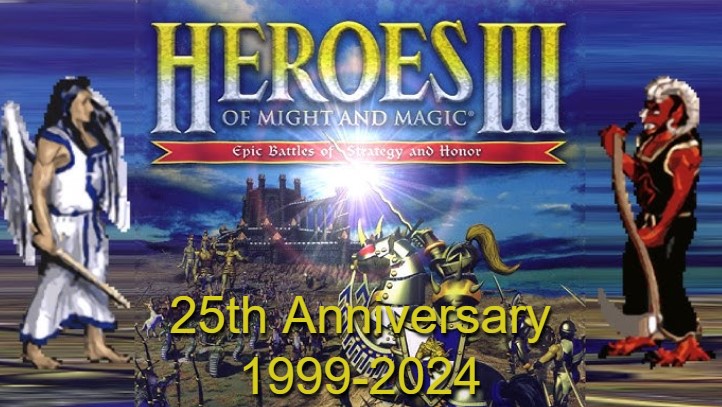
David Mullich is an Adjunct Professor in the Entertainment Design department at ArtCenter College of Design, where he teaches foundational and advanced game design courses. He is also a seasoned video game designer and producer with extensive industry experience at Activision, Disney, Cyberdreams, EduWare, 3DO, and Spin Master. Mullich currently serves as Development Director at Say Games and is a co-creator of the Boy Scouts of America Game Design Merit Badge. He is a board member of the International Game Developers Association (IGDA) Los Angeles chapter and a recognized expert in gamification. Adjunct Professor, ArtCenter College of Design Development Director, Say Games Co-Creator, Game Design Merit Badge (Boy Scouts of America) Board Member, IGDA Los Angeles David Mullich's research and professional interests center on game design, gamification, game education, and the societal impact of games. He explores how games foster resilience, productivity, and social connection, particularly in challenging contexts such as war and labor struggles. His work emphasizes ethical game development, inclusive design, and the educational potential of interactive media. He is deeply engaged in understanding the cultural narratives embedded in games and how they reflect and shape human experiences. The recent articles reflect a strong thematic focus on the intersection of games with culture, history, and social issues. Mullich analyzes games as tools for emotional resilience, cultural preservation, and social commentary. His writings delve into labor practices in the industry, diversity in game content, and the psychological benefits of play. He also shares practical insights on game pitch design and virtual world creation, demonstrating a blend of theoretical and applied expertise. Rated 14th 'Gamification Guru' at 2014 Gamification World Congress Winner of Electronic Games Magazine’s Best Science-Fiction/Fantasy Game of the Year award David Mullich mentors emerging game developers through his teaching, public speaking, and involvement with IGDA. He has advised students through workshops and career panels at institutions like CSULA and GDC. His professional work includes consulting and production roles across major studios, contributing to both commercial success and educational outreach. While specific grant details are not mentioned, his initiatives like the Game Design Merit Badge and public advocacy suggest funded or institutionally supported outreach programs. Mullich collaborates with international organizations and conferences such as Slitherine Games, the University of Gdansk, and the Game Access Conference. He is actively involved in the global game development community, participating in events across Europe and North America. His work with Say Games and ArtCenter indicates affiliations with both industry and academic labs focused on game innovation and education.
Karla J. Möller is an Associate Professor in Curriculum and Instruction at the University of Illinois at Urbana-Champaign's College of Education. She also serves as Associate Dean for Graduate Programs. Her work focuses on cultural diversity, literacy education, and social justice, particularly through literature-based instruction in K-12 classrooms. Research emphasizes availability and selection of culturally diverse texts Explores pedagogical approaches to literature discussions Advocates for equitable access to quality educational materials Key contributions include studies on LGBTQ-inclusive literature, graphic nonfiction integration, and critical literacy frameworks. She has extensively reviewed children's literature for educational use and collaborated on numerous publications with literacy experts.
Dr. Paula Westenberger serves as Senior Lecturer in Intellectual Property Law at Brunel Law School within Brunel University London's College of Business, Arts and Social Sciences. She joined Brunel in 2018 after prior positions at Queen Mary University of London and Buckinghamshire New University, and concurrently holds membership in Brunel's Centre for Artificial Intelligence while founding and leading the Heritage AI and Law (HAIL) Network since 2025. Her academic credentials include: Postgraduate Certificate in Curating and Collections Management, Birkbeck University of London (2024) Postgraduate Certificate in Academic Practice, Brunel University of London (2019) PhD, Queen Mary University of London (2018) LLM in Intellectual Property Law, Queen Mary University of London (2012) LLB, Pontificia Universidade Catolica do Rio de Janeiro (2010) Her research centers on copyright law's intersection with human rights and cultural heritage, with specific expertise in copyright limitations/exceptions, digital technology applications by heritage institutions, and artistic freedom conflicts. Current work examines AI-heritage interfaces through her AHRC-funded BRAID Fellowship project Responsible AI for Heritage: copyright and human rights perspectives with RBG Kew, building on prior Athena Swan and BRIL Research Awards. Analysis of her 2016-2025 publications reveals an evolving trajectory from foundational Brazilian copyright studies (image rights, orphan works) toward cutting-edge AI-copyright policy analysis, with 2025 works directly addressing UK copyright challenges in AI-driven cultural heritage research. Her scholarly recognition includes: BRAID Research Fellowship (AHRC) Athena Swan Research Award Brunel Research Interdisciplinary Labs (BRIL) Award CCLS/QMUL Postgraduate Research Fund award CCLS/QMUL full PhD Studentship Fellow of the UK Higher Education Academy Dr. Westenberger directs significant research funding including the current AHRC BRAID project (2024-2025), Athena Swan Award (2023-2024), and BRIL Award (2022-2023), while serving as Deputy Editor for the European Copyright and Design Reports and peer reviewer for academic journals. She teaches undergraduate and postgraduate modules including Intellectual Property Law, International IP Law, and Cultural Heritage Law. She spearheads the Heritage AI and Law (HAIL) Network to bridge legal scholarship with heritage practice, collaborating through Brunel's Centre for Artificial Intelligence and partnerships with RBG Kew and The Alan Turing Institute on interdisciplinary AI-heritage initiatives.
Professor Isabel Lozano-Renieblas is an academic at Dartmouth College's Department of Spanish and Portuguese, specializing in Early Modern Spanish Literature and Cervantes studies. Her teaching spans Medieval, sixteenth, and seventeenth-century Hispanic Literature, along with Spanish Language History. B.A. from University of Zaragoza M.A. and Ph.D. from CUNY Graduate Center Her research focuses on: Cervantes' literary production Evolution of Spanish narrative forms Historical context of Golden Age literature Language development in early modern Spain Recent publications explore Cervantes' works through parodic elements, narrative structures, and cultural transmission. Despite no explicitly listed awards or advisees, her editorial contributions to Cervantine scholarship demonstrate sustained academic impact.
Dr. Bradford Kim is a permanent Lecturer in the Department of Philosophy at the University of Southampton, Faculty of Arts and Humanities. He earned his DPhil in Philosophy from the University of Oxford and has previously taught at Auburn University and the University of Oxford, and was a postdoctoral fellow at the Polonsky Academy for Advanced Study. University: University of Southampton School: Faculty of Arts and Humanities Department: Department of Philosophy Academic Rank: Lecturer Dr. Kim’s research focuses on ancient Chinese and Greek philosophy, particularly ethics, moral psychology, and political philosophy. His work critically examines Aristotelian concepts of friendship, justice, virtue, and self-love, challenging interpretations of altruism and disinterestedness. He also investigates Mohist ethics, analyzing consequentialism, austerity, and the relationship between 'benefit to the world' and 'Heaven’s intent.' His recent publications (2020–2024) reveal a consistent trajectory in the history of philosophy, emphasizing comparative insights between Eastern and Western traditions. He argues against preference-satisfaction readings of later Mohism and challenges altruistic interpretations of Aristotelian friendship, proposing instead a more egoistic foundation rooted in virtuous activity and self-fulfillment. His upcoming book projects include a study on Aristotelian self-love and another on moral standing in Mohist thought. Dr. Kim is currently accepting PhD students, indicating active mentorship and research supervision. His publications appear in leading journals such as British Journal for the History of Philosophy , Dao , Analysis , and Apeiron . Scientific Awards: No scientific awards or fellowships are mentioned in the provided texts. Advising and Grants: Dr. Kim is accepting PhD students, suggesting active involvement in graduate supervision. While no specific grants are listed, his postdoctoral fellowship at the Polonsky Academy indicates prior competitive funding. His research is supported through institutional affiliations and ongoing publication in peer-reviewed venues. Labs and Research Teams: No specific labs, research centers, or collaborative teams are mentioned in the text. However, his interdisciplinary work bridges ancient philosophy, ethics, and comparative thought, suggesting engagement with broader scholarly communities.
Bahadır GÜLDEN serves as an Associate Professor within the Department of Turkish Education at Bayburt University's Faculty of Education, where he actively contributes to teacher training programs and educational research. His institutional roles include membership in the Turkish Teaching (BAYÜTÖMER) Application and Research Center Management Board, the Turkish and Social Sciences Education Diameter-Yap Commission, and several university committees focused on academic incentives, Bologna data entry, and occupational health and safety. His research centers on Turkish language pedagogy with specialized emphasis on bilingual education contexts, particularly Turkish instruction for bilingual students in France. Key investigation areas include the integration of intangible cultural heritage (SOKÜM) and folklore into language curricula, teacher perspectives on educational policy reforms, and the analysis of cultural representation in textbooks and dictionaries. His methodological approach frequently employs qualitative analysis of teacher viewpoints and systematic evaluation of educational materials. Examination of his 2022-2025 publications reveals consistent thematic focus on cross-cultural language teaching challenges, especially regarding curriculum adaptation for bilingual learners in diaspora communities. Significant research threads include the cultural dimensions of Turkish-as-a-foreign-language instruction, teacher responses to regulatory changes in career advancement systems, and sustainable educational practices that nurture creativity. His work demonstrates particular attention to French-Turkish bilingual contexts and the pedagogical application of cultural heritage elements.
Christian Weißenburger is a Researcher at the Pädagogische Hochschule Schwäbisch Gmünd, specializing in German literature and its didactics. His work bridges theoretical and practical aspects of teaching, with a focus on children's and youth literature, media education, and addressing educational heterogeneity. PhD in 2008 with a thesis on empirical classroom studies of adolescent reading practices Co-editor of the "Deutschbuch" textbook series for Baden-Württemberg Realschulen Scientific director of the International Children's Film Festival (kikife) in Schwäbisch Gmünd His research emphasizes gender-sensitive literacy strategies, digital media integration, and interdisciplinary approaches combining literature with film and journalism. Key publications analyze hero motifs in adolescent reading, collaborative writing techniques, and competency-based teaching frameworks. Article trends showcase a consistent focus on narrative analysis, digital pedagogy, and gender-specific educational strategies across serial formats, blogs, and cinematic adaptations. His work spans empirical studies, curriculum development, and practical implementation of media literacy programs. He actively contributes to teacher training through workshops and lectures on differentiated instruction, co-organizing events with educational publishers and institutions since 2005. Current projects include the 2024 "Deutschbuch" series for Baden-Württemberg's updated curriculum.
Jonathan Padley is an Affiliated Lecturer at the University of Cambridge's Faculty of Education since 2020, specializing in English children’s literature from the 18th century to present. He also serves as a Fellow, Tutor, and Lead Admissions Tutor at Churchill College, Director of Studies at Lucy Cavendish and St Edmund’s Colleges, and Honorary Member of the Faculty of English. BA English Language and Literature (University of Oxford) BA Theology and Religious Studies (University of Cambridge) MA English (University of Wales) PhD English (University of Wales) PGCE Post-Compulsory Education and Training (University of Wales) LMusTCL Musical Theory (Trinity College London) His research focuses on marginalization in children's literature, including authors, texts, and characters. He explores interdisciplinary intersections of literature, media, music, science, and theology. Key publications analyze Frankenstein , Tennyson's English Idyls , and Tolkien's Lord of the Rings , often addressing theological themes and textual anomalies. His work bridges literary theory with educational policy. Articles and reports highlight his engagement with educational equity (Welsh Government collaborations), literary criticism (children’s literature marginalization), and theological interpretations in fantasy works. He has contributed to policy implementation for Seren and served in various academic roles at Swansea University, Gorseinon College, and Coleg Sir Gâr.
Professor Marcus Specht serves as Member of the Executive Board and Head of the research professorship "Learning Science in Higher Education" at CATALPA Research Center, FernUniversität in Hagen. He holds dual academic appointments as Chair of Learning Science at FernUniversität and Chair of Digital Education in the Faculty of Electrical Engineering, Mathematics and Computer Science at TU Delft. Additional affiliations include Erasmus University Rotterdam (Erasmus School of Social and Behavioural Sciences) and Leiden University (Institute for Advanced Computer Science). With an interdisciplinary background spanning cognitive psychology and computer science, Specht's research focuses on the intersection of learning sciences and technology. His work emphasizes personalized knowledge and competency development through Learning Analytics, Artificial Intelligence for Education, Digital Skills, and Computational Thinking. Current research directions include developing methods to support educators and learners in utilizing generative AI, creating prompt templates for educational applications, and designing collaborative learning environments that integrate peer-review with AI support. Specht's recent publications reveal a strong focus on AI-driven educational technologies, particularly conversational agents for goal-setting interventions, computational thinking assessment, and learning analytics applications. His work bridges theoretical learning science with practical educational technology implementations, with increasing emphasis on mixed reality and hybrid learning environments. The publications demonstrate consistent collaboration with international researchers across European institutions. Specht holds leadership positions in major educational technology organizations including President of the European Association of Technology-Enhanced Learning (EATEL) and membership on scientific advisory boards for the Leibniz Institute for Science and Mathematics Education and Goethe Universität Frankfurt's Zukunft Lehre initiative. His career trajectory shows progressive leadership in educational technology, having previously directed the 4TU Centre for Engineering Education (2020-2024), served as Scientific Director of the Leiden-Delft-Erasmus Center for Education and Learning (2019-2024), and held professorial positions at Open Universiteit Nederland (2008-2020). His interdisciplinary approach integrates psychology, computer science, management sciences, and pedagogy to advance educational innovation. At CATALPA, Specht leverages the unique environment of 70,000 learners as a real-world laboratory for developing and implementing innovative distance learning methods across schools, colleges, and universities throughout Germany and North Rhine-Westphalia.
Daniel Philpott serves as Professor of Political Science at the University of Notre Dame, where his research bridges theological inquiry and global political dynamics. Affiliated with the Kellogg Institute for International Studies, Kroc Institute for International Peace Studies, Nanovic Institute for European Studies, de Nicola Center for Ethics and Culture, and Jacques Maritain Center, he maintains a robust interdisciplinary presence across Notre Dame's research ecosystem. Philpott earned his Ph.D. from Harvard University in 1996. His academic trajectory has consistently centered on the intersection of faith and power, with particular emphasis on religious freedom and political reconciliation as transformative forces in international relations. His field-defining books—including Revolutions in Sovereignty (2001), God’s Century (2011), Just and Unjust Peace (2012), and Religious Freedom in Islam (2019)—establish him as a leading voice in religion and global politics. Recent scholarship reveals a pronounced intensification of nuclear ethics research, with 2023 publications dominating his output. These works systematically dissect Catholic perspectives on disarmament, moral education for peacebuilders, and the role of lay movements in challenging nuclear deterrence paradigms. This thematic cluster demonstrates his signature approach: applying Christian political theology to concrete security dilemmas while engaging directly with policymakers and religious communities. Philpott’s scholarly recognition includes: 2021 Religion and International Studies Distinguished Scholar Award (International Studies Association) 2024-2025 DeNicola Center for Ethics and Culture Visiting Fellowship Alexander von Humboldt Research Fellowship (2006-2007) Harvard University Edmond J. Safra Center Faculty Fellowship (2005-2006) Beyond traditional academia, Philpott operates as a practitioner-scholar. He actively promotes reconciliation in conflict zones including Kashmir and Africa’s Great Lakes region, while advising the Catholic Church on responses to clerical sex abuse. His Arc of the Universe blog—explicitly grounded in Catholic justice theology—serves as a platform for translating academic insights into public discourse, featuring analyses of figures like Jacques Maritain and Pope John Paul II. Current work focuses on developing a Christian political theology centered on justice concepts.
Jonathan Burgess is a Professor of Classics at the University of Toronto, specializing in Greek and Roman Literature and Culture. His academic work focuses on Homeric studies, the Epic Cycle, and the tradition of the Trojan War in ancient literature. As a faculty member in the Department of Classics within the Faculty of Arts and Science, he contributes significantly to classical scholarship through his extensive publications, research projects, and academic leadership. Burgess received his PhD from the University of Toronto, establishing the foundation for his distinguished career in classical studies. His doctoral work and subsequent research have positioned him as a leading authority on Homeric epics and their reception in ancient literature. Professor Burgess's research centers on Homeric epics with particular emphasis on the Odyssey and its relationship to the Epic Cycle. His scholarship explores narrative structures, character development across epic traditions, and the transmission of mythological motifs through different literary forms. He has made significant contributions to understanding how ancient audiences engaged with epic poetry and how later authors interpreted and expanded upon Homeric traditions. His work on monsters in epic literature reveals cross-cultural patterns, demonstrating how figures like Polyphemus function within broader mythological frameworks. Burgess's approach combines traditional philological analysis with contemporary theoretical perspectives, creating a rich interdisciplinary understanding of ancient literature. Burgess's publication history demonstrates a clear trajectory from foundational work on the Epic Cycle to increasingly sophisticated analyses of Homeric reception. His early monograph The Tradition of the Trojan War in Homer and the Epic Cycle (2001) established him as a major voice in the field, followed by The Death and Afterlife of Achilles (2009) and Homer (2015). His recent work shows growing interest in the Odyssey's cyclic sequels, particularly the Telegony, and in comparative analyses of mythological figures across different cultural traditions. The current SSHRC-funded project on 'Reception of Homer's Polyphemus' represents the culmination of his longstanding interest in how specific characters function within and across epic traditions. Professor Burgess has secured significant research funding, including an SSHRC grant (2023-2028) for his project on 'Reception of Homer's Polyphemus,' which will result in a major monograph. His editorial work includes serving as editor for the Yearbook of Ancient Greek Epic , volume 3 (2019), demonstrating his leadership in the field. While specific student advisees aren't listed in the available information, his position as a full professor and his extensive publication record suggest he has mentored numerous graduate students in Classics throughout his career.
Dr. Henry Melki is a Lecturer in Animation and VFX at the Belfast School of Art , Ulster University , where he co-directs the undergraduate animation course. He holds a PhD in Design (2019) focusing on enhancing creative processes for believable 3D characters in film and VFX, and is a member of the Society for Animation Studies and the Ulster University Researcher Development Centre . Research Interests: Henry’s work centers on design theory , character believability , 3D modeling , and virtual production . He explores photorealism , perception theory , and empathy in character design , with applications in theater, heritage engagement, and ecotourism. His projects often bridge digital and physical environments using real-time rendering and motion capture. Recent Research Outputs: His recent work includes a 2025 web publication on green digital transition for sustainable tourism, two 2024 performances of 'Aurora: A Modern Myth', and a 2024 conference abstract on virtual production pipelines for theater. He also contributed a 2021 chapter on character design theory and published a 2020 journal article comparing Gothic architecture to VFX workflows. Scientific Awards: Best Poster Prize in Design (2018). Collaborations and Grants: Henry leads the EPSRC-funded project on VP pipelines for theater (2023-2024) and collaborates on AHRC projects including Future Island-Island (2023-2025) and IAA - Re-encountering Heritage (2023-2025). He organizes Virtual Production Training Workshops and contributes to Saudi Film Festival events. Community and Education: Henry founded 3D Dojo , a community animation course, and co-founded Toody Threedy , a local animation group. He delivers workshops on 3D sculpting , photogrammetry , and real-time rendering , and advocates for inclusive teaching methods in animation curricula.
Dr Monika Białek is an Adjunct Professor at the University of Gdańsk's Faculty of Social Sciences, Institute of Media, Journalism and Social Communication. With a PhD in humanities (2007) and MA in Polish Philology (1996), she specializes in radio reportage, radio art forms, media anthropology, and historical narratives in media. University of Gdańsk (2015-present) Previously: UG Faculty of Philology (2008-2015), Polish Radio SA (2007-2008), etc. Her research focuses on radio reportage as artistic expression, media convergence impacts, and cultural communication. Publications include monographs on Polish radio reportage (2019) and edited volumes on media convergence (2020). Key subfields: Historical radio narratives, audio literature, media sociology. She has presented at international conferences including ECREA Radio Section (2023) and international media convergence events. Awards include the 2023 Rector's Award III degree. ECREA Polish Academy of Management, Marketing and Media International Federation of Journalism As founder of academic radio initiatives like Radioucze(L)ni conferences, she combines practical radio work (Radio MORS) with scholarly analysis.