Abu Shohel Ahmed is a Visiting Professor at the Department of Computer Science , Aalto University . His research focuses on information security , mobile network authentication , and cloud computing . He collaborates with Professor Tuomas Aura and has published extensively on security protocols for SIM provisioning and cellular networks. Current role: Visiting Professor Institution: Aalto University Department: Computer Science His work spans security analysis , trust modeling , and authentication frameworks in mobile and cloud environments. Publications highlight his contributions to SIM provisioning protocols , OpenStack authentication , and trust verification systems .
Philip Ginzboorg is a Professor of Practice at the Department of Computer Science, Aalto University. His research focuses on advanced security and privacy challenges in modern networking systems, with a particular emphasis on 5G, edge computing, and disruption-tolerant networks. His recent work explores AKMA (Authentication and Key Management for Access) protocols for secure mobility in 5G edge computing environments, privacy-preserving authentication mechanisms , and fragmentation algorithms for disrupted links . Collaborations with Valtteri Niemi, Jörg Ott, and other researchers highlight his interdisciplinary approach. Key publication trends span 5G security , privacy in pervasive networks , DTN (Disruption-Tolerant Networking) , and cryptographic protocols for constrained systems . Notable contributions include defenses against downgrade attacks on identity privacy and novel approaches to IMSI-based routing.
Marco Vacca is an Associate Professor in the Department of Electronics and Telecommunications (DET) at Politecnico di Torino and a member of the Interdepartmental Center PIC4SeR - PoliTO Interdepartmental Centre for Service Robotics. His work bridges electronics, nanotechnology, and computing architecture with a focus on innovative solutions to the memory wall problem. His research spans Logic-in-memory computing, Machine learning hardware acceleration, and Nanocomputing with specific emphasis on circuit architectures for probabilistic computing, magnetic devices, hybrid technologies integration, and CAD tools for emerging technologies. Dr. Vacca leads research in RISC-V extensions, hardware accelerators for AI, and autonomous robot systems for agricultural applications through the VLSILAB research group. Recent publications reveal a strong trend toward solving fundamental computing challenges through nanoscale innovations, particularly in memory-centric architectures, molecular field-coupled computing, and novel transistor technologies. His work demonstrates how logic-in-memory approaches can overcome traditional von Neumann limitations while improving energy efficiency for AI workloads. Editorial board member of ELECTRONICS (2021-2023) Program committee member for Design, Automation and Test in Europe Conference (DATE) 2020-2021 Dr. Vacca supervises PhD student Alessandro Varaldi working on 'Hardware AI Accelerators for Automotive Applications' and has led significant research projects including 'Device for Storage and Processing Data and Related Method' (2020-2021) and 'Quantum Computing and Quantum Communication: State of the Art and Applications in the Telco Sector' (2020). His grant portfolio shows strong industry and competitive funding support. As a core member of the VLSILAB research group, Dr. Vacca contributes to advancing VLSI theory and design applications with particular focus on implementing Big Data, Machine Learning, and Neural Networks in specialized hardware architectures that push the boundaries of conventional computing.
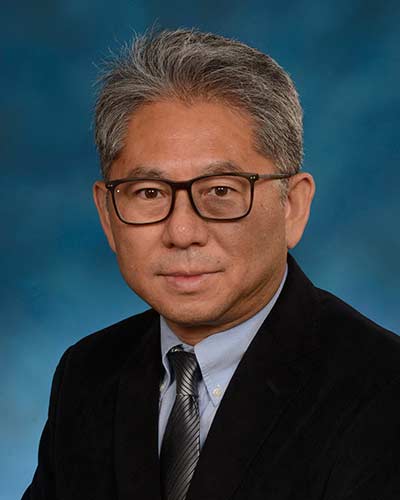
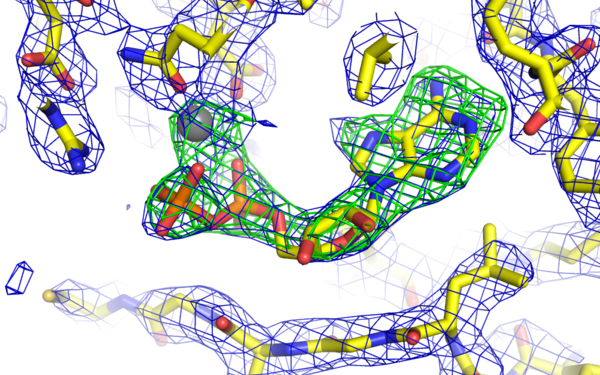
Dr. Shaojun Du is a Professor in the Department of Biochemistry and Molecular Biology at the University of Maryland School of Medicine and a faculty member at the Institute of Marine and Environmental Technology, University of Maryland. His research focuses on genetic and epigenetic mechanisms regulating muscle development, growth, and repair using zebrafish models. Education: PhD in Biochemistry and Molecular Biology (University of Toronto, 1993), Postdoctoral Fellowship in Genetics (Howard Hughes Medical Institute, University of Washington, 1993–1997) Dr. Du’s work explores the roles of molecular chaperones (e.g., Hsp90α1), histone modifiers (e.g., SmyD1), and fusogenic proteins (Myomaker/Myomixer) in myofibril assembly, sarcomere organization, and myoblast fusion. His lab employs Tol2 transposon, TALEN, and CRISPR technologies to generate transgenic and mutant zebrafish models. The scientific awards section is currently empty, but his research has been funded by the NIH (Grant 1R01AR072703-01A1, 2018–2025). His publications highlight breakthroughs in muscle cell identity specification via Hedgehog signaling and the critical role of post-translational modifications in protein stability. Dr. Du’s lab has developed over 40 zebrafish models to study muscle structural proteins, transcription factors, and microRNA networks, contributing to understanding neuromuscular diseases and advancing aquaculture applications.
Elling W Jacobsen is a Professor at the Division of Decision and Control Systems, KTH Royal Institute of Technology . His research focuses on process control (mathematical modeling and control of chemical and biochemical systems) and systems biology (learning intracellular network structures and analyzing their impact on cellular robustness). He has held academic positions at Imperial College, Caltech, and NTNU. He is affiliated with the IFAC Technical Committee on Chemical Process Control and serves on the Editorial Board of IET Systems Biology . Research Interests Dynamic behavior of process systems Feedback mechanisms in biochemical systems Network interactions in cellular functions Scientific Awards O. Hugo Schuck Award ExxonMobil Prize Teacher Award 'En Fjäder i Hatten' Teaching Roles Examiner for multiple advanced courses in control systems and robotics Teacher for nonlinear control, multivariable control, and sustainable systems
Remco Westerink is Associate Professor at Utrecht University's Faculty of Veterinary Medicine and head of the Neurotoxicology Research Group at the Institute for Risk Assessment Sciences (IRAS). His work focuses on cellular and molecular mechanisms of neurotoxicants in food, drugs, and environmental pollutants. Expertise Areas: In vitro toxicology, developmental neurotoxicology, neuropharmacology, microplastics, risk assessment of chemicals Techniques: Multi-electrode arrays, calcium imaging, PC12 cell models, human iPSC-derived neurons Research explores how pollutants like pesticides, flame retardants, and microplastics affect brain development, function, and degeneration through key projects including EU-funded initiatives (TUBE, ENDpoiNTs) and national collaborations. Recent articles highlight his team's work on neurotoxic effects of: Microplastics crossing blood-brain barrier Bisphenols and PFAS disrupting neuronal networks Insecticides altering calcium signaling Organophosphate flame retardants (TCP) linked to aerotoxic syndrome Designer drugs affecting neurotransmission Scientific Contributions: Editorial Board: NeuroToxicology , Toxicology in Vitro Keynote Speaker: 1st International Congress on Global Environmental Contamination (2014) Invited Talks: International Neurotoxicology Association meetings (2012-2017) Westerink leads research into advanced in vitro models to replace animal testing, including development of 48-well microelectrode array platforms and collaborations with Mimetas and RIVM for organ-on-a-chip technology.
Univ.Prof.Dr.rer.nat. Lars Küpfer is a Professor at the Institute for Systems Medicine with focus on Organinteraction at RWTH Aachen University Hospital. His research combines physiologically-based pharmacokinetic (PBPK) modelling at whole-body level with systems biology effect models at cellular/tissue scale, particularly studying the gut-liver-axis and quantitative systems pharmacology/toxicology. He has a strong background in chemical engineering (TH Karlsruhe, RWTH Aachen, Carnegie Mellon University) and computational systems biology from his PhD work at ETH Zurich on yeast metabolism. Since 2005 at Bayer AG and 2011 at RWTH Aachen, he has developed multiscale models for drug development applications. Current focus areas: PBPK modelling, systems biology of human/microbial metabolism, drug-induced toxicity prediction Recent article trends show specialization in liver/kidney pharmacokinetics, metabolic disease biomarkers, and cross-species drug translation Key collaborations include Bayer AG, PortaCellTec, EU-STANDS4PM consortium, and HeCaToS He actively mentors students and researchers like Ömer Faruk Bay, René, Ravi Jairam, and Ahenk Zeynep Sayin in systems medicine projects.
Karin Dorman is a Professor in the Roy J. Carver Department of Biochemistry, Biophysics and Molecular Biology at Iowa State University, where she conducts interdisciplinary research at the intersection of computational methods and biological systems. Her work bridges bioinformatics algorithm development with investigations into immune signaling pathways and stem cell biology. Her educational background includes: PhD in 2001 from the University of California, Los Angeles B.S. in 1994 from Indiana University, Bloomington Dr. Dorman's research focuses on bioinformatics, computational biology, and molecular genetics, with significant contributions to genomic analysis methods and immunological mechanisms. She develops computational tools like MULTICLUST for population genetics and CAPG for polyploid genotyping, while investigating NOD1-dependent NF-kB signaling in hematopoietic stem cell specification. Her work on antimicrobial resistance prediction models bridges veterinary and human health through One Health frameworks. Analysis of her 2022-2025 publications reveals dual methodological and biological emphases: (1) innovative bioinformatics tools for genotyping, epigenomics, and microbiome analysis; (2) mechanistic insights into inflammatory signaling dynamics in stem cell development. This integration of computational and experimental approaches characterizes her interdisciplinary research program. No scientific awards are documented in the provided information. While specific advisees aren't listed in available materials, Dr. Dorman contributes to graduate education through Iowa State's Bioinformatics and Computational Biology Program. Her collaborative work with researchers like Ambuj Kumar and Robert Jernigan demonstrates active engagement in interdisciplinary teams focused on protein interactions and genomic analysis.
Thomas Leonard is a tenured Professor at the Max Perutz Labs (University of Vienna), where he leads a research group focused on lipid-mediated signal transduction and structural mechanisms of kinase regulation . His lab combines structural biology , biochemistry , and cell biology to dissect how cells integrate spatial and temporal signals. PhD in Structural Biology (MRC Laboratory of Molecular Biology, Cambridge) Postdoctoral work at NIH, Bethesda His research explores how lipid second messengers like PIP3 and PI3P control kinases such as Akt, PDK1, and Sgk3, with implications for cancer , neurodevelopmental disorders , and metabolic diseases . Recent work redefined PHLPP1/2 as pseudophosphatases and revealed novel activation mechanisms in Protein Kinase D (PKD) and DMPK kinases. The lab's publication trends highlight structural phylogenomics , membrane scaffolding , and allosteric regulation . Collaborations with institutions like LMU Munich and FWF-funded projects underscore their interdisciplinary approach. Lab Manager: Ronja Reinhardt PhD Students: Sumire Antonioli, Magdalena Otto, Lucas Piech, Eva Krotenheerdt, Felix Wolkenstein Master Students: Gabriela Ariza, Emese Galgóczi, Stefan Lenz The lab actively recruits at Master, PhD, and Postdoc levels for molecular signaling research.
Alessandro Sanzeni is an Assistant Professor at Bocconi University's Department of Computing Sciences since September 2022. Prior to this, he conducted research at Columbia University, Duke University, and the National Institutes of Health, with visiting appointments at the University of Chicago, University of California San Diego, and the Pasteur Institute in Paris. He holds a background in theoretical physics from the University of Milan, Italy. His research integrates theoretical frameworks (mathematical modeling, statistical physics, machine learning) with experimental neuroscience to study the visual system's computational principles, focusing on: Functional Models: Visual hierarchy transformations and abstraction mechanisms. Mechanistic Models: Neural dynamics across scales (dendritic, circuit, and multi-area interactions). Normative Models: Evolutionary advantages of brain network architectures over artificial models. Publications highlight his work on cortical networks, optogenetic stimulation, and mechanotransduction in sensory processing.
Mario Jolicoeur is a Full Professor in the Department of Chemical Engineering at Polytechnique Montréal. His research focuses on metabolic engineering, biomedical applications, and bioreactor design. He is affiliated with Spheroid AI Inc. (Co-founder, Scientific Director), Viridios (Collaborating Researcher), and the Institute of Biomedical Engineering (Member). Education: B.Sc.A., M.Sc.A., Ph.D. (Polytechnique Montréal and Paul-Sabatier University, Toulouse), Visiting Engineer (MIT) Jolicoeur develops metabolic engineering tools for cancer therapies and therapeutic agent production, designs mathematical models for cellular metabolism regulation, and creates aseptic culture equipment for diverse cells. His work spans CHO cells , microalgae , and tissue engineering . Recent publications highlight metabolic therapies for ovarian cancer, dynamic modeling of CHO cultures, and lipid production in Chlorella. Trends include cancer metabolism, mitochondrial dynamics, and bioreactor optimization. Supervision: He has mentored 43 graduate students since 1990, including those working on metabolic models, bioreactors, and biotherapies. Notable projects involve methylene blue in cancer treatment, ABE fermentation, and chondrocyte culture systems. Labs & Teams: Collaborates with interdisciplinary groups in biomedical engineering and chemical engineering, utilizing advanced bioreactor platforms and computational models.
Julie Thornton is a Senior Lecturer in Biomedical Sciences at the School of Chemistry & Biosciences, University of Bradford. She is the Academic Director of the Centre for Skin Sciences and Academic Lead for the Plastic Surgery and Burns Research Unit (PSBRU), focusing on skin and hair biology, wound healing, and aging. Her research emphasizes epigenetic processes and 3D co-culture models. Education: Not explicitly detailed in the text. Her research spans cellular and molecular studies of skin and hair biology, particularly in post-menopausal women. She investigates wound healing, aging, epigenetic changes, and gene regulatory networks using primary human cells and 3D cultures. Her work also explores collaborations with industry partners like Aveda/Estee Lauder, Nutraceutical Wellness LLC, and Follicum AB. Recent publications highlight blue light therapy in wound healing, estrogen's role in skin aging, intracrine steroid synthesis, and hormonal effects on hair follicles. Scientific trends include hormone receptors (ERβ, AR), oxidative stress, and bioimaging for model validation. Students: Lucy Trevor (radiotherapy tissue), Rachael Sutherland-Sedman (hair follicle aging), Paul Norton (antimicrobial resistance), Aqib Ahmed (TET enzymes), Aaiad Al Rikabi (fibroblast inflammation). Industry collaborations span KTP Innovate UK with Labskin, Aveda/Estee Lauder (hair aging), Nutraceutical (hair thinning), and Follicum AB (hair loss and diabetes).
Prof. dr Milena Đorđević is an Associate Professor at the Department of Anatomy, Faculty of Veterinary Medicine, University of Belgrade. Her work focuses on veterinary anatomy, pharmacokinetics, and pathological studies in animals. Veterinary Anatomy Comparative Pharmacology Animal Physiology Diagnostic Imaging Techniques Her research spans anatomical variations in wildlife species, pharmacokinetic differences between animal species, and clinical diagnostics of canine/feline diseases. She has published extensively in veterinary journals like Acta Veterinaria and Veterinarski Glasnik , covering topics from rodent vascular systems to feline liver pathologies. Key collaborations include studies with researchers such as Vanja Krstić, Nikola Krstić, and Miloš Blagojević. Her work integrates histopathological , imaging , and clinical analysis for veterinary diagnostics and wildlife anatomical research.
Dr. Anna Cai is a Lecturer in the Department of Applied Mathematics within the School of Mathematics & Statistics at the University of New South Wales (UNSW), a position she has held since 2011. Prior to this, she served as a postdoctoral researcher and lecturer at the University of California, Irvine from 2007 to 2011. Her educational background: Ph.D., The University of Melbourne, 2008 B.Sc. (First Class Honours), The University of Melbourne, 2004 Dr. Cai's research centers on Mathematical Biology , with specialization in cell migration dynamics , developmental pattern formation , and robustness in biological systems . She employs multi-scale mathematical modeling and stochastic analysis to investigate phenomena ranging from wound healing to zebrafish hindbrain development. Her work bridges theoretical mathematics with experimental biology to decode fundamental mechanisms governing cellular behavior and morphogenesis. Analysis of her 11 publications (2006-2015) reveals an evolutionary trajectory from foundational work on cell migration mechanics to sophisticated studies of developmental robustness. Early research established mathematical frameworks for wound-healing assays and immune cell dynamics, while later work pioneered noise-driven pattern formation models in zebrafish. A unifying thread is her focus on how biological systems maintain precision despite environmental fluctuations. Administrative responsibilities include: Applied representative on the postgraduate review committee UNSW study abroad and exchange course authority Current teaching assignments: MATH2121: Theory and Applications of Differential Equations MATH2018: Engineering Mathematics 2D Prior courses taught: MATH3041: Mathematical Modeling for Real World Systems MATH6781: Biomathematics
Jasmine Foo serves as Associate Head and Distinguished McKnight University Professor at the University of Minnesota-Twin Cities' School of Mathematics, holding the Northrop Professorship and co-directing the Therapy Modeling and Design Center. Her leadership spans academic administration and interdisciplinary research initiatives in mathematical oncology. Foo's research pioneers stochastic evolutionary modeling of cancer dynamics, integrating mathematical theory with clinical data to understand tumor initiation, progression, and treatment resistance. Her group focuses on five interconnected themes: plasticity and epigenetics in tumor evolution; drug resistance optimization; data-driven precision oncology; spatial carcinogenesis; and tumor-microenvironment interactions using organoid models. This work bridges probability theory, systems biology, and clinical oncology to develop novel therapeutic strategies. Analysis of her 15 most recent publications reveals a consistent emphasis on quantitative approaches to cancer evolution, with growing integration of machine learning and high-resolution experimental data. Key trends include modeling phenotypic plasticity in resistance development, optimizing dosing schedules using evolutionary principles, and translating spatial tumor dynamics into clinical applications. Scientific recognition includes: Honorable Mention, Feldman Prize for theoretical contributions to tumor evolution modeling Foo actively mentors graduate students and postdoctoral researchers through the School of Mathematics, with research supported by multiple grants (though specific funding sources aren't detailed). Her group maintains strong collaborations with experimental oncology labs and clinical researchers, facilitating data-driven model validation. She co-leads the Therapy Modeling and Design Center and organizes the UMN MathBio Group Meetings, fostering cross-disciplinary collaboration between mathematicians, biologists, and clinicians in cancer research.