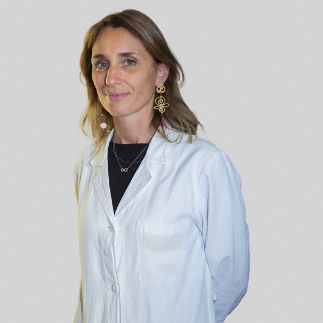
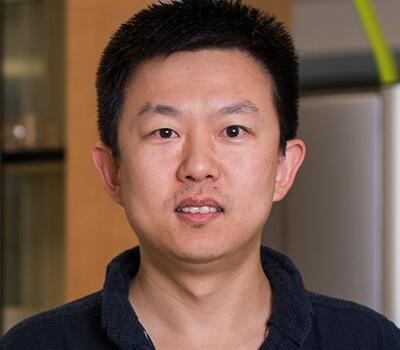
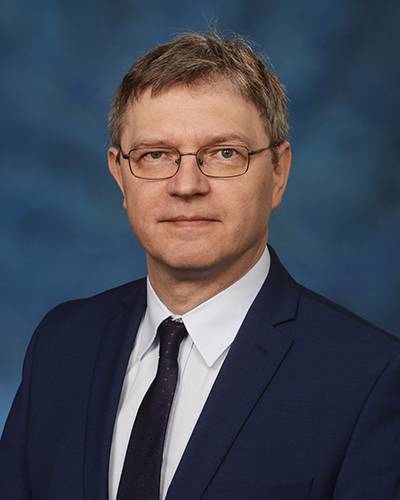
Professor Peter McNaughton is a Professor of Pharmacology at King's College London, affiliated with the Wolfson Sensory, Pain and Regeneration Centre and the Institute of Psychiatry, Psychology & Neuroscience. He holds a DPhil from the University of Oxford, an MA from the University of Cambridge, and a BSc from the University of Auckland. His research focuses on the cellular and molecular basis of pain, thermal sensation, and thermoregulation, with recent work exploring HCN2 ion channels' role in pain pathways and drug development. Key projects include investigating opioid-induced hyperalgesia, tinnitus mechanisms, and migraine treatments, supported by grants from the MRC, Wellcome Trust, and Brain Research UK. McNaughton is a Fellow of the Academy of Medical Sciences and has published extensively in journals like *Nature*, *Science*, and *EMBO Journal*. His lab has initiated drug development projects based on discoveries in ion channel modulation and pain management. Recent articles highlight his work on PGE2's role in pain, tinnitus identification in mice, and HCN2's involvement in opioid tolerance. Collaborations span global institutions, advancing understanding of sensory neuroscience and translational medicine.
Jonas Fuxe is a Professor and Head of the Department of Laboratory Medicine at Karolinska Institutet. His research focuses on cellular plasticity linking chronic inflammation and cancer, particularly mechanisms of tissue remodeling, epithelial-mesenchymal transition (EMT), and lymphatic metastasis. Affiliated with: Division of Pathology, Department of Laboratory Medicine, Karolinska Institutet Education: Doctor of Philosophy (2001), Docent (2011) Research interests include: Vascular Remodeling: Role of angiopoietins and Tie2 signaling in inflammatory and lymphatic vessel changes. Epithelial-Mesenchymal Transition (EMT): TGF-β1-induced EMT and its link to tumor invasion and metastasis. Tumor Microenvironment: Immune cell interactions, EMT-driven chemotaxis, and sex dimorphism in cancer progression. Recent publications highlight: EMT and lymphatic metastasis synergy via podoplanin-CCR7. TGF-β1-induced interleukins (IL7/IL15) in breast cancer. Adaptive NK cell immune memory in ovarian cancer. Machine learning models for organelle dynamics in EMT. Students and alumni include: Current PhD Students: Francesca Gatto, Wenyang Shi Former Postdocs: Mei-Fong Pang (Princeton), Jill Johnson (Imperial College London) Former PhD Students: Tove Berg, Vedrana Tabor, Sandra Travica Contact: jonas.fuxe@ki.se
Erin Green is an Associate Professor in the Department of Biological Sciences at the University of Maryland, Baltimore County (UMBC), where she leads an active research laboratory investigating epigenetic regulation through protein post-translational modifications. Her work integrates molecular biology, genetics, biochemistry, genomics, and proteomics using Saccharomyces cerevisiae and mammalian models to study chromatin signaling pathways in gene expression and stress response. Education: Postdoctoral Fellowship, Stanford University (2013) Ph.D., University of California, Berkeley (2007) B.A., Bryn Mawr College (2000) Dr. Green's research focuses on how histone methylation, particularly at lysine residues, regulates chromatin structure and function to maintain genomic integrity during cellular stress and gene expression. Her lab investigates canonical and novel methylation sites, non-histone protein methylation, and the role of lysine methyltransferases like Set5 and SMYD proteins in telomere maintenance and cancer pathways. Using evolutionary conserved yeast models, her work provides insights into human diseases including tumorigenesis and aging-related pathologies. Analysis of her 15 most recent publications reveals consistent emphasis on chromatin stress responses, telomere biology, and lysine methylation signaling. Key trends include: (1) mechanistic studies of SET domain proteins in stress adaptation, (2) crosstalk between histone modifications and DNA repair, (3) translational implications for cancer metastasis (particularly prostate cancer via SMYD3-MAP3K2 axis), and (4) development of yeast models for human aging processes. Her work bridges fundamental chromatin biology with disease mechanisms through conserved epigenetic pathways. Dr. Green has secured significant research funding including multiple NIH grants: a funded R01 on lysine methylation in chromatin and stress responses (2017-2022), an active project on SMYD lysine methyltransferase Set6 (2023-present), and previously funded work on telomere chromatin homeostasis (2016). She actively mentors graduate students including recent PhD graduates (Maraki Negesse, Elgar Gabibov) and current candidates (Chase Andre, Fidelia Asomani), with several trainees presenting at national conferences and publishing high-impact work. The Green Lab maintains a dynamic research environment within UMBC's Biological Sciences Building, characterized by frequent conference presentations (ASBMB, FASEB), collaborative projects, and integration of undergraduate researchers through programs like Meyerhoff and U-RISE. Current work focuses on lysine methylation signaling in stress responses, with ongoing projects examining noncanonical SET domain functions and SMYD methyltransferase roles in proteostasis.
Thomas Nielsen is an Associate Professor at the Department of Electrical and Computer Engineering, Aarhus University, specializing in Biomedical Engineering. His research bridges medical instrumentation development and clinical oncology applications, with particular expertise in diagnostic imaging technologies. Research Focus: Medical imaging innovation including advanced MRI techniques (hyperpolarized 13 C, 19 F, DCE-MRI) and photoplethysmography for cancer diagnostics Nanoparticle engineering for targeted drug delivery and contrast enhancement Tumor microenvironment analysis focusing on vasculature, hypoxia, and metabolic pathways Development of theranostic platforms combining diagnostics and therapeutics Publication Analysis: His recent work (2013-2022) demonstrates consistent focus on oncology imaging, with 73% of publications involving cancer diagnostics. Key methodological themes include nanoparticle-based contrast agents (33%), MRI technique development (40%), and photoplethysmography applications (13%). Research outputs frequently involve interdisciplinary collaboration across engineering, materials science, and clinical oncology. Projects: Directed three major research initiatives: F127-Folate coated SPION for cancer detection (2014) Chitosan coated PLGA PFOB nanoparticles for cell migration tracking (2013-2014) PLGA-PEG-Folate multimodal nanoparticles for combined MRI/NIR imaging and chemotherapy (2011-2014) Laboratory Affiliations: Conducts research through the Biomedical Engineering laboratories within the Department of Electrical and Computer Engineering, utilizing facilities for nanoparticle synthesis, optical imaging, and magnetic resonance experimentation.
Rosemary O'Connor is Professor of Cell Biology at University College Cork, where she joined the Department of Biochemistry in 1997 and was appointed to her professorship in 2007. She served as Head of the Department of Biochemistry from 2008 to 2010 and as Head of School from 2016 to 2021. She holds a BSc from University College Galway and a PhD from NUI Maynooth, with additional research experience gained in the USA and Germany in both academic (University of Wuerzburg, Wistar Institute at UPENN) and industry settings (Immunogen, Inc.). Her research program focuses on Insulin-like Growth Factor actions, particularly in cancer and neurodegeneration, with applications extending across multiple biological disciplines. She established the Cell Biology Laboratory at UCC and was a founding Investigator of the Biosciences Institute. Her current work takes an innovative spatio-temporal approach to determine how insulin and IGF-1 receptors emit specific signals in different tissues, using protein modeling and multiple receptor constructs to provide a structural basis for receptor activation. She also investigates the success of IGF-1R inhibition in Thyroid Eye Disease and its potential application to other inflammatory conditions. Her extensive publication record demonstrates consistent contributions to understanding IGF signaling pathways, receptor dynamics, and their roles in cancer progression and neurodegeneration. Her work spans from fundamental receptor biology to therapeutic applications, with recent publications focusing on spatio-temporal regulation of IGF signaling, mitochondrial dynamics in cancer cells, and connections between IGF signaling and inflammatory diseases. Irish Area Section Medal by the Biochemical Society (2007) Chair of Gordon Research Conference on Insulin-like Growth Factors in Physiology and Disease (2011) Award from Irish Association for Cancer Research for 'Outstanding contributions to cancer research on the Island of Ireland' (2019) President of the International Society for Insulin-like Growth Factor Research Professor O'Connor has supervised 24 PhD students to completion, co-supervised/mentored approximately 20 others, and trained more than 20 postdoctoral researchers and research assistants. She has served on scientific boards and advisory committees for the European Union, Science Foundation Ireland, the Breast Cancer Campaign (UK), and the Irish Cancer Society. She was Director of the structured PhD program in Cancer Biology at UCC and has been instrumental in establishing research infrastructure through her role as a founding Investigator of the Biosciences Institute. Her laboratory has made significant contributions to understanding IGF receptor signaling, cell adhesion mechanisms, and the role of specific proteins like PDLIM2, HRG-1, PNCI/SLC25A33, and PBK/TOP kinase in cellular processes relevant to cancer and other diseases.
Stefano Di Talia is a Professor at Duke University whose research focuses on quantitative developmental biology, specializing in cell cycle regulation and signaling dynamics during embryonic development and tissue regeneration. He leads an active laboratory investigating fundamental mechanisms in Drosophila embryogenesis and zebrafish regeneration, with particular emphasis on chemical waves, nuclear positioning, and morphogenesis control. Dr. Di Talia's research integrates advanced live imaging, genetic approaches, and mathematical modeling to investigate developmental coordination mechanisms. His primary research areas include: Cell cycle synchronization in early Drosophila embryos Chemical wave propagation in biological systems Nuclear positioning and cell cycle control relationships Zebrafish scale and fin regeneration dynamics Tissue scaling mechanisms and pattern formation Quantitative approaches to morphogenesis Analysis of Dr. Di Talia's recent publications reveals a strong emphasis on physical and molecular mechanisms governing development. His work increasingly combines live imaging with mathematical modeling to uncover fundamental biological principles, with a notable focus on wave phenomena from mitotic waves in embryos to ERK signaling waves in regenerating tissues. His research effectively bridges physics and biology to explain complex developmental processes. Dr. Di Talia has received significant recognition for his scientific contributions: Scialog Fellow (2018) for Chemical Machinery of the Cell Mentored students receiving HHMI International Student Research Fellowships Mentored students winning Norton B. Gilula Travel Awards Mentored students receiving E. Bayard Halsted Scholarships Mentored students winning Best Talk Awards at specialized meetings Dr. Di Talia actively mentors graduate students and postdoctoral researchers, with Victoria completing her PhD on nuclear positioning and cell cycle synchronization as his first doctoral student. He has guided postdocs like Alessandro (Swiss National Science Foundation Fellow) and multiple graduate students through successful research careers. His laboratory members regularly secure competitive fellowships and travel awards, reflecting the high quality of research and mentorship in his lab. The Di Talia laboratory is a dynamic research group that regularly presents at major conferences including the American Society for Cell Biology meeting, Society for Developmental Biology meeting, and qBio meeting in Hawaii. Dr. Di Talia co-directed the Morphogenesis Summer School at KITP and maintains strong collaborative relationships with researchers at UNC (Bob Duronio, Bill Marzluff), Princeton (Stas Shvartsman), and international partners in Paris. His laboratory's interdisciplinary approach combines biological experimentation with physical and mathematical principles to advance understanding of developmental mechanisms.
Prof. Dr. Anja Meissner is a leading physiologist at the University of Augsburg's Medical School, specializing in vascular biology with affiliations to Lund University and DZNE Bonn. Her research focuses on Sphingosine-1-phosphate (S1P) signaling in cardiovascular diseases, hypertension, and neurovascular interactions. University of Augsburg, Medical School Lund University collaborations DZNE Bonn partnerships Research Highlights: Investigates immune system roles in hypertension, heart failure's target organ effects, S1P pathway in stroke, cardiovascular risk factors' impact on brain function, and environmental influences on vascular health. Key methods include non-invasive imaging , flow cytometry , and in vitro/ex vivo models . Publication Trends: Recent work emphasizes microfluidic neurovascular models , glymphatic system dysfunction , and sex-specific cardiovascular responses . Collaborations span neurology, cardiology, and environmental science institutions. Awards & Grants: DFG Project Funding (2025-2028) Hjärnfonden Grant (2024-2025) Albert Påhlsson Foundation (2022-2025) Swedish Research Council (2023-2026) Educational Impact: Mentored 15+ PhD students including Lotte Vanherle and Frank Matthes. Leads international research teams with scholars from Sweden, Belgium, Italy, and Canada. Current grants focus on CFTR therapeutics and sex-specific hypertension consequences .
Dr. Ana Tadijan is a research associate at the Ruđer Bošković Institute (Division of Molecular Biology, Laboratory for Molecular and Cellular Biology) in Zagreb, Croatia, where she investigates the molecular mechanisms governing cancer progression, drug resistance, and cell adhesion. Education & Academic Standing: PhD-level researcher (Research Associate) continuously active at RBI since at least 2012. Supervises graduate theses and mentors MSc/PhD students (e.g., Doris Stepić, Kristina Čuljak, Christine Supina, Ana Dekanić). Research Interests: Her work integrates cancer cell biology , integrin-mediated adhesion , mitochondrial metabolism , p53-family signalling , and targeted therapy resistance in melanoma and breast cancer models. Additional focus lies on neuroprotective signalling of cannabinoids and nanoparticle toxicology. Publication Profile: Since 2012 she has co-authored >40 peer-reviewed papers and conference abstracts. Recent output (2021-2024) centres on: Mechanisms of vemurafenib and BRAF-inhibitor resistance in melanoma. Role of mitochondrial NME6 and Sirt3 in tumour metabolism. Integrin α6β4 and αV-containing adhesomes driving adhesion and drug sensitivity. p53-family splice isoforms as modulators of melanoma aggressiveness. Scientific Awards & Funding: While no specific prizes are mentioned, she is a recurring presenter at the International p53 Workshop, FEBS, EACR, and national Croatian cancer-research meetings, indicating sustained competitive funding and recognition. Laboratory & Collaborations: She conducts research within the RBI Laboratory for Molecular and Cellular Biology, collaborating extensively with groups led by Maja Herak Bosnar, Neda Slade, Andreja Ambriović-Ristov, Martin Humphries (UK), and international partners on adhesome proteomics and melanoma resistance projects.
Kathryn Meier is a Professor in the Department of Pharmaceutical Sciences at Washington State University College of Pharmacy and Pharmaceutical Sciences. She serves as the Associate Dean for Undergraduate Programs and holds a PhD in pharmacology from the University of Wisconsin, Madison, and a Bachelor of Arts in biology from the University of California, San Diego. Education: PhD in pharmacology, University of Wisconsin, Madison Bachelor of Arts in biology, cum laude, University of California, San Diego Research Interests: Her laboratory investigates the molecular pharmacology of signal transduction , particularly focusing on G protein-coupled receptor (GPCR) mechanisms by which omega-3 fatty acids inhibit cancer growth. Key model systems include prostate and breast cancer cells , with a special emphasis on lysophosphatidic acid (LPA) as an autocrine/paracrine mediator of growth and inflammation. She also explores adhesion signaling proteins like FAK and CCNs and their regulation by growth factors. Teaching: Dr. Meier currently teaches PharmSci 530 "Foundations of Cellular Regulation" (instructor of record) and delivers two lectures in PharmSci 579 "Introduction to Research" , alongside guest lectures in other courses. Publication Trends: Her work spans phospholipase D functions , LPA signaling in cancer , adhesion protein dynamics , and omega-3 fatty acid mechanisms . Recent studies highlight the interplay between growth factors (e.g., EGF) and LPA in oncology .
Sicong He is a Tenure-Track Assistant Professor at the School of Life Sciences, Southern University of Science and Technology (SUSTech), where he also holds a joint appointment with the Department of Biomedical Engineering. He received his B.Eng. in Optical Engineering from Zhejiang University in 2012 and his Ph.D. in Electronic and Computer Engineering from the Hong Kong University of Science and Technology in 2017. Following his doctoral studies, he completed a postdoctoral fellowship at the Hong Kong University of Science and Technology from 2017 to 2020 before joining SUSTech in December 2020. Dr. He's educational background includes: Ph.D., Electronic and Computer Engineering, Hong Kong University of Science and Technology (2012-2017) B.E., Optical Engineering, Zhejiang University (2008-2012) Dr. He's research focuses on the development of novel optical imaging techniques and their biological applications. His work spans three primary areas: adaptive-optics multiphoton fluorescence microscopy for high spatial-temporal resolution imaging, high resolution infrared laser-mediated gene induction microscopy for in vivo single-cell labeling and lineage tracing, and multimodal nonlinear optical microscopy integrating multiphoton fluorescence imaging, second/third harmonic generation, and stimulated Raman scattering. His research bridges optics, engineering, and life sciences, with applications in neuroscience, developmental biology, and hematology. He has developed imaging techniques that enable unprecedented visualization of biological processes at cellular and subcellular levels in living organisms. Analysis of Dr. He's publication record reveals a strong focus on advanced optical microscopy techniques applied to biological systems. His work demonstrates expertise in developing and applying adaptive optics, infrared laser-mediated techniques, and multimodal nonlinear optical imaging approaches. These techniques have been successfully applied to diverse biological questions spanning neuroscience (spinal cord imaging, brain imaging), developmental biology (lineage tracing in zebrafish), hematology (blood cell development), and metabolism (brown and beige fat studies). Dr. He has received several honors and awards including: Postgraduate Scholarship of Hong Kong University of Science and Technology (2012-2017) Top 100 Undergraduate Thesis Prize of Zhejiang University (2012) As a PhD supervisor at SUSTech, Dr. He mentors graduate students in interdisciplinary research at the intersection of optics, engineering, and life sciences. His laboratory likely focuses on developing next-generation optical imaging technologies while exploring their applications in various biological systems. He teaches undergraduate courses including Systems Biology (BIO304) and Signals and Systems (EE205), as well as the graduate course Advanced Techniques in Biomedical Imaging (BIO5038). Dr. He's laboratory is likely located in Room 410, Research Building 2 at SUSTech, where he continues to develop innovative optical imaging techniques and apply them to challenging biological questions.
Oscar Maiques is a researcher specializing in spatial biology and tumor microenvironment dynamics. His work integrates digital pathology, multi-omic data, and advanced imaging to study cellular plasticity, transformation, and extracellular matrix interactions in cancer progression, with a focus on melanoma, breast, and pancreatic tumors. He leads a research group and contributes to clinical biomarker discovery. Affiliation : Centre for Cancer Biomarkers and Biotherapeutics Research Interests : His research emphasizes spatial biology and tumor microenvironment analysis using 3D models to understand disease mechanisms, early diagnosis, and therapeutic vulnerabilities. Key themes include mechano-sensing , cytoskeletal remodeling , and cell migration in metastasis. Publication Trends : Recent articles focus on mechanobiology in melanoma progression (2019-2025), myosin II activation, LAP1 nuclear mechanics, and migrastatic drug evaluation. These works highlight intersections between cell migration , biomarker identification , and 3D modeling in oncology. Scientific Awards : Pancreatic Cancer UK Career Foundation Fellowship (£294,999.99, 2026-2029) MRC iCase PhD Studentship (2025-2029) Barts Charity Precision Medicine Programme Part 2 Lectureship Collaborations & Activities : He is an associate editor for Molecular Diagnostics and Therapeutics and participates in cancer research societies (British Association for Cancer Research, European Association for Cancer Research). His lab investigates mechano-signaling and cellular memory in metastatic environments.
Bernardo Maria Ester serves as Associate Professor of Pediatrics at Vita-Salute San Raffaele University's School of Medicine, where he holds multiple leadership roles including Member of the Steering Committee for the PhD Program in Molecular Medicine and Deputy Director of its 'Cell and Gene Therapy' curriculum. His clinical work centers at IRCCS San Raffaele Hospital as Head of the Pediatric Immuno-hematology Unit and Coordinator of the Pediatric Allogeneic Transplant Area. PhD in Biological Characterization and Clinical Application of Human Mesenchymal Stem Cells (Leiden University, 2010) Specialization in Pediatrics (University of Pavia, 2005, cum laude ) Degree in Medicine and Surgery (University of Pavia, 2000, cum laude ) His research bridges clinical practice and laboratory investigation with focus on gene therapy for metabolic disorders and hematopoietic stem cell transplantation . As a translational physician-scientist, he pioneered the first-in-human lentiviral gene therapy trial for Mucopolysaccharidosis Type I (Hurler variant) serving as Principal Investigator. His work spans stem cell biology, immunomodulation using mesenchymal stromal cells, and therapeutic development for rare pediatric diseases including ADA-SCID and Metachromatic Leukodystrophy. Analysis of his 15 most recent publications reveals consistent focus on ex-vivo gene therapy (72% of works), with particular emphasis on mucopolysaccharidoses and lysosomal storage disorders. His clinical research examines long-term outcomes, skeletal manifestations, and real-world implementation challenges, while basic science contributions explore transgene optimization and immunomodulatory mechanisms. AIRC Investigator Grant (2009) for tumor angiogenesis research Ministry of Health Young Researcher Grant (2008) Telethon Foundation Core Grant as Principal Investigator (2016-2021) European Commission Framework Program participation (Allostem, RETHRIM) As an educator, he supervises PhD candidates across multiple institutions and mentors 4 pediatric residents annually. His clinical trials portfolio includes national and international studies on gene therapy for ADA-SCID, Wiskott-Aldrich syndrome, and beta-thalassemia. At SR-TIGET (San Raffaele Telethon Institute for Gene Therapy), he leads the Pediatric Clinical Research Unit and serves as Project Leader developing novel cellular therapies.
Bo Sun is a Professor in the Department of Physics at Oregon State University's College of Science. His research focuses on the biophysics of cellular collective behaviors, particularly in cancer invasion and cell signaling. He leads a dynamic research group that employs advanced imaging and microfabrication techniques to study cell mechanics and dynamics in 3D environments. His educational background includes a Ph.D. in Physics from New York University (2010) and a B.S. from Tsinghua University (2003). Professor Sun's research examines statistical physics of cell signaling, cell mechanics, and collective cancer invasion. His work investigates how cells sense mechanical and chemical cues in extracellular matrices, with implications for understanding metastasis and developing tissue engineering strategies. Key areas include neuron calcium dynamics synchronization and cancer cell navigation through complex microenvironments. Analysis of his recent publications reveals consistent focus on 3D cancer migration mechanics, extracellular matrix remodeling, and computational modeling of multicellular networks. His group pioneered techniques for ECM microstructure patterning and dual mechanochemical guidance studies, establishing foundational insights into collective invasion geometry and force network dynamics. His scientific achievements include: NSF CAREER award (2019) for collective cellular mechanosensing research Richard T. Jones award from the Medical Research Foundation of Oregon (2019) SciRIS-ii award from the College of Science (2023) for 4D tissue programming Professor Sun has mentored 7 graduate students to completion (6 PhD, 1 Master's) and numerous undergraduates through SURE, REEU, and URSA programs. His research is funded by competitive grants including an NIH R01, NSF grant with University of Arkansas, DOD award, and HP seed funding for spatial biology technology. He directs the Sun Research Group, a multidisciplinary team investigating cellular collective behaviors through biophysical experiments and computational modeling. The lab maintains active collaborations with biologists and engineers, with recent work focusing on force fluctuations in tumor microenvironments and 4D tissue construct programming.
Miroslaw Janowski is a Professor in the Department of Diagnostic Radiology and Nuclear Medicine at the University of Maryland , where he co-directs the Program in Image Guided Neurointerventions (PIGN) . His research focuses on integrating advanced imaging techniques (PET, MRI) with neurointerventional therapies to enable precision medicine, particularly for central nervous system (CNS) diseases. Education: MD, Medical University of Warsaw (2001) PhD, Neuroscience, Mossakowski Medical Research Centre, PAS (2010) Postdoctoral Fellowship, Radiology, Johns Hopkins University (2011-2012) Research Interests center on overcoming the blood-brain barrier (BBB) through intra-arterial delivery, radiolabeling of therapeutic agents, and CRISPR-based genome editing. He has pioneered real-time MRI/PET-guided methods for targeted stem cell and drug delivery to the CNS. His work includes patents pending for BBB modulation and CRISPR applications. Recent Publications highlight advancements in intra-arterial antibody delivery, hyperpolarized metabolic imaging for stroke, 3D-printed soft robotics for endovascular interventions, and manganese-labeled hydrogels for cell transplantation. These studies span biomedical engineering, neuroscience, and translational medicine. Grants include NIH/NINDS, Geneva Foundation, and American Cancer Society funding for projects on BBB opening, warfighter brain health, and T cell PET imaging. His lab trains students and researchers in molecular imaging, neurointervention, and regenerative medicine.
Emanuela Bruscia is an Associate Professor of Pediatrics (Respiratory) at Yale School of Medicine, leading the Bruscia Lab within the Division of Pediatric Pulmonology, Allergy, Immunology & Sleep Medicine. Her research focuses on the role of CFTR mutations in immune dysfunction, particularly in macrophages and monocytes, and developing therapies to address lung inflammation and tissue repair in cystic fibrosis (CF). Education: PhD in Biochemistry and Molecular Genetics (2002) from University of Tor Vergata, Rome, Italy The lab investigates how CFTR deficiency affects immune cell behavior, using CF mouse models, patient specimens, and advanced cellular techniques. Key collaborations include the Yale Combined Program in the Biological and Biomedical Sciences, Yale Stem Cell Center, and the CF Center at Yale New Haven Hospital. Recent publications demonstrate her focus on monocyte/macrophage adaptation in inflamed lungs, CFTR-modulator therapies, and innovative approaches like electrochemiluminescence CFTR immunoassays and mRNA nanoparticle delivery. Her work bridges pulmonary immunology and hematopoietic stem cell biology to identify mechanism-based therapeutic targets.