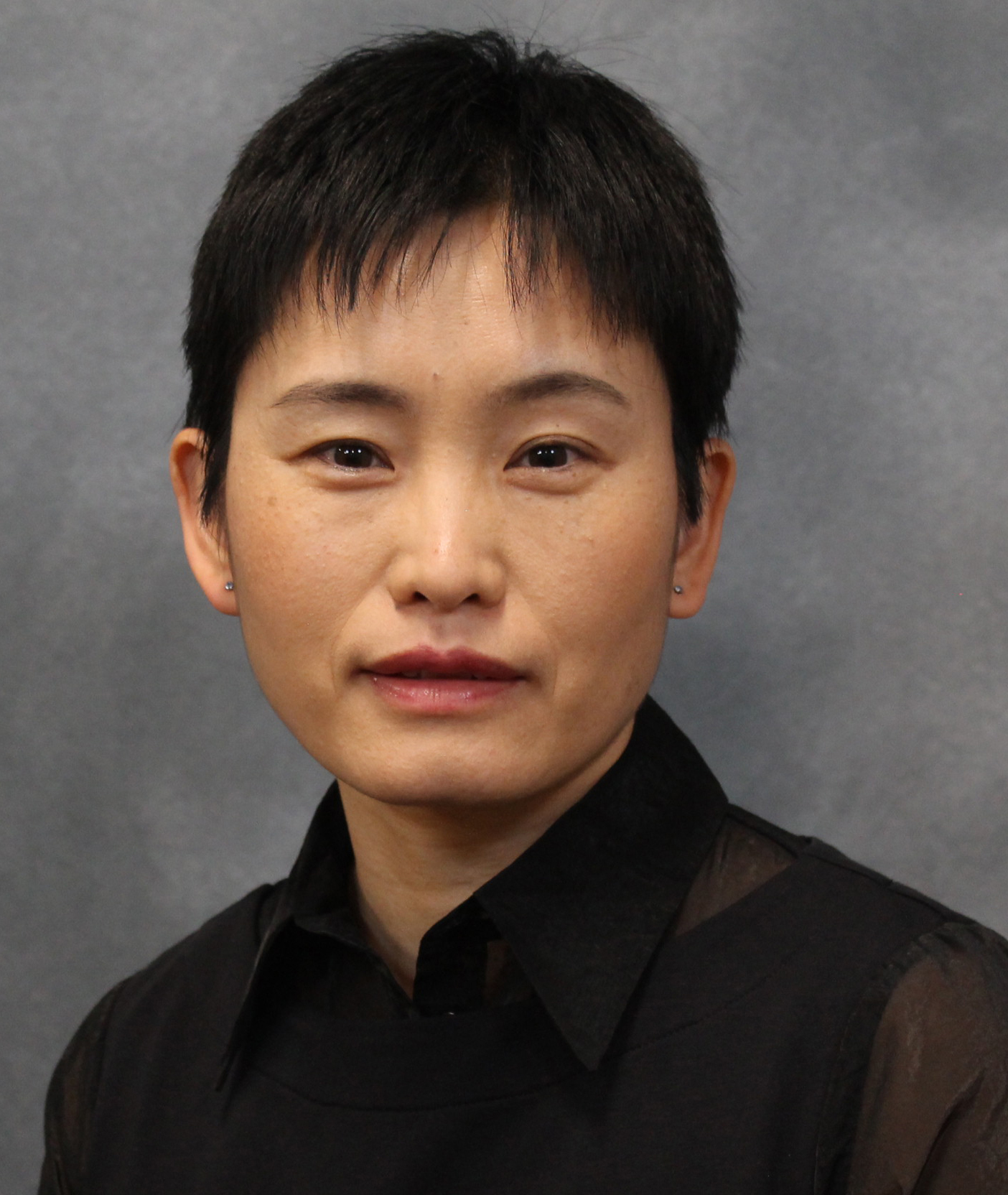
Professor Lisa Methven is a faculty member at the University of Reading, specializing in sensory and consumer science, flavor chemistry, and food product development. She leads the Sensory Science Centre and serves as Programme Director for the BSc Food Science with Business. Her research focuses on improving food palatability for older adults, investigating causes of individual sensory differences, and enhancing vegetable consumer acceptability. She holds a BSc (Hons) and PhD in relevant fields. Key grants include a 2008-2012 Research into Ageing grant and a multisite New Dynamics of Ageing project. She is a Fellow of the Institute of Food Science and Technology and actively involved in the SCI Food Group. Her work spans food fortification strategies, aging nutrition, and sensory perception studies. Notable contributions include developing protein-fortified recipes for older adults and studying the impacts of physical activity on appetite. External Activities: Committee member of SCI Food Group, Professional Food Sensory Group (PFSG) member Labs/Teams: Sensory Science Centre, Food4Years Network (improving foods for aging populations) Grants: Over £1M in grants focused on aging nutrition and sensory science
Dr. Ezgi Ozen is a Lecturer in Human Nutrition at the University of Reading's Department of Food and Nutritional Sciences, part of the School of Chemistry, Food & Pharmacy. She specializes in investigating the role of diet in body composition, with a focus on gene-nutrient interactions and metabolic health. Her work explores how macronutrient intake and genetic factors influence body fat distribution, appetite regulation, and cardiovascular disease risk. She is particularly interested in dietary interventions targeting aging populations to improve quality of life and health outcomes. Dr. Ozen holds a PhD in Human Nutrition from the University of Reading (UK), an MSc in Food and Nutritional Sciences (University of Reading, UK), and a BSc in Nutrition and Dietetics from Hacettepe University (Turkey). She is affiliated with professional bodies including The Nutrition Society, American Society of Nutrition, and European Association for the Study of Obesity. Her research interests span dietary fat metabolism, gene-nutrient interactions, and the impact of protein intake on appetite in older adults. She leads the Nutrition Research Group and contributes to modules such as 'Public Health Nutrition and Consumer Food Choice' (MSc) and 'Nutrition and Public Health' (MPAS). Her recent work emphasizes cross-sectional and interventional studies analyzing the effects of dietary fats on lipid profiles, inflammation markers, and body composition. Key research trends include investigating how replacing saturated fats with unsaturated options affects cholesterol metabolism, platelet function, and cardiovascular risk. Her studies also address vitamin D deficiency's role in adiposity and the modulation of APOE genotype effects on metabolic health. These findings contribute to evidence-based dietary guidelines and personalized nutrition strategies. Dr. Ozen has published extensively on dietary fat interventions, lipid metabolism, and aging populations. She collaborates on projects like the BODYCON study and RISSCI trials, focusing on translational research with public health implications. Her work bridges nutritional science and clinical outcomes, emphasizing practical applications to improve metabolic health across lifespans.
Mark Cooper is Professor of Diabetes and head of the Department of Diabetes within the School of Translational Medicine at Monash University. He is a leading researcher in diabetes and its complications, with a strong focus on kidney disease, cardiovascular disease, and blindness associated with diabetes. His work is internationally recognized and contributes to global health initiatives including the UN Sustainable Development Goals. Research Interests: His research centers on the pathophysiology and treatment of diabetic complications. Key areas include diabetic nephropathy, mechanisms of inflammation and oxidative stress in diabetes, regenerative approaches for beta-cell restoration, and the impact of novel antidiabetic therapies (such as SGLT2 inhibitors and GLP-1 receptor agonists) on organ protection. The most recent publications demonstrate a strong trend toward molecular and clinical investigations into kidney disease in diabetes, particularly focusing on pathways involving oxidative stress (e.g., NOX enzymes), inflammation (via RAGE and GLP-1), and real-world clinical outcomes. His team frequently collaborates with national and international experts in nephrology, endocrinology, and vascular biology. Scientific Awards: Officer of the Order of Australia (AO) Advising and Grants: While specific student names are not listed, Professor Cooper leads a major research department and supervises numerous researchers. He is the Primary Chief Investigator of significant funded projects, including the Meydan Family Foundation Diabetes Complications Research Hub (2016–2025), and has led or contributed to multiple national and international research grants. He also co-holds a patent related to diabetes research. Labs and Teams: He leads the Department of Diabetes at Monash, which is part of a broader network in the School of Translational Medicine. His team collaborates extensively with institutions such as the Baker Heart and Diabetes Institute and engages in both preclinical and clinical research. The department is active in public engagement, as seen in media appearances discussing the benefits of diabetes medications like Ozempic.
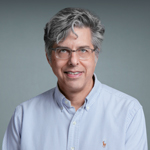
Michael J. Garabedian is a Professor in the Departments of Microbiology and Urology at NYU Grossman School of Medicine. His research focuses on nuclear receptor signaling in disease contexts including prostate cancer, atherosclerosis, and stress-related disorders. He holds dual appointments and serves as Acting Vice Chair for Education in Microbiology. Education: PhD in Biochemistry from Brandeis University (advisor not specified), followed by a postdoctoral fellowship at University of California, San Francisco studying glucocorticoid receptor mechanisms. Joined NYU Langone in 1994 as an Assistant Professor, transitioning to full Professor and expanding into urology research. Research Interests: The lab employs cutting-edge approaches like CRISPR screens, single-cell RNA-seq, and spatial transcriptomics to study: Nuclear receptor regulation in macrophages and immune cells Novel prostate cancer therapies targeting androgen receptors LXRα signaling in metabolic/vascular diseases Glucocorticoid effects on neuronal function during stress Collaborates with Susan Logan's lab on peptoid-based drug development. Lab Structure: 4 main researchers including co-mentored MD/PhD students Sophie Ruff and Jeff Schneider. Maintains close ties with the Logan Lab through shared projects. Lab Location: Alexandria Center for Life Science - East Tower, Room 324. Active in training programs as Faculty Senate Representative.
Prof. Abele Donati is a full professor at the Polytechnic University of Marche (UNIVPM) within the School of Medicine and Surgery , specifically in the Department of Biomedical Sciences and Public Health . His clinical practice is based at Ospedali Riuniti Umberto I - Clinica di Anestesia e Rianimazione Generale Respiratoria e del Trauma Maggiore in Ancona, Italy. Research Focus: Critical care medicine, sepsis, microcirculation, anesthesia, and respiratory failure Key Contributions: Expertise in hemodynamic monitoring, antibiotic resistance, ECMO, and perioperative medicine Publications Trends: Recent work emphasizes antimicrobial therapy for multidrug-resistant pathogens, microcirculatory dysfunction in sepsis, critical care pharmacogenetics, and advanced monitoring techniques during surgeries. His studies frequently involve multicenter collaborations and clinical trials. Contact: Email available at a.donati@univpm.it
Anthony Albert is an Associate Professor in Medical Education at Norwich Medical School , University of East Anglia, where he leads the development of the Graduate Entry Medicine course (2024–present). With over 25 years of research experience, he investigates receptor-ion channel coupling in vascular smooth muscle, focusing on therapeutic targets for cardiovascular diseases like hypertension and pulmonary artery hypertension. Education: BSc Human Biology (Oxford Brookes University, 1990) MSc Neuroscience (University of Edinburgh, 1991) PhD Neurophysiology (Royal Free Hospital Medical School, 1997) PgCert Healthcare and Biomedical Education (St George's, 2008) Senior Fellow, Higher Education Academy (2023) His research spans ion channel regulation in vascular cells, with funding from the British Heart Foundation and BBSRC. He pioneered studies on MARCKS , TRPC1 , and calcium-sensing receptors , linking these to vascular contractility and drug development. His educational impact includes curriculum design , student engagement , and advocacy for equality in higher education . Recent publications highlight his work on Na/H exchanger inhibition in diabetes drug-induced vascular relaxation and sex-dependent Kv7 channel regulation . His ORCID profile lists 80+ research outputs. He actively mentors PhD students and has received multiple teaching excellence awards (2018, 2020, 2024) for his student-centered approach and pastoral care. Scientific Awards: Excellence in Education Award (2018) Excellence in Education Award (2020) Excellence in Education Award (2024) Prof Albert's administrative roles include chairing promotion committees, mentoring leadership programs, and advocating for mental health as a First Aider and Think Tank member. His work bridges basic science and medical education reform , addressing curriculum coloniality and student transition challenges.
Sue Griffin is a Professor at the University of Arkansas for Medical Sciences , affiliated with the College of Medicine and the Department of Geriatrics . She holds secondary appointments in Neurobiology & Developmental Science, Pediatrics, Physiology and Cell Biology, and Psychiatry. Her research focuses on neuroinflammation, Alzheimer’s disease, and the role of apolipoprotein E (APOE) genotypes in neurodegenerative pathogenesis. NIH/National Institute on Aging R01AG084472 (2023–2028): Principal Investigator on neuroinflammation, protein aggregates, and autophagy rescue NIH R01HD037989 (2000–2007): Principal Investigator on cytokines in neurodegeneration and Down's syndrome NIH P01AG012411 (1995–2021): Principal Investigator on early events in Alzheimer pathogenesis Her work spans interdisciplinary fields including neuroimmunology, protein homeostasis, and cytokine signaling. Publications highlight connections between inflammation (e.g., IL-1β), amyloid pathology, and genetic risk factors like APOE4. She has contributed to understanding neuroinflammatory mechanisms in Alzheimer’s, Parkinson’s, and Down’s syndrome. Griffin’s recent articles focus on therapeutic strategies targeting autophagy, neuroinflammatory signaling in glioblastoma, and microbial contributions to Alzheimer’s neuropathology. Her research has been supported by NIH grants for over three decades, with collaborations across neurology, genetics, and pharmacology. She is affiliated with the Institute on Aging and the Center for Translational Neuroscience . Her work has been cited in over 50 scientific concepts, including Alzheimer Disease, Epilepsy, and Apolipoproteins E.
Sergiu-Bogdan Catrina is an Associate Professor and Senior Physician at the Growth and Metabolism research group within the Department of Molecular Medicine and Surgery , Karolinska Institutet . His dual role bridges clinical practice and research in diabetes complications. Education: Doctor of Philosophy (2005) Docent (2012) Research interests focus on molecular mechanisms of diabetes complications, particularly through: IGF-binding protein regulation (IGFBP-1) Oxidative stress and antioxidant therapies MicroRNA (e.g., miR-210) in glucose homeostasis Mitochondrial function in diabetic neuropathy Translational studies linking clinical observations to cellular mechanisms Key article trends reflect investigations into: IGF/IGFBP system as diagnostic/prognostic tools Dietary and antioxidant interventions in diabetes Epigenetic modifications (DNA methylation) miRNA in insulin sensitivity Novel compounds for mitochondrial protection Advising includes supervision of PhD candidate Camilla Olofsson , whose work examined fructose intake effects in type 2 diabetes. Labs/Teams: Leads the Growth and Metabolism group, collaborating with researchers studying: Kerstin Brismar (IGF system in diabetes) Gustav Dallner (tocotrienol-based drug development) Michael Tekle (oxidative stress biomarkers)
Professor Sarah Wild is an academic faculty member at the University of Edinburgh , affiliated with the College of Medicine and Veterinary Medicine and the Centre for Population Health Sciences . Her research focuses on diabetes epidemiology, particularly maturity onset diabetes of the young, type 2 diabetes, and cardiovascular disease. Role: Personal Chair of Epidemiology Collaborations: University of Glasgow, UK-based charities, and international institutions Research Trends: Analysis of her 442 research outputs reveals expertise in cohort studies, diabetic complications (retinopathy, liver disease), and health economics. Recent work explores the intersection of diabetes and cancer mortality, early-onset diabetes, and cost-effective interventions. Media Engagement: Her studies on type 2 diabetes' impact on life expectancy (BBC News, The Metro, etc.) and links between diabetes and liver disease have garnered significant international media coverage. Projects: Active initiatives include extended linkage studies for neonatal outcomes in diabetic pregnancies (2024–2026) and the UK Mental Health Platform: Hub for Metabolic Psychiatry (2024–2029).
Martin S Maron is an Associate Professor of Medicine at UMass Chan Medical School, specializing in hypertrophic cardiomyopathy research and clinical care. He is affiliated with Lahey Hospital and Medical Center in Burlington, MA, where he conducts research and provides patient care focused on cardiovascular diseases, particularly hypertrophic cardiomyopathy. Education: BA in Natural Science from Johns Hopkins University MS in Public Health from Tulane University School of Public Health and Tropical Medicine MD from Tulane University School of Medicine Dr. Maron's research primarily focuses on hypertrophic cardiomyopathy, with particular expertise in obstructive forms of the disease, cardiac imaging techniques, and novel pharmacotherapies including aficamten and mavacamten. His work spans clinical trials, epidemiological studies, genetic investigations, and the development of diagnostic and therapeutic approaches for hypertrophic cardiomyopathy. He has made significant contributions to understanding risk stratification, sudden cardiac death prevention, and the long-term management of patients with this condition. Analysis of Dr. Maron's recent publications reveals a strong emphasis on clinical trials evaluating new pharmacological treatments for hypertrophic cardiomyopathy, particularly aficamten. His research spans multiple dimensions including drug efficacy and safety, comparative studies between different treatment approaches, and investigations into the molecular and genetic underpinnings of the disease. There is also significant focus on epidemiological trends, international guideline comparisons, and the application of advanced imaging techniques for diagnosis and risk assessment. Dr. Maron has been actively involved in numerous multicenter clinical trials and collaborative research initiatives focused on hypertrophic cardiomyopathy. His work has contributed significantly to the evolving understanding and management of this complex cardiovascular condition, with implications for improved patient outcomes and quality of life.
Dr. Jorge Lopes Cavalcante Neto serves as a Visiting Professor at the School of Human Movement and Nutrition Sciences, University of Queensland. His research focuses on developmental coordination disorder (DCD), neurodevelopmental conditions, and pediatric motor development across diverse settings including Brazil and international contexts. Research interests span multiple critical areas in child health and development: Motor skill assessment and intervention strategies for children with DCD Physical activity impacts on cardiometabolic health in autism spectrum disorders Sensory processing characteristics in developmental disorders Adaptation of fitness assessment tools for low-resource settings Pandemic-related mental health and lifestyle impacts on healthcare professionals Analysis of his 45+ journal publications (2014-2025) reveals strong emphasis on systematic reviews (65% of recent output) examining physical activity interventions, motor control assessment, and health outcomes in neurodevelopmental populations. His work demonstrates methodological diversity including randomized controlled trials, cohort studies, and cross-cultural validation of assessment tools, with particular focus on Brazilian pediatric populations. Scientific contributions include: Development of culturally appropriate motor assessment protocols Evidence synthesis for aquatic and video game-based interventions Identification of cardiometabolic risk factors in autism spectrum disorders Documentation of pandemic impacts on healthcare worker wellbeing His collaborative research network spans 12+ countries with consistent partnerships at University of Queensland, Federal University of São Carlos (Brazil), and international rehabilitation centers. Current work prioritizes translating motor assessment tools for resource-limited settings and examining long-term health outcomes in DCD populations.
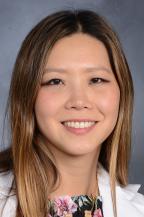
Lisa Qia Rong is an Associate Professor of Anesthesiology at Weill Cornell Medical College and an Associate Attending Anesthesiologist at NewYork-Presbyterian Hospital. Her clinical and academic work is centered on cardiovascular anesthesiology, with a focus on intraoperative echocardiography and perioperative outcomes in cardiac surgery. Associate Professor, Department of Anesthesiology, Weill Cornell Medical College Associate Attending Anesthesiologist, NewYork-Presbyterian Hospital Principal Investigator, NHLBI-funded research on surgical revascularization Education: B.A., Columbia University, 2005 M.D., Robert Wood Johnson Medical School, 2009 M.Sc., Weill Cornell Graduate School of Medical Sciences, 2021 Residency: NYU Langone Medical Center Fellowship: University of Washington Medical Center Dr. Rong’s research focuses on cardiovascular anesthesiology , particularly the use of 3D transesophageal echocardiography in guiding structural heart interventions and assessing myocardial function. She investigates perioperative outcomes , including atrial fibrillation, renal injury, and disparities in care based on sex, insurance status, and socioeconomic factors. Her work also emphasizes methodological rigor, authorship equity, and the integrity of medical literature, including retracted studies. Her recent publications (2023–2025) show a strong trend in intraoperative imaging , evidence-based guidelines , and healthcare disparities . She frequently contributes to high-impact journals such as Circulation , JACC , and British Journal of Anaesthesia , with a focus on echocardiographic validation, meta-analyses, and scientific statements. Her research bridges clinical practice with academic scholarship, particularly in optimizing cardiac surgical outcomes through advanced imaging and equitable care delivery. Scientific Awards: No awards listed in the provided text. Dr. Rong serves as Principal Investigator on an NHLBI-funded project examining the impact of surgical revascularization strategies on left ventricular function and clinical outcomes (2021–2026). She has no reported external relationships. She advises on methodological quality in guidelines and has published on authorship patterns, gender disparities, and research integrity, contributing to academic discourse beyond direct clinical research. She is actively involved in research networks such as the ROMA trial network and has contributed to large-scale analyses on TAVR, pericardiotomy, and pulmonary artery catheter use. Her work often involves collaboration across institutions and disciplines, reflecting a systems-level approach to improving cardiovascular care.
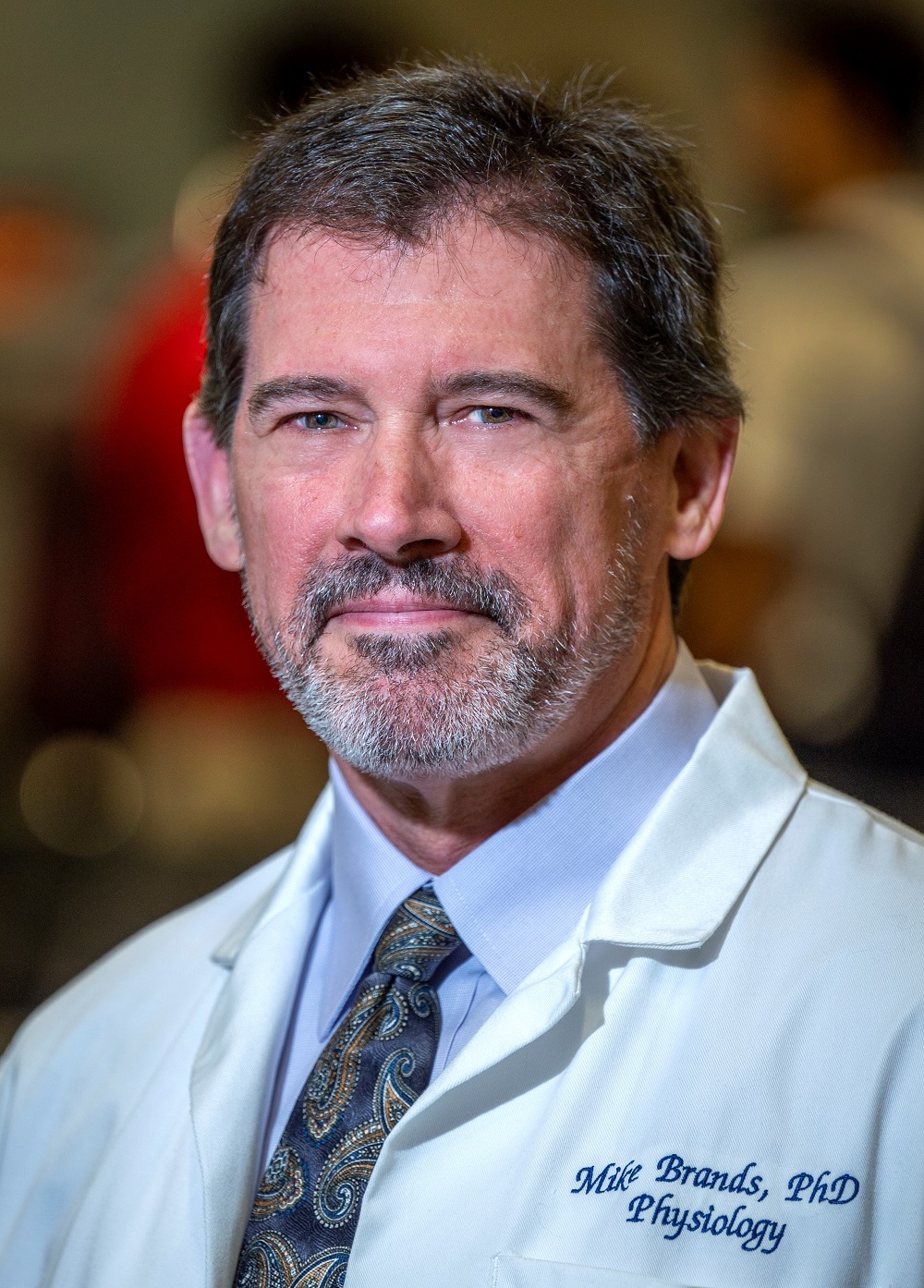
Michael Brands serves as Vice Dean and Professor of Physiology at Augusta University's Medical College of Georgia, holding a Regents' Professorship with active appointments in both the Department of Physiology and The Graduate School. His dual administrative and academic roles include curriculum leadership in medical education. Education: Ph.D. in Physiology, University of Missouri - Columbia (1988) B.S. in Biology, Rockhurst University (1983) Research Focus: Dr. Brands investigates cardiovascular-renal integrative physiology with emphasis on hypertension mechanisms. His seminal work demonstrates insulin's chronic sodium-retaining action and proves that natriuresis in uncontrolled Type I diabetes stems from insulin deficiency rather than hyperglycemia. Current studies explore sex-specific immune regulation of blood pressure using rodent models. Publication Trends: Recent work (2020-2023) reveals critical immune-hypertension interactions, particularly how T-regulatory cells mediate sex differences in blood pressure control. His research consistently employs translational models examining renal mechanisms in hypertension development, with growing focus on developmental origins of cardiovascular disease. Awards: Institutional Service Award (2020) Four consecutive Exemplary Teaching Awards (2013-2017) Service & Leadership: Dr. Brands chairs the Animal Care and Use Leadership Committee while directing MCG's Cardiopulmonary Module. His extensive editorial service includes 30+ years on the American Journal of Physiology board and NIH fellowship reviews, reflecting significant contributions to hypertension research infrastructure.
Jie Li is an Assistant Professor at the Vascular Biology Center within Augusta University's Medical College of Georgia, holding dual appointments in the Department of Pharmacology and Toxicology and the Department of Medicine: Cardiology. Her research focuses on understanding the molecular mechanisms of ubiquitin (Ub) and ubiquitin-like (Ubl) proteins in regulating cardiac muscle structure and function, with the goal of uncovering novel therapeutic strategies for heart failure. Education: Ph.D. in Biomedical Sciences from the University of South Dakota (2008) Her research spans ubiquitin signaling, mitochondrial quality control, and proteome maintenance in cardiomyocytes. Recent publications highlight her work on neddylation, Cullin-RING ligases, and mitophagy in cardiac development and disease. She actively serves as a grant reviewer for the American Heart Association and participates in departmental service roles, including echocardiography machine maintenance. Awards include the ACRE-APS Research Symposium recognition and multiple American Heart Association and University of South Dakota grants. She teaches graduate courses such as VBIO 9300 and VBIO 8010, emphasizing vascular biology and cardiovascular research methodologies. American Heart Association New Investigator Travel Award (2011) ACRE-APS Research Symposium Junior Faculty Award (2020) University of South Dakota Graduate Research Grant (2005) Protein Quality Control Symposium Poster Award (2011)
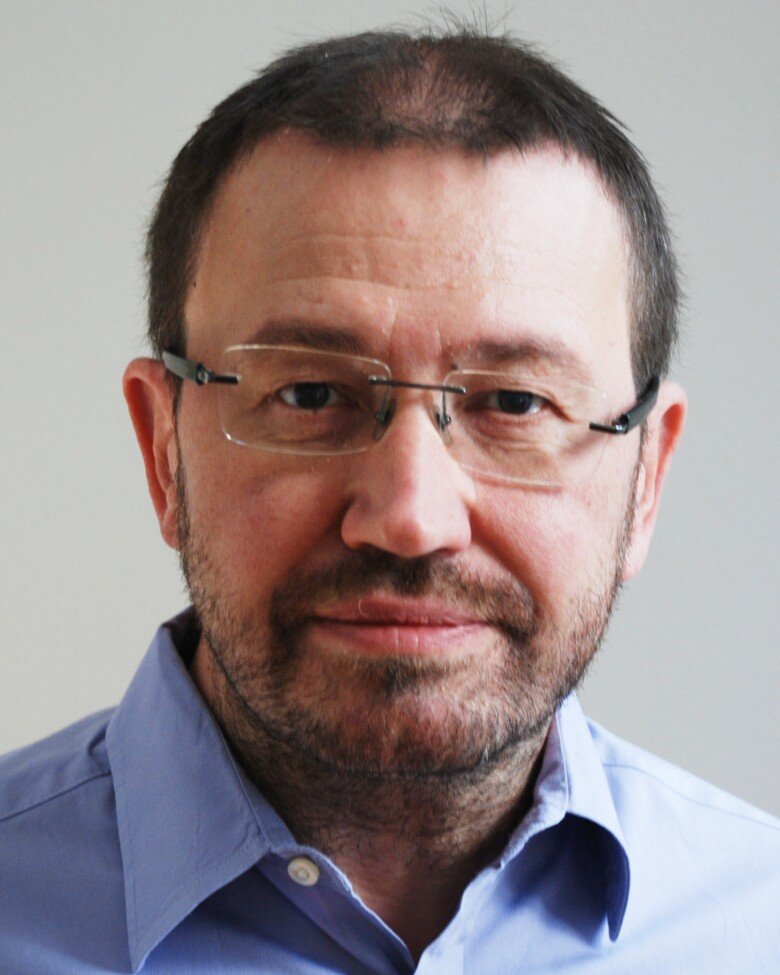
Professor Peter Catcheside is a distinguished sleep and respiratory physiologist at Flinders University's College of Medicine and Public Health, where he serves as a Full Member of both the Flinders Health and Medical Research Institute Sleep Health (formerly the Adelaide Institute for Sleep Health) and the Medical Device Research Institute within the College of Science and Engineering. Based in the Mark Oliphant Building's 6-bed sleep research facility in Bedford Park, South Australia, he maintains an active research program with over 265 research outputs spanning more than two decades. His primary research interests focus on obstructive sleep apnea, respiratory control mechanisms, arousal from sleep, environmental noise effects on sleep, upper airway neuromuscular control, cardiovascular disturbances related to sleep disorders, and circadian physiology. Professor Catcheside's work bridges clinical research with technical and computing expertise to investigate the mechanisms and consequences of disturbed breathing and sleep. His current research predominantly centers on improving treatments and diagnostic methods for sleep breathing disorders including obstructive sleep apnea, problem snoring, and central sleep apnea, as well as understanding how respiratory problems and environmental noise exposure affect sleep quality. Analysis of his 15 most recent publications reveals a strong emphasis on clinical applications of sleep research, with particular focus on sleep apnea diagnostics and treatment, cardiovascular consequences of sleep-disordered breathing, circadian rhythm analysis, and the relationship between sleep quality and various health outcomes including diabetes and athletic performance. His research employs sophisticated methodologies including polysomnography, advanced data modeling, and physiological measurements. Over 265 research outputs with consistent publication record through 2025 6877 total citations reflecting significant impact in the field 47 h-index demonstrating substantial scholarly influence Active supervision of students across multiple disciplines including Medicine, Physiology, Engineering, and Psychology Professor Catcheside has completed principal supervisions in Physiology (3) and associate supervisions across Medicine (3), Physiology (3), Engineering (2), and Psychology (1). His research program contributes to multiple UN Sustainable Development Goals, particularly in health and wellbeing. His work combines sleep and respiratory physiology measurements with circadian and cardiovascular physiology expertise to address complex questions in sleep medicine.