معرفی
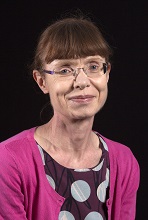
Dr. Ezgi Ozen is a Lecturer in Human Nutrition at the University of Reading's Department of Food and Nutritional Sciences, part of the School of Chemistry, Food & Pharmacy. She specializes in investigating the role of diet in body composition, with a focus on gene-nutrient interactions and metabolic health. Her work explores how macronutrient intake and genetic factors influence body fat distribution, appetite regulation, and cardiovascular disease risk. She is particularly interested in dietary interventions targeting aging populations to improve quality of life and health outcomes.
Dr. Ozen holds a PhD in Human Nutrition from the University of Reading (UK), an MSc in Food and Nutritional Sciences (University of Reading, UK), and a BSc in Nutrition and Dietetics from Hacettepe University (Turkey). She is affiliated with professional bodies including The Nutrition Society, American Society of Nutrition, and European Association for the Study of Obesity.
Her research interests span dietary fat metabolism, gene-nutrient interactions, and the impact of protein intake on appetite in older adults. She leads the Nutrition Research Group and contributes to modules such as 'Public Health Nutrition and Consumer Food Choice' (MSc) and 'Nutrition and Public Health' (MPAS). Her recent work emphasizes cross-sectional and interventional studies analyzing the effects of dietary fats on lipid profiles, inflammation markers, and body composition.
Key research trends include investigating how replacing saturated fats with unsaturated options affects cholesterol metabolism, platelet function, and cardiovascular risk. Her studies also address vitamin D deficiency's role in adiposity and the modulation of APOE genotype effects on metabolic health. These findings contribute to evidence-based dietary guidelines and personalized nutrition strategies.
Dr. Ozen has published extensively on dietary fat interventions, lipid metabolism, and aging populations. She collaborates on projects like the BODYCON study and RISSCI trials, focusing on translational research with public health implications. Her work bridges nutritional science and clinical outcomes, emphasizing practical applications to improve metabolic health across lifespans.