Steven Graham Adie is an Associate Professor in the Meinig School of Biomedical Engineering at Cornell University. His research focuses on biomedical optics and biophotonics imaging, particularly in developing novel optical coherence elastography and computational optical coherence microscopy techniques for mechanobiology and neuroscience. He received his BSc (First Class Honours in Chemical Physics) and PhD (Electrical and Electronic Engineering, specializing in Biomedical Optics) from The University of Western Australia, followed by a postdoctoral fellowship at the Beckman Institute, University of Illinois at Urbana-Champaign. Adie’s work integrates hardware and computational approaches to advance deep-tissue imaging, with grants including an NSF CAREER Award and NIBIB Trailblazer Award. His research interests include tumor microenvironment mechanics, adaptive optics for deep imaging, and multimodal microscopy systems. Notable recent achievements include a Nature Communications publication on light-sheet PF-OCE and an R01 grant for ultra-deep OCT integration. He teaches the Modern Biomedical Microscopy course and collaborates with the Xu Group on hybrid adaptive optics. Scientific awards include the NSF CAREER Award, NIBIB Trailblazer Award, and Cornell Innovation Seed Award. His group has presented at SPIE Photonics West, focusing on topics like optical elastography and wavefront correction. Current projects involve developing computational and hardware solutions for enhanced imaging depth and resolution in scattering media.
Fabien NATIVEL is a Pharmacist and Researcher affiliated with the University of Nantes, working within the UMR_S 1229 Regenerative Medicine and Skeleton research unit. His academic roles include research in regenerative medicine, cell therapy, and osteoarthritis treatment. He holds a doctoral thesis in Biology and Health (2022) and a Master II in Medical Devices and Biomaterials (2017). His research focuses on biocompatibility of biomaterials, medico-economic studies of medical devices, and cell-material interactions in therapeutic contexts. Key research areas include microencapsulation of mesenchymal stromal cells in alginate hydrogels for osteoarthritis treatment, economic analysis of medical device adoption, and in vitro toxicity studies of plasticizers. He has contributed to innovations in cell delivery systems and material science applications in healthcare. Publications highlight advancements in biomaterials engineering, healthcare economics, and clinical pharmacy education. His work bridges biomedical engineering and translational medicine, with a focus on translational regenerative therapies and medico-economic evaluations of medical technologies.
Maxime Sermesant serves as a permanent researcher at Inria, holding dual leadership roles as Head of Computational Cardiology at Inria Epione and Head of Multimodal Data Science at IHU Liryc. He is affiliated with the 3IA (Interdisciplinary Institute of Artificial Intelligence) at the University of the Côte d'Azur as a Chairholder, and co-founded both inHEART (serving as scientific advisor) and Therapixel. His research bridges artificial intelligence with physiological modeling to address critical healthcare challenges, particularly in cardiology. By integrating biophysical models as physiological priors into AI systems, he enhances robustness and explainability in medical applications. Core methodologies include reformulating clinical problems through biophysical simulations, learning spatiotemporal dynamics from physiological data, and augmenting AI features with simulated cardiac behavior. This approach spans biomedical image analysis, computational organ modeling, and machine learning for cardiac diagnostics. Scientific Awards: No awards specified in source materials Sermesant's entrepreneurial leadership through inHEART and Therapixel demonstrates translational impact, converting research into clinical tools for personalized cardiac care and medical imaging. While specific grant details aren't provided, his 3IA Chairholder position and leadership of two major research units indicate substantial project funding and collaborative networks within France's medical AI ecosystem. He directs the Computational Cardiology group at Inria Epione and the Multimodal Data Science team at IHU Liryc, focusing on developing AI-driven cardiac simulation frameworks that merge imaging data with biophysical models. Current work emphasizes creating clinically actionable digital twins of patient hearts to improve arrhythmia diagnosis and treatment planning.
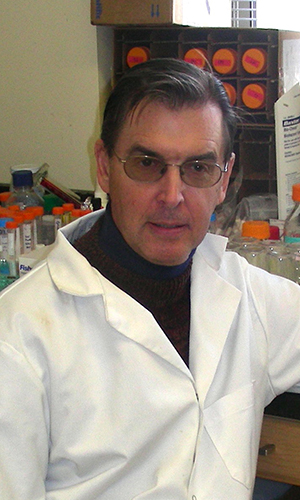
Diomedes Logothetis is a Professor in the Department of Pharmaceutical Sciences and Affiliated Faculty in Bioengineering at Northeastern University. His research focuses on ion channel physiology, G-protein coupled receptor (GPCR) signaling, and lipid-regulated membrane protein functions. He explores molecular mechanisms underlying ion channel activation, pharmacological modulation, and their implications in neurological and cardiovascular disorders. Key research themes include: GIRK channel regulation by phosphoinositides and G-proteins Structural-functional studies of TRP, KCa, and BK channels GPCR heteromerization and cross-signaling in neuropsychiatric diseases Development of optogenetic tools for kinase signaling studies Recent work emphasizes: Small molecule activators/inhibitors for therapeutic applications Role of cholesterol and PIP2 in channel function Mechanosensitive ion channel regulation Computational modeling of receptor activation pathways His lab employs advanced techniques including cryo-EM, molecular dynamics simulations, and optogenetic approaches to unravel molecular mechanisms at the lipid-protein interface. Current projects explore novel therapeutic targets for arrhythmias, schizophrenia, and pain management.
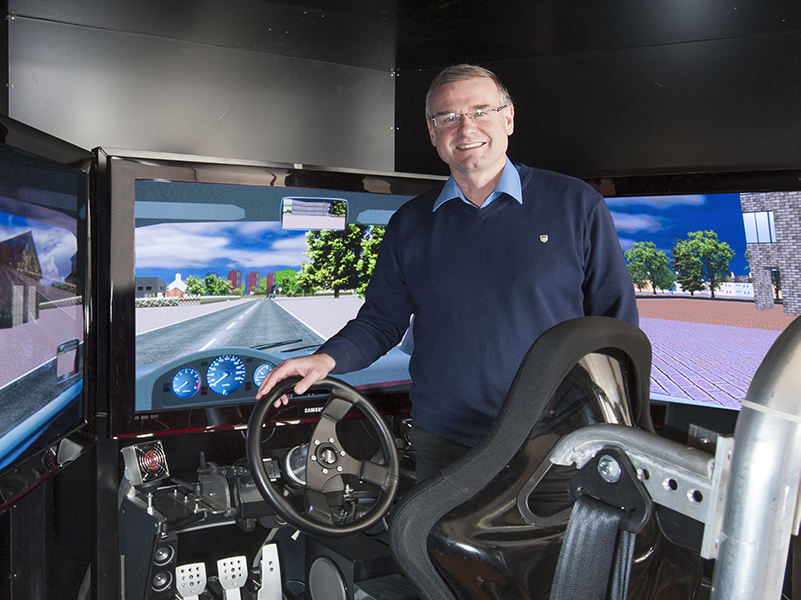
Bernard Favrat is an Associate Professor of Medical Expertise at the University of Lausanne (UNIL), Faculty of Biology and Medicine. He serves as an assistant physician at the Romand University Center for Legal Medicine (CURML) and the University Medical Outpatient Clinic (PMU), with a dual focus on traffic medicine and internal medicine research. His clinical and academic work integrates forensic, clinical, and epidemiological perspectives. Bachelor of Medicine, University of Lausanne (1986) Doctor of Medicine, University of Lausanne (1996) Master of Teaching and Research (MER1), University of Lausanne Training in Clinical Epidemiology, Yale University (1995–1997) Bernard Favrat's research spans two major domains: clinical expertise in traffic medicine and clinical research in internal medicine. His work in traffic medicine focuses on substance use (alcohol, medication, illicit drugs) and driving ability, including studies on cannabinoids and recidivism prevention through educational interventions. He is developing neuropsychological and neuroergonomic tools to assess driver fitness, particularly in seniors and vulnerable populations. In internal medicine, he leads randomized controlled trials on iron therapy for non-anemic fatigue and international projects on vitamin deficiencies, including meta-analyses of individual patient data. His work often involves collaboration with the blood transfusion service and the University Institute of Family Medicine. His publications since 2010 reflect a strong focus on forensic medicine, internal medicine, and public health. Key themes include impaired driving, substance abuse, iron and vitamin deficiencies, and primary care diagnostics. His research combines clinical trials, systematic reviews, and epidemiological studies, published in high-impact journals such as BMJ, PLoS One, BMC Medicine, and Forensic Science International. Bernard Favrat has received no explicitly mentioned scientific awards in the text, but his sustained publication record and leadership in national expert committees indicate professional recognition. He is actively involved in teaching pre- and postgraduate students in general medicine, traffic medicine, and medical expertise. He contributes to the federal medical examination and delivers postgraduate lectures on driving fitness. He serves on several national assessment committees, including the Fachausschuss Strassenverkehr and the Collège romand des spécialistes en aptitude à conduire, and acts as a co-expert for specialist certification in traffic medicine. Since 2012, he has been involved in developing training programs for medical expertise in social insurance within Swiss Insurance Medicine. Bernard Favrat collaborates with multiple institutions, including the CHUV, Geneva University Hospitals (HUG), Transfusion interrégionale CRS, and the University Institute of Family Medicine. He leads or participates in interdisciplinary research teams focused on traffic medicine, neuropsychological assessment, and clinical nutrition. His work on a neuropsychological test for vulnerable drivers involves simulation and cognitive assessment tools.
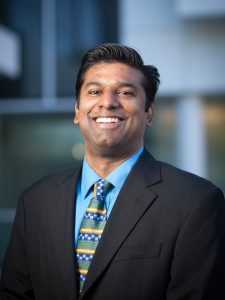
Cecil Johnny is an Adjunct Lecturer in the Department of Surgery at Monash University, affiliated with The Alfred Hospital in Melbourne, Australia. His work bridges clinical emergency medicine and academic medical education, with a focus on trauma care and resuscitative procedures. Dr. Johnny earned his MBBS from Christian Medical College & Hospital, Ludhiana, India, in 1998 and completed a Master of Surgery in 2005. He joined The Alfred in 2010, completed Advanced Training in Emergency Medicine, and was awarded Fellowship of the Australasian College for Emergency Medicine (ACEM) in 2017. His research and clinical interests center on thoracic trauma, resuscitation, wound management, and interventional procedures . He has extensive surgical experience in general surgery, cardiothoracic surgery, and vascular trauma. He is deeply involved in medical education, regularly instructing on The Alfred Trauma Service’s procedural and resuscitation training programs. The recent publication trends reflect a strong focus on trauma management—particularly hemorrhage control in pelvic and retroperitoneal injuries, advanced airway techniques, and rare cardiac traumas. His work combines clinical observation with educational and procedural innovation. While no formal scientific awards are listed, his publications in journals such as EMA - Emergency Medicine Australasia , Injury , and Trauma Case Reports indicate active scholarly engagement. Dr. Johnny has mentored learners through teaching roles and procedural supervision, though specific advisees are not named. He has not received public mention of research grants, but his collaborative research suggests involvement in institutional trauma studies. His work is closely tied to The Alfred Trauma Service, where he contributes to both clinical care and educational programming. He is part of a robust research network at a Level-1 trauma center, collaborating with specialists in emergency medicine, surgery, and critical care. His recent studies involve retrospective reviews and cadaveric trials, indicating a hands-on, clinically grounded research approach.
Oliver Rheinbach is a Professor of High-Performance Computing in Continuum Mechanics at the Institute of Numerical Mathematics and Optimization, Faculty of Mathematics and Computer Science, TU Bergakademie Freiberg. He also serves as the Pro-Dean of the faculty and the Scientific Director of the University Computing Center (URZ). His academic affiliations reflect a deep integration of computational mathematics and high-performance computing in engineering and biomedical applications. Research Interests: His primary fields include High-Performance Computing, Numerical Mathematics, Domain Decomposition Methods, Finite Element Methods, and Fluid-Structure Interaction. His work bridges theoretical numerical analysis with practical applications in biomechanics, materials science, and exascale computing. He actively explores the co-design of algorithms and solvers for next-generation supercomputers. Research Trends from Publications: The 15 most recent articles reveal a consistent focus on scalable domain decomposition methods (e.g., BDDC, FETI-DP), particularly for nonlinear and time-dependent problems in solid and fluid mechanics. There is a strong emphasis on parallel algorithms for exascale systems, with applications in hemodynamics, glacier modeling, and cardiac simulation. Recent work integrates machine learning into inverse problems, indicating a forward-looking research direction. Scientific Awards and Recognition: h-index of 28 (Google Scholar), 16 (zbMATH) Active participation in DFG and BMBF-funded priority programs Leadership roles in major academic and computing infrastructures Advising and Grants: While no formal list of students is provided, his leadership in research projects such as SPP2311, SPP2256, and SCALEXA suggests extensive mentorship and collaboration. He has secured substantial grant funding from the DFG (e.g., EXASTEEL, Domain-Decomposition-Based FSI) and BMBF (SCALEXA, OERSax), reflecting national recognition of his research impact. Labs and Teams: As Scientific Director of the URZ, he leads the university's high-performance computing infrastructure. He is deeply involved in the Faculty’s Compute Cluster and collaborates with interdisciplinary teams in computational biomechanics and materials science. His work in the SPP2256 and SPP2311 consortia involves national and international research networks focused on variational modeling and cardiovascular simulation.
Radu Grosu is a full professor and head of the Institute of Computer Engineering at the Faculty of Informatics, Vienna University of Technology (TU Wien). He also serves as a research professor in the Department of Computer Science at the State University of New York at Stony Brook (USA). His leadership extends to directing the Cyber-Physical Systems research group at TU Wien and previously co-directing the Concurrent-Systems Laboratory and co-founding the Systems-Biology Laboratory at SUNY Stony Brook. His research focuses on the modeling, analysis, and control of cyber-physical and biological systems. Key application domains include distributed automotive and avionic systems, Internet of Things (IoT), autonomous mobility, green operating systems, mobile ad-hoc networks, and biological networks such as cardiac, neural, and genetic regulatory systems. His methodological expertise lies in formal methods, hybrid systems, and compositional design. The recent trend in his publications emphasizes formal frameworks for cyber-physical system design, verification of AI-based controllers, green computing, and modeling of biological systems using hybrid and stochastic models. His work bridges theoretical rigor with practical applications in safety-critical domains. Scientific Awards: National Science Foundation Career Award State University of New York Research Foundation Promising Inventor Award Association for Computing Machinery Service Award Advising and Grants: Radu Grosu has co-directed research laboratories and mentored students in concurrent and systems biology research. He has secured competitive funding, evidenced by the NSF CAREER Award and other institutional recognitions. His leadership in founding and directing labs indicates strong grant acquisition and team mentorship capabilities. Labs and Research Groups: He leads the Cyber-Physical Systems group at TU Wien and previously co-directed the Concurrent-Systems Laboratory and co-founded the Systems-Biology Laboratory at SUNY Stony Brook, fostering interdisciplinary research in formal methods and biological computing.
David Atienza Alonso is a Full Professor in the Department of Electrical and Electronics Engineering at the School of Engineering, École Polytechnique Fédérale de Lausanne (EPFL), Switzerland. He leads the Embedded Systems Laboratory (ESL) and serves as Associate Vice President for Centers and Platforms, overseeing major research infrastructure. His work spans embedded systems, IoT, edge AI, and sustainable computing. His research interests focus on system-level design for high-performance and low-power computing systems. Key areas include thermal-aware design of multi-processor systems-on-chip (MPSoC), energy-efficient embedded machine learning, wireless body sensor networks, and electronic design automation (EDA). His lab develops novel methodologies for hardware-software co-design, memory optimization, and edge computing architectures. The analysis of his recent publications reveals a strong trajectory in intelligent, energy-efficient computing systems. His work integrates machine learning with traditional EDA techniques for data center optimization, applies ultra-low power heterogeneous architectures to healthcare wearables, and advances thermal modeling for 3D ICs. Themes of sustainability, real-time processing, and edge intelligence are consistent across his research. Dr. Atienza has received numerous accolades, including: ERC Consolidator Grant (2016) DAC Under-40 Innovators Award (2018) IEEE TCCPS Mid-Career Award (2018) ACM SIGDA Outstanding New Faculty Award (2012) ICCAD 10-Year Most Influential Paper Award (2020) Best paper awards at top-tier conferences He has advised over 40 PhD students, many of whom have gone on to successful academic and industry careers. His research has been supported by major grants, including the ERC grant, and he has co-authored over 450 publications and 14 licensed patents. He plays a significant leadership role in the academic community, having served as Editor-in-Chief of IEEE Transactions on CAD, President of IEEE CEDA (2018–2019), and currently as Chair of the European Design Automation Association (EDAA). He is a Fellow of both IEEE and ACM. His laboratory, the Embedded Systems Laboratory (ESL), is a leading center for research in embedded and cyber-physical systems, fostering interdisciplinary collaboration and innovation in sustainable computing technologies.
Gaëlle Letort is a Researcher at Institut Pasteur working within the Developmental and Stem Cell Biology department and collaborating with the Image Analysis Hub. With expertise spanning applied mathematics, computer science, and biological imaging, she develops computational tools that bridge theoretical modeling with experimental biology to address complex questions in developmental systems. Her educational background includes: Graduation from ENSIMAG (École Nationale Supérieure d'Informatique et de Mathématiques Appliquées de Grenoble), specializing in applied mathematics and computer science engineering PhD research on numerical simulations of cytoskeleton auto-organisation conducted at CEA of Grenoble Dr. Letort specializes in creating image analysis pipelines and mathematical models that transform raw biological data into meaningful insights. Her work focuses on developing interpretable computational frameworks that maintain scientific transparency while addressing specific biological questions, particularly in developmental and reproductive biology. Her research methodology integrates machine learning with physical modeling to create tools that capture both the quantitative and qualitative aspects of biological systems. This approach enables researchers to analyze complex cellular behaviors that would be difficult to observe through experimental methods alone. Analysis of Dr. Letort's publication history reveals a consistent trajectory of developing innovative computational tools for biological discovery. Her work spans multiple domains including developmental biology, cancer research, and reproductive systems, with particular emphasis on creating accessible software frameworks like PhysiBoSS and Oocytor that have gained recognition in the systems biology community. Through her role in the Image Analysis Hub, Dr. Letort provides critical support to researchers across Institut Pasteur, developing customized analysis solutions and contributing to institutional infrastructure for bioimage analysis. Her collaborative approach has established her as a key resource for researchers requiring advanced computational methods to analyze complex biological imaging data.
Martin Genet is a Professor in the Department of Mechanics at École Polytechnique, Palaiseau, France, and a Researcher with the MΞDISIM team at INRIA. His research bridges computational mechanics and biomedical engineering to advance cardiology and pulmonology through physics-based modeling, simulation, and clinical data integration. Education: 2022: Accreditation to supervise research (HdR), École Polytechnique, France 2010: Ph.D. in Computational Materials Science, École Normale Supérieure de Cachan, France 2006: M.S. in Computational Mechanics, École Normale Supérieure de Cachan, France (First in class) 2004: B.S. in Mechanical Engineering, École Normale Supérieure de Cachan, France 2004: B.S. in Fundamental Physics, Orsay University, France Research Interests: Genet pioneers cardiac and pulmonary biomechanics through multiscale modeling of living tissues, simulation tools for disease prognosis, and parameter estimation from medical imaging to create personalized digital twins . His work integrates computational mechanics with clinical data to develop objective diagnostic tools and patient-specific therapies, emphasizing heart/lung mechanics and growth-remodeling phenomena. Scientific Awards: Young Investigator Award from Francophone Society for Biomechanics (2018) ENS-Cachan Prize for International Action (2008) SAMPE French Student Award (2008) Marie-Curie International Outgoing Fellowship (2012-2015) Grants and Advising: As Principal Investigator, Genet secured major grants including an ANR Young Investigator Grant (2019-2025) for Computational Lung Biomechanics and an EIC Pathfinder Grant (2022-2026) for low-field MRI spirometry. He mentors postdoctoral researchers like Dr. K. Škardová (Engineering4Health Fellowship) and collaborates with medical institutions on pulmonary fibrosis modeling and COVID-19 sequelae research. Laboratories: He leads research at École Polytechnique's Solid Mechanics Laboratory (LMS) and INRIA's MΞDISIM team, focusing on computational frameworks for cardiac/pulmonary systems and translating biomechanical models into clinical decision-support tools.
Lars G. Hanson is an Associate Professor at the DTU Center for Magnetic Resonance and a Senior Scientist & group leader at the Danish Research Centre for Magnetic Resonance , Copenhagen University Hospital Hvidovre. His roles span research, teaching, and supervision in magnetic resonance techniques. MSc, PhD Research focuses on Medical Imaging , Magnetic Resonance Imaging (MRI) , and MR Physics , with applications in Functional Imaging , Hyperpolarization , Spectroscopy , and Educational Material Development . Current work addresses motion correction, fast spectroscopic imaging, and integration of non-MR signals in MRI artifact correction. Recent publications highlight 3D Quantitative Myocardial Perfusion Imaging with hyperpolarized agents, Hyperpolarized Water Applications in cardiology, and MR Imaging of Current-Induced Fields for brain stimulation modeling. These span Biomedical Engineering , Neuroscience , and Cardiology . Supervision includes PhD students working on Current Flow Simulations , Hyperpolarized Metabolism , and MR Perfusion projects. Teaching involves DTU courses like Medical Magnetic Resonance Imaging and Advanced Magnetic Resonance Imaging . Key affiliations are with the DRCMR and the Center for Hyperpolarization in Magnetic Resonance , contributing to UN Sustainable Development Goals via biomedical innovations.
Agni Orfanoudaki is an Associate Professor of Operations Management at the Saïd Business School, University of Oxford, and a Fellow in Management Studies at Exeter College. She holds a visiting scholar position at the Harvard Kennedy School as a Harvard Data Science Initiative (HDSI) Fellow. She earned her Ph.D. in Operations Research from MIT. Her research focuses on the intersection of optimization and machine learning, applied to healthcare and insurance. Key areas include interpretable clustering algorithms, clinical covariate imputation, personalized treatment recommendations, and algorithmic insurance pricing. She collaborates with institutions such as major medical societies, reinsurance companies, and over seven hospitals across the US and Europe. Notable achievements include the William Pierskalla Best Paper Award (2020) for her work on pandemic response algorithms. Her tools, such as the COVID-19 Mortality Calculator, are deployed on covidanalytics.io and used globally. She also develops prescriptive algorithms for coronary artery disease management and hypertension treatment optimization. Education: Ph.D. in Operations Research, MIT Awards: William Pierskalla Best Paper Award (2020) Key Projects: ML4CAD algorithm, Non-Linear Framingham Stroke Risk Score, Optimal Survival Trees Her work bridges academic research and industry needs, emphasizing practical solutions through state-of-the-art analytics. She is co-author of the Interpretable Clustering framework (ICOT) and leads collaborations on healthcare decision support systems.
Aaron M. Kyle is Professor of the Practice in Biomedical Engineering at Duke University's Pratt School of Engineering. With a PhD from Purdue University, his work bridges biomedical instrumentation development, engineering education innovation, and STEM outreach programs for youth. Research focuses on medical device design, disinfection technologies, and educational frameworks that promote diversity in biomedical engineering. His Maker Lab initiatives engage K-12 students in engineering design processes. Publications demonstrate expertise in developing hands-on biomedical engineering curricula, creating novel disinfection systems for global health, and designing cardiac monitoring technologies. Educational research emphasizes experiential learning, diversity initiatives, and competency-based frameworks. Grants: REINFORCING SAFE WALKER USE: A UNIVERSAL 2-WHEEL WALKER MONITORING DEVICE (2024-2026) Hk Maker Lab 2.0: Inspiring Engineering Design Thinking (2022-2025) Fostering Computational Thinking Through Neural Engineering Activities (2022-2024) He teaches courses including Medical Instrumentation, Medical Device Design, and Engineering Design Communication, integrating practical skills with theoretical foundations.
Alfonso Bueno-Orovio is an Associate Professor at the University of Oxford, specializing in computational cardiovascular science. He leads research integrating clinical, experimental, and computational approaches to study cardiac arrhythmias and drug effects. His work focuses on multiscale modeling of cardiac electrophysiology, aiming to reduce animal testing and improve human drug safety. Education: PhD in Modeling and Simulation of Human Ventricular Electrophysiology (University of Castilla-La Mancha, 2007), postdoctoral training at Technical University of Madrid, and since 2010 at the University of Oxford. Research interests include cardiac arrhythmia mechanisms, computational models for drug testing, and advanced cardiac imaging techniques. He leads the Oxford BHF Centre of Research Excellence and is a BHF Intermediate Basic Science Research Fellow. Key achievements include developing in silico drug trials, advancing fractional diffusion models for cardiac electrophysiology, and creating open-source tools for cardiac simulations. His lab collaborates with clinicians and industry to translate computational findings into clinical applications. Awards: BHF Fellowship, Technological Innovation Award (2017), NC3Rs Infrastructure Award (2016–2021), and multiple accolades for computational research. Students and trainees: Supervised over 15 PhD and postdoctoral researchers, with notable projects on hypertrophic cardiomyopathy, drug-induced arrhythmias, and atrial fibrillation mechanisms. Labs/Teams: Computational Cardiovascular Science group at Oxford, part of the interdisciplinary initiative to advance cardiac digital twins and precision cardiology.