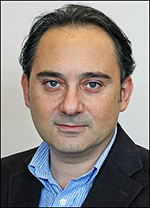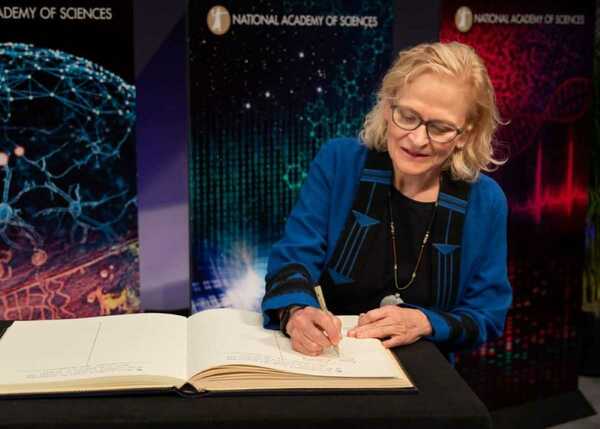
Dr. Vinicia Campana Biancardi is an Associate Professor in the Department of Anatomy, Physiology and Pharmacology at Auburn University's College of Veterinary Medicine. Originally from Brazil, she joined Auburn University in March 2016 as an Assistant Professor and was promoted to Associate Professor in 2021. Her academic journey spans international institutions including the Federal University of Sao Paulo, Wright State University, University of Cincinnati, and Medical College of Georgia. Dr. Biancardi earned her B.S. in Pharmacy from the School of Pharmacy and Biochemistry of Espirito Santo in Brazil, followed by both her M.S. and Ph.D. degrees from the Federal University of Sao Paulo under Dr. Ruy Campos's supervision. During her Ph.D., she received a Brazilian government scholarship to train at Wright State University with Dr. Javier Stern, whom she later followed for postdoctoral work at the University of Cincinnati and Medical College of Georgia. Dr. Biancardi's research focuses on the neural mechanisms of cardiovascular control, particularly examining how the brain regulates blood pressure in both healthy and disease states. Her work centers on the hypothalamus and autonomic nervous system, with special emphasis on hypertension mechanisms. She investigates how circulating angiotensin II gains access to the brain during hypertension via blood-brain barrier disruption, and how this leads to neuroinflammation and autonomic dysfunction. Her laboratory employs a range of techniques including electrophysiology, neuroanatomy, molecular biology, and cardiovascular physiology in rodent models. Analysis of Dr. Biancardi's recent publications reveals a strong focus on the intersection of neuroscience and cardiovascular physiology, particularly examining neuroinflammation, blood-brain barrier integrity, and neural control of blood pressure in hypertension. Her work increasingly incorporates molecular mechanisms including Toll-like receptor 4 signaling, microRNA regulation, and cellular reprogramming approaches. A notable trend is her exploration of novel vascular pathways in the brain and their role in homeostatic control. Brazilian government scholarship during Ph.D. studies American Heart Association Scientist Development Grant Dr. Biancardi has secured significant research funding, including an American Heart Association Scientist Development Grant prior to joining Auburn University. Her laboratory investigates the neural mechanisms of hypertension, with particular focus on the role of the hypothalamus, autonomic control, and neuroinflammation. She collaborates extensively with researchers at Auburn University and beyond, contributing to the growing field of neurocardiovascular research. Dr. Biancardi leads a research laboratory within the Department of Anatomy, Physiology and Pharmacology at Auburn University's College of Veterinary Medicine. Her team investigates the neural mechanisms of cardiovascular control, with particular emphasis on how hypertension affects brain function and how the brain contributes to the development and maintenance of high blood pressure. Her laboratory employs multidisciplinary approaches to study neurovascular coupling, blood-brain barrier function, and neural signaling in cardiovascular regulation.