معرفی
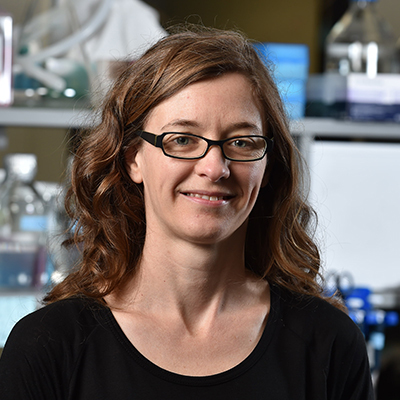
Susan Alberts is a Professor at Duke University with dual appointments in the Department of Biology and Department of Evolutionary Anthropology. She co-directs the Amboseli Baboon Research Project, one of the world's longest-running studies of wild primates ongoing since 1971 in Kenya, and maintains active collaborations with Princeton University, University of Notre Dame, and the Max Planck Institute of Evolutionary Anthropology.
Her educational background includes a B.A. from Reed College (1983), M.A. from UCLA (1987), and Ph.D. from the University of Chicago (1992). Her research program integrates field studies of wild baboons with cutting-edge genomic and physiological techniques to address fundamental questions in evolutionary biology.
Alberts' work centers on the evolution of social behavior in mammals, with specific focus on primate demography, life history, behavioral endocrinology, and the health consequences of social relationships. Her lab investigates how early-life adversity, social bonds, and environmental stressors shape aging trajectories, gut microbiome composition, and survival outcomes in wild baboon populations. Key research themes include the functional consequences of social behavior for survival and reproduction, intergenerational transmission of adversity, and the biological embedding of social experiences.
Analysis of her recent publications reveals a strong interdisciplinary trend combining primatology with genomics, microbiome science, and gerontology. Her work increasingly examines aging mechanisms through non-invasive biomarkers while maintaining deep roots in long-term behavioral observation. The research consistently demonstrates how social relationships serve as fundamental determinants of health and longevity in natural populations.
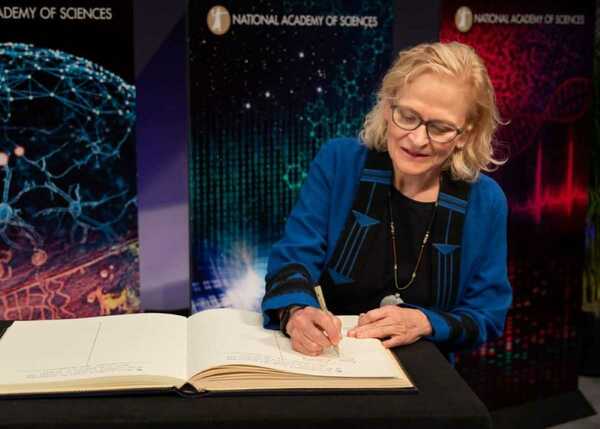
- National Academy of Sciences (elected 2019)
- BBVA Foundation Frontiers of Knowledge Award in Ecology and Conservation Biology
Alberts secures substantial funding from the National Institutes of Health and University of Notre Dame for projects examining social and environmental effects on autonomic stress responses and gene regulation across the lifespan. Her mentoring extends through the Amboseli Baboon Research Project, which trains numerous graduate students and postdocs in field primatology. The project's collaborative framework involves Kenyan institutions including the Kenya Wildlife Service and University of Nairobi, facilitating vital local partnerships and capacity building. Current work focuses on developing cardiac monitoring technologies and investigating microbiome-aging relationships in this unique wild primate model.
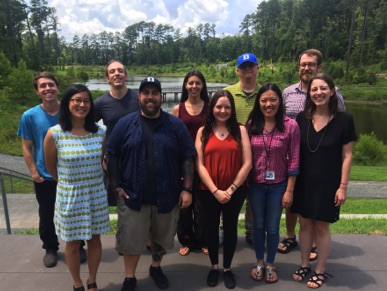
The Alberts Lab operates within the Amboseli Baboon Research Project ecosystem, coordinating field teams across multiple sites in Kenya. This international collaboration includes geneticists, endocrinologists, and ecologists working with Kenyan researchers and wildlife authorities to maintain continuous data collection since 1971. The project's infrastructure supports longitudinal studies examining social behavior, demography, and physiology across generations of wild baboons.