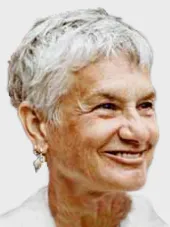
Priscilla A. Furth is a Professor at Georgetown University's Department of Oncology and Medicine, with a distinguished career in disease pathophysiology and cancer research. She serves as an Anna Boyksen Fellow at the Technical University of Munich Institute for Advanced Study (TUM-IAS) since 2023, focusing on experimental bioinformatics and gender diversity in science. M.D. from Yale University (1979) Associate Dean for Faculty Development at Georgetown (2013–2021) Her research integrates bioinformatics and gene-regulatory mechanisms to analyze estrogen signaling pathways in breast cancer risk across diverse gender expressions. She pioneered investigations into circular RNA (circRNA) roles as biomarkers and explores their modification through anti-hormonal therapies. Current article trends show interdisciplinary work bridging quantum computing with network medicine , while maintaining focus on hormonal cancer mechanisms and vaccine immunology . Her 2024 publications emphasize multi-omics data integration and gender-inclusive oncology . Scientific recognition includes: 2023 Anna Boyksen Fellowship 2021 Women in Pathology Spotlight 2020 Excellence in Mentorship Award 2010 Georgetown Women in Medicine Award As Associate Dean, she developed faculty growth programs and continues mentoring through her TUM-IAS fellowship collaborations.
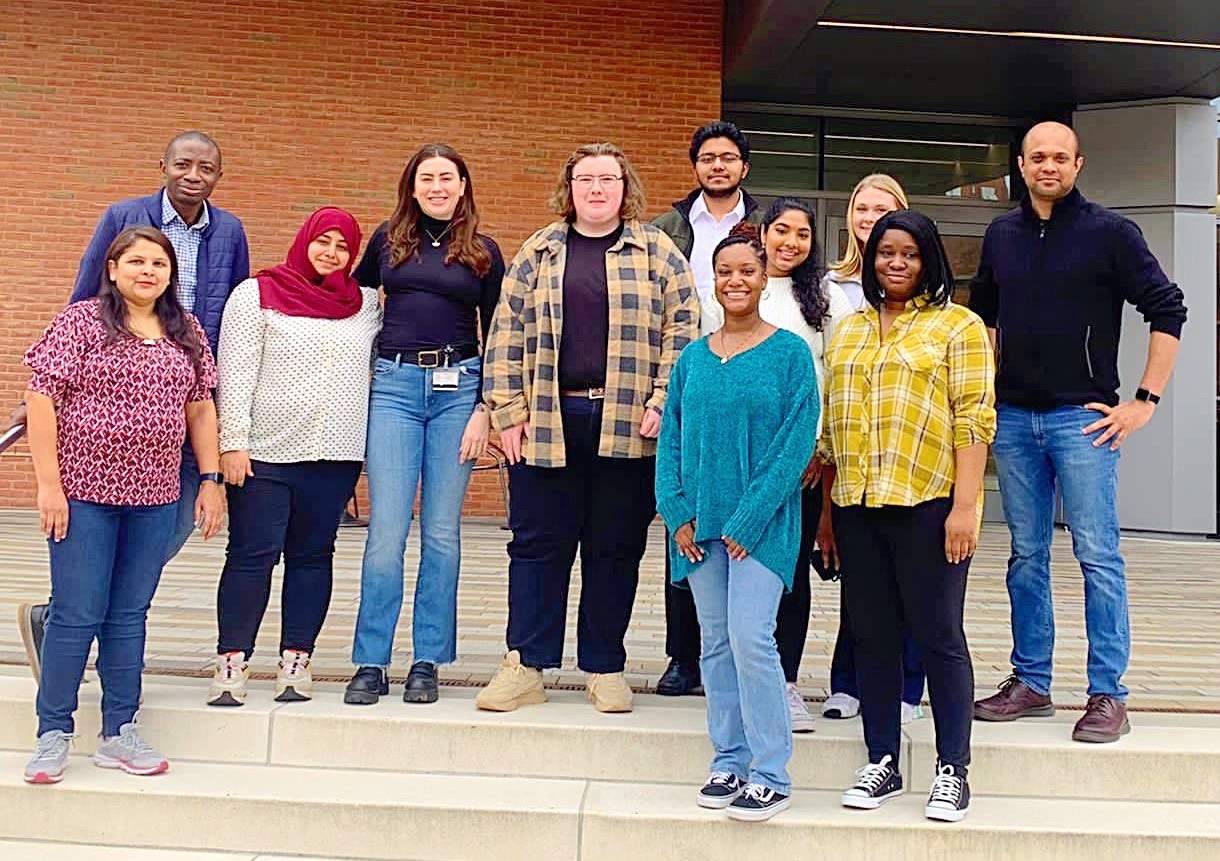
Maria Akhmanova is an Assistant Member in the Cell Biology Program at Memorial Sloan Kettering Cancer Center (MSKCC), with affiliations to the Gerstner Sloan Kettering Graduate School of Biomedical Sciences. Her research focuses on understanding how cells invade and migrate through tissues in vivo, integrating live imaging, biomechanical techniques, and computational modeling. Key areas include macrophage infiltration dynamics, tissue resistance mechanisms, and the role of cortactin and actin cytoskeleton regulation. Dr. Akhmanova holds a PhD from Lomonosov Moscow State University and has been recognized with the Austrian Science Fund (FWF) Lise Meitner fellowship (2018-2019). Her lab includes researchers such as Emily Pratt (GSK Graduate Student), Jonah Rosas (Research Scholar), and Xiaoqun Zhang (Senior Research Scientist), with lab alumni including Jayant Asthana. Her work spans disciplines like immunology, biomechanics, and computational biology. Recent studies highlight topics such as mitochondrial bioenergetics in macrophage invasion and Fos signaling in cortical actin regulation. Collaborative projects include work on auxin signaling in plant roots and collagen-based biomaterials for tissue regeneration. Key awards: Lise Meitner Fellowship (2018-2019) Lab members: Emily Pratt (PhD student), Jonah Rosas, Xiaoqun Zhang Collaborations: The lab employs interdisciplinary approaches blending experimental and theoretical frameworks. Her publications emphasize mechanistic insights into tissue-level cell migration, with implications for cancer immunology and regenerative medicine.
Achuth Padmanabhan is an Assistant Professor in the Department of Biological Sciences at the University of Maryland, Baltimore County (UMBC), where he conducts cutting-edge research on ovarian cancer pathogenesis and therapeutic resistance. He is affiliated with the Interdisciplinary Life Sciences Building and leads an active research laboratory focused on molecular oncology and translational cancer research. Education: BS, Bharathidasan University (2005) PhD, University of Maryland Baltimore County (2011) Postdoctoral Training, Yale University (2015) Instructor, Baylor College of Medicine (2019) Dr. Padmanabhan's research centers on understanding how normal cells transform into cancerous ones, particularly focusing on ovarian cancer. His lab investigates tumor microenvironment dynamics, mechanisms of metastasis, and the molecular basis of chemoresistance. Using multidisciplinary approaches—including molecular, cellular, and organismic tools—his team explores key signaling pathways, protein degradation systems, and transcriptional regulators involved in cancer progression. Specific interests include p53 mutants, ZNF217, ADCK5 kinase, and proteasome isoforms. The recent publications and grants reflect a strong trend toward translational and clinically relevant research, with increasing emphasis on identifying novel therapeutic combinations, overcoming drug resistance, and developing clinically actionable strategies for metastatic ovarian cancer. His work bridges basic science with therapeutic innovation. Scientific Awards and Grants: Scientific Scholar Award – Rivkin Center for Ovarian Cancer American Cancer Society Institutional Research Grant Multiple ATIP Grants – UMB ICTR Elsa U. Pardee Foundation Grant Technology Catalyst Fund Award – UMBC UMBC Summer Research Faculty Fellowship (SURFF) Department of Defense Grants (multiple) National Institutes of Health Grant Ovarian Cancer Alliance of Greater Cincinnati Grants Entrepreneurship and Innovation Grants at UMBC Dr. Padmanabhan has secured substantial grant funding as Principal Investigator from federal, foundation, and institutional sources, demonstrating strong research leadership and external validation. His grants support both basic discovery and translational initiatives, including technology commercialization and curriculum innovation. He mentors graduate students and postdoctoral researchers through his lab and collaborative projects, though specific advisee names are not listed publicly. He is actively involved in academic entrepreneurship and innovation, having received funding from the Alex. Brown Center for Entrepreneurship and supporting curriculum development in innovation. His lab operates within UMBC’s Interdisciplinary Life Sciences Building, leveraging institutional partnerships with UMB and the University of Maryland Cancer Center to advance collaborative, high-impact cancer research.
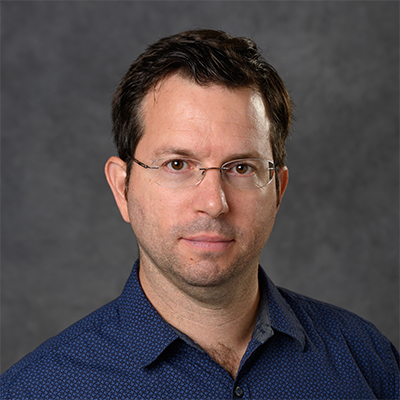
Chang-Hee Won is a Professor in the Department of Electrical and Computer Engineering at the College of Engineering, Temple University. He leads the Control, Sensor, Network, and Perception (CSNAP) Laboratory and is actively engaged in research funded by the National Science Foundation, Pennsylvania Department of Health, and the Department of Defense. His research interests span tactile sensing , optimal control theory , spectral imaging , and dynamic sensing systems . His work integrates sensor technologies with machine learning for biomedical applications, particularly in cancer detection and tissue characterization. He has published over 120 peer-reviewed articles and secured multi-million dollar grants as principal investigator. The recent publications highlight a strong trend in applying tactile and imaging sensors with deep learning for medical diagnostics , especially in breast cancer and malignant melanoma classification. His research bridges control theory, sensor design, and AI-driven health technologies. He serves as a frequent reviewer for the National Science Foundation and sits on the National Institute of Health Biomedical Imaging Study Section. Reviewer, National Science Foundation panels Member, NIH Biomedical Imaging Study Section He has advised multiple graduate students including N. Rahman, V. Oleksyuk, and H. Ahn, who have co-authored recent journal publications. His research is supported by significant grants from federal and state agencies, as well as industry partnerships. He directs the Control, Sensor, Network, and Perception (CSNAP) Laboratory , which focuses on developing advanced sensor systems, control algorithms, and perception technologies for biomedical and engineering applications.
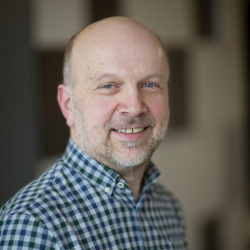
Professor Bertie Göttgens is Director of the Cambridge Stem Cell Institute and holds the Chair of Molecular Haematology at the University of Cambridge. He leads a research group focusing on cellular decision-making in blood stem cells and leukaemia. His work integrates experimental and computational approaches, with key contributions to understanding blood development and leukaemia pathogenesis. Current research emphasizes stem cell differentiation dynamics, leukaemogenic mutations, and computational models of haematopoiesis. Education: DPhil in Biological Sciences from the University of Oxford (1994). Postdoc at the University of Cambridge (1994–2001). Subsequent roles included Leukaemia Research Fund Lecturer (2002–2007) and Reader in Haematology (2007–2011) before becoming full Professor in 2011. Research Interests: Mechanisms regulating blood stem cell function Functional consequences of leukaemogenic mutations Single-cell genomics and computational modelling of haematopoiesis Early blood development and progenitor cell differentiation Grants & Funding: Supported by MRC, Wellcome Trust, Blood Cancer UK, Cancer Research UK, NIH, and the Aging Biology Foundation. Over 40 publications in high-impact journals like Cell Stem Cell , Nature , and Nature Cell Biology . Labs/Teams: Directs the Göttgens Group at the Jeffrey Cheah Biomedical Centre, comprising 15+ researchers including PhD students and postdocs. Key lab members include Hiromitsu Harimoto, Tomoya Isobe, and Luke Harland.
Lorenzo Sempere is an Assistant Professor in the Department of Radiology at Michigan State University (MSU) and a faculty member of the Precision Health Program. His research focuses on microRNA-based diagnostics and therapies for breast and pancreatic cancer. Dr. Sempere earned his Ph.D. in Genetics from the Geisel School of Medicine at Dartmouth, followed by postdoctoral training there. He previously held faculty roles at Geisel School of Medicine and Van Andel Research Institute. His laboratory investigates translational approaches to cancer prevention and early detection, leveraging tools like 3D modeling, animal models, and high-content tissue analysis. Key areas include tumor heterogeneity, cancer-stroma interactions, and microRNA-regulated gene networks in disease progression. Recent work emphasizes microRNA-21 and miR-10b as therapeutic targets, alongside innovations in intraductal ablation techniques and multimodal imaging agents. The lab's research bridges basic science and clinical applications, aiming to improve precision medicine strategies. Despite his prolific output, no scientific awards or notable grants are explicitly mentioned in the provided texts. The Sempere Laboratory collaborates on projects involving nanomedicine, imaging technologies, and exosomal biomarkers, contributing to both academic and applied research.
Cresantus Biamba is a Senior Lecturer at the University of Gävle, specializing in Educational Science. His research bridges education theory with technological advancements, focusing on teacher training, sustainability in education, and inclusive pedagogy. Researcher at University of Gävle (Education, Educational Science) Research interests include: Education for Sustainable Development (ESD) in global contexts Teacher education reform and policy analysis Inclusive classroom practices in the Global South Technological integration in educational systems Curriculum development for post-pandemic resilience Publication trends reveal interdisciplinary work combining AI, cloud computing, and IoT applications with educational challenges, particularly in African institutions. His articles address security optimization, healthcare technology, and sustainability frameworks. Academic activities involve collaborations with researchers in cybersecurity, AI, and energy systems, though specific grants or mentoring roles are not explicitly documented here.
Judith A. Smith, MD, PhD, serves as an Associate Professor in both the Department of Pediatrics and the Department of Medical Microbiology & Immunology at the University of Wisconsin–Madison School of Medicine and Public Health. Her research focuses on the intersection of cellular stress responses and immune function, particularly examining how the Unfolded Protein Response (UPR) influences immune signaling during infection. Dr. Smith's work primarily investigates how intracellular pathogens like Brucella manipulate the host endoplasmic reticulum stress response to enhance their survival while modulating inflammatory cytokine production. Her laboratory has demonstrated that macrophages undergoing UPR produce amplified type I IFN, TNF-α, and IL-23 in response to infectious stimuli, suggesting UPR functions as a "danger signal" immune amplifier. Focuses on ER stress response (UPR) in immune cells during infection Studies Brucella manipulation of host UPR pathways Investigates cytokine regulation through UPR signaling Examines cross-talk between stress response and immune pathways Her research has important implications for understanding diverse conditions including viral infections, cancer, neurodegenerative diseases, autoimmune disorders, diabetes, and cardiovascular disease. Dr. Smith has secured significant funding including an R21 from NIAID, an R01 renewal for Brucella research, and a substantial Merck grant for respiratory virus research. R21 from National Institutes of Health/National Institute of Allergy and Infectious Diseases Merck grant ($203,983) for epithelial determinants of respiratory syncytial virus Department of Pediatrics Research and Development Award Dr. Smith actively mentors undergraduate researchers through the Hilldale Faculty/Undergraduate Research Fellowship program and contributes to graduate education through the Cellular & Molecular Pathology Graduate Program, Cellular & Molecular Biology Graduate Program, and Microbiology Doctoral Training Program at UW-Madison.
Sevinç AKÇAY is a Lecturer at the Department of Molecular Biology and Genetics in the Faculty of Arts and Sciences at Kırşehir Ahi Evran University , Turkey. She holds a PhD (2016) and MSc (2012) in Molecular Biology from the University of Pittsburgh , and a BSc (2008) in Biology from Ankara University . Research Focus: Genetics, Molecular Biology, and Bioinformatics, with emphasis on elastin gene mutations , cancer genomics , and computational disease modeling . Key Projects: Investigated Tiochlorosid and Malathion effects on cancer cell lines; led studies on epigenetic mechanisms and ferroptosis in cancer . Teaching: Offers courses in Genetic Engineering , Epigenetics , and CRISPR Technologies at both undergraduate and graduate levels. Collaborations: Works with international researchers like Zsolt Urban (University of Pittsburgh) and Emine Güven (Düzce University) on computational biology and genetic disorders.
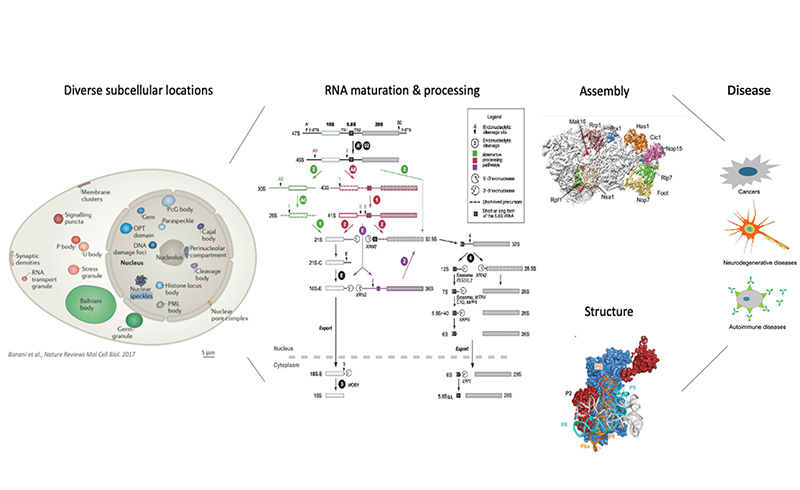
Marlene Oeffinger is an Associate Professor at the Faculty of Medicine, University of Montreal and holds a cross-appointment at the Division of Experimental Medicine, McGill University . She serves as Research Director of the Ribonucleoprotein Biochemistry Research Unit at the Montreal Clinical Research Institute (IRCM). Her research focuses on RNA maturation pathways, ribosome biogenesis, and their links to neurodegenerative diseases like Alzheimer's and ALS through RNA-protein complex dynamics. Education : Master's in Cell Biology (University of Vienna), PhD in Molecular Biology (University of Edinburgh). Training : Postdoctoral work in David Tollervey's lab (Edinburgh) and Mike Rout's lab (Rockefeller University). Her work combines proteomics , biochemical assays , and computational approaches to map RNA maturation networks and their connections to DNA damage repair. Recent articles highlight discoveries in archaeal ribosome evolution, mRNA export mechanisms, and RNA structure probing in yeast. She has received prestigious awards including the CIHR New Investigator Award , FRQ-S Junior Scholar Fellowships , and Revson Foundation Biomedical Fellowship . Marlene's lab trains students and researchers in RNA biology, with current members like Master's student Mauricio Hernandez Magana. Her affiliations span multiple platforms at the IRCM, including bioinformatics , proteomics , and molecular biology . She leads grants from CIHR , FRQNT , and Brain Canada , advancing understanding of RNA's role in disease etiology.
Dr. Hyun Jin Kwun is an Assistant Professor at the Pennsylvania State University within the Penn State Cancer Institute , focusing on the Mechanisms of Carcinogenesis . Her research investigates molecular pathways in viral oncogenesis , particularly involving the Merkel Cell Polyomavirus (MCV) in skin cancer development. Key areas: Merkel Cell Carcinoma , Polyomavirus , Ubiquitin Networks Recent publications highlight her work on MCV's large T antigen regulation via phosphorylation, cellular senescence in viral genome persistence, and therapeutic strategies targeting MCV-positive tumors. Her studies also explore how immunosuppressive drugs like sirolimus affect viral replication. Scientific recognition includes: Dean's Award for Excellence in Teaching (2021) Junior Faculty Research Scholar Award (2018)
James Morizio serves as an Adjunct Professor in the Department of Electrical and Computer Engineering at Duke University, leveraging 35+ years of expertise in analog CMOS microelectronics for biomedical applications. His research bridges electrical engineering with neuroscience through disruptive sensor interface technologies for neural recording/stimulation and ultrasonic microfluidics. His educational background includes a Ph.D. in Electrical Engineering from Duke University (1995) M.S. in Electrical Engineering from University of Colorado, Boulder (1984) B.S. in Electrical Engineering from Virginia Polytechnic Institute and State University (1982) Morizio's research focuses on developing high-performance neural interfaces and acoustofluidic systems. Key areas include wireless neural instrumentation for closed-loop electrophysiology, CMOS-based ultrasonic transducers for microfluidic manipulation, and low-power VLSI design for implantable devices. His work emphasizes translating microelectronics innovations into biomedical solutions for neuroscience and diagnostics. His publication portfolio demonstrates consistent contributions to neural engineering and microfluidics, with recent trends showing increased focus on acoustofluidic diagnostics (e.g., AIMDx chip) and osseointegrated neural interfaces for prosthetic control. The research spans fundamental circuit design to translational applications in cancer metabolism and neuroprosthetics. Scientific recognition includes 15-year service award from Triangle BioSystems International/Harvard Bioscience Inc. (2016) Current research is supported by major grants including Neuro-CROWN (ultra-flexible electrode arrays), digital acoustofluidic systems for biomedical automation, and osseointegrated neural interfaces for prosthetic control. His teaching portfolio spans advanced VLSI design and special topics courses, though specific advising roles are not documented. Collaborative work involves interdisciplinary teams in neuroscience and biomedical engineering, particularly through partnerships with Triangle BioSystems International and translational projects using ovine models for neural interface validation.
James C. Lo, M.D., Ph.D., is the Rohr Family Clinical Scholar and Associate Professor of Medicine at Weill Cornell Medical College . As a physician-scientist, he directs a basic research laboratory investigating the molecular basis of cardiometabolic diseases. 2023 : Rohr Family Clinical Scholar 2023 : Associate Professor of Medicine, Weill Cornell Medical College 2021 : Assistant Professor of Medicine, Weill Cornell Medical College Education: 2006 - M.D., University of Chicago Pritzker School of Medicine 2004 - Ph.D., University of Chicago 1998 - B.S., University of Chicago Dr. Lo's research focuses on molecular mechanisms of metabolic diseases with emphasis on: Cardiovascular biology in diabetes and obesity Adipose tissue function and thermogenesis Pancreatic islet physiology in metabolic stress Inter-organ communication networks Novel therapeutic targets for diabetes Cardiac complications in metabolic disorders Complement system in endocrine regulation His lab employs single-cell RNA-seq , genetic models , and multi-omics approaches to study: β cell subpopulations in diabetes Complement receptor signaling Adipose-liver-heart cross-talk Extracellular vesicle-mediated dysfunction Sex-dependent metabolic regulation Scientific Contributions: First to identify adipsin's role in β cell protection Discovered complement system's role in islet function Defined adipose tissue as SARS-CoV-2 target Elucidated mechanisms of obesity-induced arrhythmias Developed cross-species models of metabolic stress Research Funding: Currently holds 8 major grants as Principal Investigator or Key Personnel, including: $2.1M - NIH/NHLBI Mechanisms of Obesity-induced Atrial Fibrillation (2025-2028) $2.8M - NIH/NIDDK NAD+ Metabolism in β Cell Dysfunction (2025-2030) $1.5M - AHA Obesity-Driven Atrial Fibrillation (2024-2027) $1.2M - AHA Zebrafish Heart Regeneration (2023-2026) His laboratory team at the Belfer Research Building (New York, NY) includes post-doctoral fellows, Ph.D. students, medical students, and research technicians working in a collaborative environment.
Professor Dr. Peter Murray is a leading immunologist and permanent group leader of the "Immune Regulation" research group at the Max Planck Institute of Biochemistry in Martinsried, Germany. Since 2018, he has also served as an Honorary Professor at the Technical University of Munich (TUM). His research delves into the intricate mechanisms governing immune system decision-making, with a particular focus on macrophage biology, amino acid metabolism, and immunometabolism in health and disease. Education and Career: Ph.D., The Walter and Eliza Hall Institute of Medical Research, University of Melbourne (1988–1991) B.Sc. (Hons), Monash University, Melbourne (1984–1987) Post-Doctoral Fellow, Whitehead Institute & MIT (1991–1998) Assistant to Associate Member, St. Jude Children's Research Hospital (1998–2014) Group Leader (Permanent), Max Planck Institute of Biochemistry (2017–present) Honorary Professor, Technical University of Munich (2018–present) Research Interests: Professor Murray's work is centered on understanding how the immune system makes critical decisions, particularly how metabolic cues influence immune responses. His group investigates macrophage and T-cell interactions, amino acid metabolism in immune regulation, and the role of immunometabolism in diseases like cancer, autoimmunity, and chronic infections. The team employs innovative approaches, including spatial proteomics and iPSC-derived macrophage models, to uncover new biological principles and therapeutic targets. Scientific Awards and Honors: Elected to the American Academy of Microbiology (2015) St. Jude Children's Research Hospital Faculty Mentoring Award (2013) Elected Chair, American Society of Microbiology Division E (Immunology) (2012) The Hartwell Foundation Individual Biomedical Award (2010) C. J. Martin Fellow, NH&MRC Australia (1991–1994) Labs and Teams: Professor Murray leads the "Immune Regulation" research group at the Max Planck Institute of Biochemistry, a multidisciplinary team exploring the intersection of immunology and metabolism. The group collaborates extensively with international partners, including St. Jude Children's Research Hospital and various European research centers.
Martha L. Bulyk is a Professor of Medicine and Pathology at Harvard Medical School, with appointments in the Division of Genetics at Brigham & Women's Hospital. She serves as Co-Chair of the Harvard Biophysics Graduate Program and holds associate memberships at the Broad Institute of MIT and Harvard and the Dana-Farber Cancer Institute Center for Cancer Systems Biology. Her laboratory is located in the New Research Building at Harvard Medical School in Boston. Her research focuses on decoding transcriptional regulation through the study of transcription factors (TFs) and DNA regulatory elements. Using integrated experimental and computational genomics approaches, her lab investigates: High-throughput analysis of TF-DNA binding specificities Cis-regulatory codes in eukaryotic genomes Effects of protein interactions and DNA structure on TF function Molecular determinants of protein-DNA binding specificity and evolution Impact of genetic variation on human transcription factors Pioneer factor interactions with nucleosomes Regulatory functions of alternative TF isoforms in breast cancer Quantitative information encoding in transcriptional enhancers/silencers Recent publications demonstrate a strong focus on mechanistic studies of transcriptional regulation, with recurring themes in chromatin dynamics, cancer biology (particularly neuroblastoma and breast cancer), developmental gene regulation, and computational method development. Her work frequently integrates structural, evolutionary, and functional genomics approaches. The Bulyk Laboratory currently comprises 2 graduate students, 3 postdoctoral fellows, 4 technicians, and 2 undergraduate students. The lab participates in multiple Harvard University programs including the Biophysics PhD Program, Biological & Biomedical Sciences (BBS) PhD Program, Systems/Synthetic/Quantitative Biology PhD Program, Bioinformatics & Integrative Genomics (BIG) PhD Program, and the School of Public Health Program in Quantitative Genomics.