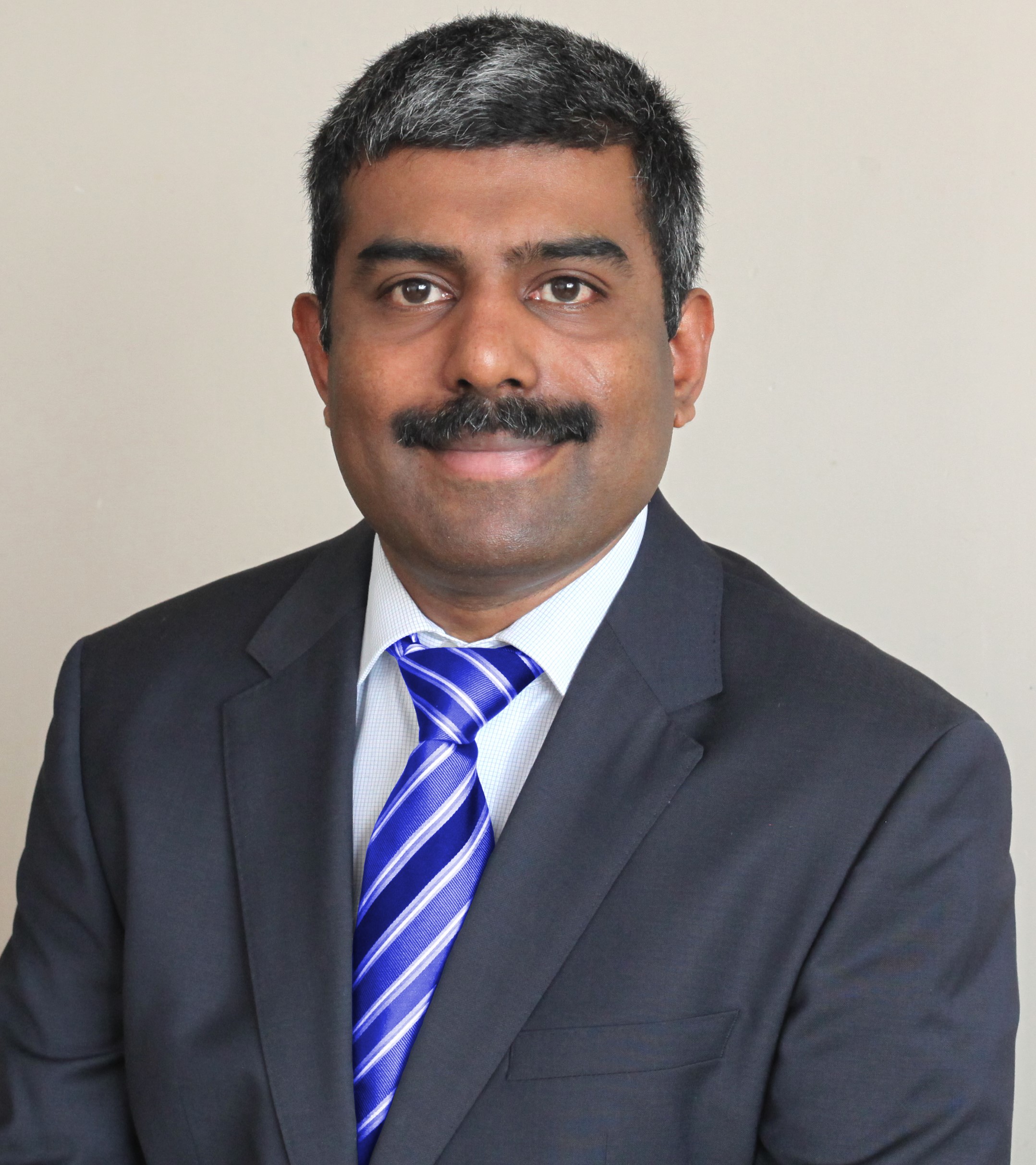
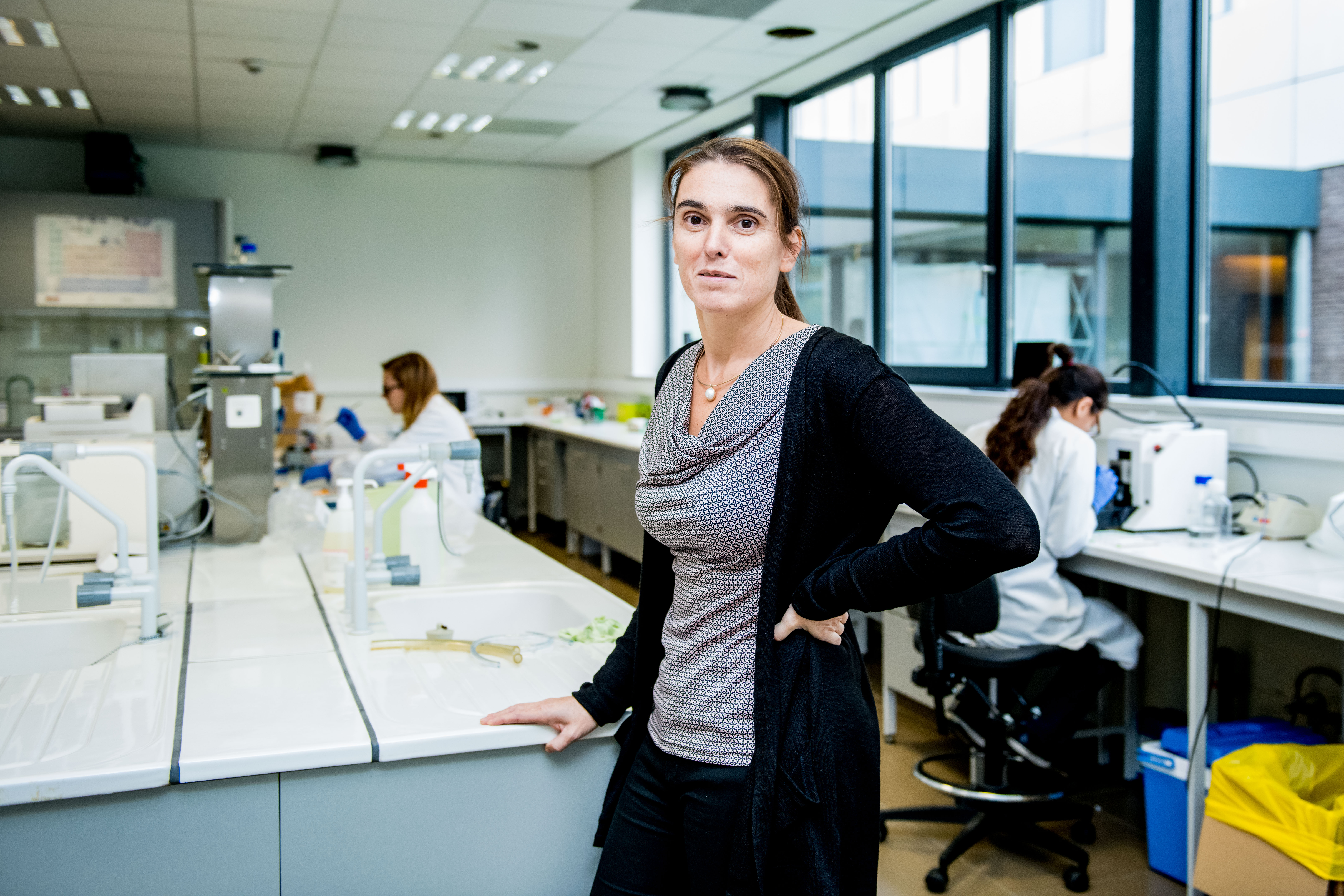
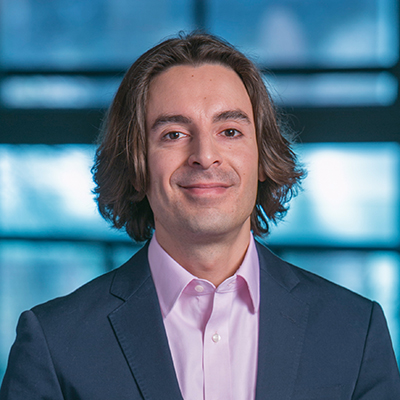
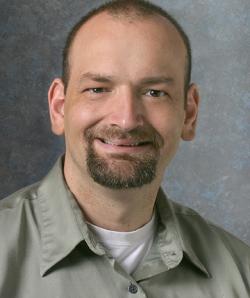
Prof. Waldemar Kolanus leads the Molecular Immunology and Cell Biology department at the University of Bonn's Life & Medical Sciences Institute (LIMES) . His research bridges immunoregulation , stem cell dynamics , and metabolic stress responses in immune cells. Unit 2 member at LIMES Principal investigator in SFB 704 and ImmunoSensation Cluster Leads a multidisciplinary lab with postdocs, PhD students, and technical staff His work focuses on intracellular signaling pathways connecting immune activation to tissue homeostasis, particularly through: Cytohesin proteins in integrin-mediated adhesion and migration TRIM71 in stem cell regulation and congenital hydrocephalus High-salt environments affecting macrophage function Publication trends show expertise in immune cell migration , genetic models , and chemical inhibition , with frequent use of mice and zebrafish for in vivo studies. Key articles explore: TRIM71's dual role in auditory development and germ cell maintenance Cytohesin family's Golgi regulation and insulin signaling Ruxolitinib's off-target migration inhibition of dendritic cells Contact details: Address: LIMES Institute, Carl-Troll-Straße 31, Bonn Email: kolanus.sekretariat@uni-bonn.de Phone: +49 228 73-62788
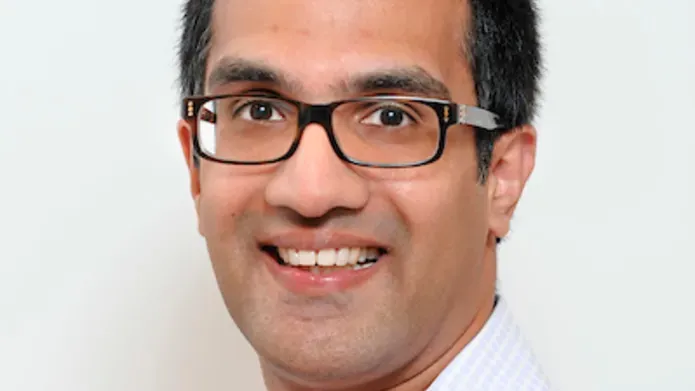
Karan S Dixit, MD is an Assistant Professor in the Department of Neurology at Northwestern University's Feinberg School of Medicine, specializing in neuro-oncology and serving as Fellowship Director for the education program. His educational background includes: MD from Louisiana State University (2011) Internal Medicine Internship at University of Illinois at Chicago (2012) Neurology Residency and Chief Medical Resident at University of Illinois at Chicago (2015) Neuro-Oncology Fellowship at Northwestern University McGaw Medical Center (2016) He maintains board certification in Neurology (American Board of Psychiatry and Neurology) and Neuro-Oncology (United Council for Neurologic Subspecialties). Dr. Dixit's research centers on CNS lymphoma, lower-grade gliomas, and glioblastoma, with emphasis on novel therapies for treatment resistance. He investigates biomarkers for disease monitoring and explores neurocognitive decline mechanisms related to neural connectivity changes during CNS cancer treatment. His work bridges clinical neurology with translational oncology through molecular diagnostics and therapeutic innovation. His 2025 publications reveal three critical research trajectories: molecular characterization of glioma mutations (TERT/IDH), liquid biopsy applications for CNS lymphoma diagnosis, and repurposing antiseizure drugs with antineoplastic potential. These studies collectively advance precision medicine approaches for treatment-resistant CNS malignancies. Professional recognition includes: John A Kessler Teaching Award (2022, 2019) NeuroNEXT Fellow (2020) Society of Neuro-Oncology Clinical Trials Course (2019) University of Illinois Teaching Excellence Awards (2014-2015) As Fellowship Director, Dr. Dixit mentors neuro-oncology trainees while leading three active clinical trials: Vorasidenib/Pembrolizumab for IDH-mutant glioma (NCT05484622), NX-5948 BTK degrader for CNS lymphoma (NCT05131022), and emavusertib for relapsed PCNSL (NCT03328078). His industry collaborations include Bluprint Oncology Concepts and Servier Pharmaceuticals for therapeutic development. He maintains active membership in the Feinberg Academy of Medical Educators, American Neurological Association, American Academy of Neurology (Neuro-Oncology Section), American Society of Clinical Oncology, and Society of Neuro-Oncology, collaborating through Northwestern Medicine's Robert H. Lurie Comprehensive Cancer Center and Clinical and Translational Sciences Institute.
Dr. Anil Kumar is an Assistant Professor in the Department of Biochemistry, Microbiology & Immunology at the University of Saskatchewan's College of Medicine. He specializes in molecular virology, focusing on positive-stranded RNA viruses and their interactions with host immune systems. His research employs high-throughput genetic screens and reverse genetics systems to identify host factors critical for viral infection. Education includes a BSc in Agricultural Sciences (1999, Kerala Agricultural University), MSc in Plant Pathology (2001, Indian Agricultural Research Institute), and PhD in Molecular Virology (2010, University of Heidelberg). Postdoctoral training included stints at the University of Heidelberg (2010–2013) and the University of Alberta (2014–2020). Research interests center on Eastern Equine Encephalitis virus (EEEV) and Enterovirus D68 (EV-D68). For EEEV, his lab investigates immune evasion mechanisms and host-virus protein interactions to identify therapeutic targets. For EV-D68, they study CNS invasion mechanisms and novel host dependency factors linked to acute flaccid myelitis (AFM). Recent work includes studies on SARS-CoV-2, uncovering roles for host proteins like Argonaute 2 in viral restriction. His lab integrates molecular biology, virology, and systems biology approaches, with a focus on translational research for antiviral drug development. Collaborations include work on respiratory syncytial virus (RSV) entry mechanisms and dengue virus replication regulation.
Adrian Gjetnes Rossebø serves as a Research Fellow in the Department of Drug Design and Pharmacology within the Faculty of Health Sciences at the University of Copenhagen. His research focuses on neuropharmacological drug development, particularly targeting serotonin receptors. Contact details include phone +4535337989 and institutional email. Research interests center on medicinal chemistry approaches to receptor pharmacology , with specialization in 5-HT7 receptor inverse agonists. His work integrates computational modeling , organic synthesis , and pharmacological characterization to advance CNS drug candidates. Current investigations examine structure-activity relationships of tetrahydroisoquinoline derivatives. This research demonstrates strong interdisciplinary collaboration, with publications referenced across 11 Wikipedia pages and engagement from 13 Mendeley readers. The work contributes to understanding receptor binding mechanisms for neurological disorder therapeutics. Professional activities include active laboratory research within the Medicinal Chemistry division, utilizing techniques in molecular modeling and synthetic chemistry to explore novel therapeutic pathways for serotonin-related conditions.
Prof. Ilse Dewachter is the head of the Biomed Neuroscience research group at Hasselt University (UHasselt), specializing in Alzheimer’s therapy and prevention for over 25 years. Her work focuses on multi-targeted therapies targeting tau, inflammation, and ApoE, alongside pioneering research into disease prevention via blood-based biomarkers. Recent studies explore a protective APOE3ch mutation that halted Alzheimer’s progression in a patient, offering hope for new treatments. Research Interests: - Alzheimer’s disease mechanisms (Abeta, tau, inflammation) - Multi-target therapies and biomarker development - Neurodegenerative disease prevention strategies - Genetic mutations impacting disease progression Articles Overview: Her most recent work (2025-2022) addresses neuroinflammation, tau propagation models, and AI-driven neuroimaging. Key themes include APOE genetics, blood-brain barrier dynamics, and exercise impacts on cognition. Funding & Grants: Current projects require significant investment for advanced biomarker equipment and clinical trials. A notable €300,000 grant funded research on brain lipid metabolism’s role in Alzheimer’s. Labs & Teams: Leads the BIOMED Neuroscience group at UHasselt, collaborating internationally on preclinical models and drug development.
Scott Michael Lindhorst, MD, is an Assistant Professor in the Department of Neurosurgery at the Medical University of South Carolina (MUSC) College of Medicine. He holds a dual appointment in the Division of Hematology/Medical Oncology within the Department of Medicine. Dr. Lindhorst specializes in neuro-oncology, focusing on central nervous system lymphomas, gliomas, and meningiomas, while also managing brain metastases through clinical trials. Education: BS in Microbiology from University of Florida (2001), MD from University of South Alabama College of Medicine (2005) Training: Residency in Internal Medicine, Fellowship in Hematology/Medical Oncology (University of Alabama at Birmingham), Fellowship in Neuro-Oncology (Duke University Medical Center) His research centers on immuno-oncology , glioblastoma therapy , and epigenetic cancer treatments , with a strong emphasis on clinical trials for novel therapies. Recent publications explore hypermutation in cancer , immune checkpoint inhibition , and programmed necrosis in glioblastoma . Dr. Lindhorst is board-certified in internal medicine, hematology, medical oncology, and neuro-oncology. Clinical practice includes CNS lymphomas , gliomas , meningiomas , and brain metastases , with dedicated clinical trials to advance treatment options.
Prof. Dr. med. Franz Lennard Ricklefs is a Senior Physician and Head of the Working Group at the Department of Neurosurgery, University of Hamburg Faculty of Medicine. He is a Medical Specialist in Neurosurgery with cross-disciplinary expertise in neuro-oncology, molecular pathology, and extracellular vesicle research. Affiliations: University Medical Center Hamburg-Eppendorf (UKE), European Liquid Biopsy Society (ELBS), International Consortium on Meningiomas (ICOM) Research Interests: His work focuses on neurosurgical oncology, particularly glioblastoma and meningioma pathobiology. He investigates DNA methylation patterns, extracellular vesicle biomarkers, and liquid biopsy implementation in clinical neuro-oncology. Additional interests include surgical outcomes for epilepsy and aneurysm management. Article Trends: Over the last decade, Dr. Ricklefs has published extensively on: Extracellular vesicle applications as liquid biopsy markers DNA methylation subclasses for glioblastoma and meningioma Multicenter surgical outcome benchmarking Immune evasion mechanisms in neuro-oncology Technological innovations in neurosurgical visualization Molecular characterization of rare CNS tumors Professional Contributions: He co-authored the MISEV2023 guidelines for extracellular vesicle studies and participates in international consensus reviews for meningioma classification. His collaborations span institutions across Europe and North America.
Dr. Arpan Mehta is an Independent Investigator at the MRC Protein Phosphorylation and Ubiquitylation Unit, specializing in neurodegenerative diseases with a focus on Amyotrophic Lateral Sclerosis (ALS) and frontotemporal dementia. He was awarded the 51st Sir John Halliday Croom Medal and Lectureship by the Royal College of Physicians of Edinburgh for his groundbreaking research on ALS mechanisms. His work explores the role of kinases and genetic mutations (e.g., C9ORF72) in neurodegeneration, alongside mitochondrial dysfunction and clinical trial methodologies. Research interests include molecular mechanisms underlying ALS, neuroimmunology, and improving clinical trial designs for neurodegenerative diseases. Dr. Mehta advocates for rigorous research standards, addressing reproducibility challenges, and optimizing therapeutic approaches. His recent studies investigate mitochondrial bioenergetic deficits in ALS motor neurons and the impact of cerebrospinal fluid (CSF) toxicity. Awards: Sir John Halliday Croom Medal and Lectureship (2025) His publications span clinical neurology, neurodegenerative disease mechanisms, and ethical aspects of medical practice. Dr. Mehta emphasizes interdisciplinary collaboration to advance understanding of ALS pathogenesis and translational therapies.
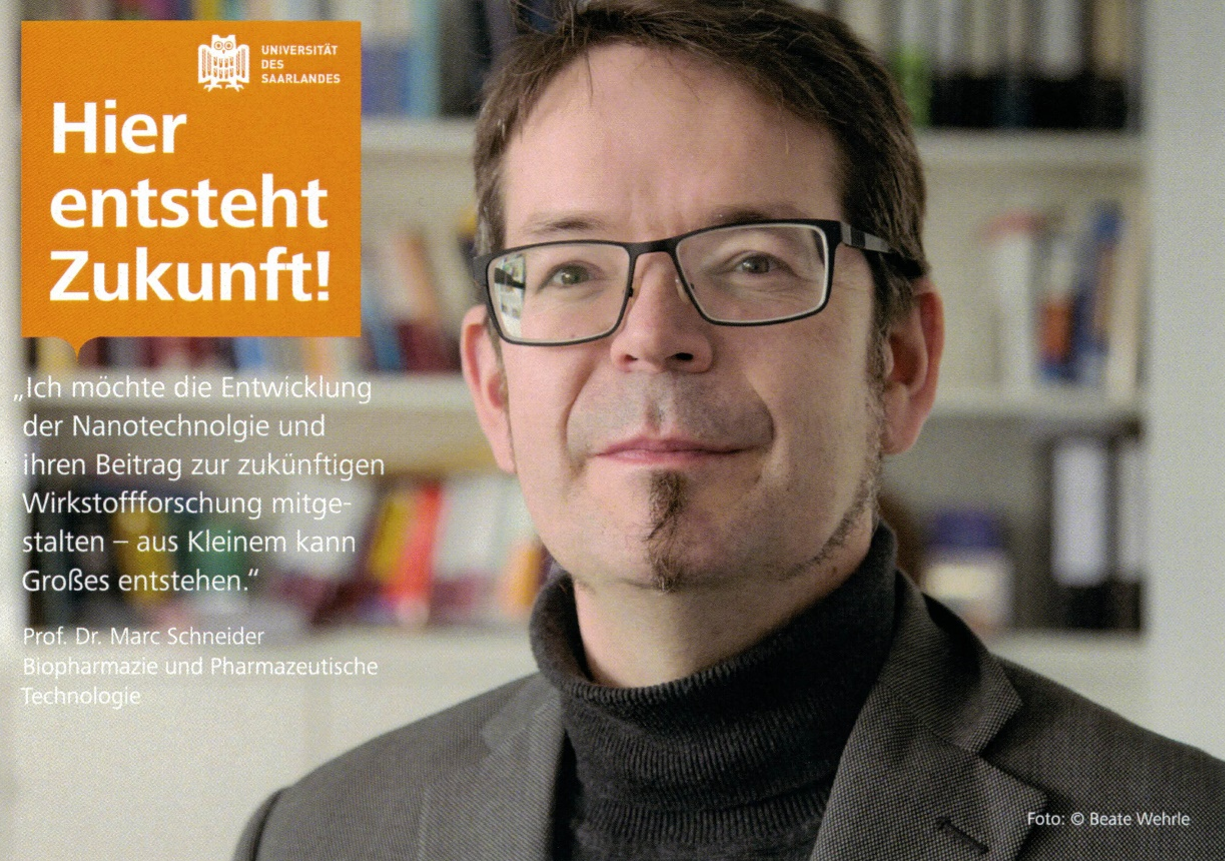
Prof. Dr. Marc Schneider holds a professorship in Biopharmaceutics and Pharmaceutical Technology at Saarland University's College of Pharmacy . His research focuses on colloidal drug delivery systems, particularly nanostructured and non-spherical particle engineering for overcoming biological barriers in pulmonary and transdermal applications. He leads an internationally recognized lab in Saarbrücken, collaborating with Helmholtz Institute for Pharmaceutical Research Saarland (HIPS) and trinational institutions. Research Highlights: Development of inhalable nano/microparticle systems Surface modification of gelatin nanoparticles Characterization of mucus-penetrating particles 3D printing for microneedle fabrication Atomic Force Microscopy (AFM) for nanoparticle analysis Selected Scientific Awards: European Journal of Pharmaceutics and Biopharmaceutics Best Paper Award (2018) for mucus-penetrating nanoparticles Recognized in 'Ausgezeichnete Orte im Land der Ideen' competition (2018) for 'Nano-Mais' drug delivery system Collaborative Networks: Co-editor for Advanced Drug Delivery Reviews special issue on biological barriers Key participant in trinational Master's program in Biomedicine with Strasbourg, Mainz, and Luxembourg Active in Controlled Release Society (CRS) conferences and local chapters
Jens Øllgaard Duus is a Professor and Vice Dean at the Technical University of Denmark (DTU), with dual roles in the Office for Study Programmes and Student Affairs and the Center for Teaching and Learning in Engineering Education. His primary academic affiliation is with the Department of Chemistry at DTU, where he conducts advanced research in NMR spectroscopy and structural analysis of complex organic molecules. His research focuses on the development and application of analytical methods for carbohydrates, natural products, and peptides, with applications in food and pharmaceutical sciences. Key areas include glycosylation, enzyme mechanisms, and structural elucidation of bioactive compounds. His work contributes to UN Sustainable Development Goals in life sciences and analytical chemistry. The recent publications highlight a strong trend in glycoscience, particularly in enzyme-catalyzed glycosylation, structural analysis of polysaccharides, and engineering of glycosyltransferases and glycosidases for synthetic applications. His work bridges chemistry, biotechnology, and medicine. Jens Øllgaard Duus actively supervises multiple PhD students across interdisciplinary projects, including work on drug delivery to the CNS, nucleic acid analogues, and AI in education. He is involved in both fundamental and applied research, contributing to sustainable chemistry and biotechnology. Structural elucidation of novel pro-inflammatory polysaccharides from Daphne mezereum L. (2024) Denmark as the Energy Island Pioneer (2023) Promiscuous Yet Specific: A Methionine-Aromatic Interaction in Glycosyltransferase (2023) Engineered Hexosaminidase as a Glycoligase (2023) Family 1 Glycosyltransferase from Zea mays (2022) He has supervised PhD projects on generative AI in education, nucleic acid analogues, CNS drug delivery, and asymmetric catalysis. His leadership in educational innovation and research supervision underscores his dual impact on science and pedagogy. He is affiliated with research groups in chemistry and biotechnology at DTU, contributing to a collaborative network focused on sustainable science and engineering education. His work integrates analytical chemistry with biological applications, forming a unique interdisciplinary fingerprint.
Sonia Mayoral is the Robert J. and Nancy D. Carney Assistant Professor of Neuroscience at Brown University. Her research focuses on studying cell-cell interactions in the brain, particularly the development and function of oligodendrocytes – glial cells critical for myelin formation. She explores how these cells contribute to myelination, remyelination processes, and their roles in neurological disorders like multiple sclerosis. Her work integrates cellular neuroscience, immunology, and drug screening methodologies. Research interests include glial cell biology, neuron-glial interactions, and the molecular mechanisms governing myelin repair. She investigates how environmental cues and signaling pathways regulate oligodendrocyte differentiation and function. Notable projects involve developing high-throughput screening platforms for MS therapeutics and studying sex-specific responses to neurodegenerative challenges. Her lab’s recent work includes clinical trials (Re-WRAP) evaluating Bazedoxifene for remyelination in women, and fundamental studies on regulatory T cell roles in myelin regeneration. She also examines how mechanical stimulation and epigenetic changes influence oligodendrocyte behavior. Her research bridges basic science and translational efforts, aiming to advance treatments for myelin-related disorders. Dr. Mayoral’s lab is active at Brown University, with a dedicated website detailing ongoing projects and collaborations. While no specific grants or students are listed here, her work reflects a strong focus on interdisciplinary approaches to neurodegenerative disease mechanisms.
Christos Tapeinos is a Lecturer in Pharmaceutical Sciences at the University of Manchester, specializing in pharmaceutical nanotechnology for treating brain diseases (e.g., glioblastoma, neuroinflammation) and pancreatic cancer. His research focuses on developing smart nanomedicines, advanced in vitro models (e.g., fluidic systems mimicking brain environments), and stimuli-responsive nanomaterials to overcome biological barriers like the blood-brain barrier. He leads the development of skin-mimicking models for subcutaneous drug delivery as a Co-Investigator in the HALo program. Education: Docent in Pharmaceutical Nanotechnology (2022) PhD in Materials Science (2013) MSc in Materials Science (2010) BSc in Materials Science (2006) Research Interests: Drug delivery systems, nanoparticle engineering, in vitro disease models, biomimetic materials, and translational nanomedicine. He integrates nanotechnology with precision medicine to address complex diseases. Recent Articles Trends: Focus on nanoparticle-cell interactions, phototherapy systems, graphene-cerium oxide hydrogels, and targeted theranostics. Highlights include ROS-scavenging systems and multi-stage nanovectors for CNS pathologies. Awards: Marie Skłodowska-Curie Actions Fellowship. Grants/Projects: Supported by EPSRC, The Royal Society, and Translation Manchester. Active in the Hub for Long-Acting Technologies (2024–2030). Labs/Teams: Leads research groups developing fluidic BBB models, skin-mimicking drug diffusion systems, and nanomaterial-based therapies.
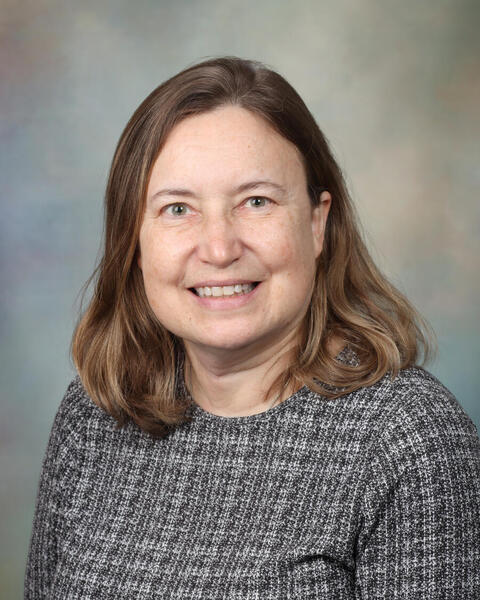
Karen S. Anderson, M.D., Ph.D. is a Professor of Medicine at Mayo Clinic in Phoenix, Arizona, where she serves as a Contract Physician in the Division of Hematology/Oncology within the Department of Internal Medicine. Her clinical practice focuses on breast cancer, and she is affiliated with the Mayo Clinic Comprehensive Cancer Center and the Breast Clinic. As an active researcher, Dr. Anderson leads clinical trials in breast cancer immunotherapy and biomarker development. Dr. Anderson's educational background includes: Medical Scientist Training Program (MD), Duke University School of Medicine (1994) Ph.D. in Microbiology and Immunology, Duke University (1994) BA in Chemistry, University of Virginia (1986) Internship and Residency in Internal Medicine, Brigham and Women's Hospital, Boston Fellowship in Adult Hematology and Oncology, Dana Farber Cancer Institute Dr. Anderson's research focuses on cancer immunology with particular emphasis on breast cancer biomarkers, ovarian cancer biomarkers, pancreatic cancer biomarkers, cancer vaccines, and HPV-related cancers. Her work spans from basic immunology to clinical applications, with a strong focus on translating laboratory findings into clinical practice. She has developed innovative approaches for early cancer detection and has been instrumental in advancing breast cancer immunotherapy through clinical trials. Analysis of Dr. Anderson's recent publications reveals a consistent focus on breast cancer immunology, biomarker discovery, and HPV-related cancers. Her work integrates molecular biology, immunology, and clinical oncology to develop novel diagnostic and therapeutic approaches. Notably, her research has expanded to include computational approaches for neoantigen prediction and has addressed public health challenges including HPV-related cancer screening and even COVID-19 vaccine strategies. Dr. Anderson has received several prestigious awards: Outstanding Faculty Mentor Arizona State University Faculty Women's Association (2020) Chief Resident West Roxbury VA Hospital (1996) Phi Beta Kappa University of Virginia (1986) Merck Scholar (1986) Alpha Omega Alpha Honor Medical Society (1986) Echols Scholar University of Virginia (1982) Dr. Anderson has been actively involved in mentoring students and early-career researchers, serving on numerous thesis committees at Arizona State University across multiple departments including Molecular and Cellular Biology, Chemistry, and the Barrett Honors College. Her research is supported by multiple grants from the National Cancer Institute, including her role as Co-Chair of the Breast and Gynecologic Cancers Collaborative Group within the Early Detection Research Network. Dr. Anderson is a key member of the Arizona Biomarker Alliance Executive Committee and has established collaborative research teams focused on cancer biomarker discovery and validation. Her laboratory work integrates protein microarray technology, immunology, and cancer genomics to develop novel diagnostic and therapeutic approaches for breast and HPV-related cancers.
Michael J. Mitchell is an Associate Professor in the Department of Bioengineering at the University of Pennsylvania. His research focuses on overcoming biological barriers to drug delivery through biomaterials science, nanotechnology, and cellular engineering. Key areas include mRNA lipid nanoparticle development for cancer therapy, immunotherapy, genome editing, and regenerative medicine. His lab has pioneered placental-targeted drug delivery for in utero treatments and developed scalable microfluidic manufacturing processes for vaccines. Education: PhD in Bioengineering (University of Pennsylvania) Postdoctoral Training in Nanomedicine Research Interests: Dr. Mitchell’s work integrates biomaterials with biological systems to improve drug delivery efficiency. Current projects include: Design of lipid nanoparticles for mRNA and CRISPR delivery Targeted therapies for cancer metastasis and cardiovascular disease Placenta-specific drug delivery systems for maternal-fetal health Bioengineered immune cell therapies using mRNA Recent Achievements: In 2021, his lab published breakthrough work on lipid nanoparticles improving mRNA vaccine stability, featured in Penn Today and MIT Technology Review . Collaborations with CHOP and Penn Medicine have advanced in utero mRNA delivery for congenital diseases. Awards & Grants: Recipient of NIH grants for nanomedicine research and industry partnerships for vaccine development. Active in translational projects with startup companies for clinical nanotechnology applications. Labs & Teams: Lead of the Mitchell Lab at Penn Engineering, which includes over 20 researchers focusing on nanomedicine, biomaterials, and clinical translation.
Horst A. von Recum, PhD, is the Executive Vice Chair of the Case School of Engineering and a Professor in the Department of Biomedical Engineering at Case Western Reserve University. He is also a member of the Cancer Imaging Program at the Case Comprehensive Cancer Center. His research focuses on developing novel platforms for molecular and cellular delivery, including affinity-based systems for controlled drug release and directed stem cell differentiation. Key applications include HIV therapies, wound healing, ocular disease treatments, and tissue engineering. His work emphasizes improving drug delivery precision through molecular interactions and enhancing stem cell viability for therapeutic use. Dr. von Recum’s research interests span drug delivery systems, biomaterials science, and regenerative medicine. His lab explores cyclodextrin polymers for sustained antibiotic release, affinity-driven drug refilling mechanisms, and engineering biocompatible materials to combat implant-related infections. Recently, his team has investigated microbiome interactions with neural implants and developed polymer-based solutions for localized chemotherapy. Notable contributions include advancements in PMMA bone cement composites for drug refillable depots, cyclodextrin hydrogels for controlled release, and affinity-based systems for anti-fibrotic treatments. His work bridges materials science with clinical applications, addressing challenges in orthopedic infections, neural interfaces, and cardiovascular regeneration. Scientific achievements include over 100 peer-reviewed publications. Research funding has supported projects on antimicrobial coatings, drug delivery mechanics, and stem cell differentiation. Dr. von Recum collaborates across disciplines to translate biomaterial innovations into clinical solutions.