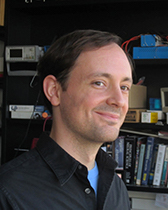
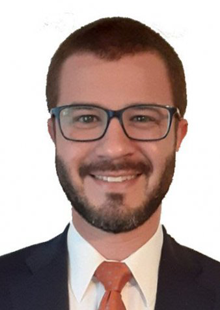
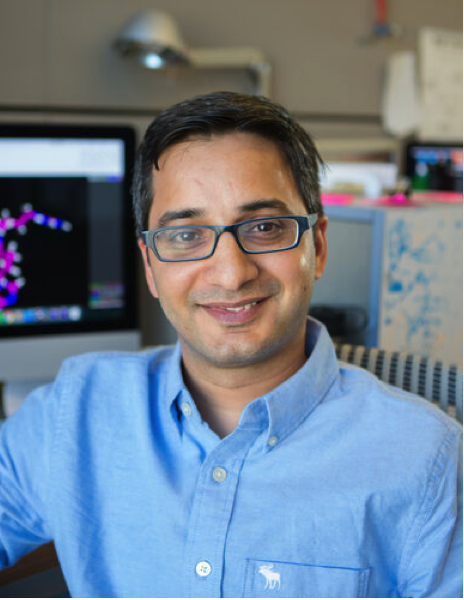
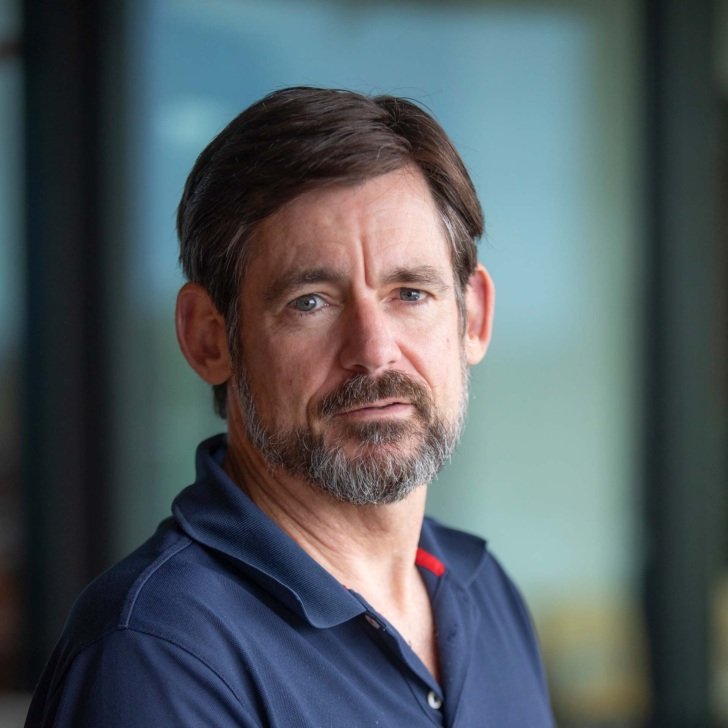
Aaron Kuan is an Assistant Professor in Neuroscience and Biomedical Engineering at Yale School of Medicine. His lab focuses on understanding brain circuit structure-function relationships through advanced imaging technologies like X-ray holography and electron microscopy. Key interests include molecular connectomics, long-range cortical projections, and synaptic circuit analysis in decision-making processes. Education: PhD in Applied Physics from Harvard University. Research highlights include developing scalable imaging techniques and uncovering synaptic wiring motifs in posterior parietal cortex. Awards include the 2024 Kavli Innovative Teams Award for molecular connectomics work with Joerg Bewersdorf. Lab Locations: Rooms at 100 College Street and 200 S. Frontage Road, New Haven Recruiting postdocs and graduate students in imaging, data science, and neuroscience Recent work combines synchrotron X-ray nano-holography for brain-wide axon tracing and functional connectomics linking circuit architecture to cognition. Collaborations span engineering, physics, and computational biology.
Alex Bullock is Professor of Structural and Chemical Biology at the University of Oxford, where he leads the Growth Factor Signalling and Ubiquitination research group. His multidisciplinary work bridges structural biology, chemical biology, and therapeutic development for cancer and rare diseases. He holds a PhD from the University of Cambridge and completed postdoctoral work at the University of Washington and Oxford, supported by a Wellcome Fellowship. His research focuses on: Disease-causing mutations in kinases (e.g., ALK2 in fibrodysplasia ossificans progressiva and brain tumors) E3 ubiquitin ligase neofunction (e.g., KBTBD4 in medulloblastoma) Development of PROTACs for targeted protein degradation Small-molecule inhibitors for undruggable targets He leads a phase 2 clinical trial for the ALK2 inhibitor saracatinib and collaborates globally with institutions including Stanford, Harvard, and the University of Edinburgh. His publications emphasize kinase inhibition, ubiquitin pathways, and structure-guided drug design, with recent work on KEAP1-Nrf2 inhibitors, E3 ligases, and chemical probes for kinases like CDKL5/GSK3. Awards include the Wellcome Fellowship . He engages with disease foundations (FOP Friends, Brain Tumour Charity) and public outreach.
Celia Kjærby is an Associate Professor at the Department of Neuroscience, Faculty of Health and Medical Sciences, University of Copenhagen, where she also leads the Division of Sleep-Arousal State Transitions at the Center for Translational Neuromedicine. Her research focuses on understanding sleep micro-structures and their role in cognitive performance and brain health. Education: PhD, Graduate School of Health and Medical Sciences, University of Copenhagen (2012) M.Sc. (human biology), Faculty of Health and Medical Sciences, University of Copenhagen (2007) Bachelor of Science (biology), Faculty of Sciences, University of Copenhagen (2004) Kjærby's research investigates how sleep-arousal transitions impact restorative sleep processes related to memory consolidation and waste clearance. Her work is particularly relevant for understanding neurodegenerative and neuropsychiatric disorders where sleep disturbances play a significant role. She examines the complex micro-structures of sleep and how frequent short arousals contribute to normal sleep function. Her recent publications (2024-2025) reveal a strong focus on the glymphatic system, cerebral blood flow regulation during sleep, and the relationship between sleep disturbances and neurodegenerative conditions like Alzheimer's disease. Her research integrates advanced techniques including CRISPR/Cas9, fluorescent imaging, and machine learning approaches to analyze sleep patterns. Scientific Recognition: Member of Lundbeck Foundation Investigator Network (LFIN) (2022) Cover feature in Nature Neuroscience (August 2022) Kjærby has secured significant research funding including the Lundbeck Foundation Fellow award (2023), Lundbeck Foundation Seed Grant (2023), and an Inge Lehmann independent grant from the Independent Research Fund Denmark (2022). She serves on the editorial board of Frontiers in Neural Circuits and reviews for prestigious journals including Nature and Neuron. She is also active in scientific outreach, regularly participating in public lectures and media interviews about sleep science. She leads the research group focused on Sleep-Arousal State Transitions and has been instrumental in organizing neuroscience events including the monthly 'DIM the Brain' forum for students and postdocs at the University of Copenhagen since 2016.
Andrew Miri is an Assistant Professor in the Department of Neurobiology at Northwestern University's Weinberg College of Arts & Sciences. He holds a Ph.D. from Princeton University. His research focuses on understanding how the nervous system generates movement, particularly the interplay between spinal cord neurons and brain regions in the motor system. His lab employs advanced genetic, physiological, and data science tools to study motor system dynamics and functional units. Key research interests include motor system function, behavior quantification, systems neuroscience, and brain-behavior relationships. He investigates how motor cortical outputs engage spinal circuits and the elemental functional units underlying motor operation. Recent work explores skilled movement generation in real-time, cortical orchestration of movement, and corticospinal control mechanisms. Selected honors include the NIH Director's New Innovator Award (2020), Sloan Research Fellowship (2020), and Searle Scholar Award (2019). His lab includes students like Akiko Saiki (Ph.D.), Zhengyu Ma, and Sarah Hsu, alongside research technicians and undergraduates. Collaborative projects involve genetic tools, optogenetic inactivation, and EMG recordings to dissect neural mechanisms. Publications highlight studies on motor cortical influence, neural dynamics in gaze control, and motor neuron identity. His work bridges basic neuroscience with translational insights into movement disorders.
Keenan Mintz is a Research Scientist II at the Georgia Institute of Technology. His work focuses on nanotechnology, particularly carbon dots, and their applications in drug delivery, biomedical imaging, and cancer therapy. He holds a Ph.D. in Chemistry from the University of Miami (2021) and a B.Sc. in Chemistry from Florida International University (2015). His research explores photodynamic therapy, blood-brain barrier penetration, and surface chemistry of nanomaterials. Key research interests include carbon dot synthesis, nanomedicine, and photocatalysis. Mintz has published extensively on topics like carbon dot structure-function relationships, antimicrobial therapies, and biomedical applications. His work bridges fundamental materials science with clinical applications, such as improving cancer treatments and developing biocompatible nanocarriers. Education: Ph.D. in Chemistry, University of Miami, 2021 B.Sc. in Chemistry, Florida International University, 2015 Mintz’s publications highlight advancements in carbon dot-based therapies, including their use in liver cancer treatment, neuroblastoma imaging, and mitochondrial targeting. Recent work (2024) explores structural insights into carbon dots and their mechanical properties in carbon nanotube yarns. His research also addresses safety and efficacy of photodynamic therapies, particularly in ophthalmic applications. Awards: ACS LEADS Conference Invitee (2021) Outstanding Research Assistant (2021) Graduate Student Association Academic Excellence Award (2020) His grants and fellowships include the Sam and Clara Schreiber Chemistry Summer Research Fellowship (2019) and Holmes Fellowship (2016). Mintz’s interdisciplinary approach combines materials synthesis, optical characterization, and clinical validation to address unmet needs in nanomedicine.
Anna Marie Pyle is a Sterling Professor at Yale University in the Departments of Molecular, Cellular and Developmental Biology and Chemistry. She is a Howard Hughes Medical Institute Investigator since 1997 and has held leadership roles including President of the RNA Society and Chair of the NIH MSFA Study Section. Her research focuses on RNA structure, RNA remodeling enzymes, and innate immune receptors. She has authored over 190 publications and mentored over 40 students/postdocs. **Education:** B.S. in Chemistry (Princeton University), Ph.D. in Chemistry (Columbia University, 1990). Postdoctoral training at the University of Colorado with Thomas Cech. Joined Yale in 2002. **Research:** Pioneered structural studies of group II introns and the spliceosome. Her lab investigates RNA tertiary structures, viral RNA biology, and RIG-I signaling. Key contributions include understanding RNA helicases, antiviral immunity, and lncRNA structural biology. Collaborates with industry (e.g., Arrakis Therapeutics) on RNA-based therapeutics. **Awards:** HHMI Investigator, National Academy of Sciences member, AAAS Fellow. Recognized for innovations in RNA structure-function relationships. **Grants & Labs:** Leads the Pyle Lab at Yale, funded by NIH and HHMI. Active in developing RIG-I agonists for cancer immunotherapy and antifungal drugs targeting RNA splicing.
Thomas Keck is an Associate Professor and Department Chair at Rowan University’s College of Science & Mathematics, Biological & Biomedical Sciences. His research focuses on pharmacology, neuroscience, and biochemistry, specifically targeting dopamine D4, µ opioid, and TAAR1 receptors for neuropsychiatric disorder treatments including Alzheimer’s, schizophrenia, ADHD, anxiety, and drug addiction. BS (Biomedical-Biochemical Engineering), University of Southern California PhD (Physiology & Pharmacology), Oregon Health & Science University Postdoctoral (Medication development for drug addiction), NIDA-IRP (NIH) Keck’s work integrates molecular and behavioral pharmacology with medicinal chemistry to develop novel drug-like molecules. His lab prioritizes dopamine D4 receptor-targeted compounds, bioisosteric triazole-linked analogs, and pharmacokinetic optimization strategies for addiction therapies. Recent publications highlight advancements in opioid analgesia, dopamine receptor ligand design, and sigma receptor purification for drug screening. Key areas include Dopamine receptor pharmacology , Opioid therapeutic window expansion , Triazole-based bioisosteres , and Transcriptomic effects of antidepressants . Scientific awards : 2017 Maharaj Ticku Memorial Travel Fellowship 2015 Frances R. Lax Faculty Development Award 2013 NIH Mentoring Awards 2013 NIH Fellows’ Award for Research Excellence Keck’s research bridges academic and translational studies, emphasizing collaboration with medicinal chemists and behavioral pharmacology teams to address substance use disorders and neuropsychiatric conditions.
Gaurav Bhardwaj is an Assistant Professor in the Department of Medicinal Chemistry at the University of Washington School of Pharmacy. He is affiliated with the Institute for Protein Design and leads the Bhardwaj Lab, focusing on computational and experimental tools for peptide-based therapeutics. Education: B.Tech in Biotechnology, GGS Indraprastha University, Delhi PhD in Integrative Biosciences, Pennsylvania State University Postdoctoral work at University of California, Davis and University of Washington, Seattle His research spans computational peptide design , structural biology , and drug discovery , targeting challenges in membrane permeability , oral bioavailability , and blood-brain barrier traversal . Current projects address antibiotic resistance, chronic pain, and neurodegenerative disorders. Recent publications highlight de novo macrocycle design , AlphaFold-based modeling , and cyclic peptide libraries , emphasizing computational methods and deep learning applications in drug design. His work integrates molecular biophysics and structural validation to enhance therapeutic efficacy. The Bhardwaj Lab promotes diversity and offers opportunities for undergraduate researchers, graduate students, postdoctoral fellows, and technicians, with a focus on interdisciplinary collaboration at the interface of chemistry, biology, and computational sciences.
Professor Ross Bathgate is a leading academic at The Florey Institute and an Honorary Professorial Fellow in the Department of Biochemistry and Molecular Biology at the University of Melbourne. His research focuses on neuropeptide interactions with G protein-coupled receptors (GPCRs) for therapeutic drug design, particularly in the relaxin family of peptides . Key Projects: Developing relaxin analogs (B7-33, H3) for antifibrotic and pain treatments, INSL5 analogs for colon motility, and novel GPCR-targeting drugs. Research Impact: Over 250 publications, including Phase III clinical trials for relaxin in acute heart failure. Collaborations: Works with pharmaceutical companies on clinical development of relaxin and other peptide GPCR therapeutics. Notable Article Trends: Focus on structure-based drug design, GPCR dynamics, and translational applications for cardiovascular and gastrointestinal diseases. Labs & Teams: Leads the Neuropeptide Receptor Group at Parkville Campus, University of Melbourne, specializing in peptide-GPCR interactions.
Professor Andrew Moorhouse serves as Professor of Physiology and Horizons Professor of Medical Sciences (Education Focused) at the School of Medical Sciences within the Faculty of Medicine and Health at the University of Sydney. His dual appointment reflects his significant contributions to both neuroscience research and physiology education. With an active research program spanning over two decades, Professor Moorhouse maintains strong international collaborations, particularly with Japanese research institutions as evidenced by his extensive publication record. Professor Moorhouse's research interests center on cellular and molecular neuroscience with particular emphasis on microglia-neuron interactions, ion channel physiology, and neural plasticity mechanisms. His work investigates how microglia modulate synaptic function, how astrocytes influence pain pathways, and the role of chloride transporters like KCC2 in neural circuit function. More recently, he has made substantial contributions to physiology education reform in Australia, leading multiple projects to establish consensus on core physiological concepts through the Delphi method. Analysis of his publication trends reveals a clear evolution from fundamental neuroscience research toward integrated approaches combining cellular mechanisms with systems-level physiology and educational frameworks. While his earlier work (2003-2015) focused primarily on ion channel biophysics and receptor physiology, his recent publications (2019-2024) demonstrate expanding interests in neural circuit function, pain mechanisms, and physiology education. His research consistently appears in high-impact journals including Nature Communications, Science Advances, and Journal of Neuroscience. Professor Moorhouse has been actively involved in physiology education reform in Australia, contributing to multiple collaborative papers on core concepts in physiology education. His work with Australian colleagues has systematically unpacked and validated fundamental physiological concepts including homeostasis, integration, cell-cell communication, and the structure-function relationship across various physiological systems. His research program demonstrates significant collaborative activity with both Australian and international colleagues, particularly from Japan. While specific grant information isn't provided in the available text, his extensive publication record across multiple high-impact journals suggests sustained research funding. Professor Moorhouse appears to work within a neuroscience research group focusing on glial cell function, neural plasticity, and pain mechanisms, with strong connections to both Australian physiology education networks and Japanese neuroscience laboratories.
Francesco Cappello is a Full Professor in the Department of Biomedicine, Neuroscience and Advanced Diagnostics at the University of Palermo, Italy, where he also serves as Vice-Rector for Student Life. His office is located in the Human Anatomy and Histology Building, where he maintains regular office hours for students. Professor Cappello teaches across multiple departments including Medicine and Surgery, Biomedical Engineering, and Sciences of Motor and Sport Activities. Professor Cappello's research program centers on molecular chaperones, particularly Heat Shock Protein 60 (Hsp60), and their roles in various physiological and pathological conditions. He has developed the concept of the "muco-microbiotic layer" as a novel morphofunctional structure and investigates how probiotics and nanovesicles might target this layer in disease conditions. His work spans multiple systems including the digestive system, skeletal muscle, neuroendocrine system, and respiratory system, exploring Hsp60's potential as both a biomarker and therapeutic target. Analysis of Professor Cappello's recent publications reveals a comprehensive exploration of Hsp60 across multiple disease contexts. His 2025 publications demonstrate particular interest in the relationship between Hsp60 and skeletal muscle diseases, digestive system pathologies, and the neuroendocrine system. He is also pioneering connections between molecular chaperones and artificial intelligence applications in biomedical research, while investigating the therapeutic potential of probiotics like Lactobacillus fermentum LF31 in modulating inflammatory pathways and muscle atrophy. Professor Cappello has maintained consistent teaching responsibilities across multiple academic years, instructing Human Anatomy II in Medicine and Surgery programs, Elements of Anatomy in Biomedical Engineering specializations, and Human Morphology courses in Motor and Sport Sciences. His teaching spans both foundational anatomy and specialized applications across various health science disciplines, reflecting his broad expertise in anatomical sciences.
Tamir Gonen is a Professor of Biological Chemistry and Physiology at the David Geffen School of Medicine, University of California, Los Angeles (UCLA) , and an Investigator at the Howard Hughes Medical Institute (HHMI) . He is a pioneer in microcrystal electron diffraction (MicroED) , a transformative cryo-EM method for atomic-resolution structure determination. Education: Doctor of Science (DSc), University of Auckland (2025) PhD in Structural Biology, Harvard Medical School (2005) PhD in Biochemistry, University of Auckland (2002) BSc (Hons) in Inorganic Chemistry and Biochemistry, University of Auckland (1998) His research focuses on membrane protein structure and function , particularly those in the blood-brain barrier , using MicroED, X-ray crystallography, NMR, and molecular dynamics. He has determined structures of ion channels, transporters, and drug compounds at resolutions better than 1 Å, advancing drug discovery and understanding disease mechanisms. Recent work includes high-throughput MicroED for ion channel dynamics, energy filtering to enhance resolution, and polymorphic drug characterization . His lab also develops protocols for suspended drop crystallization and focused ion-beam milling of samples. Scientific Awards: Fellow, American Crystallographic Association (2025) Doctor of Science, University of Auckland (2025) Carl Branden Award, The Protein Society (2024) Investigator, HHMI (2017) Member, Royal Society of New Zealand (2017) American Diabetes Association Career Development Award (2009) He leads the Gonen Lab , which emphasizes multidisciplinary approaches and method development in structural biology. His trainees have become faculty at top global institutions, extending his impact on the field.
Erkin Şeker, Ph.D. , is a Professor in the Department of Electrical and Computer Engineering at the University of California, Davis, where he also serves as Co-Director of the Center for Neuroengineering and Medicine and Chair of the Designated Emphasis in Neuroengineering . His research integrates micro- and nanofabrication, electrochemical biosensors, multifunctional neural interfaces, and microfluidic tissue chips to address challenges in healthcare and life-science miniaturization. Education: Ph.D. in Electrical Engineering, University of Virginia (2007) Research Interests Prof. Şeker’s group operates at the intersection of nanoporous metals , microfluidics , and device engineering . Current thrusts include: Nanostructured electrochemical biosensors for nucleic-acid detection in food safety, water quality, and medical diagnostics. Multifunctional biomedical device coatings that combine neural recording with on-demand drug delivery to combat epilepsy and other neurological disorders. Nanoporous metal morphology libraries for high-throughput investigation of structure–property relationships. Microphysiological models of neuroinflammation and gut–brain-axis interactions using tri-culture tissue chips. Publication Trends Over the past decade the group has produced >80 peer-reviewed articles spanning Analytical Chemistry , ACS Applied Materials & Interfaces , Advanced Functional Materials , Lab on a Chip , and Journal of Neuroinflammation . The work reveals a clear trajectory from fundamental studies of nanoporous gold mechanics and surface chemistry to translational applications in closed-loop neural control, nucleic-acid diagnostics, and tissue-level disease models. Scientific Awards & Honors NSF CAREER Award NIH NIBIB Trailblazer Award UC Davis Academic Senate Distinguished Graduate and Professional Teaching Award UC Davis Graduate Studies Distinguished Graduate and Postdoctoral Mentorship Award BMES Cellular & Molecular Bioengineering Young Innovator Next Level Research Award (College of Engineering) Fund for Medical Discovery Award (Massachusetts General Hospital) Elevation to IEEE Senior Member Advising & Funding Prof. Şeker has mentored >25 Ph.D. and M.S. students and numerous undergraduates. Active funding includes NSF, NIH (NIBIB, NINDS, NIA, NCCIH), USDA-NIFA, UC Lab Fees, and industry partnerships totaling several million dollars. He is PI or Co-PI on grants such as: "NeuralStorm: Taking Neuroengineering by Storm" (NSF NRT) "Closed-Loop Electro-Fermentation…" (USDA-NIFA) "Next-Generation Neural Interfaces Based on Axonal Confinement…" (NIH NIBIB Trailblazer) "A Scalable Primary Cortical Tri-Culture Model…" (NIH R03) Labs & Teams He directs the Şeker Research Group , a multidisciplinary team of graduate students, post-docs, and undergraduates housed in the UC Davis College of Engineering. Shared resources include College clean-room facilities, the Center for Neuroengineering and Medicine, and collaborative ties with the UC Davis Alzheimer’s Disease Research Center, Comprehensive Cancer Center, and Environmental Health Sciences Center.
Kristina Nielsen is an Associate Professor of Neuroscience at Johns Hopkins University School of Medicine and a researcher at the Zanvyl Krieger Mind/Brain Institute. She investigates the function, development, and plasticity of higher-level visual cortex circuits. PhD, Max Planck Institute for Biological Cybernetics (Germany) Postdoctoral work at Salk Institute (2006-2012) with Ed Callaway and Rich Krauzlis Her research focuses on: Structure-function relationships in higher visual cortex Neural mechanisms of object recognition Developmental plasticity of visual circuits Two-photon microscopy applications in primates Viral vector-based circuit analysis Key article trends include primate visual cortex organization, motion and shape integration, and cortical development mechanisms. She has contributed to journals like Nature , Neuron , and Journal of Neuroscience . Scientific awards: CNRS 2025 bronze and silver medals Current lab members include graduate researchers Dallas Khamiss, Emmanuel Osikpa, and Brandon Nanfito. Her team has received ANR funding for projects like 'Earlier stages of development of the motion pathway' and 'Encoding of 2D and 3D shape in primate V4.'
Professor Alexandra Lusser serves as Professor and Deputy Head in the Department of Molecular Biology at Innsbruck Medical University, where she leads the Chromatin and Epigenetics Laboratory. Her research focuses on understanding the molecular mechanisms of chromatin assembly, remodeling, and epigenetic regulation at both DNA and RNA levels. Professor Lusser completed her PhD at the University of Innsbruck in 1998, followed by postdoctoral training at the University of California, San Diego (2001-2004) in the laboratory of Professor JT Kadonaga. She joined Innsbruck Medical University as Assistant Professor in 2004, achieved her Habilitation for Molecular Biology in 2008, was promoted to Associate Professor, and became a full Professor in 2019. Her research program investigates how eukaryotic DNA is organized in chromatin and how this organization affects DNA metabolism processes including transcription, replication, repair, and recombination. A significant portion of her work examines ATP-dependent chromatin assembly and remodeling mechanisms, variant histone assembly, and epigenetic mechanisms at the mRNA level, particularly mRNA base modifications such as 5-methylcytosine and their roles in mRNA metabolism and translation. Her publications reveal a strong focus on developing and applying innovative biochemical and genomic techniques to study RNA modifications and chromatin dynamics. Professor Lusser's extensive publication record spanning from 1996 to the present demonstrates consistent contributions to the fields of chromatin biology and RNA epigenetics. Her recent work shows particular emphasis on developing novel sequencing methods for RNA modification analysis, exploring the functional consequences of RNA modifications, and investigating the relationship between chromatin remodeling factors and neurological functions. HOECHST Award (1998) APART 3-year postdoctoral fellowship from the Austrian Academy of Sciences (2001) START Prize from the Ministry of Science and Research (2005) Member of the Young Curia of the Austrian Academy of Sciences (2008-2016) Research Award from the State Capital Innsbruck (2009) As Deputy Head of the Department of Molecular Biology, Professor Lusser contributes to departmental leadership while maintaining an active research program. Her laboratory has developed several important methodologies including TUC-Seq for measuring mRNA transcription and degradation rates, bisulfite sequencing for detecting 5-methylcytosine in RNA, and other innovative approaches for studying RNA modifications. Her work bridges molecular biology, biochemistry, and genomics, with implications for understanding fundamental biological processes and potential applications in disease research.